Iodine: Comprehensive Guide To Uses, Deficiency, And Safety
Essential trace element vital for thyroid function, used in medicine and antiseptics, with potential for skin reactions.
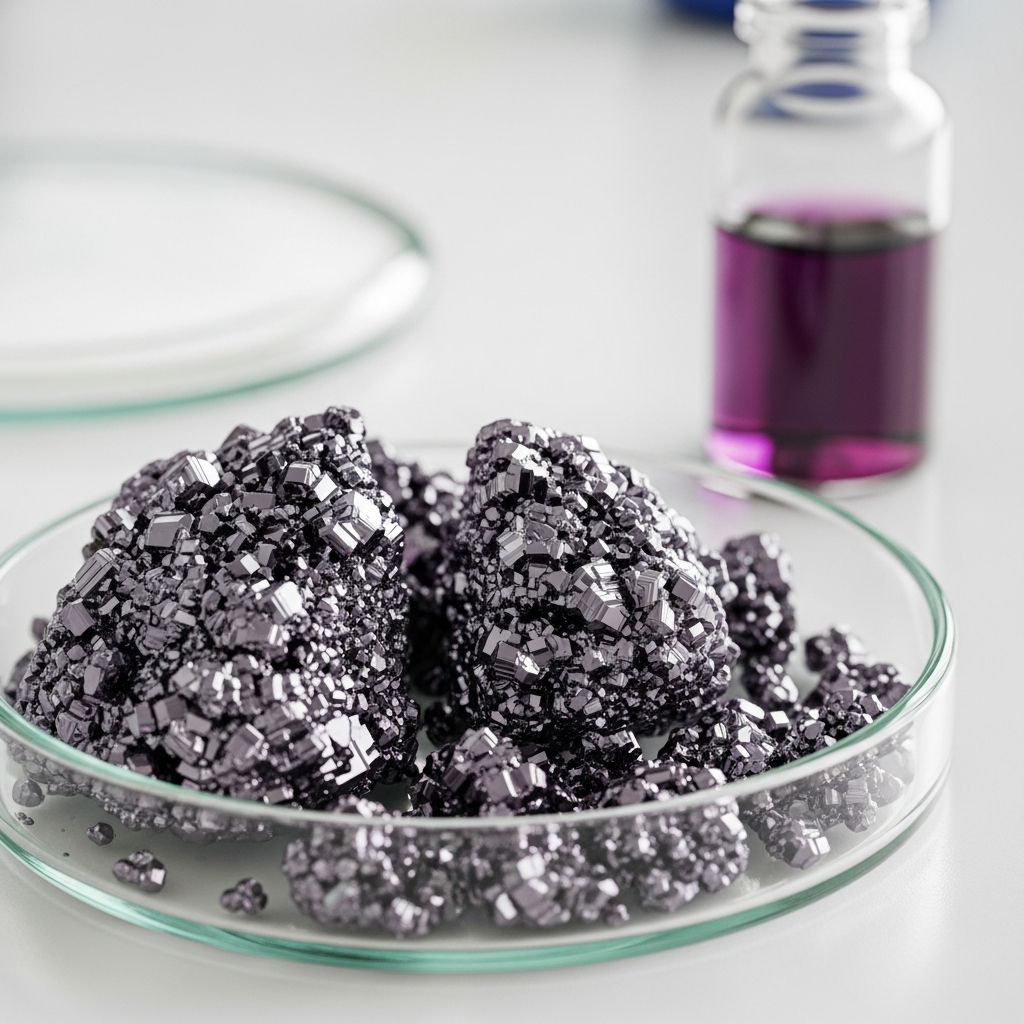
Iodine is a natural element essential for all living organisms. It belongs to the group of non-metal elements known as
halogens
, which also includes fluorine, chlorine, and bromine.What is iodine used for?
Iodine has diverse applications in medicine, primarily administered topically, orally, or by injection. It plays a critical role in thyroid hormone synthesis, making it indispensable for metabolic regulation.
- Topical use: Commonly found in antiseptics like povidone-iodine (Betadine™) for wound care, surgical preparation, and burns.
- Oral use: Treats thyroid diseases such as hyperthyroidism and simple goitre; potassium iodide treats skin conditions like erythema nodosum and sporotrichosis.
- Injection/intravenous: Used as radiocontrast media in CT scans, cholecystograms, and pyelograms.
- Other: Present in expectorants, multivitamins, tonics, and amiodarone for cardiac arrhythmias.
Iodine is also ingested through foods like seaweed, seafood, and iodised salt, with smaller amounts in vegetables and meat.
Iodine deficiency
The adult human body contains 15–20 mg of iodine, with 70–80% stored in the thyroid gland. Dietary iodine is absorbed in the gut and actively taken up by the thyroid to produce hormones thyroxine (T4) and triiodothyronine (T3).
Deficiency leads to
iodine deficiency disorders (IDDs)
, ranging from mild (goitre) to severe (cretinism in newborns, characterized by mental impairment, stunting, and physical abnormalities).| Severity | Consequences |
|---|---|
| Mild | Goitre in adults, reversible with supplementation |
| Moderate | Hypothyroidism, impaired cognition |
| Severe | Congenital syndrome: mental retardation, deaf-mutism, squint |
Prevention includes iodised salt, fortified foods (e.g., bread in Australia/New Zealand), and dairy (variable based on cattle feed). Trends like plant-based milks and low-carb diets may increase risk in some populations.
Clinical uses of iodine
Beyond thyroid support, iodine disinfectants are standard in clinical practice. In nuclear emergencies, high-dose potassium iodate (130 mg for adults) protects the thyroid from radioactive iodine uptake.
Potassium iodide (KI), prepared as a saturated solution (50 mg/drop), treats dermatological conditions where neutrophils predominate, such as sporotrichosis, erythema nodosum, and pyoderma gangrenosum. Its mechanism may involve neutrophil modulation or direct antifungal effects.
| Condition | Dose |
|---|---|
| Sporotrichosis | 2.5–5 g/day (50–100 drops) |
| Recalcitrant pyoderma gangrenosum | 300 mg 3x daily |
| Hyperthyroidism preparation | 800 mg daily |
KI remains cost-effective, often as first- or second-line therapy despite newer options.
Iodine reactions
The term ‘**iodine allergy**’ is a misnomer; true allergy to elemental iodine is impossible as it’s a vital trace element. Reactions mimic allergy and stem from iodinated compounds.
- Immediate reactions: Anaphylactoid to contrast media (rare with newer agents).
- Non-immediate: Delayed hypersensitivity or iododerma.
Iododerma (halogenoderma from iodine) arises from accumulation, often after prolonged exposure: large-area antiseptics on broken skin, oral overdose, high-seafood diets, or contrast media. Variable iodine dose triggers it; most contrast is renally excreted within 24 hours.
Related Stories



Lesions: Vegetating plaques, nodules, pustules on face, limbs; rarely mucosal. Associated with salivary gland swelling (‘iodine mumps’), vasculitis, or thyroid dysfunction.
Risk factors for contrast reactions:
| Risk Factor | Management |
|---|---|
| Previous reaction | Pretreat with steroids/antihistamines |
| Asthma/food allergy | Consider non-iodine alternatives |
| Cardiovascular disease/beta-blockers | Monitor closely |
Systemic effects and toxicity
Prolonged use risks
iodism
: metallic taste, swollen salivary glands, GI upset, acneiform rash, weakness, palpitations.**Potassium toxicity**: Hyperkalemia symptoms (muscle weakness, arrhythmias).
Rare severe effects: Hypotension, bradycardia, renal failure, leukocytoclastic vasculitis, hyperthyroidism, hepatitis.
Frequently Asked Questions (FAQs)
What is iodine and why is it essential?
Iodine is a halogen essential for thyroid hormones T3 and T4, regulating metabolism, growth, and development.
Can you be allergic to iodine?
No true allergy exists; reactions are to iodinated compounds like contrast media or povidone-iodine, often idiosyncratic.
What causes iododerma?
Excess iodine accumulation from antiseptics, oral intake, or contrast, leading to pustular/vegetating skin eruptions.
How is iodine deficiency prevented?
Use iodised salt, consume seafood/dairy; fortify staples like bread.
What are uses of potassium iodide in dermatology?
Treats sporotrichosis, erythema nodosum; doses up to 5g/day in saturated solution.
Are there risks with iodine contrast media?
Yes, especially with prior reactions or asthma; newer media safer.
This article provides an in-depth exploration of iodine’s roles, risks, and management, drawing from authoritative dermatological and medical sources. Always consult healthcare professionals for personalized advice.
References
- Halogenodermas — DermNet NZ. 2023. https://dermnetnz.org/topics/halogenoderma
- Iodine — DermNet NZ. 2023. https://dermnetnz.org/topics/iodine
- Potassium iodide — DermNet NZ. 2005 (updated). https://dermnetnz.org/topics/potassium-iodide
- Iodine — National Center for Biotechnology Information (PMC). 2024-01-15. https://pmc.ncbi.nlm.nih.gov/articles/PMC10844808/
- Iodine image — DermNet NZ. 2023. https://dermnetnz.org/imagedetail/7863-iodine
Similar Articles








Read full bio of Sneha Tete