Iodine: Essential Guide To Benefits, Sources, Dosage
Discover why iodine is essential for thyroid health, brain development, and overall well-being across all life stages.

An essential mineral, iodine plays a pivotal role in thyroid hormone production, which regulates numerous bodily functions including metabolism, growth, and development. The thyroid gland relies on iodine to synthesize thyroxine (T4) and triiodothyronine (T3), hormones crucial for converting food into energy and supporting cellular processes.
Unlike some nutrients, the body cannot produce iodine, necessitating intake through diet or fortified foods. Inadequate iodine leads to insufficient thyroid hormone production, resulting in hypothyroidism, characterized by fatigue, weight gain, and developmental issues. Globally, iodine deficiency remains a public health concern, particularly affecting pregnant women and children.
What Is Iodine?
Iodine is a trace mineral essential for synthesizing thyroid hormones T3 and T4. These hormones influence heart rate, body temperature, digestion, muscle control, skin health, and bone strength. The thyroid gland, located in the neck, absorbs iodine from the bloodstream to produce these hormones.
Thyroid-stimulating hormone (TSH) from the pituitary gland regulates iodine uptake and hormone synthesis. Elevated TSH due to low iodine causes goiter, an enlarged thyroid attempting to capture more iodine. Beyond thyroid function, iodine may support immune responses and mammary health, though research continues.
Why We Need Iodine
Iodine is indispensable for metabolism, protein synthesis, and enzyme activity. It ensures proper thyroid function, preventing hypo- or hyperthyroidism. During pregnancy and infancy, iodine demands increase to support fetal brain and bone development. Deficiency here is the leading preventable cause of intellectual disability worldwide.
- Metabolic Regulation: Thyroid hormones facilitate energy conversion from food.
- Growth and Development: Critical for physical and cognitive growth in children.
- Pregnancy Support: Prevents miscarriage, preterm birth, and low birth weight.
Iodine and the Brain
Iodine deficiency is the primary cause of intellectual disability globally, with severe impacts on fetal and infant brain development. Insufficient maternal iodine risks irreversible damage, cretinism, and lifelong cognitive impairments.
In children, even mild deficiency links to lower IQ, reduced motor skills, and higher ADHD risk. Adults may experience impaired cognition. Thyroid hormones regulate brain growth, making iodine crucial from preconception through early childhood.
Breastfeeding mothers pass iodine via milk, underscoring elevated needs during lactation.
Consequences of Iodine Deficiency
Iodine deficiency disorders (IDDs) encompass hypothyroidism, goiter, and developmental delays. Goiter arises from chronic low intake, swelling the thyroid.
| Deficiency Stage | Consequences |
|---|---|
| Pregnancy | Intellectual delays, lower IQ, miscarriage, preterm birth |
| Infancy/Childhood | Brain damage, cretinism, poor motor skills, ADHD risk |
| Adulthood | Hypothyroidism, goiter, fatigue, fertility issues |
Historical U.S. deficiencies were mitigated by iodized salt since the 1920s.
Food Sources of Iodine
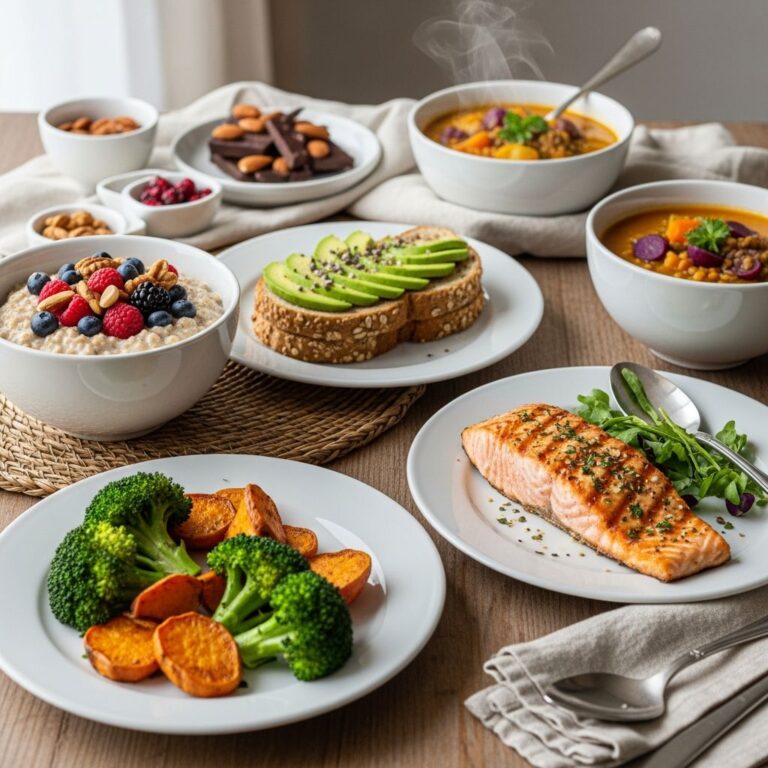
Iodine content varies by soil; seafood and dairy are richest. Iodized salt provides a reliable source.
- Seafood: Fish, seaweed, shrimp (high natural content)
- Dairy: Milk, yogurt, cheese
- Iodized Salt: Table salt fortified with iodine
- Other: Eggs, fortified breads
Plant-based diets may lack iodine unless using iodized salt or supplements.
Recommended Iodine Intake
Daily needs vary by life stage. Pregnant and lactating women require more.
Related Stories



| Life Stage | Recommended Daily Amount (mcg) |
|---|---|
| Adults | 150 |
| Pregnant | 220-250 |
| Breastfeeding | 250-290 |
| Children (1-8 yrs) | 90-120 |
Source: NIH Office of Dietary Supplements. Supplements recommended for at-risk groups.
Iodine Supplementation
Supplements or iodized salt combat deficiency. Pregnant women should supplement to meet heightened needs, preventing fetal harm. Excessive intake risks hyperthyroidism or thyroid dysfunction.
Radioactive iodine treats thyroid cancer by targeting residual cells post-surgery.
Who May Need to Be Aware of Their Iodine Intake?
- Pregnant/Breastfeeding Women: Highest risk for deficiency impacting baby.
- Vegans/Vegetarians: Limited natural sources; use iodized salt.
- Regions with Low Soil Iodine: Inland areas away from coasts.
- Children: For growth and cognition.
Benefits Beyond Thyroid Health
Iodine may alleviate fibrocystic breast disease and lower certain cancer risks, like stomach cancer. It supports wound disinfection and immune function.
Frequently Asked Questions
What happens if you don’t get enough iodine?
Symptoms include goiter, hypothyroidism, fatigue, weight gain, and developmental delays in children.
Can too much iodine be harmful?
Yes, excess can cause hyperthyroidism, acne, or thyroiditis. Stick to recommended amounts.
Is iodized salt enough iodine?
For most, yes, but pregnant women may need supplements.
Which foods are highest in iodine?
Seaweed, fish, dairy, and iodized salt.
Do vegans need iodine supplements?
Often yes, due to low plant sources.
References
- Iodine: Health Benefits, Potential Risks, Dosage, and More — WebMD. 2023. https://www.webmd.com/diet/health-benefits-iodine
- Iodine: A Critically Important Nutrient — Academy of Nutrition and Dietetics. 2023. https://www.eatright.org/health/essential-nutrients/minerals/iodine-a-critically-important-nutrient
- Iodine – health benefits and how much you need — Healthdirect (Australian Government). 2024. https://www.healthdirect.gov.au/iodine
- 5 Benefits of Iodine — Cleveland Clinic. 2023-10-17. https://health.clevelandclinic.org/benefits-of-iodine
- Iodine – The Nutrition Source — Harvard T.H. Chan School of Public Health. 2024. https://nutritionsource.hsph.harvard.edu/iodine/
- Iodine – Health Professional Fact Sheet — NIH Office of Dietary Supplements (U.S. Government). 2024-01-09. https://ods.od.nih.gov/factsheets/Iodine-HealthProfessional/
Similar Articles








Read full bio of medha deb