Iodine Deficiency: Symptoms, Causes, Treatment & Prevention
Understanding iodine deficiency: causes, symptoms, and effective treatment strategies for optimal thyroid health.
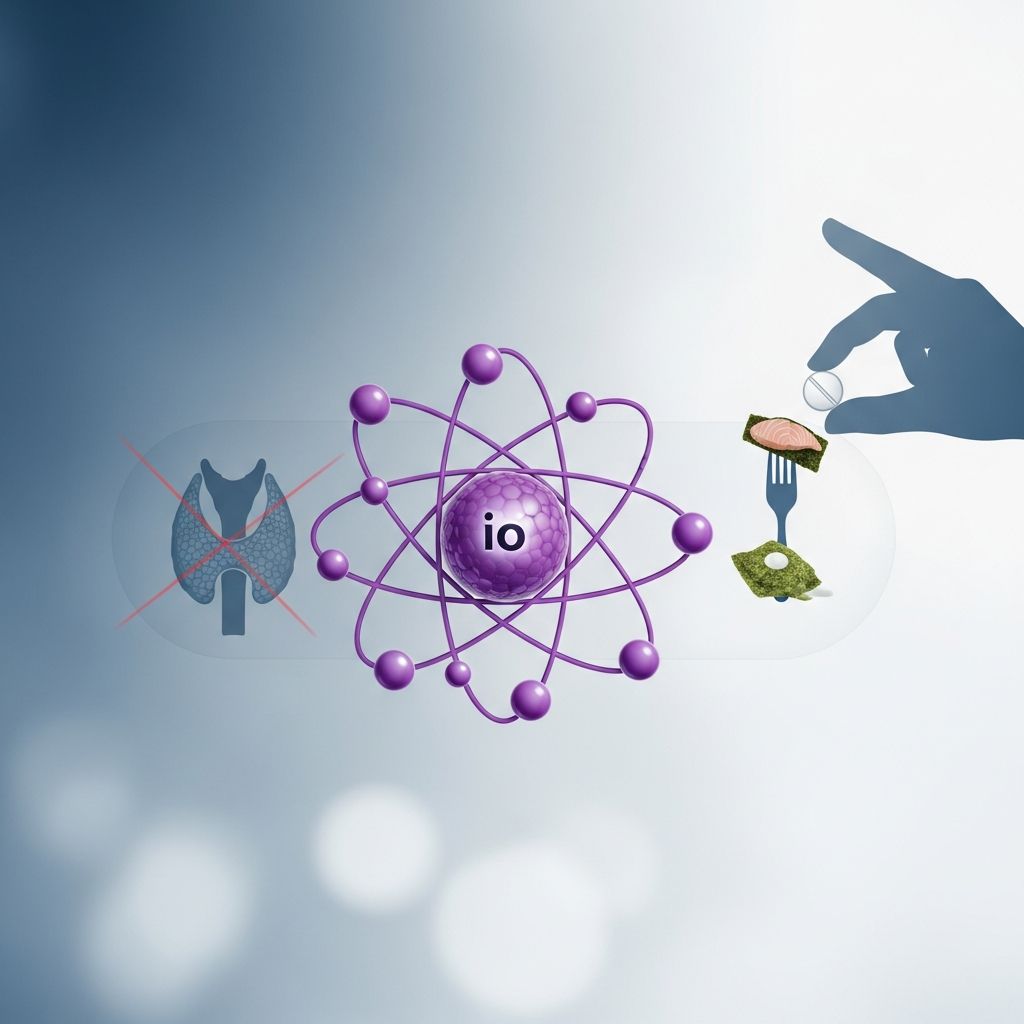
What Is Iodine Deficiency?
Iodine deficiency occurs when your body doesn’t get enough iodine, an essential mineral required for proper thyroid function. Your thyroid gland needs iodine to produce thyroid hormones, which regulate numerous vital bodily functions including metabolism, body temperature, heart rate, and growth. When your body lacks sufficient iodine, your thyroid cannot produce adequate amounts of these critical hormones, leading to a condition called hypothyroidism.
Although iodine deficiency is relatively rare in the United States due to widespread use of iodized salt and improved nutrition, it remains a concern for certain populations. The condition can have serious consequences, particularly for pregnant women and developing children, making awareness and prevention crucial for public health.
Symptoms of Iodine Deficiency
Iodine deficiency manifests through various symptoms that typically develop gradually as your body’s iodine stores become depleted. Recognizing these signs early can help prevent more serious complications.
Common Symptoms Include:
Enlarged Thyroid Gland (Goiter): One of the most visible signs of iodine deficiency is an enlarged thyroid gland at the base of the neck. This occurs because your thyroid works harder to produce thyroid hormones without sufficient iodine, causing it to grow larger in an attempt to compensate.
Weight Gain: Iodine deficiency slows your metabolism, making it easier to gain weight and harder to lose it. This metabolic slowdown can persist even with reduced caloric intake.
Fatigue and Weakness: Low thyroid hormone levels lead to decreased energy production in your cells. You may feel persistently tired, even after adequate sleep, and experience general muscle weakness.
Cold Intolerance: Your thyroid hormones help regulate body temperature. Without sufficient iodine, your body may struggle to maintain warmth, causing you to feel unusually cold or have difficulty staying warm in normal temperatures.
Hair Loss and Dry Skin: Thyroid hormones affect the health of your skin and hair. Iodine deficiency can result in dry, brittle skin and hair loss or thinning.
Cognitive and Mood Changes: Low thyroid hormone levels can affect brain function, leading to difficulty concentrating, memory problems, depression, and general cognitive slowing.
Menstrual Irregularities: Women may experience changes in their menstrual cycle, including irregular periods or heavy bleeding, due to thyroid hormone imbalances.
Causes of Iodine Deficiency
Iodine deficiency develops when dietary intake of iodine fails to meet your body’s requirements. Several factors can contribute to this condition.
Inadequate Dietary Intake
The primary cause of iodine deficiency is insufficient iodine in your diet. Major dietary sources of iodine in the United States include dairy products, eggs, and iodized salt. People who avoid or limit these foods may not consume enough iodine to meet their daily requirements. This is particularly common among vegans and vegetarians who don’t consume dairy or eggs and may not use iodized salt regularly.
Related Stories



Geographic Factors
Iodine content in soil varies significantly by region. Areas with iodine-poor soil produce crops with low iodine content. Historically, certain regions in the United States, particularly the Great Lakes region and the Pacific Northwest, were known as “goiter belts” due to naturally low soil iodine levels. Although iodized salt has largely eliminated this problem, people in these regions may still be at higher risk if they don’t consume iodized salt or iodine-rich foods.
Dietary Choices
Several dietary trends can increase the risk of iodine deficiency. People who avoid salt due to blood pressure concerns or who consume primarily noniodized salt may not get enough iodine. Additionally, the food industry’s increased use of noniodized salt in processed foods means that even regular salt consumers may not obtain adequate iodine from their diet.
Increased Requirements
Pregnant women and breastfeeding mothers require higher levels of iodine than the general population. The recommended daily iodine intake increases from 150 micrograms for nonpregnant adults to 220 to 250 micrograms for pregnant women and 250 to 290 micrograms for lactating women. Women who don’t increase their iodine intake during these periods face a higher risk of deficiency.
Certain Health Conditions
Some gastrointestinal disorders can interfere with iodine absorption, potentially contributing to deficiency. Additionally, certain medications and supplements may affect iodine metabolism or absorption.
Complications of Iodine Deficiency
Left untreated, iodine deficiency can lead to serious health complications affecting multiple body systems.
Hypothyroidism
Persistent iodine deficiency causes your thyroid gland to fail to produce adequate thyroid hormones, resulting in clinical hypothyroidism. This condition requires medical treatment and can affect nearly every system in your body.
Goiter
Chronic iodine deficiency causes the thyroid gland to enlarge significantly, creating a visible swelling at the base of the neck. In severe cases, an enlarged goiter can interfere with breathing and swallowing.
Pregnancy and Fetal Complications
Iodine deficiency during pregnancy poses serious risks to fetal development. Adequate iodine is essential for proper brain development in the fetus. Maternal iodine deficiency during pregnancy can result in:
– Miscarriage or stillbirth
– Premature delivery
– Birth defects
– Developmental delays in infants and children
– Impaired cognitive development and lower IQ in offspring
Cretinism
In cases of severe iodine deficiency during pregnancy, infants may be born with cretinism, also known as congenital iodine deficiency syndrome. This is a rare but serious condition characterized by severe mental retardation and other neurological or physical defects. Cretinism can include deaf-mutism, spasticity, and characteristic physical features. This devastating condition is entirely preventable through adequate maternal iodine intake before and during pregnancy.
Impaired Cognitive Development
Even mild to moderate iodine deficiency in children can impair intellectual development and school performance. Research has shown that iodine supplementation improves cognitive function in children with mild iodine deficiency, demonstrating the critical importance of adequate iodine for brain development and function.
Diagnosing Iodine Deficiency
Diagnosing iodine deficiency involves both clinical assessment and laboratory testing. Your healthcare provider will consider your symptoms, medical history, and dietary habits when evaluating for potential iodine deficiency.
Clinical Evaluation
Your doctor will ask about symptoms suggestive of hypothyroidism and obtain a detailed dietary history focused on iodine intake. Geographic information is also important, as it helps identify whether you live in an area historically associated with lower iodine availability. Physical examination may reveal an enlarged thyroid gland.
Laboratory Testing
Several methods can assess iodine status at both individual and population levels:
Urinary Iodine: This is the most sensitive marker for recent iodine intake, reflecting dietary iodine consumption from the past few days. A 24-hour urine collection or spot urine sample provides information about current iodine status.
Thyroid Function Tests: Blood tests measuring thyroid-stimulating hormone (TSH) and free thyroxine (T4) levels help assess thyroid function and may indicate hypothyroidism resulting from iodine deficiency.
Serum Thyroglobulin: This protein produced by the thyroid reflects iodine nutrition over several months, providing information about longer-term iodine status.
Thyroid Imaging: Ultrasound or other imaging may assess thyroid size and structure, particularly to detect goiter.
Treatment Options for Iodine Deficiency
Treatment of iodine deficiency depends on the severity of the condition and whether hypothyroidism has developed.
Iodine Supplementation
The primary treatment for iodine deficiency is supplementation to restore adequate iodine levels. Daily iodine supplementation of 150 micrograms is recommended for nonpregnant adults, while pregnant women should receive 220 to 250 micrograms daily, and lactating women should receive 250 to 290 micrograms daily, according to recommendations from the World Health Organization and the Institute of Medicine.
Iodine supplementation can be easily achieved through:
– Iodized salt (one teaspoon contains approximately 400 micrograms of iodine)
– Iodine-containing multivitamins or prenatal vitamins
– Potassium iodide supplements
– Dietary sources of iodine
Thyroid Hormone Replacement
If iodine deficiency has progressed to overt hypothyroidism, your healthcare provider may recommend levothyroxine (synthetic thyroid hormone) in addition to iodine supplementation. This medication helps restore normal thyroid hormone levels while iodine stores are being replenished. Once urinary iodine levels normalize and goiter size decreases, thyroid function should be reassessed before potentially discontinuing levothyroxine.
Dietary Modifications
Increasing dietary sources of iodine is an important component of treatment. Regular consumption of iodine-rich foods can help maintain adequate levels and prevent recurrence of deficiency.
Prevention of Iodine Deficiency
Preventing iodine deficiency is straightforward and involves ensuring adequate iodine intake through diet and supplementation when necessary.
Dietary Sources of Iodine
Incorporating iodine-rich foods into your diet is the most natural way to prevent deficiency. Excellent dietary sources of iodine include:
– Dairy products (milk, yogurt, cheese)
– Eggs
– Seafood and seaweed
– Meat and poultry
– Legumes (beans and lentils)
– Grains grown in iodine-rich soil
Use Iodized Salt
Using iodized salt in cooking and at the table is one of the most effective public health measures for preventing iodine deficiency. However, it’s important to check salt labels to ensure you’re purchasing iodized salt, as not all salt products contain iodine. While many processed foods contain salt, manufacturers may use noniodized salt, so you cannot rely solely on processed food consumption for iodine intake.
Supplementation for High-Risk Groups
The American Thyroid Association recommends that women of childbearing age, particularly those planning pregnancy or currently pregnant, receive daily iodine supplementation. Pregnant and breastfeeding women should take a prenatal vitamin containing iodine or a separate iodine supplement to ensure adequate intake.
Dietary Awareness
People following restrictive diets, including vegans and vegetarians, should be particularly mindful of their iodine intake. These individuals should ensure they consume iodized salt regularly, incorporate seaweed or other plant-based iodine sources, or take iodine supplements to meet daily requirements.
Iodine Requirements and Daily Intake
Understanding your iodine requirements based on your life stage and circumstances is essential for prevention.
| Life Stage | Daily Requirement (micrograms) |
|---|---|
| Children (1-8 years) | 90 |
| Children (9-13 years) | 120 |
| Adolescents and Adults | 150 |
| Pregnant Women | 220-250 |
| Breastfeeding Women | 250-290 |
Special Considerations During Pregnancy and Lactation
Pregnancy and breastfeeding represent critical periods for iodine nutrition. During pregnancy, your body requires significantly more iodine due to increased thyroid hormone production needed to maintain normal metabolism and the substantial demand from the developing fetus for thyroid hormone. Additionally, increased renal iodine clearance during pregnancy further elevates iodine requirements.
Adequate maternal iodine intake is crucial for proper fetal brain development and neurodevelopment. Iodine deficiency during pregnancy can have lifelong consequences for the child, affecting intelligence, learning ability, and overall neurodevelopmental outcomes. Healthcare providers should counsel all pregnant women about the importance of iodine supplementation and encourage adherence to recommendations.
Frequently Asked Questions
Q: How common is iodine deficiency in the United States?
A: Iodine deficiency is relatively rare in the United States at the population level due to widespread use of iodized salt and improved access to iodine-rich foods. However, intake varies widely across the population, and the percentage of women of childbearing age with iodine deficiency has been increasing, rising from 4% to 15% in recent decades. This trend warrants increased awareness and preventive measures.
Q: Can iodine deficiency be reversed?
A: Yes, iodine deficiency can be effectively reversed through supplementation. When supplementation is started, urinary iodine levels typically normalize within weeks. If hypothyroidism has developed, thyroid function should be reassessed after iodine stores are replenished to determine if continued thyroid hormone replacement is necessary.
Q: Are there risks associated with excessive iodine intake?
A: While iodine is essential, excessive intake can cause problems, particularly in people with existing thyroid conditions. The tolerable upper intake level for iodine is generally 1,100 micrograms daily for adults. It’s important to maintain balanced iodine intake rather than excessive supplementation.
Q: Should I take an iodine supplement if I eat a healthy diet?
A: This depends on your individual circumstances. If you regularly consume iodized salt and iodine-rich foods like dairy or seafood, you likely obtain adequate iodine from your diet. However, if you follow a restrictive diet, avoid iodized salt, or are pregnant or breastfeeding, supplementation may be beneficial. Consult your healthcare provider for personalized recommendations.
Q: How long does it take to see improvement after starting iodine supplementation?
A: Urinary iodine levels typically improve within days to weeks of starting supplementation. However, clinical symptoms of hypothyroidism may take longer to resolve, particularly if thyroid hormone replacement is also being used. Thyroid function should be reassessed 4 to 6 weeks after any changes to treatment.
References
- Iodine Deficiency: Clinical Implications — Cleveland Clinic Journal of Medicine, Niwattisaiwong, S., & Burman, K. D. 2017-03-01. https://www.ccjm.org/content/84/3/236
- Hypothyroidism in Newborns From Overexposure to Iodine in the NICU — Cleveland Clinic ConsultQD, Aly, H. 2023. https://consultqd.clevelandclinic.org/hypothyroidism-in-newborns-from-overexposure-to-iodine-in-the-nicu
- Iodine Deficiency: Symptoms, Causes, Treatment & Prevention — Cleveland Clinic Health Library. 2022-07-07. https://my.clevelandclinic.org/health/diseases/23417-iodine-deficiency
- WHO Recommendations on Micronutrient Supplementation During Pregnancy and Lactation — World Health Organization. https://www.who.int/publications
- Dietary Reference Intakes for Energy, Carbohydrate, Fiber, Fat, Fatty Acids, Cholesterol, Protein, and Amino Acids — National Academies Press, Institute of Medicine. 2005. https://www.nap.edu/catalog/10490/dietary-reference-intakes-for-energy-carbohydrate-fiber-fat-fatty-acids-cholesterol-protein-and-amino-acids
- Benefits of Iodine for Thyroid Health — Cleveland Clinic Health. https://health.clevelandclinic.org/benefits-of-iodine
Similar Articles








Read full bio of medha deb