Iodine Tablets: 5 Evidence-Based Benefits And Dosage
Discover the essential role of iodine tablets in thyroid health, emergency protection, and overall wellness with safe usage tips.
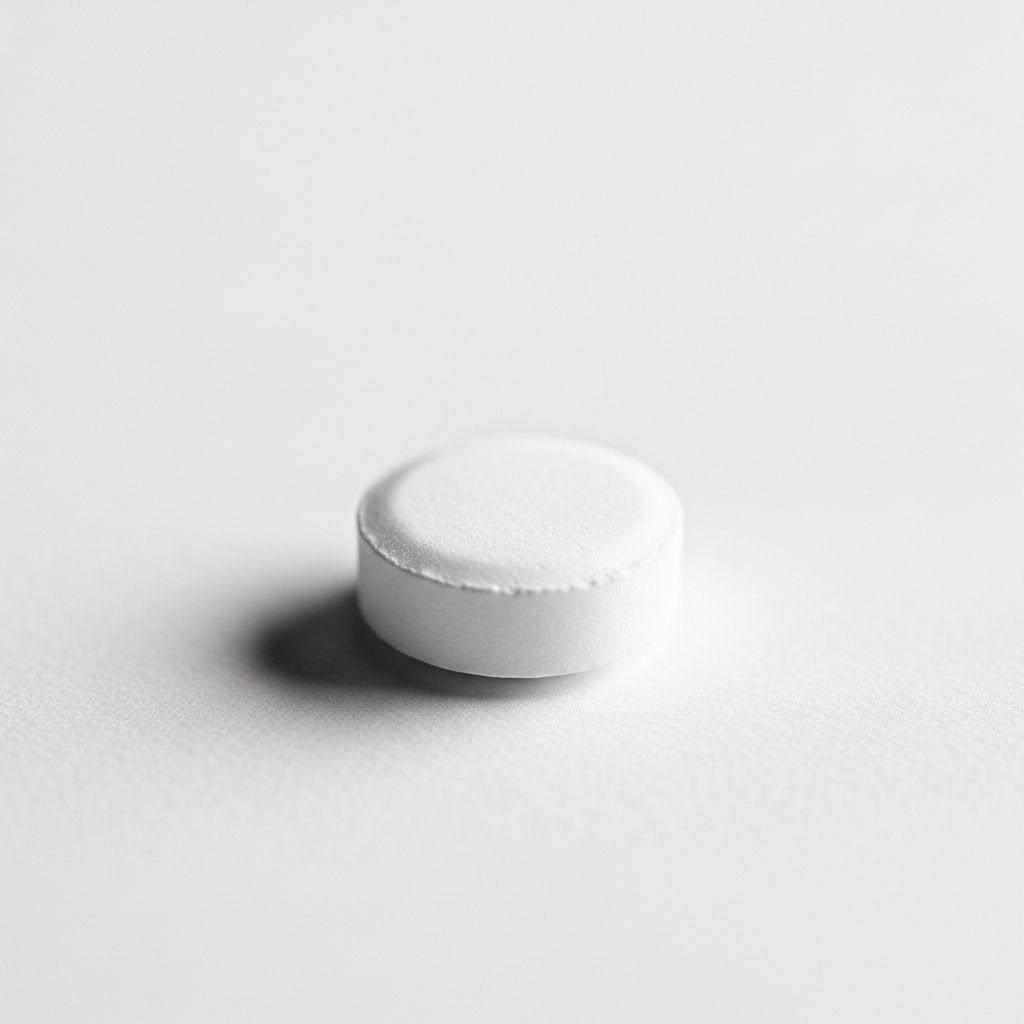
Iodine tablets serve as a concentrated source of this vital mineral, primarily supporting thyroid hormone production while offering protection in specific emergencies. These supplements address deficiencies that can impair metabolism, growth, and cognitive development across all life stages.
The Critical Role of Iodine in Human Physiology
Iodine is an indispensable trace element required for synthesizing thyroid hormones thyroxine (T4) and triiodothyronine (T3). These hormones regulate numerous bodily processes, including metabolic rate, heart function, digestion, muscle activity, skin integrity, and bone maintenance. Without adequate iodine, the thyroid gland struggles, potentially leading to hypothyroidism, characterized by fatigue, weight gain, joint discomfort, and reproductive challenges.
Soil iodine levels vary globally, influencing food content and regional deficiency risks. In areas with low soil iodine, such as certain inland regions, populations rely on iodized salt or supplements to meet needs.
Primary Health Benefits of Iodine Supplementation
Beyond basic thyroid support, iodine tablets provide targeted benefits supported by clinical evidence.
- Thyroid Protection and Goiter Prevention: Sufficient iodine prevents thyroid enlargement (goiter), a common sign of deficiency. It maintains gland size and function, reducing hypothyroidism risks.
- Pregnancy and Fetal Brain Development: Pregnant individuals require elevated iodine to support fetal neural growth. Deficiency links to lower infant IQ and developmental delays.
- Childhood Cognitive Enhancement: Studies show iodine supplementation in deficient children improves perceptual reasoning and overall cognition. A New Zealand trial found 150 mcg daily for 28 weeks boosted urinary iodine levels and cognitive scores.
- Fibrocystic Breast Condition Relief: Molecular iodine doses of 3,000–6,000 mcg daily reduced breast pain, tenderness, and nodularity in women with fibrosis, outperforming lower doses or placebo.
- Topical Antimicrobial Action: Povidone-iodine formulations disinfect wounds, cuts, and surgical sites by eliminating bacteria without hindering healing.
Iodine in Cancer Management and Prevention
Iodine plays nuanced roles in oncology, particularly thyroid-related.
Radioactive iodine (RAI) therapy targets thyroid cancer post-surgery by exploiting the gland’s iodine uptake to destroy residual malignant cells. It’s effective for cancers that have metastasized. For radiation emergencies, stable potassium iodide tablets saturate the thyroid, blocking radioactive iodine absorption and slashing cancer risk.
Observational data suggest dietary iodine adequacy may lower stomach cancer odds, though causation remains unproven. Preliminary breast cancer studies indicate supplemental iodine might ease treatment side effects, but it does not cure the disease independently.
Recognizing and Addressing Iodine Deficiency
Deficiency symptoms emerge gradually: fatigue, hair loss, dry skin, cold intolerance, and cognitive fog in adults; stunted growth and intellectual impairment in children. Pregnant deficiency heightens irreversible fetal harm risks.
| Population Group | Common Deficiency Signs | High-Risk Factors |
|---|---|---|
| Adults | Fatigue, weight gain, depression | Low-iodine diets, veganism |
| Pregnant Women | Miscarriage risk, anemia | Inadequate prenatal intake |
| Children | Developmental delays, poor school performance | Non-iodized salt use |
| Elderly | Hypothyroidism, goiter | Reduced dairy/seafood consumption |
Diagnosis involves urinary iodine tests; levels below 100 mcg/L indicate insufficiency.
Safe Dosage Guidelines for Iodine Tablets
Recommended Dietary Allowances (RDAs) vary by age and status:
- Adults: 150 mcg/day
- Pregnant: 220 mcg/day
- Lactating: 290 mcg/day
- Children (1–8 years): 90–120 mcg/day
For fibrocystic breast relief, trials used up to 6,000 mcg short-term under supervision. Emergency nuclear doses: 16–130 mg potassium iodide (age-dependent), taken only on authority instruction. Exceeding 1,100 mcg daily risks toxicity; consult providers before supplementing.
Related Stories



Dietary Sources to Complement Tablets
Most needs met via food in iodine-sufficient regions:
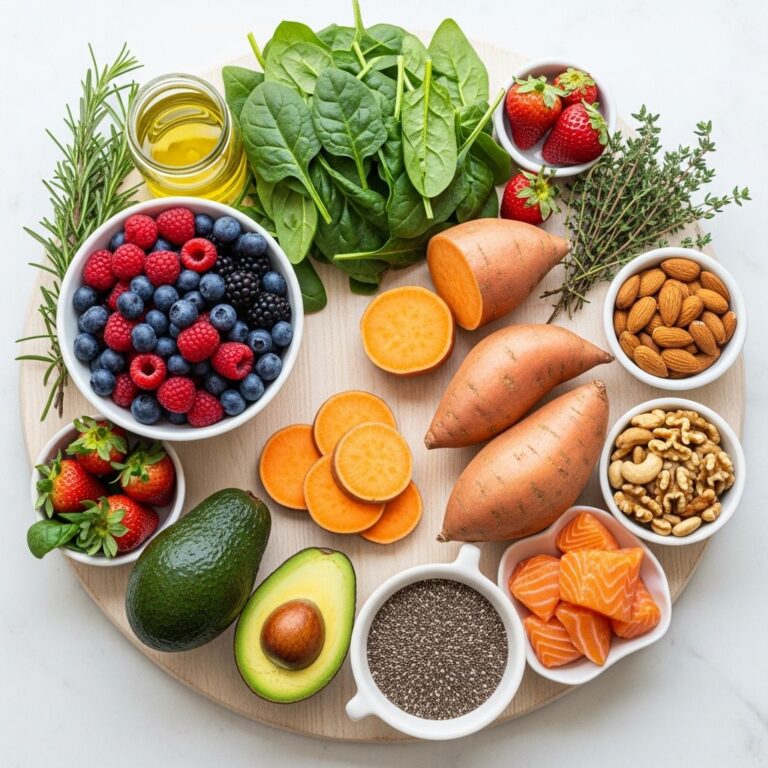
- Seafood (cod, shrimp): 99–186 mcg/3 oz
- Dairy (milk, yogurt): 56–85 mcg/cup
- Iodized salt: 45 mcg/tsp
- Eggs, seaweed: Variable high amounts
U.S. intake largely from iodized salt and milk; vegans may need monitoring.
Potential Risks and Side Effects
Excess iodine triggers hyperthyroidism, acne, gastrointestinal upset, or metallic taste. Those with thyroid conditions risk autoimmune flares. Interactions include blood pressure meds (e.g., lisinopril) causing hyperkalemia. Avoid in iodine-induced goiter cases or pre-RAI therapy low-iodine diets.
Special Considerations for Vulnerable Groups
Pregnancy and Breastfeeding
Increased demands necessitate 220–290 mcg daily; prenatal vitamins often include iodine. Deficiency causes lifelong child deficits.
Nuclear or Radiation Events
Tablets protect solely against radioactive iodine; store at home for rapid access per official alerts. Not for routine use.
Pre-Treatment Preparations
Low-iodine diets precede RAI to enhance uptake efficacy.
Frequently Asked Questions (FAQs)
What are iodine tablets primarily used for?
They support thyroid function, prevent deficiency-related issues, and block radioactive iodine in emergencies.
Can iodine tablets help with weight loss?
By optimizing thyroid hormones, they indirectly aid metabolism, but not as standalone weight loss agents.
Is it safe to take iodine tablets daily?
Yes, at RDA levels for deficient individuals; excess poses risks. Medical advice essential.
How quickly do iodine tablets work in emergencies?
They must precede or coincide with exposure; post-exposure efficacy drops.
Who should avoid iodine supplements?
Those with hyperthyroidism, allergies, or on conflicting meds; consult professionals.
Practical Tips for Optimal Iodine Management
Opt for third-party tested tablets. Combine with balanced diet. Regular thyroid screenings aid early detection. In iodine-poor areas, public health iodization programs mitigate widespread risks.
References
- Iodine: Health Benefits, Potential Risks, Dosage, and More — WebMD. 2023. https://www.webmd.com/diet/health-benefits-iodine
- 5 Health Benefits of Iodine — Cleveland Clinic. 2023-10-03. https://health.clevelandclinic.org/benefits-of-iodine
- Iodine – Health Professional Fact Sheet — Office of Dietary Supplements, NIH. 2024-02-12. https://ods.od.nih.gov/factsheets/Iodine-HealthProfessional/
- Taking iodine tablets in the event of a nuclear accident — Norwegian Directorate for Radiation Protection and Nuclear Safety. 2024. https://www.dsa.no/en/preparedness/taking-iodine-tablets-in-the-event-of-a-nuclear-accident
- Iodine – health benefits and how much you need — healthdirect.gov.au. 2024. https://www.healthdirect.gov.au/iodine
- Iodine — The Nutrition Source, Harvard T.H. Chan School of Public Health. 2024. https://nutritionsource.hsph.harvard.edu/iodine/
Similar Articles








Read full bio of Sneha Tete