Ipilimumab: 5 Key Indications, Side Effects & Dosing Regimens
Understanding ipilimumab: immunotherapy for melanoma, its uses, mechanism, side effects, and dermatological management.
Ipilimumab
Ipilimumab, marketed as Yervoy, represents a breakthrough in cancer immunotherapy, specifically targeting advanced melanoma through CTLA-4 inhibition to unleash the immune system’s anti-tumor response.
What is ipilimumab?
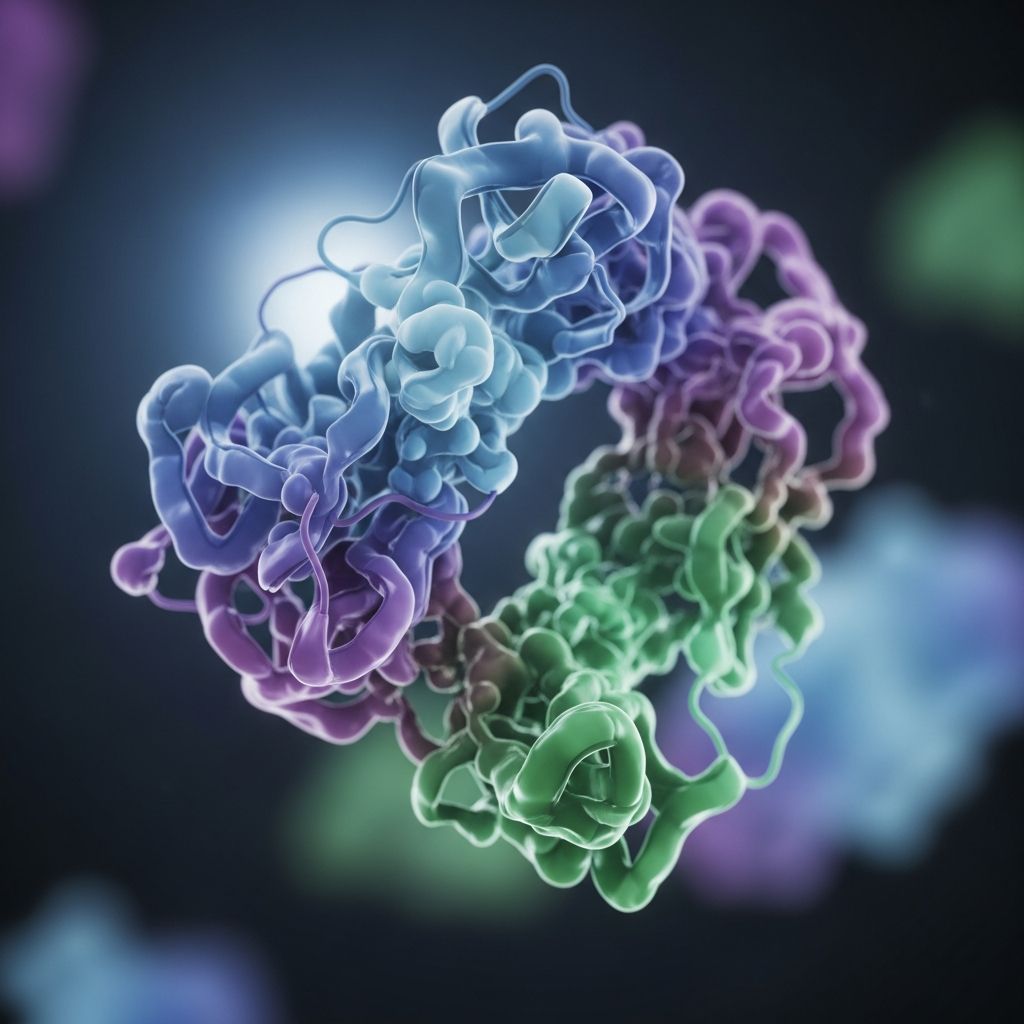
Ipilimumab is a fully human monoclonal antibody that acts as a checkpoint inhibitor by binding to cytotoxic T-lymphocyte-associated antigen 4 (CTLA-4) on T cells. CTLA-4 is a key negative regulator of T-cell activation and proliferation. By blocking CTLA-4’s interaction with its ligands CD80 and CD86, ipilimumab enhances T-cell activation, proliferation, and anti-tumor immune responses, indirectly combating melanoma cells throughout the body.
Developed by Bristol-Myers Squibb, ipilimumab was the first agent in its class to demonstrate significant overall survival benefits in metastatic melanoma patients, marking a paradigm shift from traditional chemotherapy to immunotherapy. Its mechanism is indirect, relying on augmented T-cell mediated cytotoxicity against cancer cells rather than direct tumor cell killing.
Who gets ipilimumab?
Ipilimumab is primarily indicated for patients with melanoma, the deadliest form of skin cancer. Key approvals include:
- Unresectable or metastatic melanoma in adults, as monotherapy or in combination with nivolumab (Opdivo).
- Adjuvant therapy to prevent melanoma recurrence after surgical resection of melanoma in the skin and lymph nodes.
- First-line treatment for adults with intermediate or poor risk advanced renal cell carcinoma in combination with nivolumab.
- Non-small cell lung cancer (NSCLC) as first-line treatment in adults with specific PD-L1 expressions when combined with nivolumab.
- Pediatric patients aged 12 years and older with unresectable or metastatic melanoma.
Initial FDA approval occurred in 2011 for previously treated unresectable or metastatic melanoma at 3 mg/kg, based on phase III trials showing survival prolongation. Expanded indications followed, reflecting its efficacy across melanoma stages and combinations.
What does ipilimumab treat?
Ipilimumab treats advanced malignancies where immune evasion plays a role, with strongest evidence in melanoma:
- Metastatic Melanoma: Shrinks tumors and extends survival in inoperable or spread cases. Phase III trials showed a 32% reduction in death risk versus controls (HR 0.68).
- Adjuvant Melanoma: Prevents relapse post-surgery.
- Other Cancers: Renal cell carcinoma and NSCLC in combinations, leveraging T-cell activation against solid tumors.
In melanoma, response rates reach 10.9% with durable responses in responders, assessed at weeks 12 and 24 post-induction.
How is ipilimumab given?
Ipilimumab is administered via intravenous infusion. Standard regimens include:
- Monotherapy for Metastatic Melanoma: 3 mg/kg every 3 weeks for 4 doses (induction), followed by maintenance if benefiting.
- Combination with Nivolumab: 1 mg/kg every 3 weeks for 4 doses, then every 6 weeks.
- Adjuvant Therapy: 10 mg/kg every 3 weeks for 4 doses, then every 12 weeks up to 3 years.
Infusions last 90 minutes, with tumor assessments at weeks 12, 24, and every 3 months thereafter. Between 57-64% of patients complete all induction doses. Premedication is not typically required, but monitoring for immune-related adverse events (irAEs) is essential before each dose.
Dermatological use of ipilimumab
As a systemic immunotherapy, ipilimumab frequently induces dermatologic toxicities due to enhanced immune activation in the skin, affecting up to 24-31% of patients. These are immune-related adverse events (irAEs) manifesting as inflammatory skin conditions.
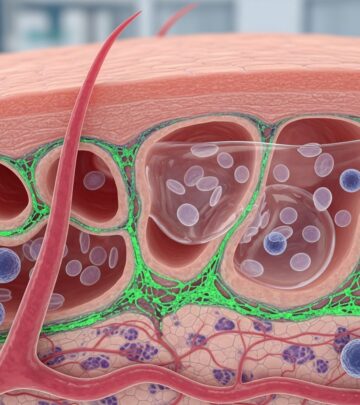
Common presentations include maculopapular rash (24% all-grade, 2% high-grade), pruritus (31%), and vitiligo (2-4%). Histology shows epidermal spongiosis, papillary dermal edema, and perivascular lymphocytic infiltrates with eosinophils. These are often self-limited but can persist weeks to months and are not dose-dependent.
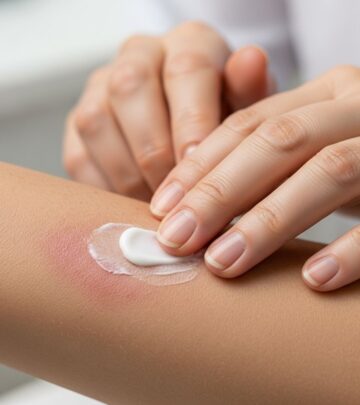
Ipilimumab-induced rash
Rash typically appears as a diffuse maculopapular eruption with pruritus. Graded by CTCAE criteria:
| Grade | Description | Incidence |
|---|---|---|
| 1-2 | <10% body surface area (BSA), mild | ~24% |
| 3 | >30% BSA, severe symptoms | ~2% |
| 4 | Life-threatening, >90% BSA | Rare |
Rash management: Topical corticosteroids for grades 1-2; hold ipilimumab and use oral prednisone 1 mg/kg for grade 3; higher doses (1-2 mg/kg) and discontinuation for grade 4.
Pruritus
Itch occurs in 31% of patients, linked to rash, xerosis, or direct immune activation. Management includes:
- Alcohol-free emollients for moisturization.
- Cold compresses, oatmeal baths, topical steroids.
- Antihistamines: nonsedating (loratadine, cetirizine) daytime; sedating (diphenhydramine, hydroxyzine) nighttime.
Vitiligo
Depigmentation affects 2-4%, often irreversible and patchy or widespread, reflecting autoimmune melanocyte destruction—a potential biomarker of response. No specific treatment; sun protection is crucial: SPF 30+ sunscreen every 2 hours, protective clothing, avoid peak sun (10 AM-4 PM).
Adverse reactions to ipilimumab
Ipilimumab’s immune activation causes irAEs across organ systems, with skin most common (24-44%). FDA highlights fatigue, diarrhea, rash, endocrinopathies, colitis.
- Skin: Rash, pruritus, vitiligo.
- GI: Enterocolitis (up to 30%), assess before doses.
- Hepatic: Hepatitis, monitor LFTs.
- Endocrine: Hypophysitis, thyroiditis.
- Other: Neuropathies, uveitis; severe cases require high-dose corticosteroids and permanent discontinuation.
Monitor baseline and pre-dose: LFTs, thyroid, clinical signs of irAEs.
What does ipilimumab look like (pictures)?
Images typically depict erythematous maculopapular rashes on trunk/extremities, excoriated pruritic lesions, and hypopigmented vitiliginous patches on sun-exposed areas. (Descriptions based on clinical reports; actual images show diffuse red papules coalescing into plaques with scale.)
Further reading and references
For deeper insights, consult NCI, FDA labels, and peer-reviewed trials on ipilimumab’s evolving role in immuno-oncology.
Frequently Asked Questions
What is ipilimumab used for?
Primarily for unresectable/metastatic melanoma, adjuvant melanoma, and combinations in renal cell carcinoma/NSCLC.
How does ipilimumab work?
Blocks CTLA-4 to augment T-cell anti-tumor activity.
What are common side effects of ipilimumab?
Skin rash (24%), pruritus (31%), fatigue, diarrhea, colitis.
How is ipilimumab-induced rash managed?
Topical steroids for mild; oral prednisone and hold drug for severe.
Is vitiligo from ipilimumab reversible?
Often irreversible; focus on sun protection.
Who should not take ipilimumab?
Those with active autoimmune disease or severe irAE history; monitor closely.
References
- How to Recognize and Manage Ipilimumab-Induced Dermatologic Adverse Events — The ASCO Post. 2013-10-15. https://ascopost.com/issues/october-15-2013/how-to-recognize-and-manage-ipilimumab-induced-dermatologic-adverse-events/
- Ipilimumab Injection: MedlinePlus Drug Information — MedlinePlus (NIH). 2023. https://medlineplus.gov/druginfo/meds/a611023.html
- FDA Approves YERVOY (ipilimumab) — Bristol-Myers Squibb News. 2011-03-25. https://news.bms.com/news/details/2011/FDA-Approves-YERVOY-ipilimumab-for-the-Treatment-of-Patients-with-Newly-Diagnosed-or-Previously-Treated-Unresectable-or-Metastatic-Melanoma-the-Deadliest-Form-of-Skin-Cancer/default.aspx
- Ipilimumab — National Cancer Institute. 2024-01-15. https://www.cancer.gov/about-cancer/treatment/drugs/ipilimumab
- Ipilimumab — DermNet NZ. 2023. https://dermnetnz.org/topics/ipilimumab
- Immunotherapy for Metastatic Melanoma – Ipilimumab, Yervoy — Melanoma Research Alliance. 2023. https://www.curemelanoma.org/patient-eng/melanoma-treatment/options/yervoy-ipilimumab
- Use of ipilimumab in the treatment of melanoma — PMC (NIH). 2013-02-19. https://pmc.ncbi.nlm.nih.gov/articles/PMC3558314/
Similar Articles








Read full bio of medha deb