IRIS 16: Essential Guide To Uveitis Visual Outcomes
Explore the IRIS 16 quality measure for tracking visual acuity outcomes in acute anterior uveitis patients after treatment.
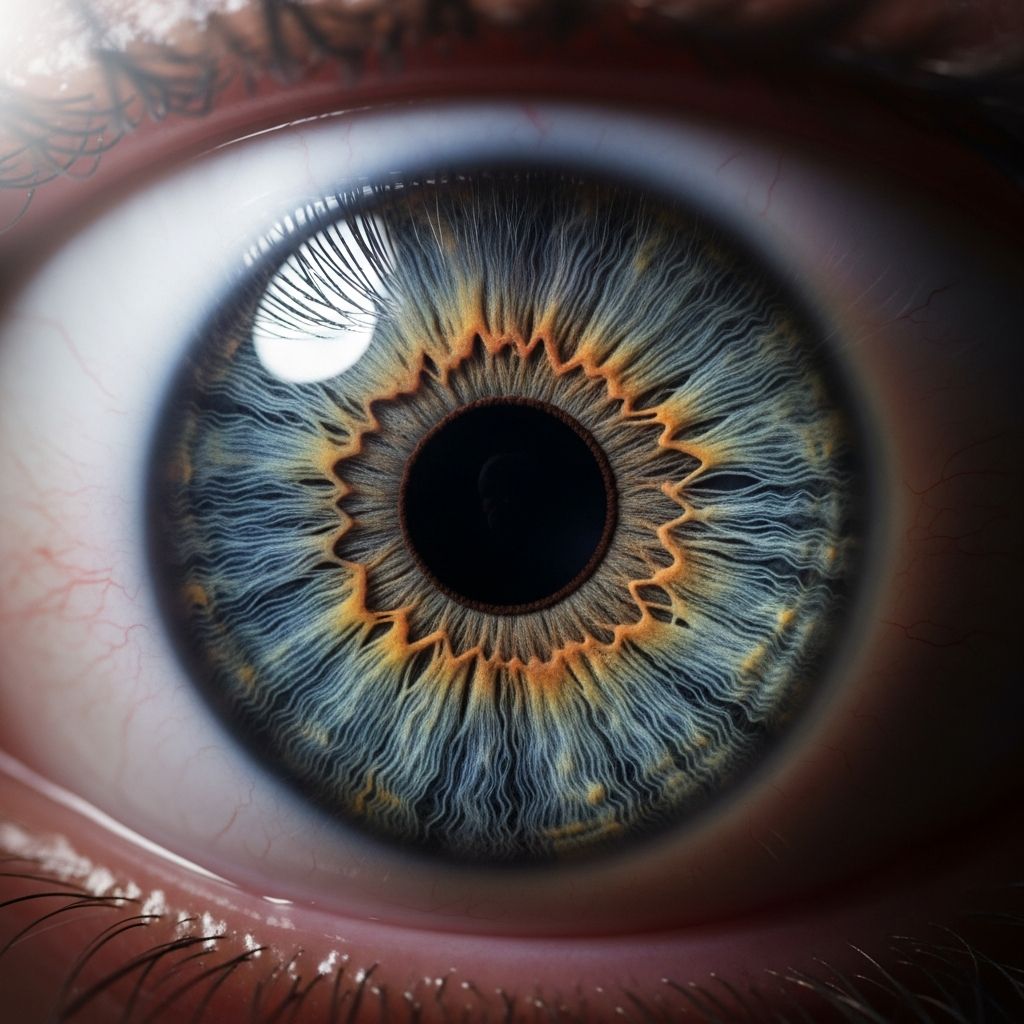
Acute anterior uveitis represents a common inflammatory condition affecting the eye’s front chamber, often requiring prompt intervention to preserve vision. The IRIS 16 measure, part of Medicare’s quality reporting framework, specifically tracks visual acuity results following treatment to ensure optimal patient outcomes. This metric helps clinicians benchmark their performance against national standards, promoting accountability in uveitis management.
Understanding Acute Anterior Uveitis
Anterior uveitis involves inflammation of the iris and ciliary body, leading to symptoms like pain, redness, photophobia, and blurred vision. If untreated, it can cause complications such as synechiae, cataracts, or glaucoma, potentially impairing visual function. Early diagnosis through slit-lamp examination is crucial, revealing anterior chamber cells and flare graded by standardized scales.
The condition may arise idiopathically or link to systemic diseases like spondyloarthritis or infections. A systematic evaluation—including history, ocular exam, and targeted tests—guides therapy selection and monitors response.
The Role of IRIS 16 in Quality Reporting
Developed by the American Academy of Ophthalmology, IRIS 16 focuses on patients diagnosed with acute anterior uveitis, excluding chronic or recurrent cases. It mandates documentation of best-corrected visual acuity (BCVA) at baseline and a follow-up visit within 12 weeks post-initial treatment. Success is defined as maintaining or improving BCVA to 20/40 or better, reflecting effective inflammation control.
This measure aligns with Merit-based Incentive Payment System (MIPS) requirements, influencing reimbursement. Compliance involves electronic health record integration for seamless data capture, reducing administrative burden while enhancing care quality.
Diagnostic Approaches for Optimal Management
Effective treatment begins with precise diagnosis. Key steps include:
- Detailed patient history: Assess onset, duration, laterality, and associated systemic symptoms to identify underlying etiologies.
- Comprehensive ocular exam: Use biomicroscopy to quantify inflammation via SUN grading (cells and flare in anterior chamber).
- Systemic evaluation: Screen for rheumatologic or infectious causes when indicated, such as HLA-B27 testing for spondyloarthropathies.
- Lab and imaging: Order serologies or OCT for macular involvement if posterior segment signs emerge.
These elements ensure tailored therapy, directly impacting IRIS 16 outcomes by addressing root causes early.
Primary Treatment Strategies
Corticosteroids remain the cornerstone for acute anterior uveitis, rapidly suppressing inflammation.
| Severity Level | Recommended Topical Steroid | Dosing Frequency |
|---|---|---|
| Mild | Dexamethasone or Betamethasone | QID to Q6H |
| Moderate-Severe | Prednisolone acetate 1% | Q1-2H initially, taper per response |
| Equivalent Option | Difluprednate 0.05% | QID |
Cycloplegics complement steroids to relieve ciliary spasm and prevent posterior synechiae. Options vary by duration needed:
| Agent | Duration |
|---|---|
| Tropicamide 1% | 6 hours |
| Cyclopentolate 1% | 24 hours |
| Atropine 1% | Up to 2 weeks |
For mild cases, start with q6H steroids; severe presentations may require loading doses (e.g., q1min x5, then q30min).
Escalation Therapies for Refractory Cases
Related Stories



When topical agents fail, escalate to periocular injections like sub-Tenon’s triamcinolone or dexamethasone for sustained release, ideal for unilateral disease.
Systemic corticosteroids suit bilateral or posterior involvement:
- Initiate high-dose prednisone (e.g., 1mg/kg), taper based on response.
- Follow guidelines: sufficient dose early, suppress until quiescence.
| Prednisone Dose (mg/day) | Rapid Taper (mg/day) | Standard Taper (mg/day) | Interval |
|---|---|---|---|
| 60-30 | 10 | – | 2 days / Weekly |
| 30-15 | 5 | – | 2 days / Weekly |
| 15-7.5 | 2.5 | – | 2 days / Weekly |
| <7.5 | 2.5-1 | – | 2-7 days / Weekly-Monthly |
Sustained-release implants (dexamethasone or fluocinolone) are recommended for severe, non-infectious cases refractory to injections.
Immunomodulators and Biologics
For recurrent uveitis, especially with spondyloarthritis, sulfasalazine offers steroid-sparing benefits. Conventional synthetic drugs like methotrexate are favored for moderate-severe non-anterior non-infectious (NANIND) uveitis requiring long-term control.
Biologics shine in resistant scenarios: Adalimumab (TNF-α inhibitor) is strongly recommended for severe uveitis or uveitic macular edema. Evidence supports its efficacy in preserving vision.
Monitoring and Follow-Up Protocols
Post-treatment surveillance is pivotal for IRIS 16 compliance. Suggested timelines:
- Trace to 2+ cells: Review at 1 week.
- Severe inflammation: Daily until improvement, then weekly.
- IRIS 16 follow-up: Within 12 weeks to assess BCVA.
Monitor intraocular pressure (IOP), as steroids can elevate it; use topical antihypertensives if needed. OCT tracks macular edema resolution.
Challenges in Achieving Favorable Outcomes
Steroid responders risk IOP spikes, necessitating alternatives like NSAIDs (e.g., flurbiprofen) or rimexolone. Non-responders may require biologics promptly to avoid vision loss. Patient adherence to frequent dosing poses barriers; education enhances compliance.
Comorbidities like diabetes complicate management, demanding multidisciplinary input. IRIS 16 highlights these gaps, incentivizing refined protocols.
Impact on Patient Care and Practice
Adopting IRIS 16 fosters data-driven improvements, identifying high-risk cases for aggressive therapy. It correlates with reduced complications, better visual prognosis, and higher satisfaction. Practices integrating it report streamlined workflows and superior MIPS scores.
For uveitic macular edema, acetazolamide aids mild cases, while adalimumab excels. Avoid unproven agents like rituximab absent strong evidence.
Frequently Asked Questions (FAQs)
What is IRIS 16 exactly?
IRIS 16 measures if BCVA improves to 20/40 or better post-treatment for acute anterior uveitis within 12 weeks.
Who qualifies for this measure?
Patients with new-onset, non-infectious acute anterior uveitis; excludes chronic/recurrent or posterior-dominant cases.
What if visual acuity doesn’t improve?
Escalate therapy (injections, systemic steroids, biologics) and document rationale for quality reporting.
How do cycloplegics fit in?
They prevent synechiae and relieve pain; select based on required duration.
Are biologics first-line?
No, reserve for refractory uveitis after corticosteroids fail.
Implementing IRIS 16 elevates standards, ensuring timely interventions preserve sight in uveitis patients.
References
- Current approach in diagnosis and management of anterior uveitis — de RV Agrawal et al. 2010-01-01. https://pmc.ncbi.nlm.nih.gov/articles/PMC2841369/
- SER recommendations for the treatment of uveitis — Reumatología Clínica. 2023-01-01. https://www.reumatologiaclinica.org/en-ser-recommendations-for-treatment-uveitis-articulo-S2173574323001375
- Treatment of Uveitis — EyeWiki. 2026-02-23. https://eyewiki.org/Treatment_of_Uveitis
- Clinical Guideline Anterior Uveitis — Royal Victoria Eye and Ear Hospital. 2022-06-01. https://www.rveeh.ie/app/uploads/2022/06/Clinical-Guideline-Anterior-Uveitis-Final-2022.pdf
Similar Articles








Read full bio of medha deb