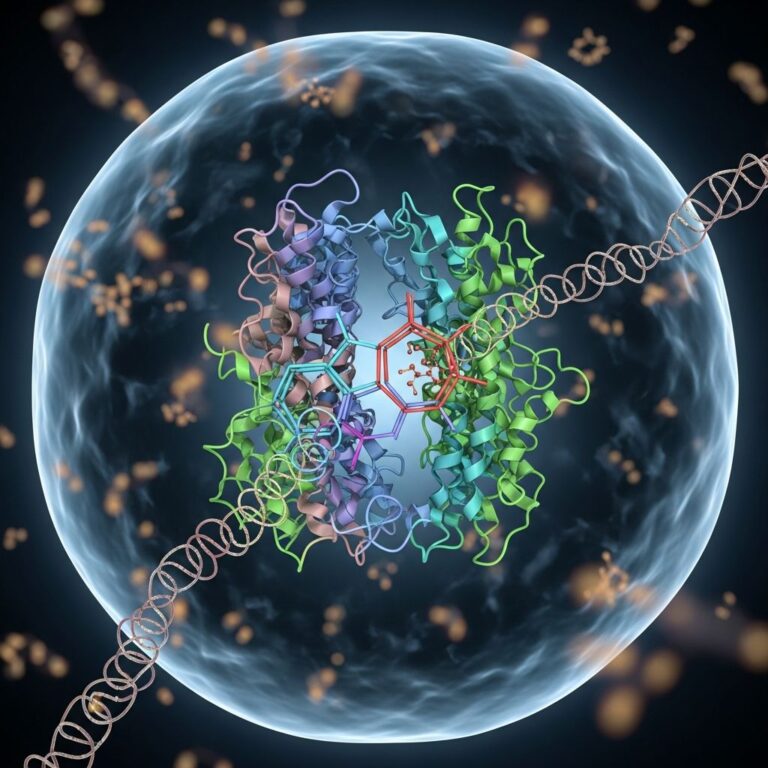
Iris Patterns: Unique Biometrics And Health Insights
Discover how the intricate patterns in your iris make each eye a one-of-a-kind identifier, just like fingerprints.
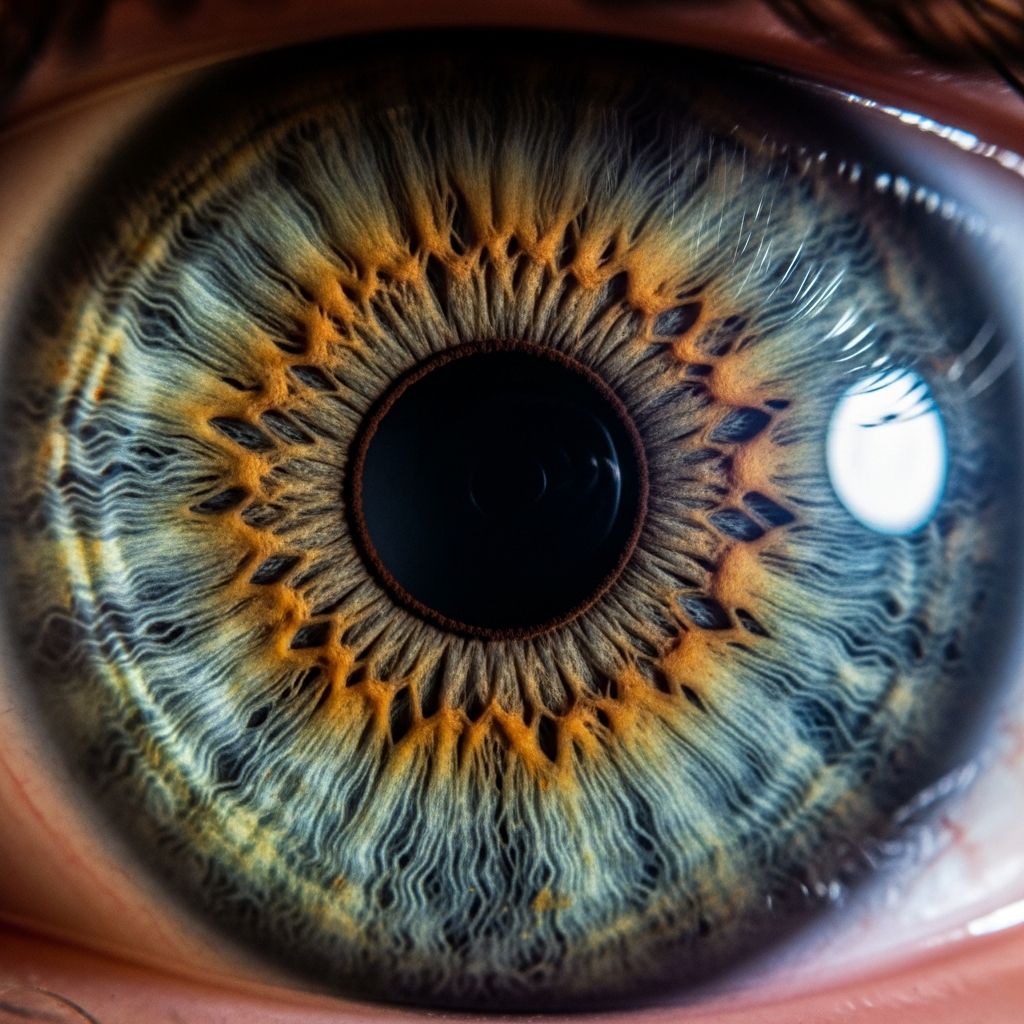
The human iris, that colorful ring surrounding the pupil, holds a secret of unparalleled individuality. Much like fingerprints, the intricate patterns formed by its ridges, furrows, and crypts create a signature unique to each person. This natural barcode offers insights into genetics, health, and even security technology.
The Anatomy of the Iris
The iris functions as the eye’s adjustable aperture, controlling light entry through pupil dilation and constriction. Composed of connective tissue, muscle fibers, and pigment cells, it develops early in fetal life around the third month of gestation. These embryonic tissues fold and stretch, forming a complex network of arches, loops, and freckle-like spots called crypts.
Unlike the uniform iris color often noticed first, the structural details—collarette (central ridge), pupillary zone, and ciliary zone—vary dramatically. No two irises share identical configurations, even between identical twins, due to minor developmental fluctuations.
Genetic Foundations of Eye Color and Patterns
Eye color arises from melanin distribution in the iris epithelium and stroma. Brown eyes feature high melanin levels, absorbing light for a dark appearance. Blue eyes scatter light due to low anterior melanin and high stromal collagen density, creating a Rayleigh scattering effect akin to the sky.
Genetics orchestrate this pigmentation. The
OCA2
gene on chromosome 15 dominates, encoding P-protein essential for melanosome maturation and melanin production. Variants reducing OCA2 activity yield lighter colors. AdjacentHERC2
gene regulates OCA2 via a key SNP (rs12913832), where the ‘C’ allele promotes blue eyes by limiting OCA2 expression.Over 16 genes contribute, including
TYR
,SLC24A4
,ASIP
, andTYRP1
, influencing melanin pathways and fine-tuning shades like green or hazel. This polygenic inheritance defies simple dominant-recessive models; blue-eyed parents can produce brown-eyed children if combinatorial effects boost melanin.| Gene | Role in Eye Color |
|---|---|
| OCA2 | Controls melanin production in iris cells; key for brown/blue spectrum. |
| HERC2 | Regulates OCA2; mutation linked to blue eyes. |
| SLC24A4 | Differentiates blue from green hues. |
| TYR | Influences melanin synthesis; affects blue/green variations. |
While color genetics are understood, iris crypts and furrows form through chaotic developmental processes, minimally influenced by genes but highly by stochastic events like pupil dilation during formation.
Why Iris Patterns Are Unmatched Identifiers
Iris uniqueness stems from developmental biology. During gestation, neural crest cells migrate to form the iris, interacting with environmental factors in the anterior chamber. Microscopic imperfections amplify into visible macro-patterns, stable post-infancy.
Studies confirm this singularity: probability of two identical irises (excluding identical twins) is 1 in 10^78—one followed by 78 zeros. This dwarfs fingerprints (1 in 10^64). Even monozygotic twins diverge due to intrauterine variations affecting tissue layering.
Pattern stability endures lifelong, resisting age-related changes better than fingerprints, which wear from use. Trauma or surgery may alter portions, but core features persist for recognition.
Related Stories



Biometric Applications in Modern Security
Since the 1990s, iris recognition has revolutionized identification. Pioneered by John Daugman, algorithms encode patterns into 256-byte IrisCodes, comparing via Hamming distance—mismatches under 0.32 indicate a match.
Systems scan via active near-infrared illumination, penetrating cosmetic lenses for true pattern capture. False acceptance rates hover at 1 in 1.2 million, far surpassing fingerprints.
- Airports: Deployed in UAE, India for passenger screening.
- Border Control: EU’s Schengen system verifies millions daily.
- Smartphones: Integrated in devices for secure unlocking.
- Prisons: Tracks inmates without physical contact.
Advantages include non-intrusive scanning from 10cm to infinity, hygiene (no touch), and speed (under 2 seconds).
Health Insights from Iris Examination
Irises reveal systemic conditions via iris signs, though not diagnostic alone. Arcus senilis (lipid ring) signals cardiovascular risk in under-60s. Brushfield spots indicate Down syndrome. Heterochromia (color disparity) links to Waardenburg syndrome or injury.
Rare
aniridia
(absent iris) associates withPAX6
mutations, risking glaucoma. Pigment dispersion may cause glaucoma via iris attrition.Regular exams detect these, emphasizing annual checkups for early intervention.
Myths and Misconceptions Debunked
Common fallacies persist:
- Myth: Eye color follows strict dominance. Reality: Polygenic; predictions probabilistic.
- Myth: Colored contacts fool scanners. Reality: NIR penetrates for pattern read.
- Myth: Patterns change with mood. Reality: Stable post-1 year; dilation temporary.
Future Directions in Iris Research
Genomics advances promise color prediction from DNA swabs, aiding forensics. AI enhances pattern analysis for diseases like melanoma. Implantable lenses preserving patterns expand biometrics to prosthetics.
Privacy concerns rise with databases; regulations like GDPR mandate consent. Balancing security and rights remains key.
Frequently Asked Questions (FAQs)
Are iris patterns truly unique?
Yes, with matching odds 1 in 10^78, exceeding fingerprints.
Can eye color change after birth?
Rarely; infants’ eyes darken as melanin develops. Diseases or drugs may alter.
Do identical twins have matching irises?
No; developmental noise creates differences.
Is iris scanning safe?
Yes; low-energy NIR poses no UV risk, unlike sunlight.
How accurate is iris biometrics?
99.999% for live scans; spoofing requires exact replicas.
Protecting Your Eye’s Unique Signature
To preserve iris integrity:
- Wear UV-protective sunglasses outdoors.
- Avoid eye rubbing to prevent crypt damage.
- Schedule dilated exams yearly.
- Report sudden color shifts promptly.
This natural identifier underscores human diversity, blending beauty, biology, and utility.
References
- Is eye color determined by genetics? — MedlinePlus Genetics (National Library of Medicine). 2023. https://medlineplus.gov/genetics/understanding/traits/eyecolor/
- The Genetics of Eye Color — HudsonAlpha Institute for Biotechnology. 2022-10-12. https://www.hudsonalpha.org/the-genetics-of-eye-color/
- Eye color — Wikipedia (sourced from primary studies). 2024. https://en.wikipedia.org/wiki/Eye_color
- Genetics of human iris colour and patterns — PubMed (Br J Ophthalmol). 2009-07. https://pubmed.ncbi.nlm.nih.gov/19619260/
- Genetics of Eye Color — News-Medical.net. 2023-05-15. https://www.news-medical.net/health/Genetics-of-Eye-Color.aspx
Similar Articles








Read full bio of medha deb