Iron and Vitamin D Deficiencies Linked to Poor Sleep
Discover how iron and vitamin D shortages disrupt sleep in women of reproductive age, backed by recent NHANES research.
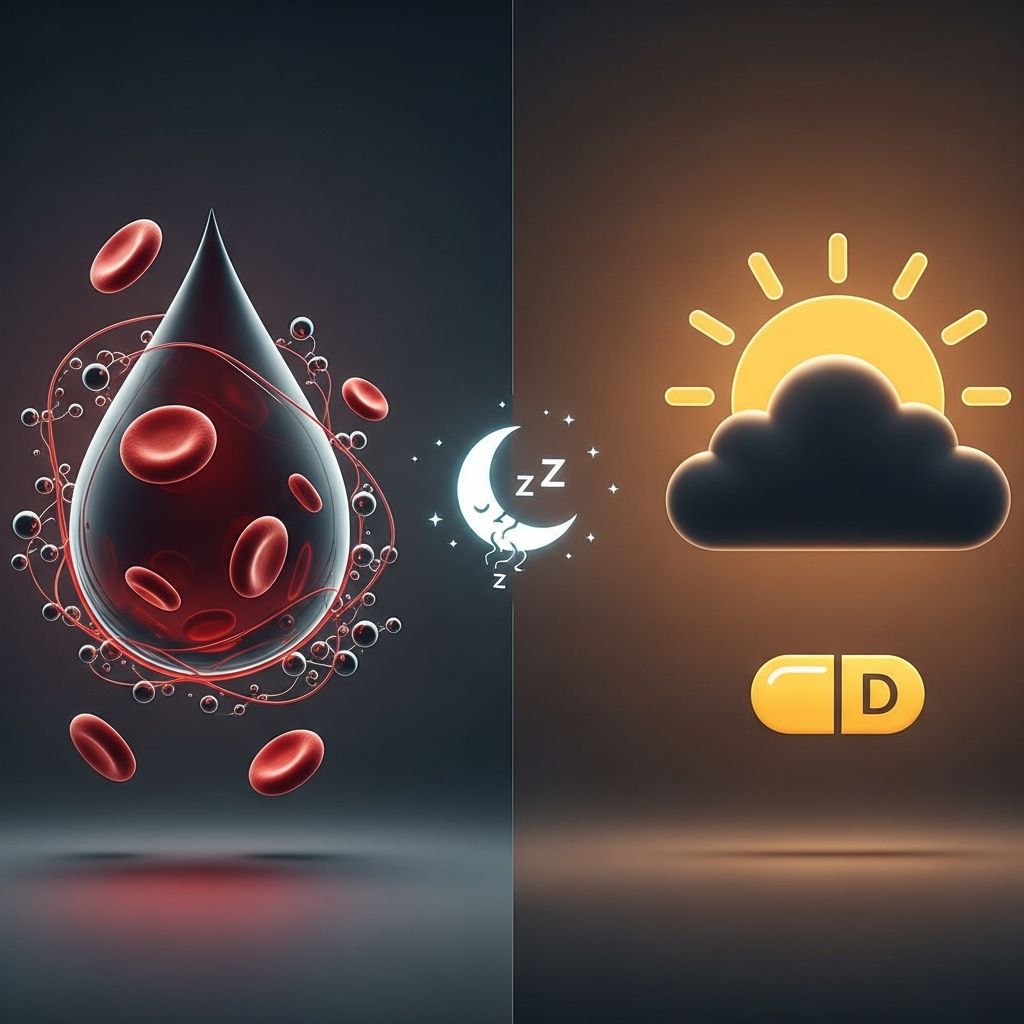
A groundbreaking study from the University of Michigan School of Public Health has uncovered significant connections between nutrient deficiencies and sleep disturbances, particularly among women of reproductive age. Analyzing data from over 9,000 participants in the National Health and Nutrition Examination Survey (NHANES), researchers found that
iron deficiency
andiron deficiency anemia
are strongly tied to poor sleep quality, whilevitamin D deficiency
and inadequacy correlate with shorter sleep duration. These findings underscore the importance of monitoring these nutrients for optimal sleep health, as poor sleep affects more than half of the studied women.What the Research Shows
The study, published in a peer-reviewed journal, utilized self-reported sleep questionnaires to assess duration, latency, and quality. Iron status was determined using the body iron model based on serum ferritin, soluble transferrin receptor, and hemoglobin levels. Vitamin D levels were measured via 25-hydroxyvitamin D concentrations. Key results include:
- 25.9% of women reported short sleep duration (<7 hours).
- 20.2% experienced long sleep latency (>30 minutes to fall asleep).
- Over 50% reported poor sleep quality.
- Iron deficiency raised odds of poor sleep quality by 42% (OR 1.42, 95% CI 1.02-2.00).
- Iron deficiency anemia doubled the odds (OR 2.08, 95% CI 1.29-3.38).
- Vitamin D deficiency increased short sleep odds by 26% (OR 1.26, 95% CI 1.02-1.54).
- Vitamin D inadequacy raised it by 22% (OR 1.22, 95% CI 1.04-1.44).
Women with both deficiencies faced even higher risks, with a significant multiplicative interaction (P=0.0005) for sleep quality, suggesting a synergistic effect. No strong links were found with sleep latency.
Why Iron Deficiency Affects Sleep Quality
Iron is essential for oxygen transport, energy production, and neurotransmitter synthesis, including dopamine, which regulates sleep-wake cycles. Deficiency disrupts these processes, leading to restless legs syndrome (RLS), fragmented sleep, and reduced REM modulation. In reproductive-aged women, menstrual blood loss heightens iron demands, making deficiency common—up to 25-30% prevalence in some populations.
Symptoms of iron deficiency extend beyond fatigue: brain fog, restless sleep, and irritability. The NHANES data confirms that iron deficiency anemia exacerbates these, with hemoglobin drops impairing cerebral oxygenation during sleep. A Turkish study echoed this, finding 68% of iron-deficient patients had sleep impairments per Pittsburgh Sleep Quality Index (PSQI), versus controls.
| Condition | Odds Ratio for Poor Sleep Quality | 95% Confidence Interval |
|---|---|---|
| Iron Deficiency | 1.42 | 1.02-2.00 |
| Iron Deficiency Anemia | 2.08 | 1.29-3.38 |
| Both Deficiencies | Significantly Higher | P=0.0005 interaction |
This table summarizes the heightened risks from the primary NHANES analysis.
Vitamin D’s Role in Sleep Duration
Vitamin D receptors in the hypothalamus influence circadian rhythms and melatonin production. Deficiency, prevalent due to limited sun exposure and dietary sources, shortens sleep by disrupting these pathways. Epidemiological data links optimal vitamin D intake to longer sleep duration and fewer disorders.
In the study, even mild inadequacy (not full deficiency) shortened sleep, emphasizing proactive levels. A meta-analysis confirmed vitamin D-deficient individuals are 1.5 times more likely to have sleep disorders, with ORs of 1.59 for poor quality and 1.74 for short duration. Clinical trials, like one in Tehran, showed 50,000 IU biweekly supplementation improved sleep quality and duration in 8 weeks.
Joint Effects and Synergistic Risks
The most alarming finding: combined iron and vitamin D deficiencies amplify poor sleep quality beyond individual effects. This interaction (P=0.0005) suggests shared pathways, possibly inflammation or dopamine dysregulation. Women with both had substantially higher odds, calling for dual screening.
Reproductive age heightens vulnerability: pregnancy planning, menstruation, and dietary gaps compound risks. Family history of iron issues also correlates with sleep-wake disorders.
Signs You Might Have These Deficiencies
- Iron: Fatigue, pale skin, brittle nails, hair loss, cravings for ice (pica), restless legs, poor concentration.
- Vitamin D: Bone pain, muscle weakness, frequent infections, mood changes, excessive daytime sleepiness.
- Sleep-Related: Difficulty falling/staying asleep, waking unrefreshed, short nights (<7 hours), fragmented rest.
These overlap, making blood tests essential: ferritin >30 ng/mL for iron sufficiency; 25(OH)D >30 ng/mL for vitamin D.
How to Boost Iron and Vitamin D for Better Sleep
Iron-Rich Foods and Tips
- Heme sources: Lean beef, chicken liver, turkey, fish (3 oz salmon: 0.5 mg iron).
- Non-heme: Lentils, spinach, quinoa, fortified cereals; pair with vitamin C (oranges, bell peppers) for absorption.
- Avoid inhibitors: Tea/coffee near meals; calcium blocks uptake.
- Supplements: If deficient, ferrous sulfate 18-65 mg elemental iron daily, with doctor guidance to avoid overload.
Vitamin D Sources
- Sun: 10-30 minutes midday exposure, 3x/week (skin type dependent).
- Foods: Fatty fish (salmon 570 IU/3 oz), egg yolks, fortified milk/orange juice.
- Supplements: 600-2000 IU D3 daily; higher for deficiency under medical supervision.
Lifestyle: Consistent sleep hygiene—dark room, 7-9 hours, no screens pre-bed—amplifies benefits.
Who’s at Risk?
Reproductive-aged women (20-49), especially vegetarians, heavy menstruators, limited sun exposure, or dark-skinned. NHANES showed 25.9% short sleep baseline, worsened by deficiencies. Broader implications: chronic poor sleep links to obesity, diabetes, heart disease.
Frequently Asked Questions (FAQs)
Can iron supplements improve my sleep?
Yes, if deficient. Studies show correcting iron resolves RLS and boosts quality, but test first—excess harms.
Is vitamin D deficiency causing my short sleep?
Possibly; NHANES links it directly (OR 1.26). Supplement after bloodwork.
How long to see sleep improvements?
Weeks to months: 8 weeks for vitamin D trials; iron repletion 1-3 months.
Should I get tested?
Consult a doctor if symptoms persist; simple blood panel confirms.
Are foods enough, or need supplements?
Diet first; supplements for confirmed deficiency to target sleep benefits.
Broader Implications for Health
Poor sleep from deficiencies cascades: heightens pain sensitivity (negative correlation in studies), inflammation (IL-6 rise), and chronic disease risk. Prioritizing nutrition supports holistic wellness, especially for women planning families.
Consult healthcare providers before changes; personalized plans yield best results. This research spotlights nutrition’s pivotal role in sleep science.
References
- Iron, Vitamin D Deficiency May Contribute to Poor Sleep Health in Reproductive-Aged Women — HCPLive. 2023-11-28. https://www.hcplive.com/view/iron-vitamin-d-deficiency-may-contribute-to-poor-sleep-health-in-reproductive-aged-women
- Iron Deficiency and Vitamin D Deficiency Are Associated with Sleep Health Outcomes in Females of Reproductive Age — PubMed (J Nutr). 2023-11-24. https://pubmed.ncbi.nlm.nih.gov/38042351/
- The Association of Self-Reported Iron and Vitamin D Levels on Sleep Quality, Pain, and Daylight Exposure — Dove Press (RMHP). 2023. https://www.dovepress.com/the-association-of-self-reported-iron-and-vitamin-d-levels-on-sleep-qu-peer-reviewed-fulltext-article-RMHP
- Evidence Links Iron Deficiency to Sleep-Wake Disorders — BCCHR. N/A. https://www.bcchr.ca/news/evidence-links-iron-deficiency-sleep-wake-disorders
- Micronutrients and Midnight: The Diet–Sleep Link — Oxford Academic (Sleep). 2025. https://academic.oup.com/sleep/article/48/8/zsaf143/8154064
Similar Articles


Read full bio of medha deb