9 Iron Benefits That Go Beyond Fighting Anemia
Discover the essential health benefits of iron, from boosting energy and immunity to supporting brain health and athletic performance.
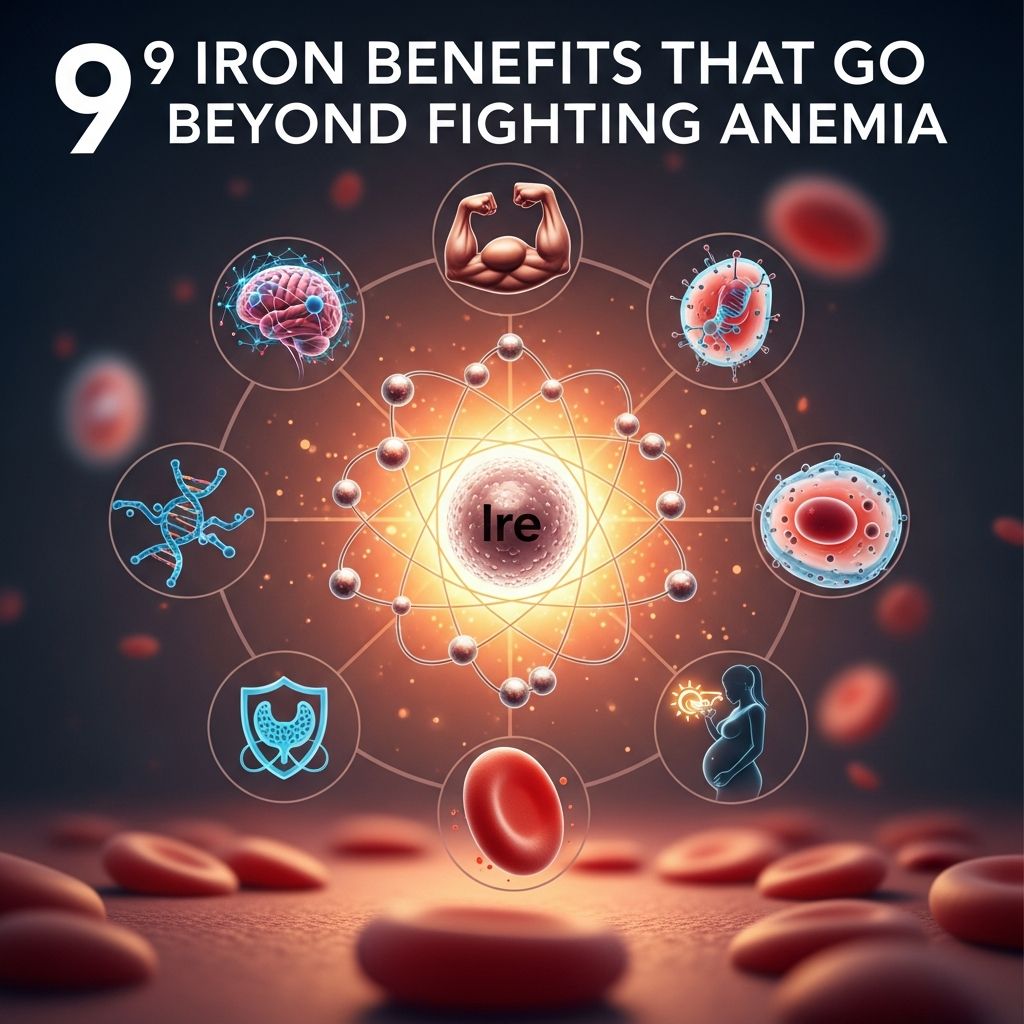
Iron is an essential mineral that plays a critical role in oxygen transport throughout the body via hemoglobin in red blood cells. Beyond preventing anemia, iron supports energy levels, immune function, brain health, muscle performance, and more, making it vital for overall well-being.
What Is Iron?
Iron is a mineral necessary for growth, development, and various bodily functions. The body uses iron primarily to produce hemoglobin, the protein in red blood cells that carries oxygen from the lungs to tissues. Iron is also a component of myoglobin, which provides oxygen to muscles, and is involved in cellular functioning, physical growth, neurological development, and hormone synthesis.
Dietary iron exists in two forms: heme iron from animal sources, which is more easily absorbed, and non-heme iron from plants and fortified foods. The body absorbs only a small fraction of dietary iron, typically 1-10 mg per day, depending on needs and dietary factors.
9 Health Benefits of Iron
Iron deficiency affects millions worldwide, leading to fatigue and impaired function, but adequate intake yields multiple benefits. Here are nine key evidence-based advantages.
1. Helps Produce Hemoglobin and Carry Oxygen
Hemoglobin, made possible by iron, transports oxygen from lungs to organs and tissues. Without sufficient iron, oxygen delivery falters, causing fatigue and weakness. Iron deficiency anemia (IDA) impairs this process, affecting up to 10 million Americans.
2. Prevents Iron Deficiency Anemia
IDA occurs when iron stores deplete, halting normal red blood cell production. Symptoms include fatigue, pale skin, shortness of breath, and cognitive issues. Pregnant women, children, and athletes are at high risk; supplementation reduces anemia risk by 70% in pregnancy.
3. Boosts Energy Levels
Iron enables efficient energy use by delivering oxygen to muscles and brain. Low iron causes poor focus, irritability, and reduced stamina, as the body struggles with oxygen transport during activity.
4. Supports Healthy Brain Function and Development
Iron is essential for neurological development and cognitive function. Deficiency impairs concentration, memory, and may elevate lead absorption risks, increasing neurotoxicity. In children, it supports growth and prevents developmental delays.
5. Strengthens the Immune System
Iron bolsters immune responses; deficiency weakens immunity, increasing infection susceptibility. Athletes with low iron show reduced immune activity.
6. Improves Athletic Performance
Endurance athletes, especially females, often lack iron, reducing oxygen delivery to muscles and performance. Supplementation restores hemoglobin faster post-donation and enhances exertion capacity.
7. Aids Muscle Metabolism
Via myoglobin, iron supplies oxygen to muscles during metabolism and supports connective tissue health. Deficiency leads to weakness and poor recovery.
8. Supports Pregnancy and Fetal Development
Pregnancy demands extra iron; deficiency risks preterm birth, low birth weight, and infant anemia. Daily 9-90 mg supplements cut maternal anemia by 70% and low birth weight by ~2%.
9. Regulates Body Temperature and GI Function
Iron maintains body temperature and aids gastrointestinal processes. Deficiency disrupts these, causing additional fatigue and digestive issues.
How Much Iron Do You Need?
Recommended Dietary Allowances (RDAs) vary by age, sex, and life stage. Adult men need 8 mg/day; women 19-50 years require 18 mg due to menstruation; pregnant women 27 mg; lactating 9-10 mg. Children and teens have tailored needs, e.g., 7-15 mg.
Related Stories



| Age/Group | RDA (mg/day) |
|---|---|
| Children 1-3 years | 7 |
| Children 4-8 years | 10 |
| Males 9-13 years | 8 |
| Females 9-13 years | 8 |
| Males 14-18 years | 11 |
| Females 14-18 years | 15 |
| Males 19+ years | 8 |
| Females 19-50 years | 18 |
| Pregnant women | 27 |
| Lactating women | 9-10 |
Most obtain enough from diet, but high-risk groups may need supplements.
Best Sources of Iron
Heme iron (15-35% absorption): Beef liver, clams, oysters, poultry, fish.
Non-heme iron (2-20% absorption): Fortified cereals, beans, lentils, spinach, tofu, nuts.
- Canned clams: 23.7 mg per 3 oz
- Fortified cereals: Up to 18 mg per serving
- White beans: 8.0 mg per cup cooked
- Beef liver: 5.0 mg per 3 oz
- Spinach: 2.7 mg per ½ cup boiled
Pair non-heme with vitamin C for better absorption.
Signs and Symptoms of Iron Deficiency
- Fatigue and weakness
- Pale skin
- Shortness of breath
- Heart palpitations
- Cold hands/feet
- Headaches, dizziness
- Brittle nails, hair loss
- Pica (craving non-foods)
- Restless legs
Progresses from depleted stores to IDA; affects women, children, pregnant individuals most.
Risks of Too Much Iron
Healthy adults rarely overload from food, but supplements can cause nausea, constipation, GI distress. Genetic hemochromatosis risks organ damage, diabetes, cancer. High levels link to osteoarthritis, neurological diseases.
Who Is at Risk for Iron Deficiency?
- Women with heavy periods
- Pregnant/breastfeeding women
- Vegetarians/vegans
- Frequent blood donors
- Athletes (esp. female endurance)
- Infants, young children
- People with GI disorders
Rates rise in pregnancy: 6.9-29.7% by trimester.
Iron Supplements: What to Know
Used for deficiency (60-120 mg elemental iron/day). Forms: ferrous sulfate, gluconate. Take on empty stomach with vitamin C; avoid with calcium, tea. Blood donation recovery speeds with 37.5 mg/day. Consult doctor to avoid overload.
Improve Iron Absorption
- Enhancers: Vitamin C (citrus, peppers), meat/fish/poultry.
- Inhibitors (limit): Calcium, phytates (grains), polyphenols (tea/coffee), oxalates (spinach raw).
- Cook in cast iron; avoid excess fiber/soy with iron-rich meals.
Balanced diet optimizes uptake.
Frequently Asked Questions (FAQs)
Who needs more iron?
Pregnant women (27 mg/day), menstruating women (18 mg), vegetarians, athletes, children.
Can you get iron from plants?
Yes, via beans, lentils, fortified foods, but pair with vitamin C for absorption.
Does coffee block iron?
Yes, polyphenols inhibit non-heme iron; drink separately from meals.
Is iron good for hair?
Deficiency causes hair loss; correcting it helps restore growth.
How long for iron supplements to work?
Improves stores in weeks; full hemoglobin recovery in months.
References
- Iron: Recommended intake, benefits, and food sources — Medical News Today. 2023-11-01. https://www.medicalnewstoday.com/articles/287228
- Iron – Health Professional Fact Sheet — Office of Dietary Supplements, NIH. 2024-08-06. https://ods.od.nih.gov/factsheets/Iron-HealthProfessional/
- Iron — MedlinePlus, NIH. 2025-01-10. https://medlineplus.gov/iron.html
Similar Articles








Read full bio of medha deb