Iron Deficiency: Complete Guide To Causes, Symptoms & Treatment
Understand the causes, symptoms, and effective treatments for iron deficiency to restore your energy and health.
Iron Deficiency
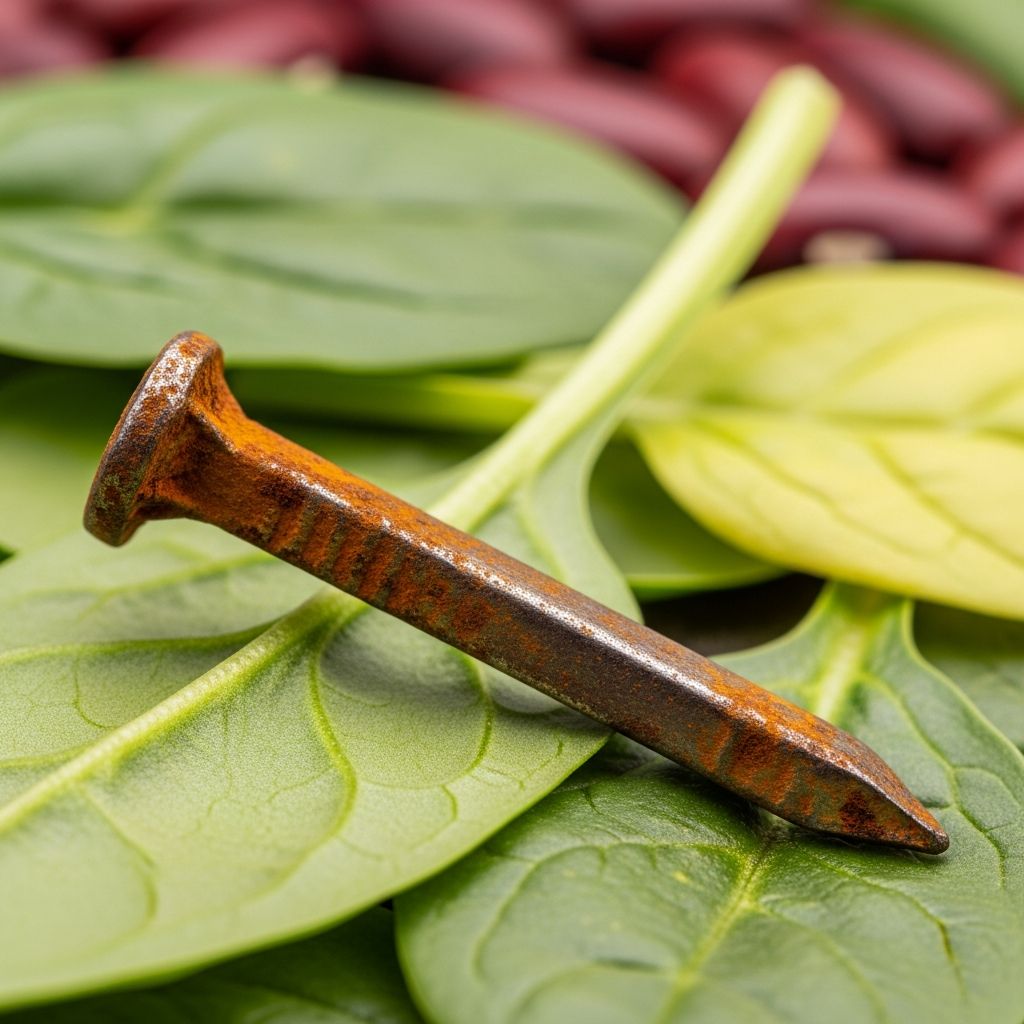
Iron deficiency is the most prevalent nutritional deficiency worldwide, often progressing to iron deficiency anemia, characterized by microcytic and hypochromic red blood cells. This condition impairs oxygen transport in the body, leading to widespread symptoms and potential complications if untreated. Affecting millions, it demands prompt recognition and management through dietary adjustments, supplements, and addressing root causes.
What is Iron and Why Do You Need It?
Iron is an essential mineral critical for producing hemoglobin, the protein in red blood cells that carries oxygen from the lungs to tissues throughout the body. Without adequate iron, hemoglobin synthesis falters, resulting in fewer and smaller red blood cells unable to meet oxygen demands. Iron also supports myoglobin in muscles for oxygen storage and various enzymes involved in energy production and DNA synthesis.
The body maintains tight iron homeostasis, absorbing about 1-2 mg daily from diet while recycling iron from old red blood cells. Adult men require 8 mg/day, premenopausal women 18 mg/day due to menstrual losses, and pregnant women up to 27 mg/day. Deficiency arises when intake, absorption, or losses imbalance, depleting stores in the bone marrow, liver, and spleen.
Who Is Most at Risk?
Certain groups face higher risks due to increased demands or losses:
- Women of childbearing age: Heavy menstrual bleeding causes significant iron loss, affecting up to 30% of this population.
- Pregnant and lactating women: Fetal and placental needs double iron requirements.
- Infants and young children: Rapid growth depletes stores; cow’s milk can irritate the gut, causing micro-bleeds.
- Vegetarians and vegans: Plant-based diets provide non-heme iron, less bioavailable than heme iron from meat.
- Athletes: Foot-strike hemolysis or increased turnover from training.
- Individuals with chronic diseases: Conditions like celiac disease, inflammatory bowel disease, or post-gastrectomy impair absorption.
Men and postmenopausal women are less affected unless underlying bleeding exists, such as from gastrointestinal sources.
Symptoms of Iron Deficiency
Symptoms emerge gradually as stores deplete, starting subtly before anemia develops. Common signs include:
- Fatigue, weakness, and reduced exercise tolerance due to poor oxygen delivery.
- Pale or sallow skin, especially in the face, palms, and conjunctiva.
- Shortness of breath, dizziness, or rapid heartbeat on exertion.
- Headaches, poor concentration, and irritability.
- Cold hands and feet, restless legs syndrome.
- Brittle nails, hair loss, sore or smooth tongue.
- Pica: unnatural cravings for ice (pagophagia), clay, or dirt.
In children, symptoms may manifest as developmental delays or poor growth; in severe cases, heart palpitations or chest pain occur. Early detection prevents progression.
Causes of Iron Deficiency
Iron deficiency stems from three main mechanisms: inadequate intake, poor absorption, or excessive loss.
Inadequate Dietary Intake
Diets low in iron-rich foods, common in restrictive eating or poverty, fail to meet needs. Non-heme iron from plants (spinach, lentils) absorbs poorly (2-20%) compared to heme iron from meat (15-35%).
Poor Absorption
Gastrointestinal disorders like celiac disease, gastric bypass, or atrophic gastritis reduce acidity needed for iron uptake. Inhibitors such as phytates (grains), polyphenols (tea/coffee), and calcium block absorption.
Increased Losses or Demands
Blood loss is the leading cause: menstrual (20-80 mg/cycle), GI bleeding from ulcers/polyps/cancer, hookworm, or frequent blood donation. Pregnancy expands blood volume by 50%, heightening needs.
Table: Common Causes by Risk Group
| Risk Group | Primary Causes |
|---|---|
| Women | Menstruation, pregnancy |
| Children | Rapid growth, cow’s milk |
| Vegetarians | Low bioavailable iron |
| Elderly/Men | GI bleeding (ulcers, cancer) |
Diagnosis
Diagnosis involves blood tests confirming low iron and anemia:
- Complete Blood Count (CBC): Low hemoglobin (<13 g/dL men, <12 g/dL women), low hematocrit, microcytic (MCV <80 fL) hypochromic red cells.
- Iron Studies: Low serum ferritin (<30 ng/mL, gold standard for stores), low serum iron, high TIBC, low transferrin saturation (<16%).
- Other: Elevated RDW, low reticulocytes initially.
Stool tests for occult blood, endoscopy/colonoscopy for GI sources, or celiac serology guide etiology. Bone marrow biopsy (rare) shows absent iron stores.
Treatment Options
Treatment targets the cause while replenishing iron. Response includes reticulocytosis in 7-10 days, hemoglobin rise of 1-2 g/dL/week.
Oral Iron Supplementation
First-line: Ferrous sulfate 325 mg (65 mg elemental iron) 1-3 times daily, taken on empty stomach for best absorption. Continue 3-6 months post-normalization to refill stores. Side effects: constipation, nausea, black stools (harmless).
Intravenous (IV) Iron
For malabsorption, intolerance, severe deficiency, or ongoing losses (e.g., IBD, dialysis). Faster repletion; types include iron sucrose, ferric carboxymaltose. Risks: nausea, rare anaphylaxis.
Other Interventions
- Blood transfusions for acute severe anemia with symptoms.
- Treat underlying issues: stop bleeding, hormonal therapy for menorrhagia.
Dietary counseling: pair heme sources (red meat, poultry) with vitamin C; avoid inhibitors.
Prevention Strategies
Prevent through balanced diet: 8-18 mg/day iron.
- Heme iron: Beef, turkey, clams (high absorption).
- Non-heme: Beans, tofu, fortified cereals + vitamin C (citrus).
- Avoid tea/coffee with meals.
- Routine screening for high-risk groups.
Pregnant women: prenatal vitamins with 30 mg iron.
Complications if Untreated
Unchecked deficiency leads to:
- Increased infection risk (impaired immunity).
- Cardiac strain: tachycardia, heart failure in severe cases.
- Developmental delays in children.
- Pregnancy risks: preterm birth, low birth weight.
- Depression, cognitive impairment.
Hospital stays lengthen with higher adverse events.
Frequently Asked Questions (FAQs)
Can iron deficiency cause hair loss?
Yes, brittle hair and loss occur due to disrupted follicle growth from poor oxygen delivery.
How long until I feel better on supplements?
Energy improves in 1-2 weeks; full hemoglobin recovery takes 1-3 months.
Is IV iron safer than pills?
IV avoids GI side effects but carries infusion risks; used when oral fails.
Can diet alone fix iron deficiency anemia?
Diet supports but supplements are usually needed for repletion speed.
Should I take iron with food?
No, empty stomach maximizes absorption; vitamin C enhances it.
References
- Iron Deficiency Anemia – StatPearls — NCBI Bookshelf, NIH. 2023-10-13. https://www.ncbi.nlm.nih.gov/books/NBK448065/
- Iron deficiency – symptoms, causes, treatment & prevention — healthdirect.gov.au. 2023. https://www.healthdirect.gov.au/iron-deficiency
- Iron-Deficiency Anemia — American Society of Hematology. 2023. https://www.hematology.org/education/patients/anemia/iron-deficiency
- Iron deficiency anaemia — NHS. 2023-01-03. https://www.nhs.uk/conditions/iron-deficiency-anaemia/
- Iron-Deficiency Anemia: Symptoms, Causes & Treatment — Cleveland Clinic. 2023-09-01. https://my.clevelandclinic.org/health/diseases/22824-iron-deficiency-anemia
- Iron Deficiency Anemia — Merck Manuals. 2023. https://www.merckmanuals.com/home/blood-disorders/anemia/iron-deficiency-anemia
- Iron deficiency anemia – Diagnosis & treatment — Mayo Clinic. 2023-11-11. https://www.mayoclinic.org/diseases-conditions/iron-deficiency-anemia/diagnosis-treatment/drc-20355040
Similar Articles


Read full bio of medha deb