Iron Deficiency: 4 Key Tests To Diagnose And Treat
Recognize the signs of iron deficiency, understand its causes, and learn effective strategies for prevention and treatment to restore your vitality.
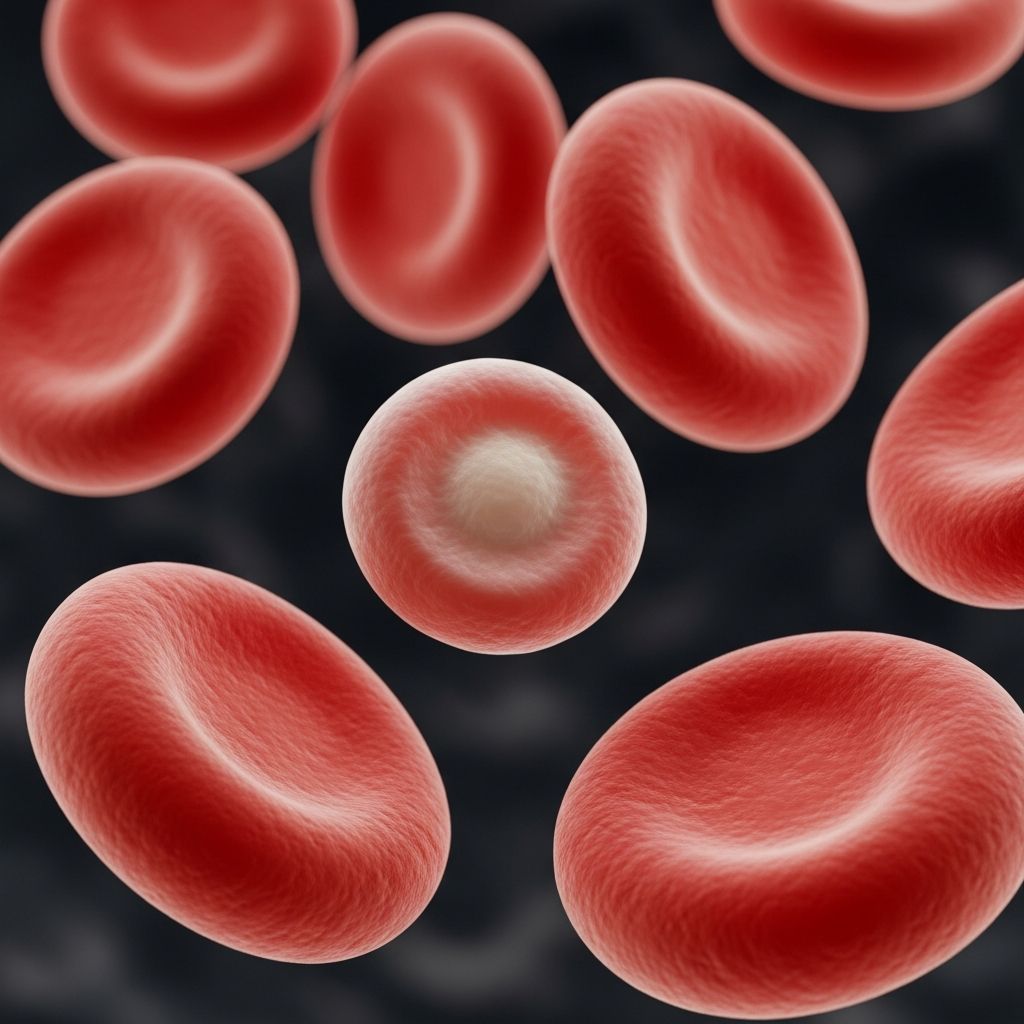
Iron deficiency is one of the most prevalent nutritional issues globally, impairing the body’s ability to produce healthy red blood cells and transport oxygen effectively. This condition often progresses silently, manifesting as everyday fatigue before escalating into full-blown anemia if unaddressed.
The Essential Role of Iron in the Body
Iron serves as a critical component in hemoglobin, the protein in red blood cells responsible for oxygen delivery to tissues and organs. Without sufficient iron, cells starve for oxygen, leading to widespread systemic effects. Beyond oxygen transport, iron supports energy production, immune function, and DNA synthesis. Adult men require about 8 mg daily, while premenopausal women need 18 mg due to menstrual losses.
Deficiency arises when intake, absorption, or iron stores fail to meet demands, particularly during growth spurts, pregnancy, or blood loss. Globally, it accounts for roughly half of all anemia cases, disproportionately affecting women, children, and those in developing regions.
Common Symptoms and Warning Signs
Early iron deficiency often presents with subtle clues that mimic stress or poor sleep. Persistent
fatigue
and low energy levels top the list, as oxygen-deprived muscles and brain struggle to function. Other hallmarks include:- Headaches and dizziness, stemming from reduced oxygen to the brain
- Shortness of breath, especially during mild activity, due to inadequate hemoglobin
- Pale skin or a sallow complexion, reflecting low red blood cell counts
- Cold intolerance and brittle nails or hair loss from impaired tissue repair
- Unusual cravings like ice (pica) or clay, a peculiar but telling sign
As deficiency worsens into iron-deficiency anemia (IDA), symptoms intensify: rapid heartbeat, chest pain, restless legs, and cognitive fog such as poor concentration or mood changes. In children, watch for irritability, reduced appetite, and slowed growth.
Who Is at Highest Risk?
Certain groups face elevated risks due to heightened needs or losses. Women of childbearing age lose iron via heavy periods, while pregnancy demands extra for fetal development. Infants born prematurely or those consuming excessive cow’s milk (over 16-24 oz daily) risk poor absorption and gut irritation leading to micro-bleeds.
Individuals with gastrointestinal disorders like celiac disease, inflammatory bowel disease, or post-bariatric surgery patients struggle with absorption. Frequent blood donors, athletes with foot-strike hemolysis, and vegetarians/vegans omitting iron-rich foods also qualify as high-risk. Chronic conditions involving blood loss, such as ulcers or colorectal issues, amplify vulnerability.
Uncovering the Root Causes
Iron balance hinges on intake matching losses. Primary causes include:
- Blood loss: The leading trigger, from menstruation, GI bleeding (ulcers, polyps, cancer), or surgery
- Inadequate diet: Low consumption of heme iron from meat, poultry, or fish, common in plant-based diets
- Poor absorption: Hindered by antacids, proton pump inhibitors, tea/coffee tannins, or conditions like atrophic gastritis
- Increased demands: Rapid growth in adolescents, pregnancy, or lactation
Medications like NSAIDs or tetracycline further impair uptake, while endurance athletes may lose trace iron through sweat and heel-strike hemolysis.
How Iron Deficiency Is Diagnosed
Diagnosis begins with a clinical history and physical exam, probing symptoms, diet, and bleeding risks. Blood tests confirm suspicion:
Related Stories



- Complete blood count (CBC): Low hemoglobin (<13 g/dL men, <12 g/dL women) and hematocrit signal anemia
- Serum ferritin: <30 ng/mL indicates depleted stores, the most sensitive early marker
- Serum iron and TIBC: Low iron with high total iron-binding capacity shows deficiency
- Soluble transferrin receptor: Elevated in pure deficiency, helping differentiate from inflammation
For persistent cases, endoscopy or colonoscopy rules out occult bleeding. In children under 2 or pregnant women, empiric therapy may precede full workup if response is monitored.
Diagnostic Reference Table
| Test | Normal Range | Deficient Indicator |
|---|---|---|
| Hemoglobin | M: 13-17 g/dL; F: 12-15 g/dL | <13 g/dL (M); <12 g/dL (F) |
| Ferritin | 30-300 ng/mL | <30 ng/mL |
| Serum Iron | 50-170 mcg/dL | <50 mcg/dL |
| TIBC | 250-450 mcg/dL | >450 mcg/dL |
Treatment Options: Replenishing Your Iron Stores
Treatment targets both replenishing stores and addressing causes. Oral supplements form the cornerstone for most.
Oral Iron Therapy
Standard dosing: 120 mg elemental iron daily for adults (e.g., ferrous sulfate 325 mg tablet = 65 mg elemental, taken 1-3 times/day); children 3 mg/kg/day up to 60 mg. Ferrous fumarate (106 mg elemental/tablet) or gluconate (38 mg) are alternatives. Expect hemoglobin rise of 1 g/dL within one month; continue 3 months post-correction to refill stores.
Side effects like constipation, nausea, or dark stools affect 20-40%; mitigate by taking with vitamin C (enhances absorption 2-3x), avoiding tea/dairy, or using slow-release forms.
Intravenous Iron for Severe Cases
IV iron suits non-responders, malabsorbers (post-gastrectomy, celiac), or those with ongoing losses/chronic kidney disease. Options include iron sucrose (20 mg/mL), ferumoxytol (30 mg/mL), or dextran; administered in clinic, risks include rare anaphylaxis.
Dietary Strategies to Boost Iron
Pair heme sources (red meat, liver: 2-3 mg/100g, 15-35% absorbed) with non-heme (spinach, lentils: 1-5% absorbed) enhanced by vitamin C-rich foods. Limit inhibitors: calcium, phytates, polyphenols. Aim for balanced intake via fortified cereals, poultry, and seafood.
Prevention: Safeguarding Your Iron Levels
Proactive steps curb deficiency:
- Women: Track menstrual flow; consider supplements if heavy
- Pregnant individuals: Prenatal vitamins with 27-30 mg iron
- Children: Limit cow’s milk, introduce iron-fortified formula/cereals
- Vegetarians: Double non-heme intake, combine with C sources
- All: Routine screening for at-risk groups; donate blood judiciously
Potential Complications of Untreated Deficiency
Neglect invites serious issues: worsened heart conditions, infections, pregnancy complications (preterm birth, low birthweight), and developmental delays in kids. Severe anemia strains the heart, risking failure or stroke in vulnerable patients. Cognitive impacts persist, underscoring timely intervention.
Frequently Asked Questions (FAQs)
How long do iron supplements take to work?
Energy improves in 1-2 weeks; full hemoglobin normalization in 1-3 months, with stores replenished after 3-6 months.
Can I get enough iron from food alone?
Possible for mild cases via diet, but supplements often needed for deficiency.
Is iron deficiency dangerous during pregnancy?
Yes; raises risks of maternal exhaustion, low birthweight, and infant anemia.
What foods should I avoid with iron supplements?
Dairy, tea, coffee, and high-fiber foods near dosing time reduce absorption.
When should I see a doctor for fatigue?
If persistent with pallor, breathlessness, or pica; urgent for chest pain or black stools.
Empowering Your Path to Recovery
Addressing iron deficiency restores vigor and prevents long-term harm. Consult healthcare providers for tailored plans, combining tests, therapy, and lifestyle tweaks for optimal outcomes.
References
- Signs of Iron-Deficiency Anemia (IDA) and How It’s Treated — GoodRx. 2023. https://www.goodrx.com/conditions/anemia/iron-deficiency-anemia
- Iron Deficiency Anaemia Symptoms, Causes & Treatment — YouTube (Dr. O’Donovan). 2025-12-03. https://www.youtube.com/watch?v=NSJeVk9Sgo4
- Iron Deficiency Anemia: Evaluation and Management — American Academy of Family Physicians (AAFP). 2013-01-15. https://www.aafp.org/pubs/afp/issues/2013/0115/p98.html
- Iron deficiency – symptoms, causes, treatment & prevention — healthdirect.gov.au (Australian Government). 2024. https://www.healthdirect.gov.au/iron-deficiency
- Iron-Deficiency Anemia — American Society of Hematology. 2024. https://www.hematology.org/education/patients/anemia/iron-deficiency
- What doctors wish patients knew about iron deficiency — American Medical Association (AMA). 2023. https://www.ama-assn.org/public-health/prevention-wellness/what-doctors-wish-patients-knew-about-iron-deficiency
- Iron deficiency anemia – Diagnosis & treatment — Mayo Clinic. 2024. https://www.mayoclinic.org/diseases-conditions/iron-deficiency-anemia/diagnosis-treatment/drc-20355040
Similar Articles








Read full bio of Sneha Tete