Iron Deficiency Anemia: Causes, Symptoms, and Treatment
Understanding iron deficiency anemia: symptoms, causes, diagnosis, and effective treatment options.
Understanding Iron Deficiency Anemia
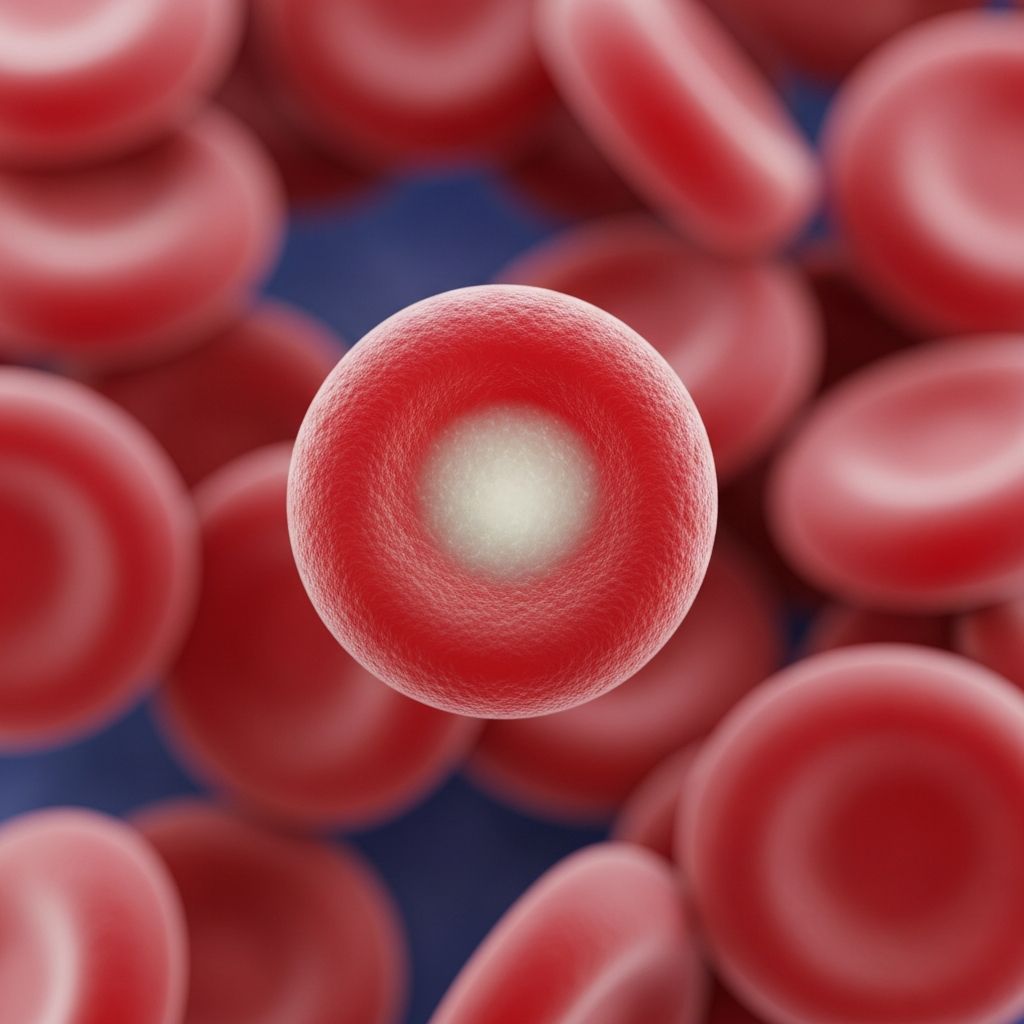
Iron deficiency anemia is a condition that occurs when the body lacks sufficient iron to produce adequate hemoglobin, the protein in red blood cells responsible for carrying oxygen throughout the body. This deficiency results in reduced oxygen delivery to tissues and organs, leading to a range of symptoms that can significantly impact daily functioning and overall quality of life. Iron deficiency anemia is the most common type of anemia worldwide and affects millions of people across all age groups.
What is Iron Deficiency Anemia?
Iron deficiency anemia develops when circulating iron levels drop below what the body requires to manufacture adequate hemoglobin. Hemoglobin is the iron-containing protein found in red blood cells that binds to oxygen in the lungs and transports it to every cell in the body. Without sufficient hemoglobin, red blood cells cannot efficiently carry oxygen, resulting in oxygen deprivation at the cellular level. This metabolic insufficiency triggers the characteristic symptoms associated with anemia and can lead to complications if left untreated.
The condition exists on a spectrum. Initially, iron stores become depleted without affecting hemoglobin levels. As iron deficiency progresses, hemoglobin production decreases, leading to iron deficiency anemia. The severity ranges from mild cases with minimal symptoms to severe anemia requiring urgent medical intervention.
Causes of Iron Deficiency Anemia
Iron deficiency anemia develops through various mechanisms, each reducing the body’s iron availability or increasing iron requirements. Understanding these causes is essential for proper diagnosis and treatment.
Blood Loss
Chronic or acute blood loss represents one of the most common causes of iron deficiency anemia. Sources include gastrointestinal bleeding from ulcers, inflammatory bowel disease, or colorectal polyps; menorrhagia (heavy menstrual bleeding) in women; and bleeding from surgical procedures or injuries. Women of reproductive age face particular vulnerability due to monthly menstrual blood loss, which can be exacerbated by certain conditions or hormonal imbalances.
Inadequate Dietary Intake
Insufficient iron consumption through diet leads to depleted iron stores over time. Individuals following vegetarian or vegan diets face elevated risk because plant-based iron (non-heme iron) is absorbed less efficiently than iron from animal sources (heme iron). Other at-risk groups include children with limited dietary variety, seniors with reduced appetites, and individuals with restricted diets due to allergies or cultural preferences.
Malabsorption Issues
Conditions affecting the gastrointestinal tract impair iron absorption, including celiac disease, inflammatory bowel disease, and gastric bypass surgery. Certain medications reduce iron bioavailability; proton pump inhibitors and H2 blockers decrease stomach acid necessary for iron dissolution, while antacids and calcium supplements interfere with iron absorption when taken simultaneously.
Increased Iron Demands
Physiological states requiring elevated iron include pregnancy, lactation, rapid childhood growth, and adolescence. Pregnant women need additional iron to expand blood volume and support fetal development. Growing children require more iron relative to body weight than adults to support increased red blood cell production.
Chronic Diseases
Kidney disease, cancer, and chronic infections increase anemia risk through multiple mechanisms including reduced erythropoietin production, chronic inflammation, and direct blood loss. Frequent diarrhea and intestinal parasites compromise iron absorption or cause ongoing losses.
Related Stories



Risk Factors and Vulnerable Populations
Certain demographic and medical groups face heightened risk for developing iron deficiency anemia. Women of childbearing age are particularly vulnerable due to menstrual blood loss combined with increased dietary iron needs. Pregnant women and postpartum individuals require substantially more iron. Children, especially those under five years and vegetarians, face elevated risk due to growth demands and dietary factors.
Seniors often develop anemia through multiple mechanisms including reduced dietary intake, medication interactions, and underlying chronic diseases. Individuals with gastrointestinal disorders, those taking certain medications chronically, and people with limited healthcare access all face increased susceptibility.
Symptoms and Clinical Presentation
Iron deficiency anemia produces symptoms reflecting inadequate oxygen delivery to tissues. Early stages may present subtly, with symptoms progressing as severity increases.
Common Symptoms Include:
- Fatigue and weakness disproportionate to activity level
- Dyspnea (shortness of breath) during minimal exertion
- Dizziness and lightheadedness
- Cold extremities and difficulty maintaining body temperature
- Headaches and difficulty concentrating
- Pale skin, nail beds, and mucous membranes
- Rapid or irregular heartbeat (palpitations)
- Irritability and mood changes
- Sore or swollen tongue (glossitis)
Symptom severity correlates with anemia degree and individual tolerance. Some individuals adapt remarkably well to gradual hemoglobin decreases, while others experience debilitating symptoms with modest decreases. The rate of onset influences symptom perception; slowly developing anemia allows physiological compensation, whereas rapid-onset anemia produces more pronounced symptoms.
Diagnosis of Iron Deficiency Anemia
Healthcare providers employ laboratory testing and clinical evaluation to diagnose iron deficiency anemia and identify underlying causes.
Laboratory Tests
Complete blood count (CBC) measures hemoglobin and hematocrit levels. Hemoglobin concentration below 12 g/dL in women and below 13.5 g/dL in men indicates anemia. Red blood cell indices including mean corpuscular volume (MCV), mean corpuscular hemoglobin (MCH), and mean corpuscular hemoglobin concentration (MCHC) help classify anemia as microcytic, normocytic, or macrocytic.
Iron studies measure serum iron, total iron-binding capacity (TIBC), transferrin saturation, and serum ferritin. Ferritin levels below 12 ng/mL indicate depleted iron stores. Low serum iron with elevated TIBC and transferrin saturation confirms iron deficiency.
Additional testing may include peripheral blood smear examination, reticulocyte count, and tests for occult blood in stool. Comprehensive metabolic panels assess kidney function, as renal disease affects erythropoietin production.
Cause Investigation
Thorough history taking addresses bleeding sources, dietary patterns, medication use, and symptoms suggestive of malabsorption. Physical examination evaluates for pallor, jaundice, and signs of chronic disease. Gastrointestinal evaluation may include upper endoscopy or colonoscopy to identify bleeding sources. Celiac serology and other testing addresses potential malabsorption etiologies.
Treatment Options
Iron deficiency anemia treatment addresses both iron replacement and underlying causes.
Iron Supplementation
Oral iron supplements represent first-line therapy for most patients. Ferrous sulfate, ferrous fumarate, and ferrous gluconate provide bioavailable iron. Typical dosing ranges from 150-200 mg of elemental iron daily, though lower doses minimize gastrointestinal side effects. Taking supplements on an empty stomach enhances absorption, though taking with food reduces nausea. Vitamin C-containing foods or supplements increase iron absorption.
Common side effects include constipation, dark stools, nausea, and abdominal discomfort. These often diminish with continued use or dose adjustment. Iron supplements should not be taken with antacids, dairy products, or calcium supplements, as these reduce absorption.
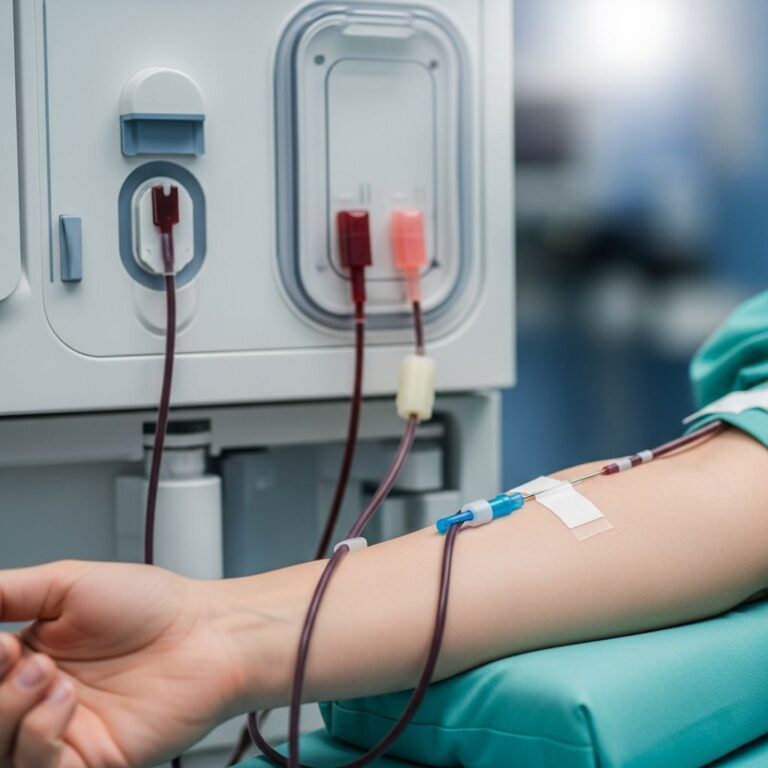
Intravenous iron becomes necessary when oral supplementation is ineffective, poorly tolerated, or contraindicated. Formulations include iron dextran, iron sucrose, and ferric carboxymaltose. Intravenous administration bypasses gastrointestinal absorption limitations and achieves faster hemoglobin repletion, particularly beneficial in severe anemia or when rapid correction is needed.
Treating Underlying Causes
Addressing root causes is essential for sustained recovery. Heavy menstrual bleeding may require hormonal contraceptives or procedural interventions. Gastrointestinal bleeding sources require specific treatment. Dietary counseling helps vegetarians optimize iron intake and absorption. Medication adjustments or timing modifications may improve iron bioavailability. Treatment of malabsorption disorders enables improved iron uptake.
Dietary Modifications
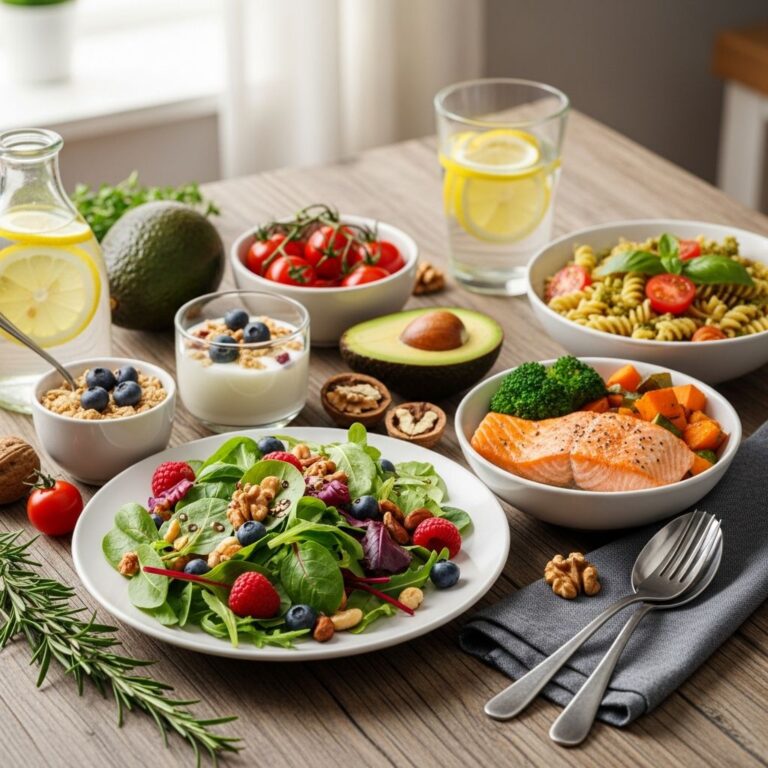
Incorporating iron-rich foods supports supplementation efforts. Heme iron sources including red meat, poultry, liver, and seafood provide highly absorbable iron. Plant-based sources including legumes, dark leafy greens, fortified cereals, and dried fruits offer dietary iron, though with lower bioavailability.
Consuming vitamin C-rich foods alongside iron sources enhances non-heme iron absorption. Combining meat with plant-based iron sources (such as spinach with lamb) improves overall iron uptake. Conversely, limiting caffeine-containing beverages with meals and separating dairy consumption from iron sources reduces inhibitory effects on absorption.
Monitoring and Follow-Up
Successful anemia treatment requires regular monitoring. Hemoglobin levels typically increase within 2-4 weeks of iron supplementation initiation, with complete restoration taking several months. Reticulocyte counts rise within days, reflecting bone marrow response. Ferritin levels gradually normalize as iron stores replenish.
Patients should maintain regular follow-up appointments to assess treatment response, monitor for side effects, and ensure underlying causes remain addressed. Persistent anemia despite appropriate supplementation warrants investigation for alternative diagnoses or non-compliance issues.
Prevention Strategies
Preventing iron deficiency anemia involves maintaining adequate iron intake, identifying and treating chronic blood loss, and optimizing absorption in at-risk populations.
For infants, iron-fortified formula and introduction of iron-rich foods at appropriate developmental stages prevent deficiency. Iron-fortified baby rice cereal can begin at four months, egg yolks at six months, and meat at eight months of age. For children, ensuring varied diets with adequate iron sources supports healthy development and cognitive function.
Women should maintain iron intake meeting dietary reference intakes, particularly those with heavy menstrual bleeding. Pregnant individuals require elevated iron supplementation to prevent deficiency affecting both maternal and fetal health. Regular screening identifies early deficiency before anemia develops.
Special Populations
Elderly Individuals
Seniors with chewing difficulties may require modified food consistency. Blending or mashing iron-rich meats, fruits, and vegetables maintains nutritional content while improving tolerability. Regular screenings detect anemia early when intervention is most effective.
Children and Adolescents
Iron deficiency significantly impacts cognitive development, academic performance, and behavior in children. Early detection and treatment prevent long-term developmental consequences. Dietary guidance tailored to developmental stages supports adequate iron intake throughout growth.
Pregnant Women
Iron supplementation is standard prenatal care, typically 27 mg daily throughout pregnancy. Untreated anemia increases risks for preterm delivery, low birth weight, and maternal complications. Postpartum iron replacement addresses losses from delivery and supports recovery.
Lifestyle Factors
Supporting optimal iron status involves broader health practices. Regular physical activity promotes cardiovascular health and oxygen utilization efficiency. Adequate hydration supports blood volume maintenance and nutrient transport. Smoking cessation improves oxygen-carrying capacity, as carbon monoxide from smoking competes with oxygen binding to hemoglobin. Limiting alcohol prevents additional nutrient depletion and gastrointestinal damage.
Stress management through relaxation techniques, adequate sleep, and social support contributes to overall health and treatment success. Regular healthcare screenings detect anemia and other conditions early, enabling timely intervention.
Frequently Asked Questions
Q: How long does iron supplementation take to work?
A: Hemoglobin levels typically begin rising within 2-4 weeks of supplementation initiation. Complete iron store replenishment may require several months of continued supplementation to maintain optimal levels and prevent relapse.
Q: Can iron deficiency anemia be cured completely?
A: Yes, iron deficiency anemia can be completely cured through iron replacement and treatment of underlying causes. However, continued prevention measures may be necessary if the causative factor persists.
Q: Are iron supplements safe during pregnancy?
A: Yes, iron supplementation is recommended and safe during pregnancy as part of standard prenatal care. It prevents maternal anemia and supports fetal development without harmful effects when taken as prescribed.
Q: What foods should be avoided when taking iron supplements?
A: Avoid consuming dairy products, calcium supplements, antacids, and high-caffeine beverages with iron supplements or iron-rich meals, as these reduce iron absorption. Separate these items by at least two hours.
Q: When should intravenous iron be considered?
A: Intravenous iron is considered when oral supplements are ineffective, poorly tolerated due to gastrointestinal side effects, contraindicated, or when rapid hemoglobin correction is medically necessary.
Q: Can vegetarians maintain adequate iron levels?
A: Yes, vegetarians can maintain adequate iron through strategic dietary planning by consuming plant-based iron sources with vitamin C to enhance absorption and monitoring ferritin levels regularly.
Q: What complications can occur if iron deficiency anemia goes untreated?
A: Untreated anemia can lead to severe fatigue, heart problems including cardiomyopathy, impaired cognitive development in children, and complications during pregnancy including preterm delivery.
References
- Fight Anemia and Power up with Iron Rich Food — Johns Hopkins All Children’s Hospital. 2024. https://www.jhah.com/en/news-events/news-articles/fight-anemia-and-power-up-with-iron-rich-food/
- Iron and the Anemia of Chronic Disease — Johns Hopkins University School of Medicine. https://pure.johnshopkins.edu/en/publications/iron-and-the-anemia-of-chronic-disease-3/
- Iron Deficiency and All-Cause Hospitalization Risk in a Clinical Population — National Institutes of Health. 2025. https://pmc.ncbi.nlm.nih.gov/articles/PMC11925066/
- Anemia in Women: An Intractable Problem That Requires Innovative Solutions — Johns Hopkins Bloomberg School of Public Health. 2021. https://publichealth.jhu.edu/2021/anemia-in-women-an-intractable-problem-that-requires-innovative-solutions
Similar Articles








Read full bio of Sneha Tete