Iron Deficiency Anemia: What You Need To Know
Understand the causes, symptoms, diagnosis, and effective treatments for iron deficiency anemia, the world's most common nutritional deficiency.
Iron deficiency anemia is the most common form of anemia globally, occurring when the body lacks sufficient iron to produce adequate hemoglobin, the protein in red blood cells responsible for oxygen transport. This condition affects about 5% of American women and 2% of men, leading to symptoms like fatigue and shortness of breath if untreated.
What Is Iron Deficiency Anemia?
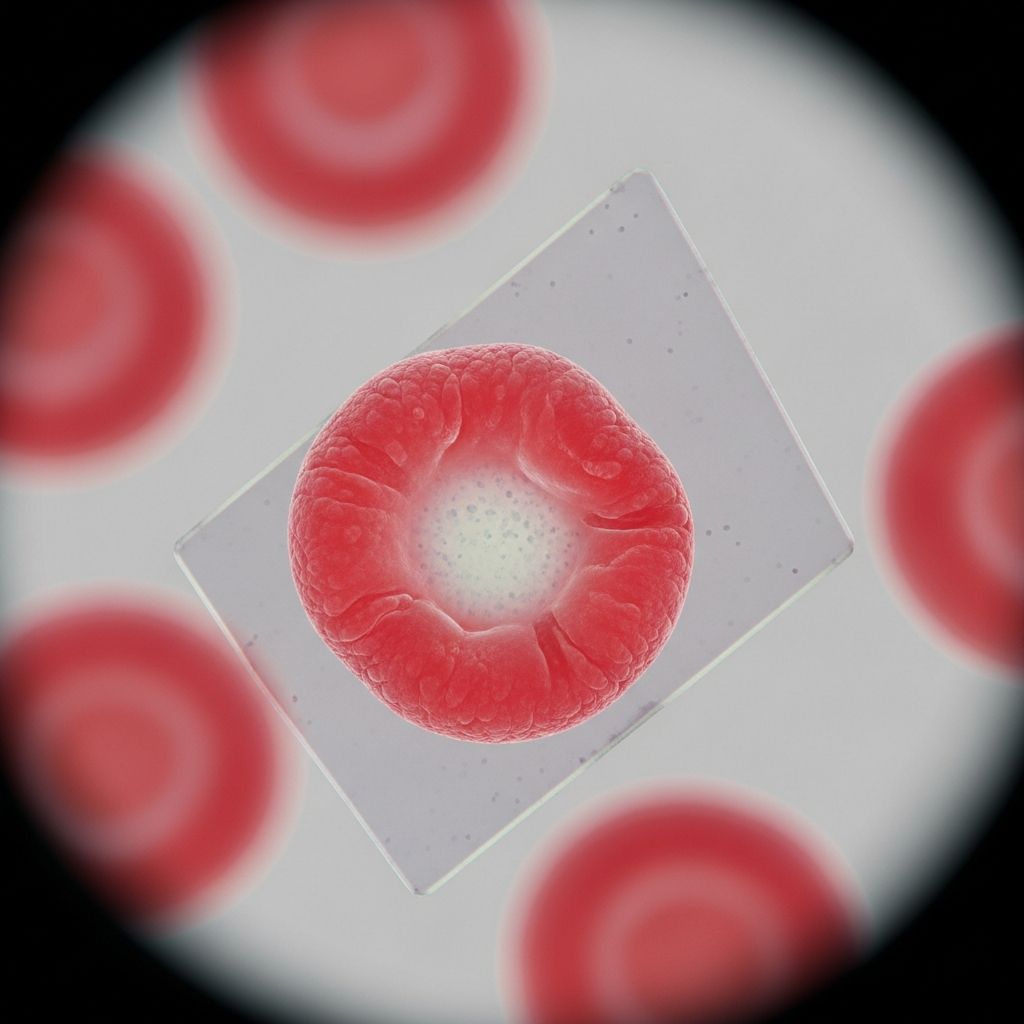
Iron deficiency anemia develops when bodily iron stores are depleted, impairing hemoglobin production and resulting in fewer or smaller red blood cells unable to effectively carry oxygen. Without enough iron, red blood cells become microcytic (small) and hypochromic (pale), as observed in blood smears. Iron deficiency itself precedes full-blown anemia; untreated, it progresses to this oxygen-transporting shortfall.
The body tightly regulates iron through absorption in the small intestine and recycling from old red blood cells. Daily losses via skin, urine, and— in women— menstruation require replenishment through diet or supplements. Insufficient intake, absorption issues, or excessive loss disrupts this balance.
Symptoms of Iron Deficiency Anemia
Early iron deficiency may be asymptomatic, but as anemia worsens, symptoms emerge due to reduced oxygen delivery to tissues. Common signs include:
- Extreme fatigue and weakness
- Pale skin and mucous membranes
- Shortness of breath, especially during activity
- Dizziness or lightheadedness
- Cold hands and feet
- Fast or irregular heartbeat (palpitations)
- Headaches
- Brittle nails and hair loss
- Sore or swollen tongue
- Pica (cravings for non-food items like ice or dirt)
Severe cases can lead to heart complications like enlarged heart or failure from overcompensation, growth delays in children, and preterm birth risks in pregnancy. Symptoms vary by severity; mild anemia might only show during exertion.
Causes and Risk Factors
Iron deficiency anemia arises from inadequate iron intake, poor absorption, increased demand, or blood loss—the most frequent trigger.
Blood Loss
Chronic or acute bleeding depletes iron stores rapidly. Key sources include:
- Heavy menstrual periods (menorrhagia), affecting many women
- Gastrointestinal bleeding from ulcers, polyps, hiatal hernia, colorectal cancer, or NSAID use (aspirin, ibuprofen)
- Frequent blood donations
Slow GI bleeds often go unnoticed until anemia manifests.
Inadequate Dietary Iron
Diets low in heme iron (from meat, poultry, fish) or non-heme iron (plants, fortified foods) increase risk, especially in vegetarians/vegans without supplementation. Infants, children, and pregnant individuals need more iron for growth.
Absorption Problems
Conditions impairing small intestine uptake include celiac disease, inflammatory bowel disease (Crohn’s, ulcerative colitis), gastric bypass surgery, and chronic kidney disease.
Increased Needs
Pregnancy demands extra iron for maternal and fetal hemoglobin; without supplements, deficiency is common. Rapid growth in infancy or adolescence also heightens requirements.
Other Risks
Chronic diseases like heart failure, cancer, or kidney issues promote inflammation-mediated iron sequestration. Endurance athletes may lose iron via foot-strike hemolysis or sweat.
Related Stories



Diagnosis of Iron Deficiency Anemia
Diagnosis combines clinical history, physical exam, and lab tests confirming low iron and anemia.
Initial Blood Tests:
- Complete blood count (CBC): Low hemoglobin (<7.7 mmol/L men, <7.4 mmol/L women), low hematocrit, microcytic (low MCV) hypochromic red cells (low MCHC).
- Peripheral smear: Hypochromic microcytic erythrocytes; possible thrombocytosis.
Iron Studies (Diagnostic Gold Standard):
| Test | Normal Range | Iron Deficiency Value |
|---|---|---|
| Serum Ferritin | 30-300 ng/mL | <30 ng/mL (storage iron depleted) |
| Serum Iron | >7.1 µg/L | <7.1 µg/L |
| Transferrin Saturation | >15% | <15% |
| Total Iron-Binding Capacity (TIBC) | <13.1 µmol/L | Elevated |
Low ferritin is highly specific for deficiency, though inflammation can falsely elevate it. Coexistent B12/folate deficiency may normalize MCV.
Further evaluation for GI bleeding (endoscopy/colonoscopy) is essential, especially in men, postmenopausal women, or those with alarm symptoms.
Treatment Options for Iron Deficiency Anemia
Treatment targets underlying causes and replenishes iron stores. Oral supplements are first-line for most.
Oral Iron Therapy
Recommended: 150-180 mg elemental iron daily (e.g., ferrous sulfate 325 mg, ~65 mg elemental), divided 2-3 times/day. Take on empty stomach with vitamin C to boost absorption; avoid tea, coffee, calcium, antacids near doses.
Response: Reticulocytes rise in 1 week, hemoglobin in 1-2 weeks. Full correction takes months; target ferritin >50 ng/mL. Side effects (nausea, constipation) affect 20-40%; alternate-day dosing may improve tolerance.
Intravenous (IV) Iron
Indicated for oral intolerance/failure, malabsorption, chronic bleeding, CKD, or severe anemia needing rapid repletion. Newer formulations (iron sucrose, ferric carboxymaltose) have low adverse event rates.
Ganong formula estimates deficit: Weight (kg) × (target Hb – actual Hb) × 2.4 + 500 mg. Single-dose options up to 1000 mg allow outpatient administration.
IV iron achieves higher peak serum levels, boosting erythropoiesis 4-7x normal vs. oral’s 2.5-3.5x.
Supportive Measures
- Diet: Heme sources (red meat, liver) absorb best; pair non-heme (spinach, lentils) with vitamin C.
- Address causes: Stop NSAIDs, treat GI lesions, prenatal iron in pregnancy.
Prevention Strategies
Prevent through diet rich in iron-rich foods, routine screening in high-risk groups (pregnant, heavy periods), and supplements as needed. Blood donors should monitor hemoglobin and increase iron intake. Prenatal vitamins with iron avert pregnancy-related deficiency.
Complications if Untreated
Chronic anemia strains the heart (tachycardia, failure), delays child development, increases infection risk, and links to poor pregnancy outcomes like low birth weight.
When to See a Doctor
Seek care for persistent fatigue, pallor, shortness of breath, or pica. Urgent evaluation for unexplained GI bleeding, chest pain, or severe symptoms.
Frequently Asked Questions (FAQs)
What is the difference between iron deficiency and iron deficiency anemia?
Iron deficiency depletes stores without anemia; anemia occurs when hemoglobin drops, causing symptoms.
How long does it take for iron supplements to work?
Reticulocytes increase in 7 days, hemoglobin in 1-2 weeks; stores replenish in 3-6 months.
Can iron deficiency anemia cause hair loss?
Yes, due to impaired oxygen delivery to follicles; treatment often reverses it.
Is IV iron safer than older forms?
Modern IV irons have rare serious reactions (<1%), ideal for those failing oral therapy.
Who is at highest risk for iron deficiency anemia?
Women with heavy periods, pregnant individuals, vegetarians, and those with GI disorders.
References
- Diagnosis and management of iron deficiency anemia in the 21st century — Muñoz M, et al. PMC. 2011-04-15. https://pmc.ncbi.nlm.nih.gov/articles/PMC3105608/
- What Is Iron Deficiency? — Voelker R. JAMA. 2025-08-21. https://jamanetwork.com/journals/jama/fullarticle/2837949
- Iron deficiency anemia – Symptoms & causes — Mayo Clinic Staff. Mayo Clinic. 2023-11-05. https://www.mayoclinic.org/diseases-conditions/iron-deficiency-anemia/symptoms-causes/syc-20355034
Similar Articles








Read full bio of Sneha Tete