Iron-Deficiency Anemia: Symptoms, Causes & Treatment
Understanding iron-deficiency anemia: Learn about symptoms, causes, diagnosis, and effective treatment options.
What Is Iron-Deficiency Anemia?
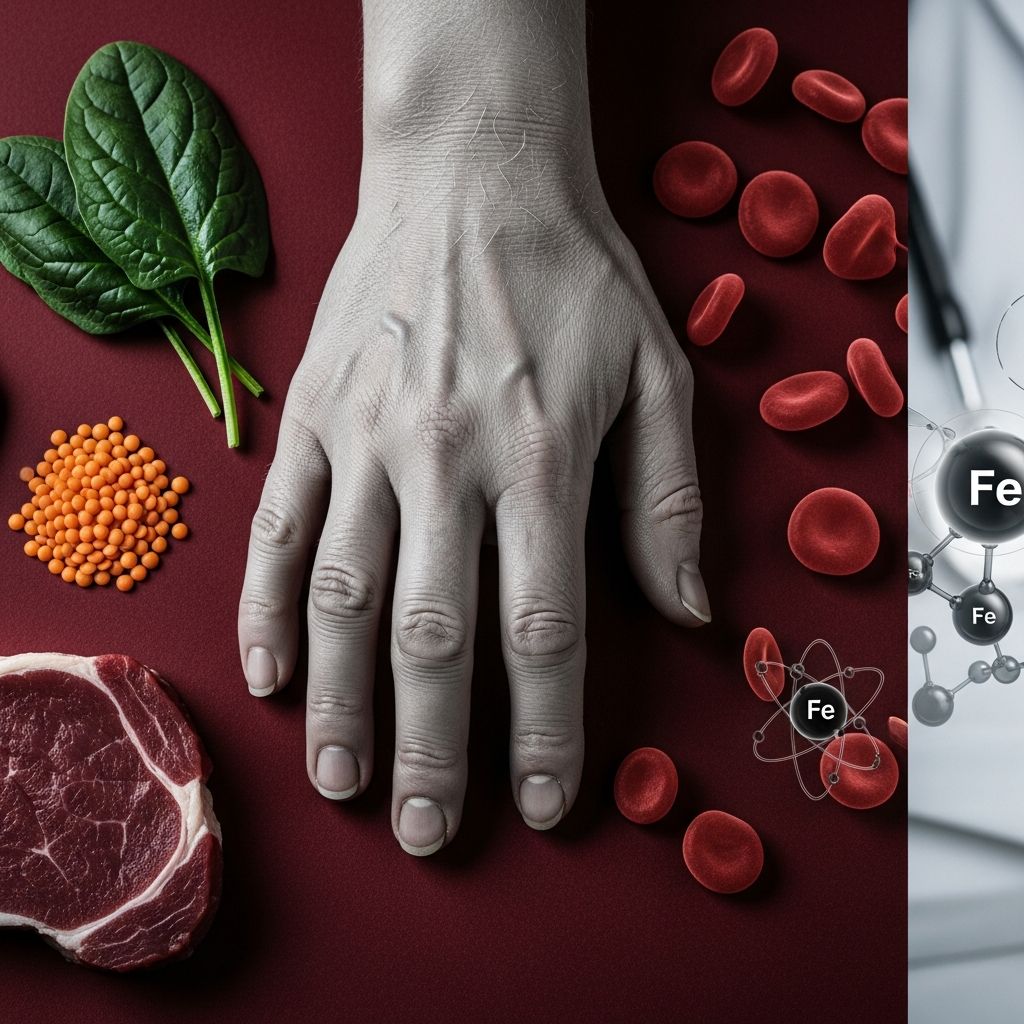
Iron-deficiency anemia is a common blood disorder that develops when your body lacks sufficient iron to produce adequate amounts of hemoglobin, the protein in red blood cells responsible for carrying oxygen throughout your body. This condition affects millions of people worldwide and represents the most common nutrient deficiency globally. When your body cannot maintain proper iron levels, it struggles to create the hemoglobin necessary for healthy red blood cells, resulting in reduced oxygen delivery to tissues and organs.
Normally, your body absorbs iron from the foods you eat and stores it for future use in hemoglobin production. Iron-deficiency anemia develops when your body depletes its iron stores faster than they can be replenished, or when the flow of iron into your system slows significantly. The good news is that treatment can effectively address iron-deficiency anemia, and your healthcare provider can design a personalized treatment plan tailored to your specific needs.
Understanding the Three Stages of Iron Deficiency
Iron deficiency progresses through three distinct stages, each characterized by specific changes in your body’s iron metabolism:
Stage 1: Pre-Latent Iron Deficiency
In the pre-latent stage, your iron stores become depleted or absent entirely. However, your serum iron concentration remains within normal ranges, and you may not experience noticeable symptoms. This stage often goes undetected because standard blood tests may appear normal.
Stage 2: Latent Iron Deficiency
During the latent stage, the deficiency becomes more pronounced. Your transferrin saturation and serum iron levels decrease below normal, while ferritin levels remain low. You might begin experiencing vague symptoms that are easily overlooked, as they resemble other common conditions.
Stage 3: Iron-Deficiency Anemia
The final stage involves a measurable drop in hemoglobin levels combined with depleted iron stores and reduced serum iron and transferrin saturation. This is when clinical anemia becomes evident through laboratory tests and symptoms become more pronounced.
Symptoms of Iron-Deficiency Anemia
Iron-deficiency anemia symptoms typically develop gradually and worsen over time. Because the condition develops slowly, some people may not recognize they have it until symptoms become more severe. Common symptoms include:
- Persistent fatigue and weakness
- Shortness of breath, especially during physical activity
- Dizziness or lightheadedness
- Racing or irregular heartbeat
- Pale skin, nail beds, and mucous membranes
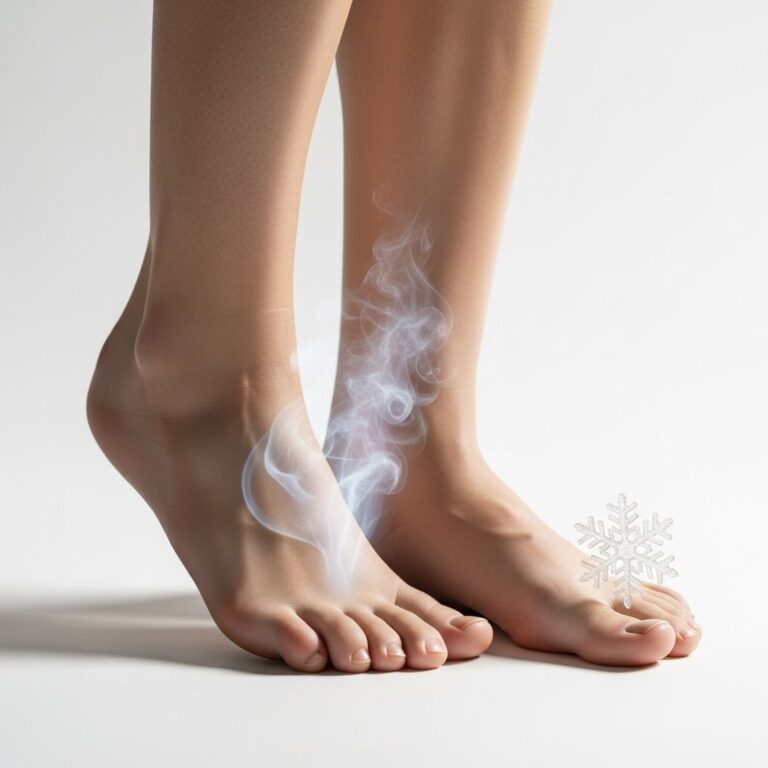
- Cold hands and feet
- Brittle nails
- Sore or swollen tongue
- Difficulty concentrating or brain fog
- Unusual cravings for non-food items (pica)
These symptoms result from your body’s reduced oxygen-carrying capacity. As iron levels drop, your heart works harder to pump oxygen-depleted blood throughout your body, leading to the characteristic racing heart rate and shortness of breath associated with this condition.
Causes of Iron-Deficiency Anemia
Iron-deficiency anemia can result from several underlying causes, which healthcare providers must identify to provide effective treatment. The primary causes fall into three main categories:
Inadequate Dietary Intake
Consuming insufficient iron-rich foods is a common cause, particularly among vegetarians, vegans, and those with limited access to nutritious food sources. Dietary preferences, food restrictions, and economic factors can all contribute to inadequate iron consumption.
Related Stories



Blood Loss
Chronic or acute blood loss represents another significant cause of iron deficiency. This can occur through:
- Heavy menstrual bleeding (most common in women of reproductive age)
- Gastrointestinal bleeding from ulcers, inflammatory bowel disease, or hemorrhoids
- Frequent blood donations
- Injuries or surgical procedures
- Use of blood-thinning medications
Malabsorption
Some medical conditions impair your body’s ability to absorb iron from food, even when adequate iron is consumed. Conditions affecting iron absorption include celiac disease, Crohn’s disease, and other digestive disorders.
Who Is at Higher Risk?
Certain populations face elevated risk for developing iron-deficiency anemia:
- Women of childbearing age due to menstrual blood loss
- Pregnant women requiring additional iron for fetal development
- Infants and young children during periods of rapid growth
- Vegetarians and vegans who consume plant-based iron sources less readily absorbed
- People with chronic diseases causing blood loss or malabsorption
- Individuals with kidney failure, especially those on dialysis
- People taking blood-thinning medications
- Those with gastrointestinal disorders affecting iron absorption
Potential Complications of Untreated Iron-Deficiency Anemia
Severe or untreated iron-deficiency anemia can lead to serious complications, including:
- Heart problems and arrhythmias
- Pregnancy complications and poor fetal outcomes
- Delayed growth and development in children
- Impaired cognitive function and learning difficulties
- Increased susceptibility to infections
- Organ damage from prolonged oxygen deprivation
Diagnosis of Iron-Deficiency Anemia
Healthcare providers use blood tests to diagnose iron-deficiency anemia. A comprehensive diagnostic approach includes measuring multiple iron-related parameters to confirm deficiency and rule out other causes of anemia.
Key Diagnostic Tests
Your healthcare provider will typically order the following laboratory tests:
- Serum Ferritin: Measures your body’s iron storage; levels below 30 ng/mL indicate absolute iron deficiency
- Serum Iron: Measures circulating iron; should be obtained from a fasting morning sample for accuracy
- Total Iron-Binding Capacity (TIBC): Evaluates your body’s capacity to transport iron; typically elevated in iron deficiency
- Transferrin Saturation (TSAT): Reflects the percentage of transferrin occupied by iron; reduced in iron deficiency
- Complete Blood Count (CBC): Measures hemoglobin and hematocrit levels
Additional Diagnostic Tools
Depending on your clinical presentation, your provider may utilize additional tests:
- Zinc Protoporphyrin/Heme Ratio: Reflects decreased iron supply for hemoglobin formation; offers a non-invasive alternative to bone marrow aspiration
- Reticulocyte Hemoglobin Content: Provides early detection of iron deficiency and helps monitor response to parenteral iron therapy; particularly useful in patients with chronic kidney disease
Treatment Options for Iron-Deficiency Anemia
Treatment approaches depend on the severity of your anemia, underlying causes, and your ability to tolerate specific interventions. Your healthcare provider will design a comprehensive treatment plan addressing both iron replacement and the underlying condition causing the deficiency.
Oral Iron Supplementation
For patients with uncomplicated iron deficiency without significant comorbidities, oral iron therapy remains the first-line treatment. This approach offers several advantages: it is readily available, inexpensive, effective, safe, and convenient for most patients. Available formulations include ferrous sulfate, ferrous fumarate, and ferrous gluconate, each with varying absorption rates and side effect profiles.
Most patients begin experiencing noticeable improvements within two to three weeks of starting oral iron supplements. However, complete restoration of normal hemoglobin levels may take several weeks to months, depending on the severity of the deficiency.
Intravenous Iron Infusions
Intravenous iron replacement may be necessary for patients who cannot tolerate oral supplements, have severe malabsorption issues, or require rapid iron restoration. Patients receiving iron infusions often notice improvements more quickly than those taking oral supplements, sometimes experiencing relief within days to weeks. Modern intravenous iron formulations have significantly improved safety profiles compared to earlier options.
Blood Transfusions
In cases of severe anemia involving significant blood loss, blood transfusions may be necessary to rapidly restore hemoglobin levels and ensure adequate oxygen delivery to vital organs.
Timeline for Improvement
Recovery timelines vary based on treatment type and initial iron levels. Patients taking oral iron supplements typically notice symptomatic improvement within two to three weeks. Those receiving iron infusions often experience faster recovery, potentially feeling better within one to two weeks. However, complete normalization of iron stores requires sustained treatment and may extend over several months.
Addressing Underlying Causes
Effective treatment must address the root cause of iron deficiency, not merely supplement iron. Your healthcare provider will investigate whether your anemia results from poor diet, blood loss, malabsorption, or other medical conditions. A dietician can provide essential support in primary prevention through dietary adjustments and education about iron-rich food sources. Treating underlying gastrointestinal bleeding, managing heavy menstrual bleeding, or controlling chronic diseases improves outcomes and prevents recurrence.
Iron-Rich Foods for Prevention and Management
Incorporating iron-rich foods into your diet supports both prevention and management of iron-deficiency anemia. Good dietary sources of iron include:
- Red meat, poultry, and fish
- Fortified cereals and grains
- Beans and legumes
- Tofu and soy products
- Dark leafy greens like spinach and kale
- Nuts and seeds
- Dried fruits including figs and raisins
- Broccoli
- Tuna
Consuming vitamin C-rich foods alongside iron-rich foods enhances absorption. Conversely, coffee, tea, and calcium supplements can inhibit iron absorption when consumed simultaneously.
Frequently Asked Questions
Can iron-deficiency anemia be cured?
Yes, iron-deficiency anemia can be treated and cured. Your healthcare provider will determine whether the anemia results from poor diet or a more serious health problem, then treat both the anemia and its underlying cause. Once iron stores are replenished and any causative conditions are resolved, the anemia typically resolves completely.
How long does treatment take?
Treatment duration varies depending on the severity of your deficiency and the treatment method used. Oral iron supplementation typically requires two to three weeks to produce noticeable sympttomatic improvement, while iron infusions may work faster. Complete restoration of normal iron stores may take several months.
Is iron supplementation safe?
Iron supplementation is generally safe when taken as prescribed by your healthcare provider. However, some patients experience side effects from oral iron, including constipation, nausea, and abdominal discomfort. Your provider can adjust dosages or formulations to minimize these effects.
Can I prevent iron-deficiency anemia through diet alone?
For some individuals, dietary modifications alone can prevent iron deficiency. However, if you have underlying conditions causing blood loss or malabsorption, or if you have significant iron demands, dietary changes alone may be insufficient. Your healthcare provider can determine the appropriate prevention strategy for your situation.
Do I need lifelong treatment?
Not necessarily. Once iron stores are replenished and any underlying causes are addressed, many patients can maintain normal iron levels through diet and lifestyle modifications. However, if you have an ongoing cause of iron loss, such as heavy menstrual bleeding or chronic gastrointestinal bleeding, your provider may recommend continued monitoring and supplementation.
When to Seek Medical Care
Contact your healthcare provider if you experience persistent fatigue, shortness of breath, chest pain, severe dizziness, or other concerning symptoms. Early diagnosis and treatment can prevent complications and help you feel better more quickly. If you have been diagnosed with iron-deficiency anemia, maintain regular follow-up appointments to monitor your response to treatment and ensure underlying conditions are adequately managed.
Conclusion
Iron-deficiency anemia is a treatable condition that responds well to appropriate intervention. By understanding the symptoms, causes, and available treatments, you can work with your healthcare provider to develop an effective management plan. Remember that treatment addresses both iron replacement and underlying causes, ensuring not only symptom relief but also prevention of recurrence. With proper diagnosis and comprehensive care, most individuals with iron-deficiency anemia achieve full recovery and return to optimal health.
References
- Chronic Iron Deficiency — National Center for Biotechnology Information (NCBI). 2024. https://www.ncbi.nlm.nih.gov/books/NBK560876/
- Iron-Deficiency Anemia: Symptoms, Causes & Treatment — Cleveland Clinic. 2024. https://my.clevelandclinic.org/health/diseases/22824-iron-deficiency-anemia
- Microcytic Anemia: Symptoms, Causes & Treatment — Cleveland Clinic. 2024. https://my.clevelandclinic.org/health/diseases/23015-microcytic-anemia
- Anemia: Symptoms, Causes & Treatment — Cleveland Clinic. 2024. https://my.clevelandclinic.org/health/diseases/3929-anemia
- 52 Foods High In Iron — Cleveland Clinic Health. 2024. https://health.clevelandclinic.org/how-to-add-more-iron-to-your-diet
Similar Articles








Read full bio of medha deb