Iron Deficiency Anemia Symptoms: 9 Key Signs To Spot Early
Recognize the subtle signs of iron deficiency anemia early—from fatigue to unusual cravings—and learn when to seek medical help.
Iron deficiency anemia is the most common type of anemia worldwide, occurring when your body lacks sufficient iron to produce adequate hemoglobin, the protein in red blood cells that carries oxygen. This condition often develops gradually, starting with mild symptoms that many overlook, such as subtle fatigue, but can progress to more severe issues like shortness of breath and heart complications if untreated.
Understanding the symptoms is crucial because early detection through blood tests can prevent complications. Symptoms vary by severity, age, and individual health, but they stem from reduced oxygen delivery to tissues. This article covers all key aspects, from early warning signs to causes, diagnosis, and management strategies.
What Is Iron Deficiency Anemia?
Iron deficiency anemia arises when your body doesn’t have enough iron to make hemoglobin, impairing red blood cells’ ability to transport oxygen. Without sufficient oxygen, organs and tissues function poorly, leading to characteristic symptoms.
The condition progresses in stages: first, iron stores deplete (low ferritin); then, red blood cell production falters; finally, anemia develops with low hemoglobin levels. It’s prevalent in women of reproductive age, pregnant individuals, children, and those with chronic blood loss or poor absorption.
Globally, it affects over 1.2 billion people, particularly in developing regions, but it’s common even in affluent countries due to dietary habits and menstrual blood loss.
Symptoms of Iron Deficiency Anemia
Symptoms often start subtly and worsen as iron levels drop. Early stages may be asymptomatic, but progression reveals distinct signs.
- Extreme fatigue and weakness: The hallmark symptom, as low oxygen reduces energy production in muscles and brain.
- Pale skin: Reduced hemoglobin makes skin, gums, and nail beds appear unusually pale.
- Shortness of breath, chest pain, or fast heartbeat: The heart works harder to compensate for low oxygen, especially during activity.
- Headaches, dizziness, or lightheadedness: Brain tissues receive less oxygen, causing cognitive fog.
- Cold hands and feet: Poor circulation due to inadequate oxygen.
- Brittle nails and hair loss: Iron is vital for keratin production; nails may become spoon-shaped (koilonychia).
- Sore or inflamed tongue: Glossitis, with a smooth, red, painful tongue.
- Restless legs syndrome (RLS): An urge to move legs, affecting 32-40% of cases, worse at night.
- Pica: Cravings for non-food items like ice (pagophagia), dirt, clay, or starch, seen in 40-50% of severe cases.
In children and infants, additional signs include poor appetite, delayed growth, and increased infections. Adults may experience irritability, difficulty concentrating, or exercise intolerance.
Stages of Iron Deficiency Anemia
Iron deficiency unfolds in three phases, each with escalating symptoms:
- Iron depletion: Low ferritin stores but normal hemoglobin; often no symptoms.
- Iron-deficient erythropoiesis: Iron unavailable for red blood cell production; mild fatigue emerges.
- Iron deficiency anemia: Low hemoglobin; full symptoms like weakness and pica appear.
Sudden onset suggests acute blood loss, while gradual development points to diet or absorption issues.
Causes of Iron Deficiency Anemia
The root causes fall into three categories: inadequate intake, poor absorption, and blood loss.
Related Stories



- Blood loss (most common): Heavy menstrual periods, gastrointestinal bleeding from ulcers, polyps, hemorrhoids, or colorectal cancer. Frequent blood donation or NSAID use (aspirin, ibuprofen) also contributes.
- Inadequate dietary iron: Diets low in heme iron from meat, poultry, fish; vegetarians/vegans at higher risk without fortified foods or supplements.
- Impaired absorption: Celiac disease, Crohn’s, ulcerative colitis, gastric bypass surgery, or atrophic gastritis reduce intestinal uptake.
- Increased demand: Pregnancy requires 27 mg daily iron for maternal and fetal needs; rapid growth in infants/children.
Chronic conditions like kidney disease or heart failure exacerbate risk.
Risk Factors
Certain groups face higher odds:
- Women with heavy periods.
- Pregnant or breastfeeding individuals without supplements.
- Infants, toddlers, and vegetarians.
- People with gastrointestinal disorders or frequent blood donors.
- Endurance athletes losing iron via sweat and foot-strike hemolysis.
Complications If Untreated
Mild cases may resolve spontaneously, but severe, prolonged anemia leads to:
- Cardiovascular problems: Enlarged heart, arrhythmias, or heart failure from overwork.
- Pregnancy issues: Preterm birth, low birth weight.
- Developmental delays: In children, cognitive and motor impairments.
- Increased infections: Weakened immunity.
Sudden severe deficiency warrants urgent evaluation for occult bleeding or malignancy.
Diagnosis
Healthcare providers start with a complete blood count (CBC) showing low hemoglobin, hematocrit, MCV, and MCHC. Confirm with:
- Serum ferritin <30 ng/mL: Indicates depleted stores (avoid in inflammation).
- Transferrin saturation <20%: Low iron relative to binding capacity.
- Other tests: Serum iron, total iron-binding capacity (TIBC), soluble transferrin receptor.
Endoscopy/colonoscopy if blood loss suspected.
Treatment Options
Treatment addresses the cause and replenishes iron:
| Method | Description | Best For |
|---|---|---|
| Oral supplements | Ferrous sulfate 325 mg daily; take with vitamin C for absorption. | Mild cases, good tolerance. |
| IV iron | Infusions for rapid repletion; safer for malabsorption or ongoing loss. | Pregnancy (2nd/3rd trimester), IBD, CKD. |
| Dietary changes | Increase heme iron (red meat, liver) and pair with vitamin C. | Prevention, mild deficiency. |
| Treat underlying cause | Manage bleeding, celiac, etc. | All cases. |
Improvement in symptoms within weeks; full recovery in months. Monitor for side effects like constipation.
Prevention Strategies
Prevent by:
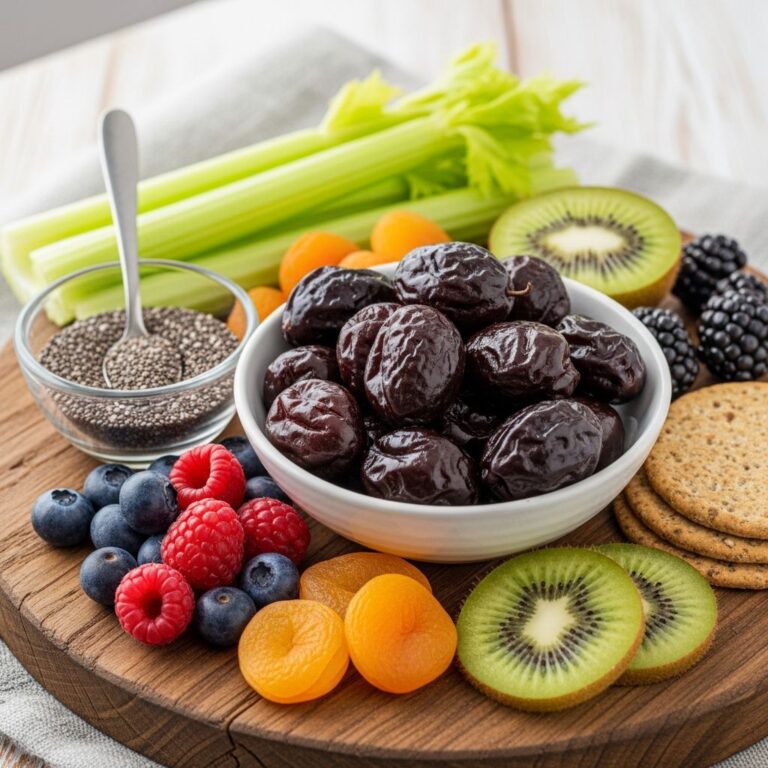
- Eating iron-rich foods: beef, spinach, lentils, fortified cereals.
- Prenatal vitamins with iron.
- Avoiding tea/coffee with meals (inhibits absorption).
- Screening high-risk groups.
Frequently Asked Questions (FAQs)
Can iron deficiency anemia cause hair loss?
Yes, though rare; iron supports hair follicle health. Supplementing often resolves it.
Is pica dangerous?
Pica can lead to toxicity (e.g., lead from paint) or GI blockages; treat underlying anemia promptly.
How long do symptoms take to improve with treatment?
Fatigue improves in 1-2 weeks; full hemoglobin recovery in 1-3 months.
Should vegetarians worry?
Yes; focus on non-heme sources like beans, nuts, and fortified foods with vitamin C.
Can it affect mental health?
Yes, causing irritability, depression, or concentration issues due to brain hypoxia.
References
- Iron deficiency anemia – Symptoms & causes — Mayo Clinic. 2023-10-12. https://www.mayoclinic.org/diseases-conditions/iron-deficiency-anemia/symptoms-causes/syc-20355034
- Iron-Deficiency Anemia: Symptoms, Causes & Treatment — Cleveland Clinic. 2023-08-15. https://my.clevelandclinic.org/health/diseases/22824-iron-deficiency-anemia
- Iron Deficiency and Down Syndrome — Advocate Health Care. 2024-01-10. https://adscresources.advocatehealth.com/resources/iron-deficiency-and-down-syndrome/
- Iron Deficiency in Adults: A Review — PubMed (JAMA). 2024-10-01. https://pubmed.ncbi.nlm.nih.gov/40159291/
Similar Articles








Read full bio of Sneha Tete