Iron Infusion: Benefits, Side Effects & What To Expect
Complete guide to IV iron supplementation: how it works, benefits, side effects, and recovery timeline.
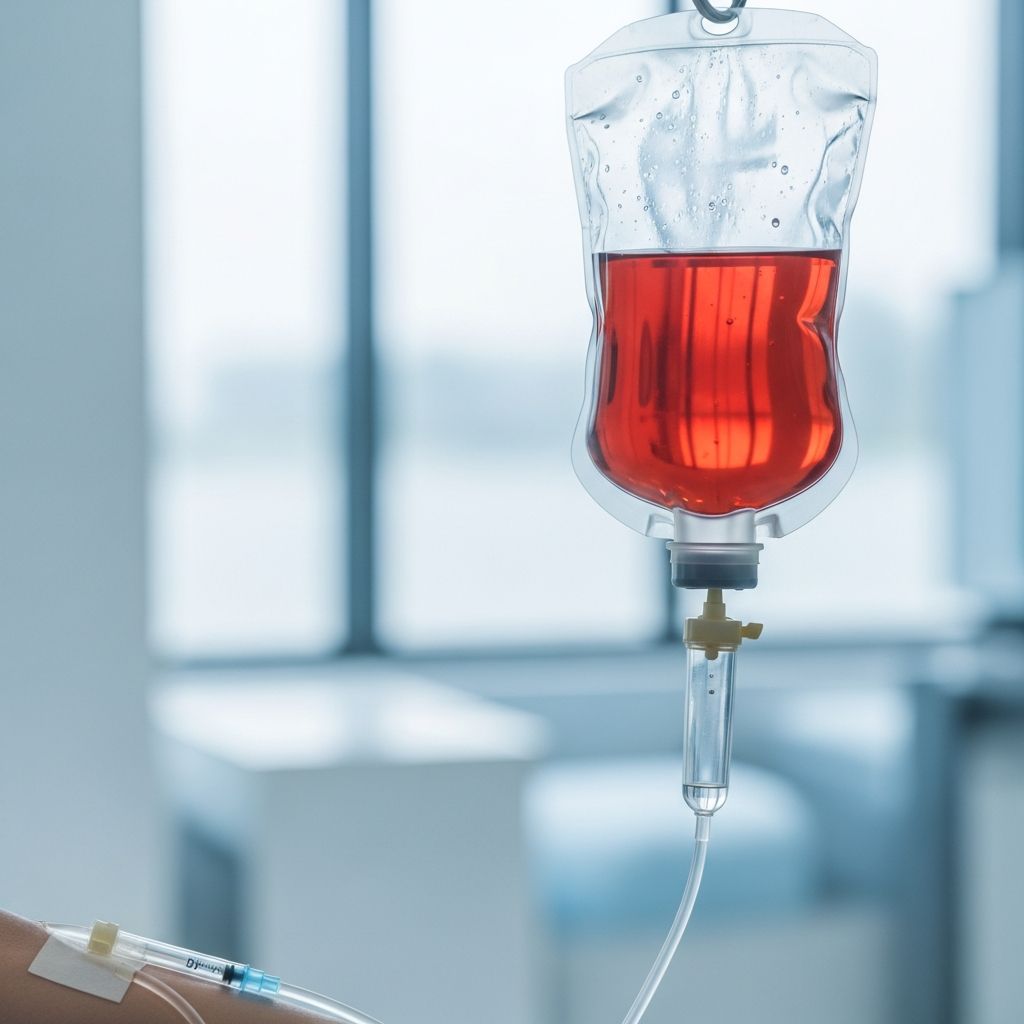
An iron infusion is a medical procedure that delivers iron directly into your bloodstream through a needle inserted into a vein in your arm or hand. This treatment, also known as intravenous (IV) iron supplementation, represents a highly effective method for rapidly correcting iron deficiency anemia when oral supplements prove inadequate or ineffective.
What Is Intravenous Iron Supplementation?
Intravenous iron supplementation is a method of delivering iron by injection through a needle directly into a patient’s vein. Unlike oral iron supplements that must be absorbed through the digestive tract, IV iron bypasses the gastrointestinal system entirely, allowing the body to absorb nearly 100% of the iron delivered. This direct delivery method proves particularly beneficial for patients who struggle with oral supplements or have conditions that compromise their ability to absorb iron through normal digestive processes.
The procedure typically takes place in a doctor’s office or clinic setting. Depending on the specific iron formulation prescribed and the dosage required, the procedure may take anywhere from 15 minutes to several hours. A healthcare provider will insert an IV line connected to a drip bag containing iron mixed with saline solution, which is then infused directly into your bloodstream while a medical professional monitors you throughout the process.
Who Should Receive Intravenous Iron Supplementation?
Patients typically receive IV iron when they cannot tolerate or adequately absorb oral iron supplements. Healthcare providers commonly recommend intravenous iron supplementation for several specific patient populations:
Patients with gastrointestinal bleeding who need to replace iron quickly benefit from IV iron’s rapid absorption rate compared to oral formulations. Patients experiencing active bleeding lose iron continuously, making the faster action of intravenous therapy particularly valuable.
Individuals with inflammatory bowel disease, including conditions such as Crohn’s disease and ulcerative colitis, often cannot absorb iron effectively through their compromised intestinal systems. These diseases damage the intestinal lining, reducing the body’s ability to extract and utilize iron from oral supplements.
Chronic kidney disease patients frequently develop iron deficiency anemia as a complication of their condition. Additionally, cancer patients undergoing treatment who develop anemia and are taking erythropoiesis-stimulating agents (ESAs) may benefit from IV iron therapy to improve treatment effectiveness.
People who experience severe side effects from oral iron supplements, such as significant gastrointestinal distress, nausea, or constipation, represent another important candidate group for IV iron therapy. For these patients, the direct intravenous route eliminates digestive tract exposure to iron compounds entirely.
How Iron Infusions Work
Before receiving an iron infusion, your healthcare provider will conduct blood tests to assess your current iron status. These tests typically include checking your hemoglobin levels, ferritin stores, and overall iron concentration. This baseline information allows your provider to calculate the precise dose you need based on your weight and current hemoglobin levels.
Related Stories



During the actual infusion procedure, a healthcare provider will insert an IV needle into a vein in your arm or hand. Iron mixed with saline solution flows through the IV line into your bloodstream. Because IV iron bypasses the digestive system completely, it begins working immediately to help your bone marrow produce new red blood cells and restore oxygen delivery throughout your body.
The iron delivered intravenously is absorbed with near-complete efficiency, with studies showing absorption rates approaching 100% compared to only 10-15% absorption from oral supplements even under ideal conditions. This dramatic difference in absorption explains why IV iron produces faster symptom relief and more rapid correction of anemia.
The Iron Infusion Procedure: What To Expect
Duration of treatment: A typical iron infusion can take anywhere from 15 to 30 minutes, though some formulations may require up to 60 minutes or longer depending on the total iron dose being administered. A standard dose of 1,000 milligrams of iron can typically be delivered within this timeframe.
During your appointment: Once you arrive at the clinic or doctor’s office, staff will verify your identity and review your medical history. The healthcare provider will discuss what to expect, answer any questions, and may perform a quick physical examination. You’ll then be directed to a comfortable treatment area where you’ll typically sit or recline during the infusion.
The injection: A nurse or physician will clean the injection site with an antiseptic solution and insert the IV needle into a vein. While you may feel a slight pinch during needle insertion, the process is generally well-tolerated and relatively quick. Once the IV is established, the iron infusion begins flowing into your bloodstream.
Monitoring during infusion: A healthcare provider will remain nearby throughout your infusion to monitor for any adverse reactions or complications. They will check your vital signs periodically and assess how you’re tolerating the treatment.
Post-infusion monitoring: After the iron infusion is complete, healthcare providers will monitor you for at least 30 minutes to ensure you don’t experience any delayed adverse reactions. This observation period is a standard safety measure to catch any complications before you leave the facility.
Treatment Duration and Dosing
The number of iron infusions you’ll need depends on several factors, including the severity of your iron deficiency, your underlying health condition, and your individual response to treatment. Some patients may require only a single infusion, while others need multiple doses administered over several weeks.
Your healthcare provider will determine your specific treatment schedule based on your unique situation. The process of fully correcting iron levels and resolving anemia typically takes approximately two months. During this period, you may receive one to two doses spaced throughout the treatment course.
Before your infusion, inform your healthcare provider about any allergies, current medications, supplements you’re taking, and any history of allergic reactions. This information helps your provider select the most appropriate iron formulation and determine the optimal dose for your needs.
Benefits of Iron Infusion Therapy
Iron infusions offer numerous advantages over traditional oral iron supplementation, making them an increasingly preferred treatment option for appropriate candidates.
Superior absorption: By delivering iron directly into the bloodstream, IV iron achieves absorption rates up to 10 times higher than oral supplements, ensuring your body receives and utilizes nearly all the iron administered.
Rapid symptom relief: Because IV iron begins working immediately without requiring digestive processing, many patients experience noticeable improvement in fatigue, brain fog, and shortness of breath within days rather than weeks.
Better tolerability: Multiple studies demonstrate that modern iron infusions are more effective and better tolerated than oral iron supplements, and they rarely cause serious adverse reactions.
No gastrointestinal side effects: Since IV iron completely bypasses the digestive tract, patients avoid the gastrointestinal distress commonly associated with oral iron supplements, including nausea, constipation, abdominal cramping, and dark stools.
Improved energy and oxygen transport: By rapidly restoring healthy hemoglobin levels and red blood cell production, iron infusions enhance oxygen delivery throughout your body, leading to increased energy, improved exercise tolerance, and better overall functioning.
Enhanced cognitive function: Iron plays a crucial role in brain function and oxygen delivery to neural tissue. Correcting iron deficiency through IV therapy can improve focus, concentration, and mental clarity.
Resolution of anemia symptoms: Iron infusions effectively correct iron-deficiency anemia and alleviate associated symptoms including restless legs syndrome, hair and nail problems, and compromised immune function.
Timeline for Feeling Better After Iron Infusion
The speed at which you experience symptom improvement after an iron infusion varies based on individual factors, but most patients notice positive changes relatively quickly:
| Timeline | Expected Improvements | What’s Happening In Your Body |
|---|---|---|
| 3-7 days | Noticeable improvement in fatigue, focus, or dizziness | Oxygen delivery improves as new red blood cells begin forming |
| 2-4 weeks | Steady rise in energy and stamina | Hemoglobin increases 1-2 g/dL; oxygen levels normalize |
| 6-8 weeks | Feel fully recharged and stronger | Iron stores and red blood cell production stabilize |
However, the timing of improvement depends on several factors including the severity of your initial anemia, whether you have underlying chronic conditions causing ongoing blood loss, your overall health status, and factors such as sleep quality, hydration, and nutrition. Some people experience faster improvement if their anemia was mild or caught early, if they received a higher-dose IV formula, or if they don’t have chronic inflammation or ongoing blood loss.
Normally, you may begin to feel better within several days to a week after starting your iron infusion, though continued improvement occurs over the following weeks and months as your iron stores fully replenish.
Side Effects of Intravenous Iron
Iron infusion side effects are usually minimal and well-tolerated, particularly with modern iron formulations. Most patients experience few to no complications from the procedure.
Common side effects may include:
- Gastrointestinal discomfort, including mild nausea, abdominal cramping, or constipation
- Headache or dizziness
- Muscle or joint aches
- Minor discomfort or bruising at the injection site
- Flushing or a metallic taste in your mouth
- Transient fever or chills
These side effects typically resolve quickly on their own without requiring specific treatment. Continue monitoring your symptoms after your infusion and note any side effects you experience. If you have concerns about any symptoms, contact your healthcare provider.
Serious side effects are rare but may include severe allergic reactions, chest pain, shortness of breath, or severe hypotension. Seek immediate medical attention if you experience any of these symptoms during or after your infusion.
Follow-Up Care and Monitoring
After your iron infusion, your healthcare provider will establish a monitoring schedule to track your treatment response and ensure your iron levels reach and maintain healthy ranges:
| Timeline | Action | Purpose |
|---|---|---|
| 2-4 weeks | Recheck ferritin and hemoglobin levels | Confirm treatment response and adjust plan if needed |
| 6-8 weeks | Repeat labs if symptoms persist | Determine if repeat infusion is necessary |
| Every 3-6 months | Routine monitoring and blood work | Maintain healthy iron levels and catch deficiency early |
Regular follow-up blood work helps confirm the treatment is working effectively and tracks your overall recovery progress. If your symptoms persist despite the initial infusion, your provider may recommend additional infusions or investigate underlying causes of continued iron loss.
Comparison: IV Iron vs. Oral Iron Supplements
While both IV and oral iron supplements treat iron deficiency anemia, they differ significantly in effectiveness, speed of action, and tolerability. IV iron achieves near-complete absorption (approaching 100%) compared to only 10-15% absorption from oral supplements, even under optimal conditions. This superior absorption allows IV iron to produce symptom relief within days, whereas oral supplements typically require 3-6 months for full effect.
Patients tolerate IV iron better overall, with minimal gastrointestinal side effects compared to the nausea, constipation, and abdominal cramping frequently associated with oral formulations. However, oral iron remains appropriate for mild deficiencies or patients who can tolerate oral supplements effectively.
Frequently Asked Questions
How long does an iron infusion session take?
A typical iron infusion takes 15 to 30 minutes, though some formulations may require up to 60 minutes depending on the total dose. A standard dose of 1,000 milligrams of iron can be delivered within this timeframe.
Is an iron infusion painful?
Most people find iron infusions well-tolerated. While you may feel a slight pinch when the needle is inserted, the procedure is generally quick and relatively painless. Some minor discomfort or bruising at the injection site may occur, but healthcare providers take measures to minimize any discomfort.
When will I feel the effects of my iron infusion?
Many patients notice improved energy levels and symptom improvement within a few days to a week after their infusion. Noticeable improvement in fatigue and focus typically occurs within 3-7 days, with steady energy increases over 2-4 weeks and full benefits by 6-8 weeks.
How many iron infusions will I need?
The number of infusions required depends on your specific condition and iron deficiency severity. Some patients need only one dose, while others require one or two doses over several weeks. It typically takes about two months to fully correct iron levels and resolve anemia. Your healthcare provider will determine your specific treatment plan.
What conditions warrant iron infusion treatment?
Iron infusions are recommended for patients with gastrointestinal bleeding, inflammatory bowel disease, chronic kidney disease, cancer-related anemia, or those who cannot tolerate or adequately absorb oral iron supplements due to digestive issues or other medical conditions.
Are there serious side effects from iron infusions?
Serious side effects are rare with modern iron formulations. Most side effects are minimal and include mild gastrointestinal discomfort, headache, or minor injection site reactions. Severe allergic reactions or chest pain are uncommon but warrant immediate medical attention.
Can I resume normal activities after my iron infusion?
Most patients can resume normal activities immediately after their infusion. You’ll be monitored for 30 minutes post-infusion to ensure no delayed reactions occur. If you experience any unusual symptoms, contact your healthcare provider.
References
- Iron Infusion: Benefits, Side Effects & What To Expect — Cleveland Clinic. 2024. https://my.clevelandclinic.org/health/treatments/14571-intravenous-iron-supplementation
- How Long After Iron Infusion Will I Feel Better? Mobile IV Therapy — IV Concierge. 2024. https://ivconcierge.com/blog/iron-infusion-results-timeline/
- Iron-Deficiency Anemia: Symptoms, Causes & Treatment — Cleveland Clinic. 2024. https://my.clevelandclinic.org/health/diseases/22824-iron-deficiency-anemia
Similar Articles








Read full bio of Sneha Tete