Iron Infusion Therapy: Complete Patient Guide
Discover how intravenous iron infusions effectively treat iron deficiency anemia when oral supplements fail, offering rapid recovery and minimal discomfort.
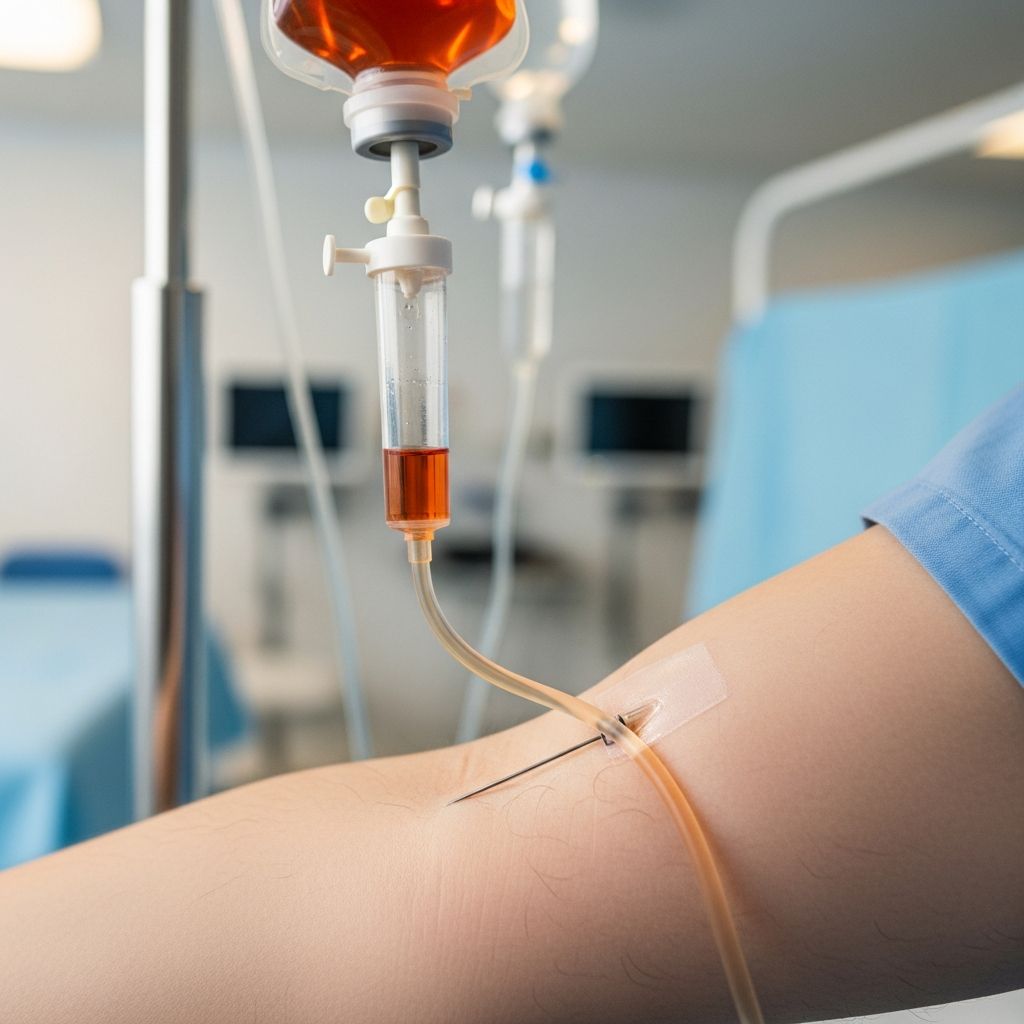
Iron infusion therapy delivers iron directly into the bloodstream via an intravenous line, providing a swift solution for individuals with iron deficiency anemia who cannot benefit from oral supplements. This method ensures rapid absorption, bypassing digestive limitations, and is particularly valuable for those with chronic illnesses or absorption issues.
The Role of Iron in Maintaining Health
Iron serves as a critical mineral essential for producing hemoglobin, the protein in red blood cells responsible for transporting oxygen throughout the body. Without sufficient iron, the body struggles to generate adequate red blood cells, leading to iron deficiency anemia characterized by fatigue, weakness, shortness of breath, and pale skin.
Common causes include inadequate dietary intake, blood loss from heavy menstruation or gastrointestinal bleeding, pregnancy demands, or malabsorption conditions like celiac disease or inflammatory bowel disease. In such cases, oral iron tablets may prove ineffective due to poor absorption or intolerable side effects like nausea and constipation.
Understanding Iron Deficiency Anemia
Iron deficiency anemia affects millions worldwide, often going undiagnosed until symptoms impair daily life. It manifests through persistent tiredness, dizziness, rapid heartbeat, and reduced exercise capacity. Laboratory tests confirming low hemoglobin, ferritin, and serum iron levels are key to diagnosis.
Untreated, it can lead to severe complications such as heart strain, developmental delays in children, or worsened outcomes in chronic diseases like kidney failure. Early intervention through appropriate therapy is crucial for restoring vitality.
Why Choose Intravenous Iron Over Oral Supplements?
- Rapid Replenishment: IV delivery raises iron levels within days to weeks, compared to months with pills.
- Bypasses Gut Issues: Ideal for patients with absorption problems or gastrointestinal intolerance.
- Higher Doses: Allows administration of larger iron amounts safely in one session.
- Improved Tolerance: Avoids common oral side effects like stomach upset.
Clinical evidence shows hemoglobin increases of 2-3 g/dL within two weeks post-infusion, with ferritin stores replenished efficiently.
Patient Groups Who Benefit Most
Certain populations derive exceptional value from this therapy:
- Pregnant women in the third trimester needing quick iron boosts for maternal and fetal health.
- Individuals with chronic kidney disease on dialysis.
- Patients post-bariatric surgery or with celiac disease.
- Those experiencing ongoing blood loss from ulcers or heavy periods.
- Cancer patients undergoing chemotherapy that depletes iron.
Available Iron Formulations for Infusion
Several FDA-approved iron preparations exist, each with unique dosing schedules and safety profiles. Providers select based on patient needs, total iron deficit, and facility protocols.
| Formulation | Typical Dose | Infusion Time | Key Notes |
|---|---|---|---|
| Iron Sucrose (Venofer) | 200-300 mg per session | 15-60 minutes | Common for CKD; multiple doses needed. |
| Ferric Derisomaltose (Monofer) | Up to 1000 mg single dose | 20-30 minutes | Fewer visits; rapid administration. |
| Ferric Carboxymaltose | 750-1000 mg | 15 minutes | Suitable for quick outpatient treatment. |
| Hydroxide Maltose Complex | 1000 mg | 1 hour | Effective for severe deficiency. |
Related Stories



These options ensure flexibility, with total iron requirements calculated via formulas like Ganzoni: Total Iron Deficit = Body weight (kg) × (Target Hb – Actual Hb) × 2.4 + Storage Iron.
Step-by-Step Procedure Overview
The process is straightforward and conducted in outpatient settings like clinics or hospitals.
- Pre-Procedure Assessment: Blood tests confirm iron needs; vital signs checked; allergies reviewed.
- IV Access: A nurse inserts a cannula into a vein in the arm or hand after cleaning the site.
- Test Dose: Small amount given to monitor for reactions.
- Main Infusion: Iron mixed with saline drips slowly; duration varies from 15 minutes to 4 hours.
- Observation: Monitored for 30-60 minutes post-infusion for stability.
Patients often relax with reading or entertainment during the session, feeling only mild coolness or metallic taste.
Preparation Tips Before Your Appointment
- Fast if instructed, typically not required.
- Wear comfortable clothing with sleeve access.
- Arrange transport if sedation is used (rare).
- Inform about medications, especially antibiotics or ACE inhibitors.
- Hydrate well to ease vein access.
Discuss anxieties with your healthcare team for reassurance.
Potential Side Effects and Management
Most patients tolerate infusions well, but awareness of reactions is essential.
Common (Mild, Transient):
- Headache or dizziness
- Nausea or flushing
- Metallic taste or muscle cramps
- IV site irritation.
Rare but Serious:
- Allergic reactions (rash, swelling, breathing issues) – immediate medical attention needed.
- Hypotension or chest pain.
Report symptoms promptly; staff are trained to pause and treat. Premedication with antihistamines may be given for at-risk patients.
Post-Infusion Care and Recovery
Recovery is swift; most resume activities same day.
- Rest and hydrate for 24 hours.
- Avoid strenuous exercise initially.
- Monitor for delayed reactions like joint pain.
- Follow-up blood tests in 2-4 weeks assess response.
Symptom relief like boosted energy appears within 1-2 weeks as hemoglobin rises.
Expected Outcomes and Effectiveness
Studies demonstrate high success rates: 80-90% achieve target hemoglobin with 1-2 infusions. Ferritin normalizes, enhancing oxygen delivery and vitality. Long-term, it reduces transfusion needs in eligible patients.
Iron Infusion vs. Other Treatments
| Treatment | Pros | Cons | Best For |
|---|---|---|---|
| Oral Iron | Convenient, inexpensive | Slow, GI upset | Mild cases. |
| IM Injection | Quick dose | Painful, discoloration | Rarely used. |
| IV Infusion | Fast, effective | Severe/urgent needs. | |
| Blood Transfusion | Immediate Hb boost | Risks of overload | Acute emergencies. |
Frequently Asked Questions (FAQs)
Is iron infusion painful?
Minimal discomfort from IV insertion; infusion feels like a cool sensation.
How many infusions are needed?
Often 1-3, based on deficit; some formulations allow single high-dose.
Can I drive after?
Yes, unless reactions occur; monitor yourself.
Is it safe during pregnancy?
Yes, especially third trimester under supervision.
What if I have allergies?
Disclose history; test doses mitigate risks.
How soon do benefits start?
Energy improves in 1-3 weeks.
Consulting Your Healthcare Provider
Discuss suitability, risks, and alternatives. Regular monitoring ensures optimal results. Iron infusion therapy transforms lives by combating anemia effectively.
References
- What You Need to Know About Anemia Iron Infusion Treatment — Premier Hematology. 2023. https://premierhematology.com/blog/what-you-need-to-know-about-anemia-iron-infusion-treatment/
- Intravenous (IV) Iron Infusion — Healthdirect (Australian Government). 2024. https://www.healthdirect.gov.au/iron-infusion
- Intravenous (IV) iron infusion | Monofer — Cambridge University Hospitals NHS. 2023. https://www.cuh.nhs.uk/patient-information/intravenous-iv-iron-infusion-monofer-a-combination-of-iron-and-ferric-derisomaltose/
- Iron Infusion: Uses, Benefits, and Side Effects — WebMD. 2024. https://www.webmd.com/a-to-z-guides/iron-infusion
- What Should You Expect from an Iron Infusion Session — Cohamed. 2023. https://www.cohamed.com/blog/what-to-expect-from-an-iron-infusion
- Iron Infusion: Benefits, Side Effects, and What to Expect — Healthline. 2024. https://www.healthline.com/health/iron-infusion
- Iron sucrose (intravenous route) — Mayo Clinic. 2025. https://www.mayoclinic.org/drugs-supplements/iron-sucrose-intravenous-route/description/drg-20075836
Similar Articles








Read full bio of Sneha Tete