Iron Oral Supplements for Anemia: Treatment Guide
Complete guide to ferrous sulfate and oral iron supplements for treating iron-deficiency anemia.
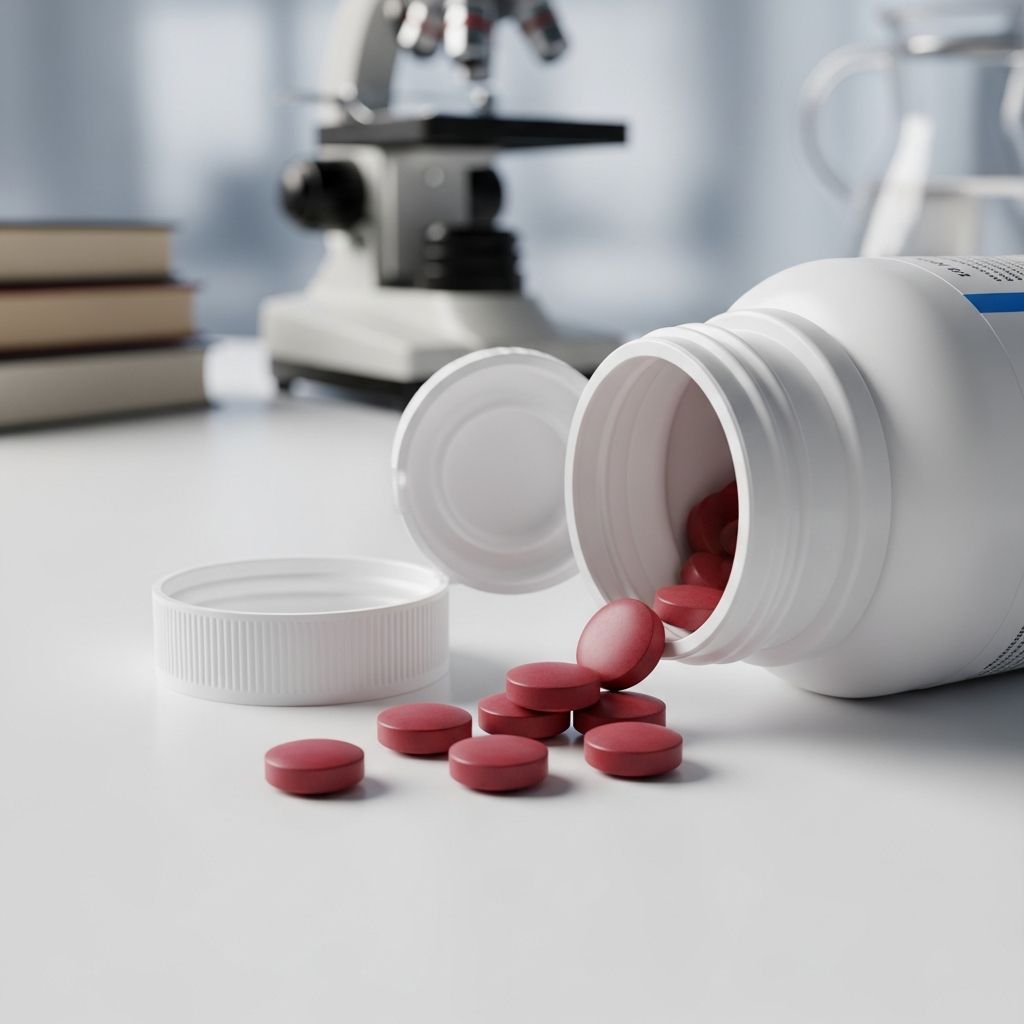
Understanding Iron Oral Supplements for Anemia
Iron is an essential mineral that your body needs to create hemoglobin, a protein in red blood cells that carries oxygen throughout your body. When you don’t have enough iron, your body cannot produce adequate hemoglobin, leading to a condition known as iron-deficiency anemia. Ferrous sulfate is one of the most commonly prescribed oral iron supplements used to prevent and treat this condition. If dietary changes alone are insufficient to restore iron levels, your healthcare provider may recommend ferrous sulfate or other oral iron supplements to help you maintain healthy hemoglobin and iron levels.
What is Ferrous Sulfate?
Ferrous sulfate is a type of iron supplement available in both tablet and liquid forms. This supplement contains elemental iron, which is the actual amount of iron your body can absorb and utilize. When selecting an iron supplement, it’s crucial to check the label for the elemental iron content, as different formulations contain varying amounts. A higher elemental iron content means your body will absorb more iron from each dose, making it more effective for treating iron deficiency.
Who Needs Iron Supplements?
While most people obtain sufficient iron through their diet, certain groups have a higher risk of developing iron-deficiency anemia and may benefit from supplementation. Women of childbearing age are particularly vulnerable due to menstrual blood loss. Other groups at higher risk include:
- Pregnant and postpartum women
- Individuals with chronic kidney disease
- People with gastrointestinal disorders affecting nutrient absorption
- Vegetarians and vegans who may consume less bioavailable iron
- Athletes, particularly female athletes experiencing reduced performance
- Individuals with chronic blood loss conditions
Iron-Deficiency Anemia: Causes and Risk Factors
Iron-deficiency anemia develops when your body lacks sufficient iron to produce adequate red blood cells. Several factors can lower your body’s iron supply, including inadequate dietary intake, blood loss, pregnancy, and certain medical conditions that interfere with iron absorption. The condition is the most common type of anemia worldwide.
Symptoms of iron-deficiency anemia may not appear in mild cases, but more severe cases can cause fatigue, shortness of breath, dizziness, cold hands and feet, pale skin, and weakness. If you experience these symptoms, it’s important to consult your healthcare provider for proper evaluation and diagnosis.
Diagnosis of Iron-Deficiency Anemia
To diagnose iron-deficiency anemia, your healthcare provider typically orders a blood test that measures your complete blood count, including hemoglobin levels and red blood cell count. If these levels are low, your provider can confirm a diagnosis of anemia and determine the underlying cause. Additional tests may assess your iron stores, ferritin levels, and serum iron saturation to guide treatment decisions.
Treatment Options for Iron Deficiency
The treatment approach for iron-deficiency anemia depends on its underlying cause. Your healthcare provider may recommend a multi-faceted approach that includes dietary modifications, oral supplementation, or in some cases, intravenous iron therapy. Eating foods rich in iron, such as lean meats, beans, fortified cereals, and leafy greens, forms the foundation of treatment. However, when dietary iron alone is insufficient, oral iron supplements like ferrous sulfate become necessary.
Related Stories



Oral Iron Supplementation
Oral iron supplements offer a convenient and effective way to increase your body’s iron and hemoglobin levels. The primary benefit of oral supplementation is its accessibility and ease of administration. Your healthcare provider will prescribe the appropriate dose based on your individual needs and iron levels.
Dosing Strategies
Research has shown that different oral iron dosing strategies produce varying results in treating iron-deficiency anemia. A large clinical study comparing three dosing approaches—daily, multidose per day, and alternate-day dosing—found that multiple doses per day provided the most significant improvements in hemoglobin and iron indices. Specifically:
- Multidose per day strategy showed hemoglobin improvements of 1.75 g/dL at 180 days
- Daily dosing resulted in 1.27 g/dL improvement at 180 days
- Alternate-day dosing showed 1.09 g/dL improvement at 180 days
The typical clinical practice involves administering oral iron two to three times per day, which aligns with the multidose strategy that demonstrated superior outcomes. However, the choice of dosing strategy should consider both the desired rapidity of response and the patient’s tolerance to side effects.
Iron Supplementation and Vitamin C
For many years, healthcare providers recommended taking iron supplements with vitamin C sources, such as orange juice, based on the theory that vitamin C enhances iron absorption. However, recent research challenges this assumption. A randomized clinical trial of nearly 500 people with iron-deficiency anemia found that taking iron supplements alone was just as effective as pairing iron supplements with vitamin C. This suggests that vitamin C supplementation may not provide the additional benefit previously believed, and you can take your iron supplement according to your healthcare provider’s instructions without necessarily pairing it with vitamin C.
Duration of Iron Supplementation
The length of time you need to take an iron supplement depends on your individual circumstances and how your body responds to treatment. Generally, you may begin noticing improvements in your symptoms within one to four weeks of starting supplementation. However, just because your symptoms improve doesn’t mean you should stop taking your supplement.
Your healthcare provider will monitor your hemoglobin and iron levels through intermittent blood tests. After your hemoglobin and iron levels return to normal, you may need to continue the iron supplement for another six months to replenish your iron stores fully. This extended supplementation prevents relapse and ensures your body has adequate iron reserves.
Side Effects of Oral Iron Supplements
While ferrous sulfate is generally well-tolerated, it can cause side effects, particularly affecting the digestive system. Common side effects include:
- Constipation
- Stomach cramps
- Nausea and vomiting
- Dark-colored stools
- Abdominal discomfort
These side effects occur because iron can irritate your digestive tract. If you experience significant side effects, discuss them with your healthcare provider. They may adjust your dosage, recommend taking the supplement with food, or suggest alternative formulations that may be better tolerated. Never stop taking your iron supplement without consulting your healthcare provider.
Important Safety Considerations
Taking iron supplements exactly as prescribed is crucial for both safety and efficacy. Excessive iron supplementation can cause iron overload, leading to serious health complications, particularly in high-risk populations such as those with hereditary hemochromatosis. Only take an iron supplement for as long as your healthcare provider instructs.
If you’re not responding to oral iron replacement therapy, your healthcare provider should conduct additional testing to identify other underlying causes of your iron deficiency. In some cases, intravenous iron may be necessary for patients who cannot tolerate oral supplements or have conditions affecting iron absorption.
Timeline for Improvement
The timeline for improvement varies depending on your treatment method and the severity of your iron deficiency. Patients taking oral iron supplements typically notice improvements within two to three weeks, while those receiving iron infusions may experience relief somewhat sooner. Complete recovery and normalization of iron stores takes longer and requires consistent adherence to your treatment plan.
Long-Term Outlook and Prognosis
With appropriate treatment, the outlook for iron-deficiency anemia is excellent. However, healthcare providers must address any underlying conditions causing the iron deficiency, as iron supplementation is only a temporary solution that doesn’t treat the root cause. For example, if your anemia results from heavy menstrual bleeding, your gynecologist may recommend treatments to reduce bleeding. If it stems from gastrointestinal blood loss, investigation to identify and treat the source is necessary.
Frequently Asked Questions
Q: How much elemental iron do I need to take?
A: The amount of elemental iron you need depends on your individual iron levels and the severity of your deficiency. Your healthcare provider will determine the appropriate dose based on blood tests and your specific condition. Be sure to check your supplement label for the elemental iron content.
Q: Can I take iron supplements with food?
A: While iron is generally absorbed better on an empty stomach, taking it with food may help reduce gastrointestinal side effects. If you experience significant digestive upset, discuss with your healthcare provider whether taking your supplement with food is appropriate for your situation.
Q: What should I do if I experience side effects?
A: Contact your healthcare provider if you experience significant side effects from your iron supplement. They may adjust your dosage, recommend taking it with food, or suggest alternative formulations. Never stop taking your supplement without medical guidance.
Q: Why do my stools turn dark when taking iron?
A: Dark or black stools are a normal side effect of iron supplementation. This occurs because excess iron is eliminated through your digestive system. This is not the same as gastrointestinal bleeding.
Q: How long will I need to take iron supplements?
A: After your hemoglobin and iron levels normalize, you typically need to continue supplementation for another six months to restore full iron stores. Your healthcare provider will monitor your levels through blood tests to determine when you can stop.
Q: Is vitamin C necessary when taking iron supplements?
A: Recent research suggests that taking iron supplements alone is just as effective as pairing them with vitamin C. While vitamin C may enhance absorption in some cases, it is not necessary for iron supplements to be effective.
Q: What happens if I take more iron than prescribed?
A: Excessive iron supplementation can cause iron overload, which leads to serious health complications. Only take the amount prescribed by your healthcare provider and follow their instructions carefully.
Key Takeaways
Ferrous sulfate and other oral iron supplements are effective treatments for iron-deficiency anemia when used appropriately. These supplements work by increasing your body’s iron and hemoglobin levels, helping to restore normal red blood cell function and alleviate symptoms of fatigue and weakness. Multiple daily doses appear to be more effective than daily or alternate-day dosing for improving hemoglobin levels. However, success requires consistent use as directed, monitoring by your healthcare provider, and addressing any underlying causes of your iron deficiency. If you’re concerned about iron deficiency or have been experiencing symptoms of anemia, consult your healthcare provider for proper diagnosis and treatment recommendations.
References
- Multiple daily doses of oral iron supplementation best for improving hemoglobin levels in anemia and chronic kidney disease — American Society of Nephrology, Cleveland Clinic Journal of Medicine. 2023-11-02. https://www.ccjm.org/page/asn-2023/iron-hemoglobin
- Should You Take Iron With Vitamin C? — Cleveland Clinic Health. 2024. https://health.clevelandclinic.org/iron-and-vitamin-c
- Iron Supplements for Anemia (Ferrous Sulfate) — Cleveland Clinic. 2024. https://my.clevelandclinic.org/health/drugs/14568-iron-oral-supplements-for-anemia
- The diagnosis and treatment of iron deficiency and its potential complications — PubMed/National Center for Biotechnology Information. 2006. https://pubmed.ncbi.nlm.nih.gov/16635664/
- Iron-Deficiency Anemia: Symptoms, Causes & Treatment — Cleveland Clinic. 2024. https://my.clevelandclinic.org/health/diseases/22824-iron-deficiency-anemia
Similar Articles








Read full bio of medha deb