Iron Overload: Causes, Symptoms, and Management
Understanding excessive iron accumulation and evidence-based treatment approaches for better health outcomes
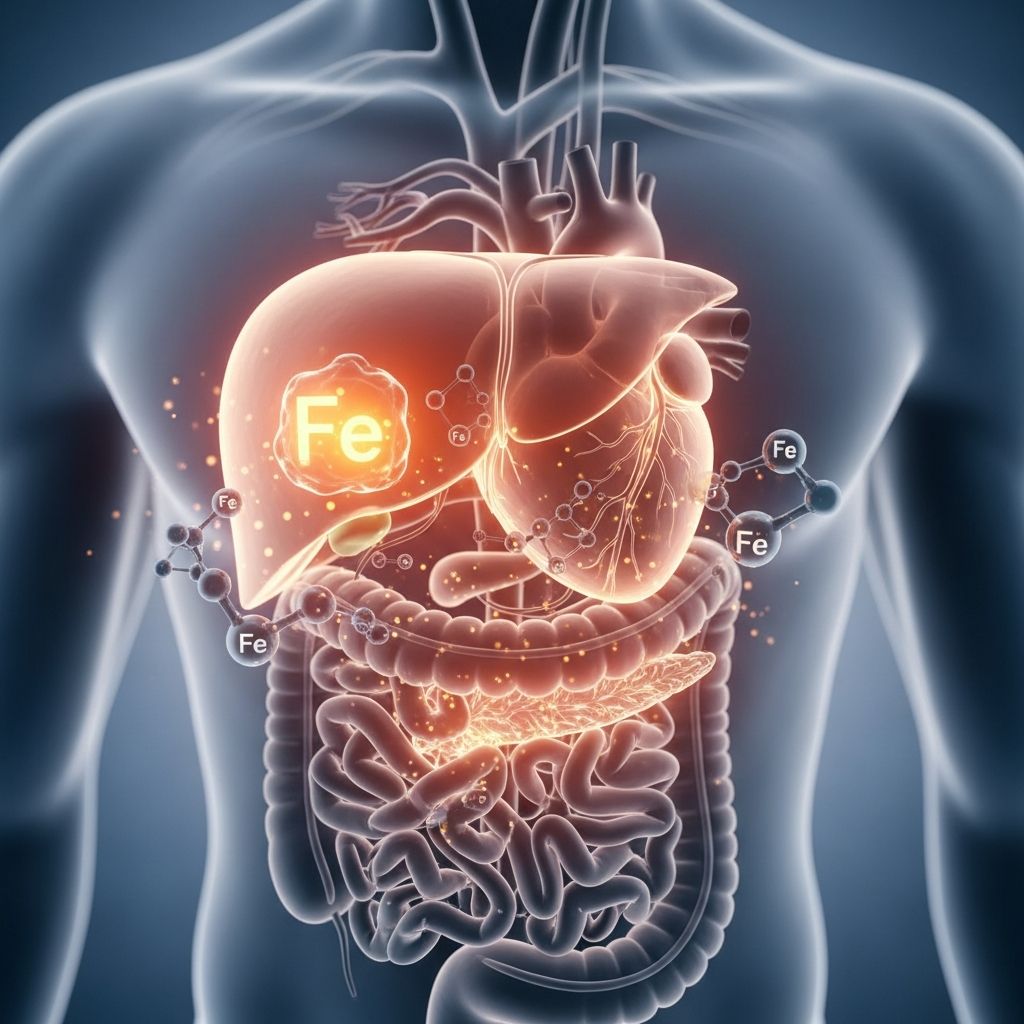
Iron overload, medically termed as iron excess or hemochromatosis in genetic forms, represents a significant health concern where the body accumulates iron beyond its physiological needs. Unlike many nutrients the body can regulate efficiently, iron presents a unique challenge: humans lack an effective biological mechanism to eliminate excess iron from the system. This fundamental physiological limitation means that accumulated iron deposits in vital organs, potentially causing irreversible damage if left unmanaged.
What Is Iron Overload and Why It Matters
Iron overload occurs when iron accumulates excessively in bodily tissues and organs. The condition develops through multiple pathways, making it relevant to diverse patient populations. Understanding the distinction between primary hemochromatosis (genetic-based iron absorption) and secondary iron overload (from transfusions or supplements) helps inform appropriate treatment strategies.
The significance of iron overload extends beyond simple biochemical imbalance. Iron functions as a powerful oxidizer at elevated concentrations, generating reactive oxygen species that damage cellular structures. This oxidative stress triggers a cascade of organ dysfunction, with the liver, heart, pancreas, and endocrine glands being particularly vulnerable. Early recognition and intervention can substantially reduce morbidity and prevent life-altering complications.
How Iron Overload Develops: Multiple Pathways
Iron overload develops through several distinct mechanisms, each requiring different management approaches:
- Genetic absorption disorders: Individuals with hemochromatosis absorb excessive iron from dietary sources due to impaired regulatory mechanisms. The intestines continue absorbing dietary iron without the normal feedback inhibition that limits intake in healthy individuals.
- Transfusion-related accumulation: Patients receiving regular blood transfusions for conditions like thalassemia accumulate iron with each transfusion, as donor red blood cells introduce iron the body cannot eliminate.
- Iatrogenic iron loading: Excessive supplementation, whether through oral supplements, iron-containing multivitamins, or misguided self-treatment, can lead to pathological iron accumulation.
- Combined mechanisms: Some conditions, such as thalassemia, cause iron overload through both transfusion dependency and increased intestinal absorption, creating particularly challenging iron management scenarios.
Recognizing Iron Overload: Clinical Manifestations
Iron overload produces a constellation of symptoms reflecting the organs where iron deposits accumulate. Symptoms often develop insidiously, making early detection challenging:
- General symptoms: Persistent fatigue, weakness, and reduced energy levels represent common early manifestations. Patients often attribute these to aging or other conditions, delaying diagnosis.
- Musculoskeletal effects: Joint pain, particularly affecting the hands and knuckles, occurs in a pattern sometimes called “iron fist.” This arthropathic effect may precede other complications.
- Sexual dysfunction: Loss of libido and erectile dysfunction reflect iron’s effects on hormone-producing glands.
- Abdominal symptoms: Stomach pain and discomfort signal hepatic involvement and iron deposition in the liver.
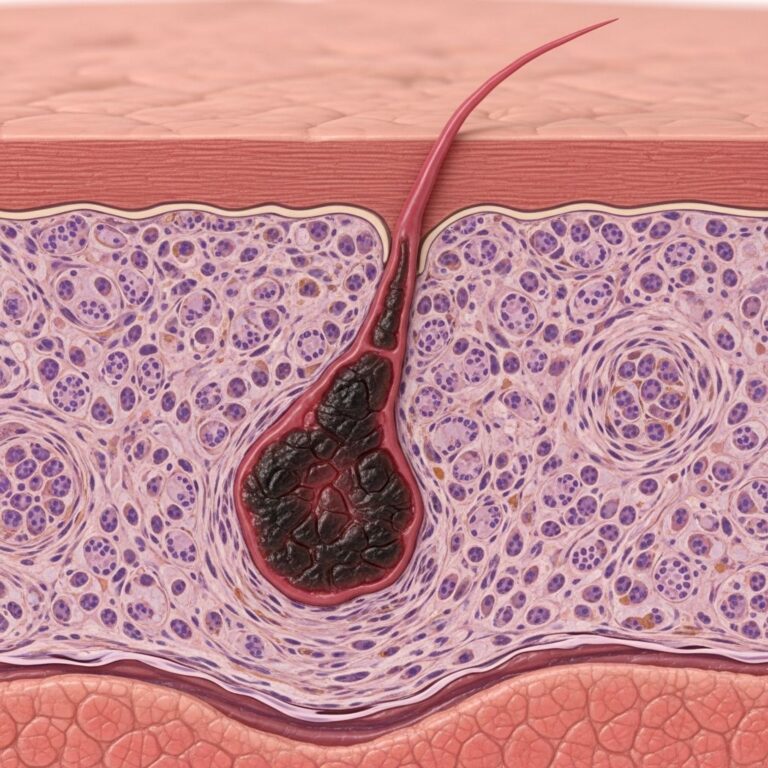
- Dermatological changes: Darkening of skin tone, sometimes described as a bronze or gray appearance, results from iron deposits in dermal structures.
Related Stories



Organ-Specific Complications from Iron Deposition
Different organs show particular vulnerability to iron-induced damage, each producing characteristic complications:
Hepatic Involvement
The liver represents the primary iron storage organ and consequently bears the greatest burden from iron overload. Iron deposits trigger cirrhosis, fibrosis, and hepatocellular carcinoma in advanced cases.
Cardiac Consequences
Cardiac iron deposition produces arrhythmias and heart failure, representing particularly serious complications. Iron-induced cardiomyopathy can develop insidiously, and cardiac dysfunction may be the presenting problem in some patients.
Pancreatic Iron Loading
Iron accumulation in pancreatic tissue impairs insulin production, leading to diabetes mellitus. Patients may experience polyuria (increased urination), persistent thirst, unexplained weight loss, and fatigue.
Endocrine Gland Dysfunction
Iron deposits affect multiple endocrine organs: thyroid dysfunction produces fatigue and metabolic slowdown, parathyroid involvement compromises bone health, and effects on reproductive hormone-producing structures impair puberty development, growth, and fertility.
Diagnostic Approach and Iron Measurement
Clinical diagnosis requires biochemical confirmation rather than symptom assessment alone. Measurements used to guide treatment decisions include:
- Serum ferritin levels: This marker indicates total body iron stores, though ferritin can be elevated by inflammation independent of iron status. Standard treatment targets maintain ferritin between 1,000 and 2,500 ng/mL, with some programs aiming for 500 ng/mL in adult patients.
- Liver iron concentration (LIC): Measured in micrograms per gram of dry weight (µg/g), LIC provides direct assessment of hepatic iron stores. Values exceeding 7,000 µg/g require intensive intervention.
- Cardiac iron assessment: Magnetic resonance imaging (T2* measurements) evaluates cardiac iron burden, with values below 20 milliseconds indicating significant cardiac iron requiring intensified treatment.
Treatment Framework: Restoring Iron Balance
Management of iron overload follows a fundamental principle: the body must be helped to eliminate iron through available physiological pathways. Two primary treatment modalities address this challenge:
Phlebotomy: Removing Iron-Laden Blood
Therapeutic phlebotomy represents the first-line treatment for most patients with iron overload. This procedure involves removing approximately 500 mL of blood at regular intervals, mimicking blood donation. By removing circulating red blood cells—the major physiological reservoir of body iron—phlebotomy reduces iron burden while the body replaces lost blood cells.
Initial treatment frequency may require phlebotomy once or twice weekly, with subsequent intervals extending to every few months once iron levels normalize. Patients may require 50 to 100 phlebotomy procedures to achieve normal iron levels. This approach offers effectiveness, minimal side effects, and relatively low cost, making it the preferred initial therapy when medically feasible.
Chelation Therapy: Medical Iron Removal
For patients unable to tolerate phlebotomy due to medical conditions, chelation therapy provides an alternative iron-removal strategy. This pharmacological approach uses medications that bind excess iron, allowing elimination through urine and feces.
Three FDA-approved iron-chelating medications are available, each with distinct advantages and limitations:
| Chelator | Administration | Dosing Schedule | Primary Route | Notable Side Effects |
|---|---|---|---|---|
| Deferoxamine (Desferal) | Intravenous or subcutaneous injection | Continuous or daily infusion | Renal (urine) | Hearing loss, vision changes, injection site reactions |
| Deferiprone (Ferriprox) | Oral tablets | Three times daily | Renal (urine), cardiac | Neutropenia, agranulocytosis, joint pain, skin rash |
| Deferasirox (Exjade) | Oral tablet or liquid | Once daily | Gastrointestinal (stool) | Renal dysfunction, hepatic effects, gastrointestinal upset |
Deferoxamine (Desferal) represents the most extensively studied chelator with excellent safety and efficacy documentation. It has demonstrated dramatic effects on survival rates and morbidity reduction, though it requires injection therapy.
Deferiprone (Ferriprox) offers oral administration and may prove more effective than deferoxamine specifically for reducing cardiac iron burden. FDA approval expanded its availability for patients not adequately chelated with standard therapies. However, hematological side effects including neutropenia require careful monitoring.
Deferasirox (Exjade) provides convenient once-daily oral dosing, improving compliance potential. However, renal and hepatic side effects necessitate regular monitoring, and gastrointestinal tolerability varies among patients.
Intensive Management for Severe Iron Overload
Patients with particularly elevated iron burdens, significant cardiac iron deposition, or documented organ damage may require aggressive intensification strategies. Treatment decisions in these complex cases require individualization based on specific iron distribution patterns and organ involvement:
- High-dose continuous deferoxamine therapy (up to 24 hours daily) via central intravenous catheters provides maximal iron removal capacity
- Combination chelation therapy using two complementary agents may exceed single-agent efficacy
- Monitoring intensity increases substantially, with ferritin assessment every 2-3 months and cardiac/hepatic imaging within 6 months
- Cardiology consultation becomes essential when cardiac dysfunction is present
Monitoring and Goal-Directed Treatment
Effective iron overload management requires systematic monitoring protocols. Treatment targets vary based on condition severity and organ involvement. Patients with genetic hemochromatosis who lack significant iron loading at diagnosis may benefit from monitoring rather than immediate treatment, with intervention beginning when ferritin approaches 30 μg/L.
Regular laboratory assessment tracks ferritin levels, iron studies monitor overall iron status, and imaging studies evaluate organ-specific iron burden. Compliance with prescribed treatment represents the critical success factor—the most effective chelation or phlebotomy regimen provides no benefit if the patient cannot adhere to the protocol.
Dietary Considerations and Supportive Management
While not a primary treatment, dietary modifications complement pharmacological and phlebotomy approaches. Limiting supplemental iron, moderating dietary iron-rich foods, and reducing alcohol consumption (which accelerates iron-induced organ damage) all contribute to overall management strategy.
Frequently Asked Questions
Can iron overload be prevented?
Preventing iatrogenic iron overload involves avoiding unnecessary supplementation and excessive multivitamin use. Genetic hemochromatosis cannot be prevented but can be effectively managed with early detection and appropriate treatment.
How long does chelation therapy take?
Duration depends on baseline iron burden and treatment intensity. Some patients require months to years of continuous therapy to achieve target iron levels, with ongoing maintenance therapy needed thereafter.
Are chelation side effects reversible?
Some side effects, such as joint pain or gastrointestinal symptoms, may resolve with dose adjustment or medication switching. However, some effects like permanent hearing loss from deferoxamine require prevention through careful monitoring rather than reversal.
Can organ damage from iron overload be reversed?
Early-stage iron-induced organ dysfunction may improve with chelation therapy, particularly cardiac arrhythmias and heart failure symptoms. However, advanced cirrhosis or permanent organ damage cannot be reversed through iron removal alone.
References
- Iron Overload and Chelation Therapy — UCSF Thalassemia Center. Accessed 2026. https://thalassemia.ucsf.edu/iron-overload-and-chelation-therapy
- Iron Overload Disorder (Hemochromatosis) – Treatment — UT Health San Antonio, Cancer Center. Accessed 2026. https://cancer.uthscsa.edu/cancer-care/conditions/iron-overload-disorder-hemochromatosis
- Treatment Options for Iron Overload — University College London Hospitals (UCLH) NHS. Accessed 2026. https://www.uclh.nhs.uk/patients-and-visitors/patient-information-pages/treatment-options-iron-overload
- Hemochromatosis: Signs, Causes and Treatment — Banner Health. Accessed 2026. https://www.bannerhealth.com/services/hematology/hemochromatosis
- Hemochromatosis — StatPearls, National Center for Biotechnology Information (NCBI). 2024. https://www.ncbi.nlm.nih.gov/books/NBK430862/
- Hemochromatosis (Iron Overload): Symptoms & Treatment — Cleveland Clinic. Accessed 2026. https://my.clevelandclinic.org/health/diseases/14971-hemochromatosis-iron-overload
- Hemochromatosis | Iron Overload — MedlinePlus, National Library of Medicine. Accessed 2026. https://medlineplus.gov/hemochromatosis.html
Similar Articles








Read full bio of Sneha Tete