Iron Supplements For Infants And Kids: Safe Dosage Guide
Essential guidance on when iron supplements benefit babies and children, balancing needs with potential risks for optimal growth.
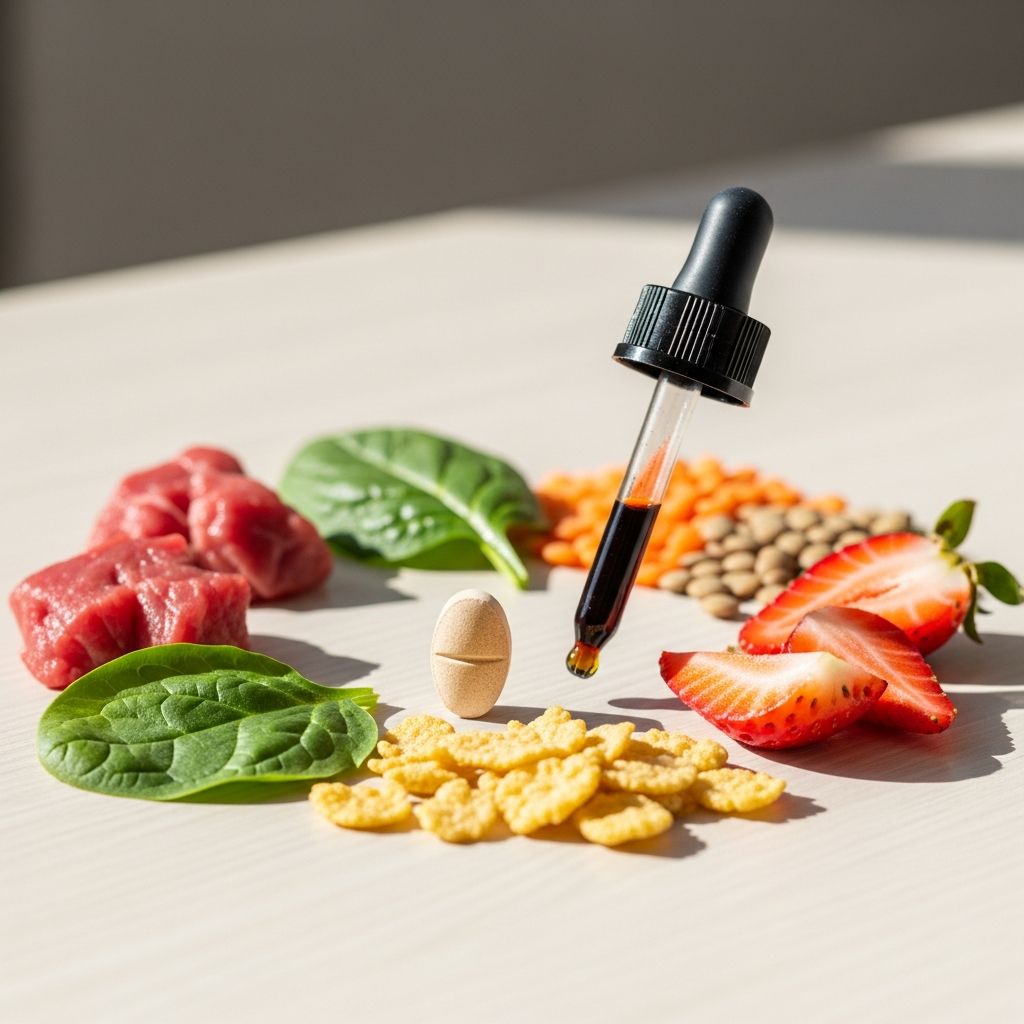
Iron is a vital mineral that supports oxygen transport in blood, energy production, and brain development in growing children. While most infants start with adequate iron stores from birth, rapid growth can deplete these reserves, making strategic supplementation necessary in certain cases. This article delves into the science-backed needs, safe practices, and precautions for iron use in babies and young children.
The Critical Role of Iron in Early Development
Iron forms the core of hemoglobin, the protein in red blood cells that carries oxygen throughout the body. In infants and children, sufficient iron levels are linked to healthy physical growth, cognitive function, and immune strength. Deficiency can impair attention, learning, and motor skills, while adequate intake prevents these issues.
During the first six months, full-term babies rely on iron accumulated in utero, supplemented by breast milk’s highly bioavailable form. However, exclusive breastfeeding beyond four months may require added iron for some, as milk alone provides limited amounts. Formula-fed infants often receive fortified products that meet daily requirements.
Identifying Iron Needs by Age Group
Iron requirements vary by age, feeding method, and health status. Full-term, breastfed infants typically need supplementation starting at four months if solely on breast milk, at 1 mg per kg of body weight daily until iron-rich foods are introduced. Preterm or low-birth-weight babies have lower initial stores and often require earlier, higher doses tailored by pediatricians.
- 0-6 months: Breastfed full-term babies may need drops from 4 months; formula-fed get it via fortification.
- 7-12 months: Transition to solids with heme iron from meats boosts intake naturally.
- 1-3 years: Toddlers need 7 mg daily from diet; supplements only if deficient.
- 4+ years: School-age kids require 10 mg daily, monitored via diet and blood tests.
Authorities like the American Academy of Pediatrics (AAP) emphasize testing before routine supplementation to avoid excess.
Signs and Consequences of Iron Deficiency
Iron deficiency anemia (IDA) affects growth and behavior. Common indicators include pale skin, fatigue, poor appetite, and developmental delays like reduced social engagement or attention. In severe cases, it leads to irreversible cognitive setbacks if untreated.
Risk factors encompass prematurity, exclusive breastfeeding past six months without supplements, vegetarian diets, or conditions like celiac disease impairing absorption. Routine screening at 9-12 months catches most cases early.
When Supplements Are Recommended
Not all children need pills or drops. Healthy, formula-fed full-term infants usually meet needs through fortified products. Breastfed ones may benefit from liquid supplements if blood tests show low ferritin levels. Pediatricians base decisions on hemoglobin, diet history, and growth charts.
| Group | Recommended Dose | Source |
|---|---|---|
| Breastfed 4-6 months | 1 mg/kg/day | Oral drops |
| Preterm infants | 2-4 mg/kg/day | Consult doctor |
| Toddlers with deficiency | 3-6 mg/kg/day therapeutic | Under supervision |
Always use pediatric formulations to minimize side effects.
Related Stories



Potential Side Effects and Safety Concerns
While beneficial for deficient children, iron supplements in those with sufficient levels can pose risks. Studies show excess may hinder growth, neurodevelopment, and increase infection susceptibility. For instance, iron-fortified formula in non-anemic infants linked to poorer cognitive and visual-motor skills by age 10.
Common gastrointestinal issues include constipation, nausea, dark stools, and stomach upset, often resolving with time or dose adjustments. High doses risk toxicity, with symptoms like vomiting or organ damage in extremes. Animal models suggest gut microbiota disruption and oxidative stress as mechanisms.
Research indicates iron-replete infants receiving supplements from 4-9 months experienced reduced length and head growth in some trials.
Food-First Approach: Natural Iron Sources
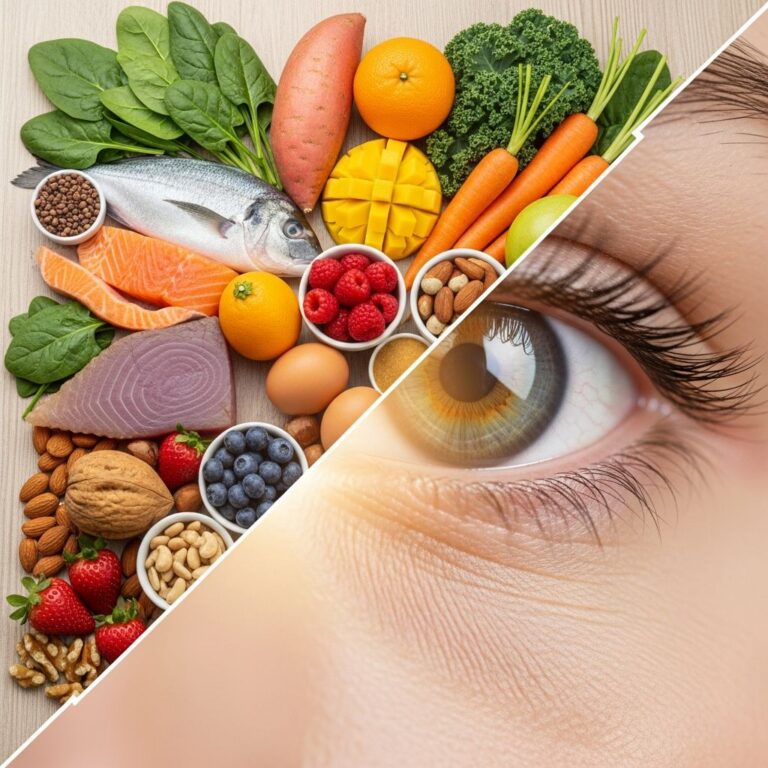
Prioritize dietary iron over supplements when possible. Heme iron from animal products absorbs best (15-35%), versus non-heme (2-20%) from plants, enhanced by vitamin C.
- High-iron foods for babies: Pureed meats, fortified cereals, lentils paired with citrus.
- Toddler options: Red meat, poultry, fish, spinach with strawberries, eggs.
- Avoid inhibitors: Limit milk with meals, as calcium blocks absorption.
Introduce iron-rich solids around six months to align with depleting stores.
Balancing Benefits Against Risks
Controlled trials affirm supplements prevent IDA effectively but highlight adverse effects in low-risk infants, including growth delays and heightened morbidity. A long-term study of 562 infants found high-iron formula from 6-12 months harmed brain development in non-deficient babies. Similarly, Chilean children on 12 mg/L formula showed lags versus low-iron groups.
Guidelines urge baseline iron status checks. The WHO and AAP advocate targeted use, noting breast milk provides optimal bioavailable iron initially. Future research needs better animal models to clarify mechanisms like iron toxicity or microbiota shifts.
Practical Tips for Parents
- Discuss with your pediatrician before starting supplements; request bloodwork.
- Choose liquid drops for infants; mix with juice if taste is an issue.
- Monitor stools and appetite; adjust as needed.
- Incorporate diverse solids early for sustained intake.
- Watch for toxicity signs: Call poison control for accidental overdoses.
Special Considerations for At-Risk Groups
Premature infants, multiples, or those with chronic illnesses face higher deficiency risks and may need prolonged supplementation. Vegetarian families should emphasize fortified foods and pairings like beans with peppers. Adolescent girls warrant monitoring during growth spurts or menstruation.
FAQs on Iron Supplementation
Do all breastfed babies need iron drops?
No, only if exclusively breastfed beyond four months without solids; confirm with a doctor.
Can too much iron harm my child?
Yes, excess in non-deficient kids may delay development and growth per studies.
How do I know if my toddler is iron-deficient?
Look for fatigue, pallor; get hemoglobin/ferritin tests at well-visits.
Are iron-fortified cereals safe daily?
Yes for variety, but balance with other foods to avoid overload.
What if my child refuses supplements?
Try flavors, smaller doses, or focus on diet; consult for alternatives.
Monitoring and Long-Term Health
Regular check-ups track iron status, adjusting as diet evolves. By school age, most children maintain levels through balanced meals. Emphasizing whole foods fosters lifelong healthy habits, minimizing supplement reliance.
Parental vigilance ensures iron supports rather than hinders development, drawing from evidence like AAP and CDC guidance.
References
- Benefits and Risks of Early Life Iron Supplementation — PubMed/PMC. 2022-10-25. https://pubmed.ncbi.nlm.nih.gov/36297062/
- Benefits and Risks of Early Life Iron Supplementation – PMC — PMC. 2022-10-25. https://pmc.ncbi.nlm.nih.gov/articles/PMC9608469/
- What’s the Harm in High-Iron Baby Formula? — UCSD VCHS. 2023-04-01. https://vchs.ucsd.edu/blog/2023/04/whats-the-harm-in-high-iron-baby-formula.html
- Iron supplements might harm infants who have enough — University of Michigan News. N/A. https://news.umich.edu/iron-supplements-might-harm-infants-who-have-enough/
- Are Iron Supplements Safe for Children? — WebMD. N/A. https://www.webmd.com/children/are-iron-supplements-safe-for-children
- Iron needs of babies and children — Caring for Kids/CPS. N/A. https://caringforkids.cps.ca/handouts/healthy-living/iron_needs_of_babies_and_children
- Where We Stand: Vitamin D & Iron Supplements for Babies — HealthyChildren.org/AAP. N/A. https://www.healthychildren.org/English/ages-stages/baby/feeding-nutrition/Pages/Vitamin-Iron-Supplements.aspx
- Iron | Infant and Toddler Nutrition — CDC. N/A. https://www.cdc.gov/infant-toddler-nutrition/vitamins-minerals/iron.html
Similar Articles








Read full bio of medha deb