Irregular Periods: Causes, Diagnosis & Treatment
Understand irregular periods: causes, symptoms, diagnosis methods, and effective treatment options for abnormal menstruation.
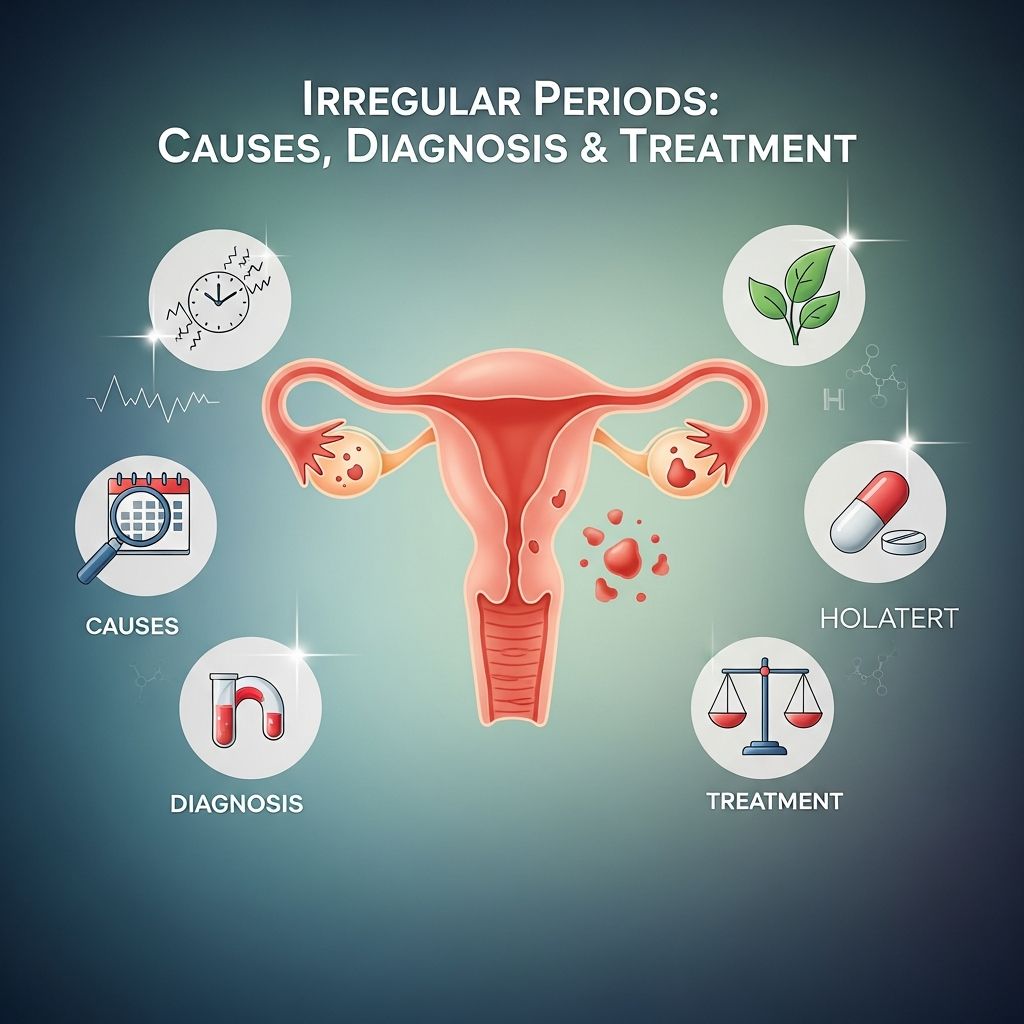
Understanding Irregular Periods and Abnormal Menstruation
Irregular periods, medically known as abnormal menstruation, affect many women at different stages of their lives. What’s considered normal for one person’s menstrual cycle may be entirely different for another. A typical menstrual period occurs every 21 to 35 days and lasts approximately five to seven days. However, when your periods deviate from this pattern—occurring less frequently than every 21 days, more frequently than every 35 days, or lasting longer than seven days—this may indicate an underlying condition that warrants medical attention. Understanding what constitutes abnormal menstruation is the first step toward seeking appropriate care and managing your reproductive health effectively.
What Defines Abnormal Menstruation?
Abnormal menstruation encompasses several different patterns and presentations. Your periods might be irregular in their timing, arriving unexpectedly or being delayed beyond your normal cycle. The flow itself can change—becoming unusually heavy, extremely light, or inconsistent from month to month. Some women experience prolonged bleeding that extends beyond the typical seven-day window, while others may skip periods entirely or go several months without menstruation. Additional symptoms can include cramping that feels more severe than usual, passing unusually large blood clots, or experiencing bleeding between menstrual periods. These variations can significantly impact your daily life, causing physical discomfort and emotional stress.
Common Causes of Irregular Periods
There are numerous reasons why your menstrual cycle might become irregular. Understanding these causes is essential for determining the appropriate treatment approach. The causes can range from temporary and benign to more serious conditions requiring medical intervention.
Hormonal Imbalances
Hormonal fluctuations are among the most common culprits behind irregular periods. Your menstrual cycle is controlled by a delicate balance of hormones, including estrogen and progesterone. When this balance is disrupted, your periods can become unpredictable. Hormonal imbalances are particularly common during adolescence when your reproductive system is still maturing, and during perimenopause, when your body begins the transition toward menopause. Conditions like polycystic ovary syndrome (PCOS) and thyroid disorders can also cause significant hormonal disruptions leading to irregular menstruation.
Stress and Lifestyle Factors
Psychological stress can have a profound impact on your menstrual cycle. When you experience significant emotional stress, anxiety, or major life changes, your body’s hormonal equilibrium can be affected, potentially causing your periods to become irregular, delayed, or even temporarily stop. Similarly, dramatic changes in weight—whether rapid weight loss or weight gain—can disrupt your hormonal balance. Intense exercise regimens, particularly endurance sports combined with low body fat, may also suppress menstrual function. Additionally, inadequate nutrition or extreme dieting can interfere with your body’s ability to produce the hormones necessary for regular ovulation and menstruation.
Medical Conditions
Several gynecological conditions can result in abnormal menstruation. Uterine fibroids are benign tumors that grow in the uterus and frequently cause heavy or prolonged bleeding. Polyps, which are small growths protruding from the uterine lining, can also lead to irregular bleeding patterns. Endometriosis, a condition where tissue similar to the uterine lining grows outside the uterus, often causes severe cramping and irregular bleeding. Pelvic inflammatory disease, typically resulting from sexually transmitted infections, can cause abnormal menstrual patterns. In rare cases, cancer of the uterus, cervix, or ovaries may present as irregular bleeding and requires prompt medical evaluation.
Medications and Contraceptives
Related Stories



Certain medications can affect your menstrual cycle. Birth control pills, particularly those with different hormone formulations, can cause irregular bleeding, especially during the first few months of use. Hormonal intrauterine devices (IUDs) may also alter bleeding patterns. Additionally, medications such as anticoagulants, antithyroid drugs, and certain antidepressants can influence menstrual regularity. It’s important to discuss potential side effects with your healthcare provider when starting any new medication.
Structural and Reproductive Abnormalities
Infections and structural abnormalities within your reproductive organs can disrupt your menstrual cycle. Scarring of the uterine lining, often resulting from previous uterine procedures or infections, can affect bleeding patterns. Reproductive tract infections can cause inflammation and irregular bleeding. Structural variations in the reproductive system may also contribute to menstrual irregularities.
Symptoms and Signs You Should Monitor
Recognizing symptoms of abnormal menstruation is crucial for timely diagnosis. If you’re experiencing drastic changes in your menstrual cycle, particularly if your periods become extremely painful or your bleeding patterns change significantly, it’s time to contact your healthcare provider. Other warning signs include:
– Periods occurring less than 21 days or more than 35 days apart- Not having a period for three consecutive months- Bleeding that lasts longer than seven days- Extremely heavy bleeding requiring frequent pad changes- Severe cramping or pelvic pain- Bleeding or spotting between menstrual periods- Passing large blood clots- Bleeding after intercourse
Keep in mind that slight variations between cycles or minor changes in period duration are usually not a cause for concern. Everyone’s “normal” is different. However, if you sense something is off with your menstrual period, documenting your symptoms is valuable for your healthcare provider.
Tracking and Recording Your Menstrual Cycle
Before visiting your healthcare provider, begin keeping detailed records of your menstrual cycle. This information is invaluable for diagnosis and treatment planning. Note the following details:
– When your periods begin and end- The duration of your cycle- The heaviness of flow- Presence of cramping and its severity- Any bleeding between periods- Size and frequency of blood clots passed- Associated symptoms such as mood changes or fatigue
Track this information for at least two to three months to establish a pattern that you can discuss with your provider. Modern options include period tracking apps, calendar systems, or simple written notes. This documentation will help your healthcare provider identify patterns and make an accurate diagnosis.
Diagnostic Approaches for Abnormal Menstruation
When you visit your healthcare provider regarding irregular periods, they will conduct a thorough evaluation to determine the underlying cause. The diagnostic process typically involves several components working together to identify what’s affecting your menstrual cycle.
Medical History and Cycle Assessment
Your provider will begin by asking detailed questions about your menstrual cycle and medical history. They’ll want to understand when your periods started, how regular they normally are, and what changes you’ve noticed. Questions may include details about previous pregnancies, gynecological surgeries, family history of menstrual disorders, and any medications you’re currently taking. This conversation establishes a baseline understanding of your individual normal and helps your provider identify what’s abnormal for you specifically.
Physical Examination
Your healthcare provider will perform a comprehensive physical examination, including a pelvic exam. During the pelvic exam, your provider will check for any abnormalities, tenderness, or masses that might explain your menstrual irregularities. This hands-on assessment is crucial for identifying physical causes like fibroids, cysts, or structural problems.
Diagnostic Testing
Depending on your symptoms and initial findings, your provider may recommend additional tests to pinpoint the cause:
– Ultrasound: A pelvic ultrasound uses sound waves to create detailed images of your reproductive organs, allowing your provider to identify fibroids, polyps, cysts, or other structural abnormalities. Accredited ultrasound specialists at specialized clinics can provide rapid results, often on the same day as your appointment.- Blood Tests: Laboratory testing can evaluate hormone levels, thyroid function, and blood clotting disorders that might contribute to abnormal bleeding patterns.- Hysteroscopy: In-office hysteroscopy allows your provider to directly visualize the inside of your uterus using a thin camera, enabling them to identify and sometimes treat polyps or fibroids.- Endometrial Biopsy: In certain situations, a tissue sample from the uterine lining may be collected and examined to rule out serious conditions.- Coagulation Studies: If heavy bleeding is a primary concern, tests may be performed to assess your blood’s clotting ability.
Treatment Options for Abnormal Menstruation
Treatment for irregular periods depends on the underlying cause, your symptoms, and your personal health goals. Your healthcare provider will work with you to develop a personalized treatment plan that addresses your specific needs and aligns with your lifestyle.
Medication-Based Treatments
Hormonal medications are frequently prescribed to manage irregular periods. Birth control pills containing estrogen and progesterone can help regulate your menstrual cycle by controlling hormone levels. These medications often reduce heavy bleeding and establish more predictable periods. Progestin-only options, including pills, injections, or intrauterine devices, are available for those who cannot take estrogen-containing medications. For women with heavy bleeding specifically, tranexamic acid or NSAIDs like ibuprofen can reduce bleeding volume and associated cramping.
Pain Management
If you experience painful cramps accompanying your irregular periods, over-the-counter pain relievers are often effective. Acetaminophen (Tylenol®) and ibuprofen (Advil®) can reduce cramping discomfort. Non-pharmaceutical approaches also provide relief—applying a heating pad to your lower abdomen or taking a warm shower can help relax your muscles and alleviate pain naturally.
Surgical Interventions
When medication doesn’t adequately control abnormal bleeding or when structural problems like fibroids or polyps are identified, surgical options may be considered. Minimally invasive laparoscopic surgery allows surgeons to address problems through tiny incisions, resulting in faster healing compared to traditional open surgery. These procedures can remove fibroids, treat endometriosis, or address other structural issues causing irregular menstruation. Hysteroscopic procedures can remove polyps or address scarring inside the uterus. For women who have completed childbearing, endometrial ablation—which destroys the uterine lining to stop bleeding—may be an option.
Fertility Considerations
If you’re planning to conceive in the future, your treatment approach may differ. Your provider will discuss options that preserve your fertility while managing your menstrual irregularities. Many treatments for abnormal periods are compatible with future pregnancy. Open communication with your healthcare provider about your family planning goals ensures that your treatment aligns with your long-term reproductive aspirations.
When to Seek Medical Attention
While slight variations in your menstrual cycle are normal, certain situations warrant prompt medical evaluation. Contact your healthcare provider if you experience drastic changes in your menstrual pattern, extremely painful periods that interfere with daily activities, heavy bleeding that seems disproportionate to your normal flow, or periods that last considerably longer than usual. Additionally, if your irregular periods are affecting your quality of life or causing emotional distress, professional support is available and worthwhile.
Living With Irregular Periods
Abnormal menstruation shouldn’t define your life or limit your activities. Many effective, non-invasive treatment options exist that can help you regain control of your menstrual health and return to enjoying your daily life without bothersome or unexpected bleeding. By working closely with your healthcare provider, maintaining detailed records of your cycle, and following recommended treatment plans, most cases of irregular bleeding can be successfully managed. Remember that your concerns matter, and seeking medical guidance when something feels wrong is the appropriate course of action.
Frequently Asked Questions
Q: What is considered a normal menstrual cycle?
A: A typical menstrual cycle occurs every 21 to 35 days and lasts approximately 5 to 7 days. However, normal varies significantly between individuals, and what’s normal for you depends on your personal baseline.
Q: How long should I track my period before seeing a doctor?
A: Track your period for at least two to three months before your appointment. This provides sufficient data for your healthcare provider to identify patterns and make an accurate diagnosis.
Q: Can stress really affect my menstrual cycle?
A: Yes, significant psychological stress can disrupt your hormonal balance and cause irregular periods, delayed periods, or even temporary cessation of menstruation.
Q: Are birth control pills the only medication option for irregular periods?
A: No. While birth control pills are common, other options include progestin-only medications, intrauterine devices, NSAIDs for pain and bleeding reduction, and other hormone-based treatments depending on your specific situation.
Q: When should I seek emergency medical care for menstrual bleeding?
A: Seek immediate care if you experience severe bleeding requiring pad changes more frequently than hourly, signs of anemia such as severe fatigue or dizziness, or bleeding accompanied by severe abdominal pain or fever.
Q: Can irregular periods affect my ability to become pregnant?
A: Irregular periods may indicate ovulation problems that could affect fertility. However, many causes of irregular periods are treatable, and your healthcare provider can discuss fertility-preserving treatment options suited to your goals.
Q: Is abnormal menstruation ever a sign of cancer?
A: While cancer is a rare cause of abnormal menstruation, irregular bleeding can occasionally indicate reproductive cancers. This is another reason why medical evaluation of significant changes is important, though most cases have benign causes.
References
- Irregular Periods (Abnormal Menstruation): Causes & Treatment — Cleveland Clinic. 2023-01-18. https://my.clevelandclinic.org/health/diseases/14633-abnormal-menstruation-periods
- Abnormal Uterine Bleeding: Causes, Diagnosis & Treatment — Cleveland Clinic. 2024-11-08. https://my.clevelandclinic.org/health/diseases/menometrorrhagia-abnormal-uterine-bleeding
- Menstrual Cycle (Normal Menstruation): Overview & Phases — Cleveland Clinic Health Library. https://my.clevelandclinic.org/health/articles/10132-menstrual-cycle
- Menorrhagia (Heavy Menstrual Bleeding): Causes & Treatment — Cleveland Clinic. 2024-07-01. https://my.clevelandclinic.org/health/diseases/17734-menorrhagia-heavy-menstrual-bleeding
- Oligomenorrhea: Causes, Symptoms, Diagnosis & Treatment — Cleveland Clinic. 2022-04-25. https://my.clevelandclinic.org/health/diseases/22834-oligomenorrhea
- Why Is My Period Lasting So Long? — Health Cleveland Clinic. https://health.clevelandclinic.org/why-is-my-period-lasting-so-long
Similar Articles








Read full bio of Sneha Tete