Irritable Bowel Syndrome
Understand IBS symptoms, causes, diagnosis, and effective diet and lifestyle strategies for symptom management.
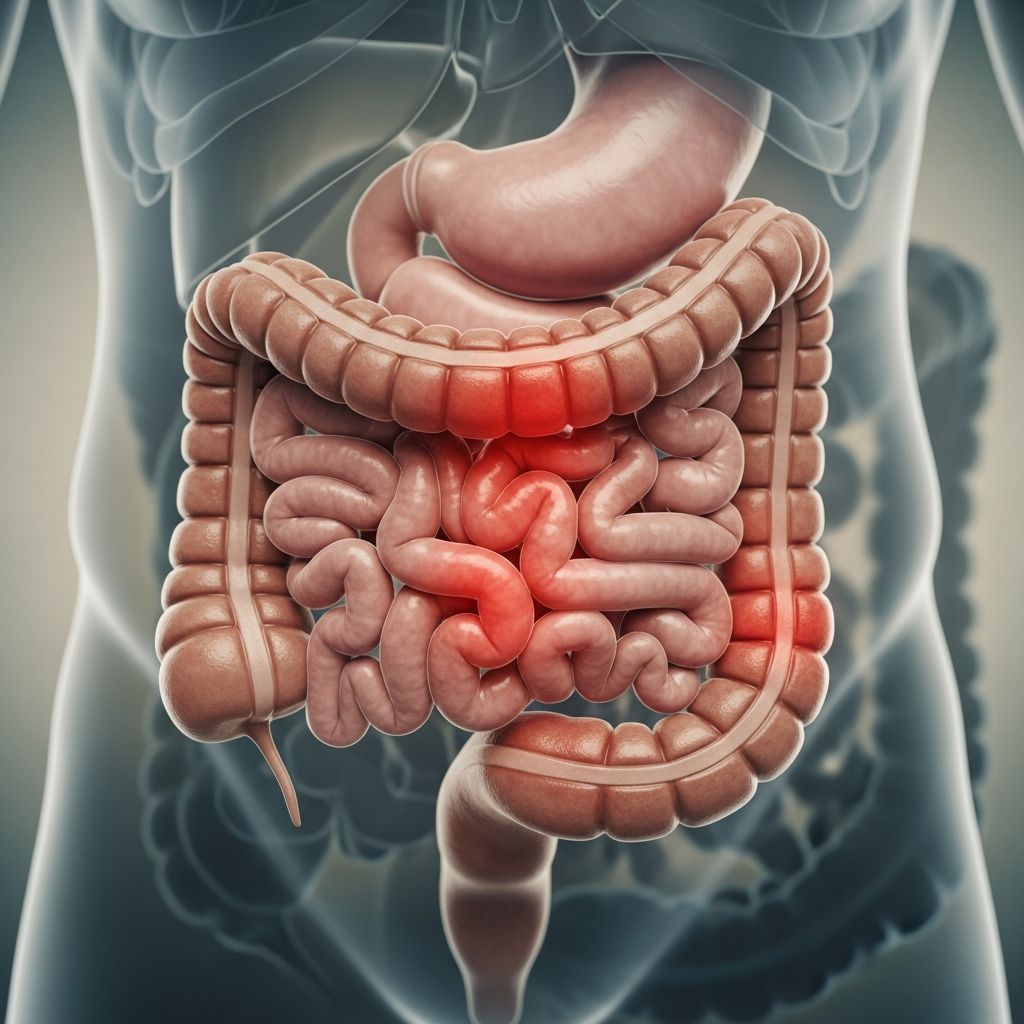
Irritable bowel syndrome (IBS) is a common disorder affecting the large intestine, characterized by symptoms such as cramping, abdominal pain, bloating, gas, and changes in bowel habits like diarrhea, constipation, or both. It impacts up to 10-15% of adults worldwide and requires long-term management rather than a cure, focusing on symptom relief through diet, lifestyle, and targeted therapies.
What is Irritable Bowel Syndrome?
IBS is a functional gastrointestinal disorder where the gut functions abnormally without visible damage or disease. Unlike inflammatory bowel disease, IBS does not increase cancer risk or cause permanent intestinal harm. Symptoms fluctuate, often triggered by food, stress, or hormonal changes, and can significantly affect quality of life. The condition is diagnosed based on symptom patterns after ruling out other issues.
Signs and Symptoms of IBS
The hallmark symptoms of IBS include recurrent abdominal pain at least one day per week in the last three months, associated with defecation or changes in stool frequency or form. Common signs are:
- Abdominal pain or cramping, typically relieved by bowel movements.
- Bloating and gas, causing distension and discomfort.
- Diarrhea (IBS-D), loose or watery stools.
- Constipation (IBS-C), hard or lumpy stools.
- Mixed bowel habits (IBS-M), alternating diarrhea and constipation.
- Other issues like mucus in stool, urgency, or incomplete evacuation.
Symptoms often worsen after eating, during stress, or at night. Red flags requiring immediate medical attention include unexplained weight loss, rectal bleeding, anemia, or family history of colon cancer.
Causes of IBS
The exact cause of IBS remains unknown, but several factors contribute:
- Muscle contractions in the intestine: Abnormal motility leads to diarrhea or constipation.
- Nervous system issues: Poor coordination between brain and gut heightens pain perception (visceral hypersensitivity).
- Severe infection: Post-infectious IBS follows gastroenteritis from bacteria or viruses, linked to bacterial overgrowth.
- Early-life stress: Childhood trauma or abuse correlates with higher IBS risk.
- Changes in gut microbes: Dysbiosis, especially small intestinal bacterial overgrowth (SIBO), produces gases like hydrogen, methane, or hydrogen sulfide causing symptoms.
- Food sensitivities: Triggers include wheat, dairy, beans, and caffeine, though not true allergies.
Genetics may predispose individuals, and women are affected twice as often as men, possibly due to hormones.
IBS Subtypes
IBS is classified by predominant stool pattern using the Rome IV criteria:
| Subtype | Characteristics | Prevalence |
|---|---|---|
| IBS-D (Diarrhea-predominant) | More than 25% loose stools, less than 25% hard stools | ~30-40% |
| IBS-C (Constipation-predominant) | More than 25% hard/lumpy stools, less than 25% loose | ~30-40% |
| IBS-M (Mixed) | More than 25% loose and 25% hard stools | ~20-30% |
| IBS-U (Unclassified) | Does not meet above criteria | ~10% |
Subtypes can shift over time, guiding personalized treatment.
Diagnosis
No single test diagnoses IBS; it’s based on symptoms using Rome criteria plus exclusion of other conditions. Doctors review history, perform physical exams, and may order:
- Blood tests for celiac disease, anemia, or inflammation.
- Stool tests for infections or blood.
- Colonoscopy or sigmoidoscopy if red flags present (age over 45, family history).
- Breath tests for SIBO or lactose intolerance.
Early diagnosis prevents unnecessary tests and enables management.
Diet and Nutrition for IBS
Diet plays a central role in IBS management. A registered dietitian can tailor plans. Key strategies:
- Increase soluble fiber gradually: Psyllium (e.g., Metamucil) helps constipation without excess gas.
- Avoid triggers: Common culprits are FODMAPs (fermentable oligosaccharides, disaccharides, monosaccharides, polyols) in onions, garlic, wheat, beans, apples. Low-FODMAP diet reduces symptoms in 50-75% of patients.
- Hydrate: 8-10 cups of water daily aids digestion.
- Small, frequent meals: Reduces gut load.
- Limit: Caffeine, alcohol, carbonated drinks, fatty foods, artificial sweeteners.
Probiotics (e.g., Bifidobacterium) may ease bloating and pain; peppermint oil capsules relax gut muscles.
Lifestyle Changes
Non-drug approaches are first-line:
- Exercise: 30 minutes daily (walking, yoga) improves motility and reduces stress.
- Sleep: 7-9 hours nightly regulates gut-brain axis.
- Stress management: Mindfulness, cognitive behavioral therapy (CBT), or hypnosis; 60-80% see improvement.
- Keep a symptom diary: Tracks food-symptom links.
These changes control mild IBS in most cases.
Treatment Options
Treatments target symptoms:
- Fiber supplements: Psyllium for constipation.
- Laxatives: Polyethylene glycol (Miralax) for IBS-C.
- Antidiarrheals: Loperamide (Imodium) for IBS-D.
- Antispasmodics: Dicyclomine for pain.
- Antidepressants: Low-dose tricyclics (e.g., nortriptyline) for pain; SSRIs for IBS-C.
- Antibiotics: Rifaximin for IBS-D and bacterial overgrowth.
- Other: Lubiprostone for severe IBS-C in women; linaclotide or plecanatide.
Consult providers before starting.
When to See a Doctor
Seek care if symptoms persist >6 weeks, include red flags (bleeding, weight loss, fever, vomiting), or interfere with life. Routine screening advised for ages 45+.
Frequently Asked Questions
Can IBS be cured?
No, but symptoms are manageable with diet and lifestyle; no increased cancer risk.
Does stress cause IBS?
Stress worsens symptoms but doesn’t cause IBS.
Is the low-FODMAP diet effective?
Yes, for many, but follow under guidance to avoid nutrient gaps.
Are probiotics helpful for IBS?
Certain strains reduce pain and bloating per studies.
Can IBS lead to other diseases?
No permanent damage, but monitor symptoms.
References
- Irritable bowel syndrome – Diagnosis and treatment — Mayo Clinic. 2023-10-15. https://www.mayoclinic.org/diseases-conditions/irritable-bowel-syndrome/diagnosis-treatment/drc-20360064
- Managing irritable bowel syndrome — Mayo Clinic Health System. 2023-05-20. https://sncs-prod-external.mayo.edu/hometown-health/speaking-of-health/managing-irritable-bowel-syndrome
- Irritable Bowel Syndrome (IBS) — American College of Gastroenterology. 2024-01-10. https://gi.org/topics/irritable-bowel-syndrome/
- Causes and Treatments for Irritable Bowel Syndrome — Cedars-Sinai. 2023-08-05. https://www.cedars-sinai.org/stories-and-insights/expert-advice/causes-and-treatments-for-irritable-bowel-syndrome
- Irritable bowel syndrome – Symptoms and causes — Mayo Clinic. 2023-11-12. https://www.mayoclinic.org/diseases-conditions/irritable-bowel-syndrome/symptoms-causes/syc-20360016
- Symptoms & Causes of Irritable Bowel Syndrome — National Institute of Diabetes and Digestive and Kidney Diseases (NIDDK). 2023-03-30. https://www.niddk.nih.gov/health-information/digestive-diseases/irritable-bowel-syndrome/symptoms-causes
Similar Articles





Read full bio of Sneha Tete