Irritable Bowel Syndrome (IBS): Causes, Symptoms, and Management
Understanding IBS: Symptoms, diagnosis, and effective strategies for managing irritable bowel syndrome.
What Is Irritable Bowel Syndrome (IBS)?
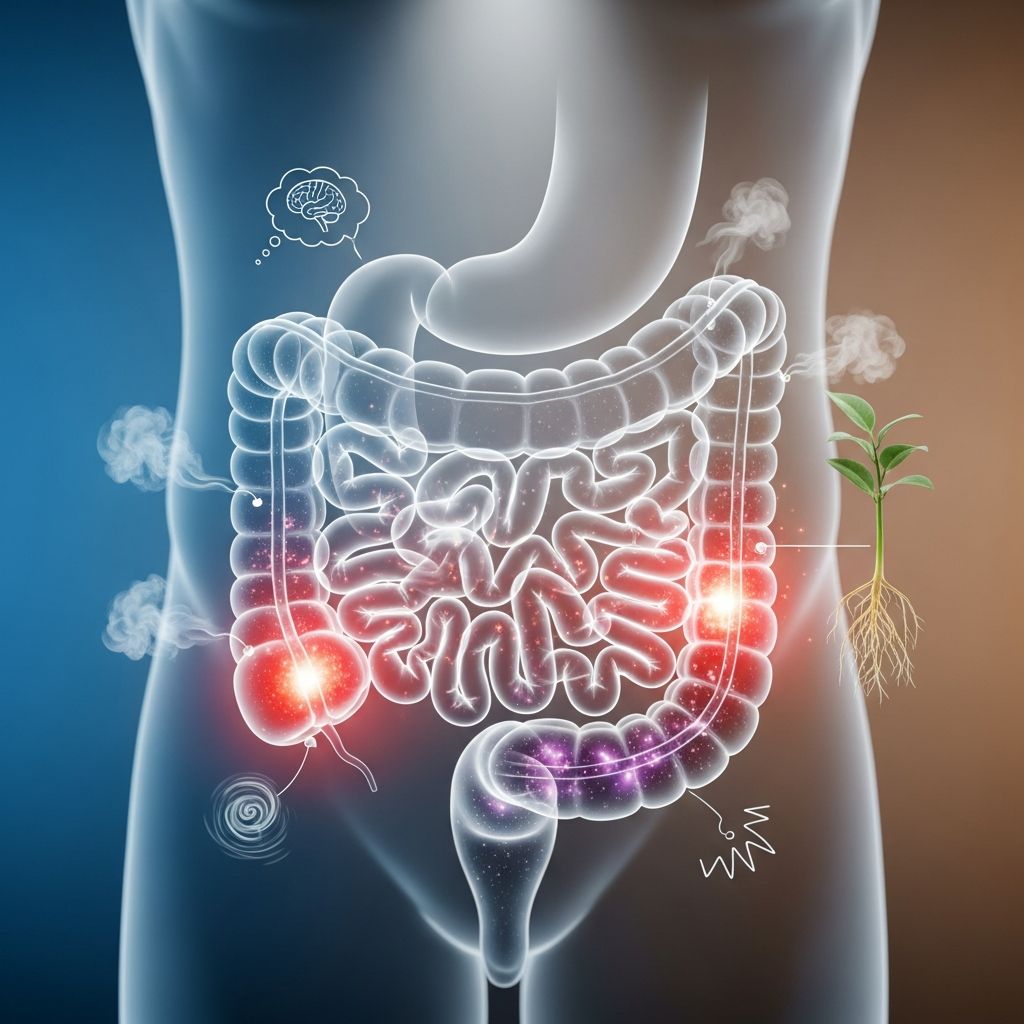
Irritable bowel syndrome (IBS) is a common functional gastrointestinal disorder affecting millions of people worldwide. It is characterized by chronic abdominal pain or discomfort associated with changes in bowel habits, such as diarrhea, constipation, or both. Unlike inflammatory bowel diseases (IBD), IBS does not cause visible inflammation or structural damage to the digestive tract. Instead, it is considered a disorder of gut-brain interaction, where the normal functioning of the intestines is disrupted without any identifiable organic cause.
Symptoms of IBS
The hallmark symptoms of IBS include:
- Abdominal pain or cramping
- Bloating and gas
- Diarrhea, constipation, or alternating between the two
- Passing mucus with stool
- Feeling of incomplete bowel evacuation
- Urgency to defecate
- Straining during bowel movements
These symptoms can vary in severity and may be triggered or worsened by certain foods, stress, or hormonal changes.
Diagnosing IBS
There are no specific biomarkers or imaging tests to diagnose IBS. Diagnosis is based on clinical criteria and the exclusion of other conditions. The most widely used diagnostic system is the Rome IV criteria, which require:
- Recurrent abdominal pain, on average, at least one day per week in the last three months, associated with two or more of the following:
- Pain related to defecation
- Change in frequency of stool
- Change in form (appearance) of stool
- Symptoms present for at least six months prior to diagnosis
Doctors may also perform blood tests, stool tests, or imaging studies to rule out other conditions such as inflammatory bowel disease, celiac disease, or infections.
Subtypes of IBS
IBS is classified into four main subtypes based on the predominant bowel pattern:
| Subtype | Description |
|---|---|
| IBS with Constipation (IBS-C) | Hard or lumpy stools at least 25% of the time, with less than 25% loose or watery stools |
| IBS with Diarrhea (IBS-D) | Loose or watery stools at least 25% of the time, with less than 25% hard or lumpy stools |
| IBS Mixed (IBS-M) | Both hard/lumpy and loose/watery stools each occur at least 25% of the time |
| IBS Unsubtyped (IBS-U) | Insufficient abnormality in stool consistency to meet criteria for the other subtypes |
Subtype prevalence may differ by sex, with IBS-C more common in women and IBS-D more common in men.
Causes and Risk Factors
The exact cause of IBS is not fully understood, but several factors are believed to contribute:
- Altered Gut Motility: Abnormal contractions of the intestinal muscles can lead to diarrhea or constipation.
- Visceral Hypersensitivity: Increased sensitivity to pain in the gut.
- Microbiome Imbalance: Changes in the gut bacteria may play a role.
- Psychological Factors: Stress, anxiety, and depression can worsen symptoms.
- Food Intolerances: Certain foods, such as lactose or fructose, may trigger symptoms.
- Genetics: Family history may increase risk.
Related Stories



Management and Treatment
There is no single cure for IBS, but symptoms can often be managed effectively through a combination of lifestyle changes, dietary modifications, and medications.
Lifestyle Modifications
- Regular physical activity
- Stress management techniques (e.g., mindfulness, yoga, therapy)
- Adequate sleep
- Smoking cessation
- Limited alcohol consumption
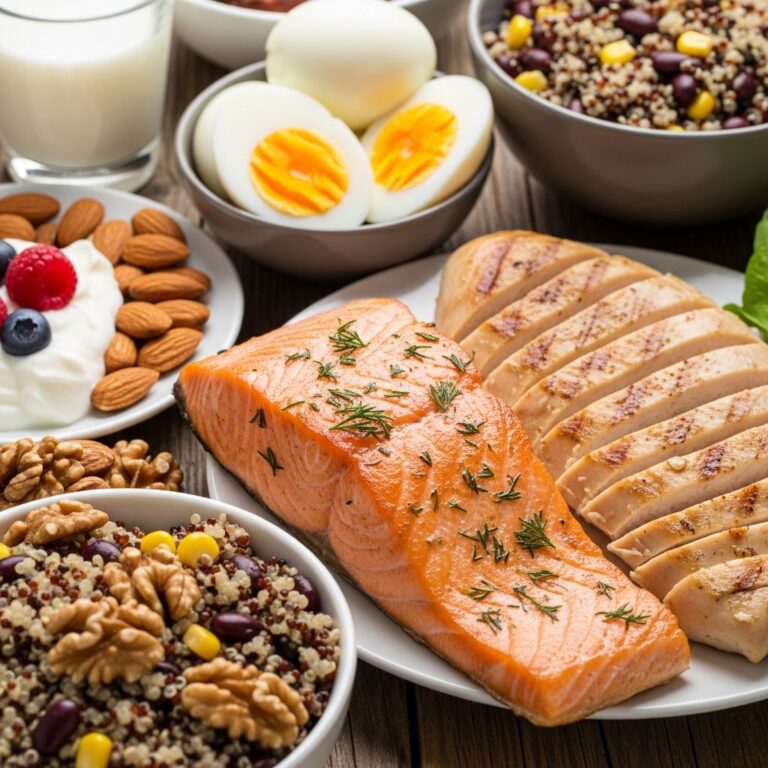
Dietary Modifications
- Keeping a food and symptom diary to identify triggers
- Gradual increase in fiber intake (especially for IBS-C)
- Low FODMAP diet (reducing fermentable carbohydrates) for some patients
- Avoiding known trigger foods (e.g., caffeine, fatty foods, artificial sweeteners)
- Staying hydrated
Medications
Medications are tailored to the predominant symptoms:
- For IBS-C: Laxatives, stool softeners, lubiprostone, linaclotide
- For IBS-D: Loperamide, bile acid binders, eluxadoline
- For Abdominal Pain: Antispasmodics, low-dose antidepressants
- For Bloating and Gas: Simethicone, probiotics
Complementary and Alternative Therapies
- Probiotics
- Peppermint oil
- Acupuncture
- Hypnotherapy
- Psychological therapies (e.g., cognitive behavioral therapy)
Living with IBS
IBS can significantly impact quality of life, but with proper management, most people can lead normal, active lives. It is important to work closely with healthcare providers, maintain open communication about symptoms, and seek support when needed.
Frequently Asked Questions (FAQs)
Q: Can IBS be cured?
A: There is no cure for IBS, but symptoms can often be managed effectively with lifestyle changes, dietary modifications, and medications.
Q: Is IBS the same as inflammatory bowel disease (IBD)?
A: No, IBS is not the same as IBD. IBS does not cause inflammation or damage to the gut, while IBD (such as Crohn’s disease and ulcerative colitis) involves chronic inflammation of the digestive tract.
Q: Can stress cause IBS?
A: Stress does not cause IBS, but it can worsen symptoms in people who already have the condition.
Q: Are there any foods I should avoid with IBS?
A: Common trigger foods include dairy, fatty foods, caffeine, artificial sweeteners, and high-FODMAP foods. Keeping a food diary can help identify personal triggers.
Q: When should I see a doctor for IBS symptoms?
A: See a doctor if you have persistent abdominal pain, changes in bowel habits, blood in the stool, unexplained weight loss, or other concerning symptoms.
References
- Managing Irritable Bowel Syndrome: How to help patients control symptoms — PMC. 2017. https://pmc.ncbi.nlm.nih.gov/articles/PMC5654469/
- Making Sense of IBS — Johns Hopkins Press. 2013. https://www.press.jhu.edu/books/title/10493/making-sense-ibs
- Rome IV Criteria for Functional Gastrointestinal Disorders — Rome Foundation. 2016. https://www.romecriteria.org/
Similar Articles








Read full bio of Sneha Tete