Irritable Bowel Syndrome (IBS): Symptoms, Causes & Treatment
Understand IBS symptoms, causes, and effective treatment options to manage your digestive health.
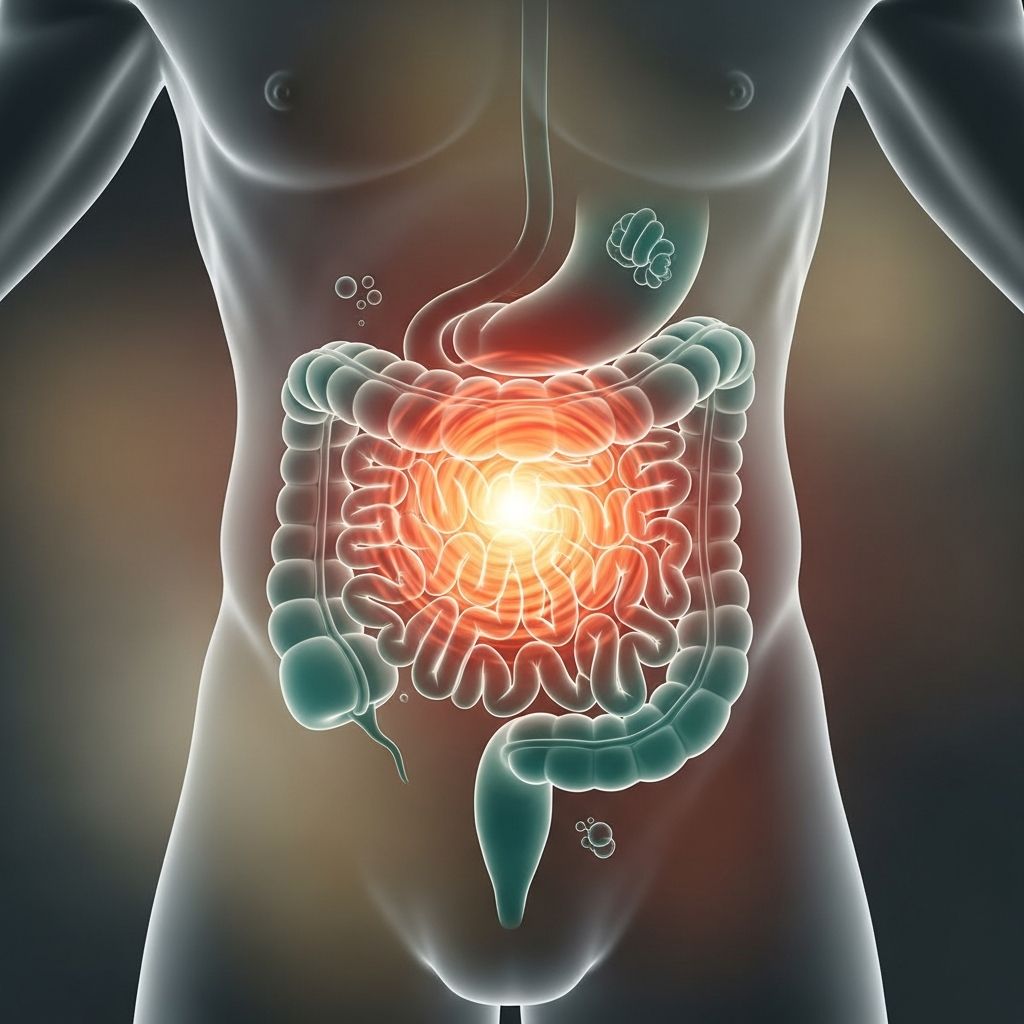
Understanding Irritable Bowel Syndrome (IBS)
Irritable bowel syndrome, commonly known as IBS, is a chronic digestive disorder that affects millions of people worldwide. It causes uncomfortable or painful abdominal symptoms that can significantly impact daily life and quality of living. Unlike some other digestive conditions, IBS does not cause permanent damage to your digestive tract or increase your risk for serious conditions like colon cancer. However, it remains a long-term condition that requires effective management strategies. The good news is that most people with IBS can successfully manage their symptoms through a combination of dietary changes, lifestyle modifications, medications, and behavioral therapy.
Common Symptoms of IBS
IBS presents with a wide range of symptoms that vary significantly from person to person. Understanding your specific symptoms is crucial for proper diagnosis and treatment planning. The most prevalent symptoms include:
- Abdominal pain and cramping, often relieved by bowel movements
- Chronic diarrhea or constipation, or alternating between both
- Bloating and gas
- Mucus in stool
- Frequent or infrequent bowel movements
- A sense of incomplete defecation
- Urgent need to have bowel movements
- Changes in stool consistency or appearance
For some patients, these symptoms can be debilitating, affecting their ability to work, socialize, and enjoy daily activities. The severity and frequency of symptoms often fluctuate, with periods of remission followed by flare-ups triggered by specific factors.
Types of IBS
Medical professionals classify IBS into several distinct types based on bowel movement patterns. This classification helps guide treatment decisions and allows healthcare providers to tailor interventions to your specific needs.
IBS with Constipation (IBS-C)
This type is characterized by infrequent bowel movements and hard, lumpy stools. Patients typically experience straining during defecation and often feel incomplete relief after bowel movements.
IBS with Diarrhea (IBS-D)
Individuals with IBS-D experience frequent, loose stools and an urgent need for bowel movements. This type can be particularly disruptive to daily activities and social engagement.
IBS with Mixed Bowel Habits (IBS-M)
This type involves alternating patterns of constipation and diarrhea, sometimes occurring within the same day. Managing IBS-M requires flexible treatment approaches.
Postprandial IBS (IBS-U)
This category encompasses cases that don’t fit clearly into the other types or involve symptoms related to incomplete defecation and straining issues.
Causes and Risk Factors
Despite extensive research, the exact cause of IBS remains unknown. However, scientists have identified several factors that may contribute to its development and symptom severity. These include abnormal muscle contractions in the intestines, increased gut sensitivity to pain signals, changes in gut bacteria composition, inflammation in the digestive tract, and psychological factors such as stress and anxiety. Additionally, hormonal changes, particularly in women around menstruation, can trigger or worsen IBS symptoms. Genetic predisposition also appears to play a role, as IBS tends to run in families.
Diagnosis of IBS
Rome IV Diagnostic Criteria
Healthcare providers typically use the Rome IV criteria to diagnose IBS. According to this standardized diagnostic framework, patients must experience one or more of the following for at least three months, with symptoms occurring at least one day per week:
- Recurrent abdominal pain or discomfort
- Change in bowel movement frequency
- Change in stool appearance or consistency
- A sense of incomplete defecation
- Difficulty with straining or achieving bowel movement
Diagnostic Testing
No single test definitively diagnoses IBS. Instead, healthcare providers use various tests to exclude other conditions that may cause similar symptoms. Common diagnostic approaches include:
Related Stories



- Blood tests to check for infections, anemia, and general health markers
- Stool samples to rule out infections or parasites
- Colonoscopy to visualize the colon and rule out inflammatory bowel disease or polyps
- Upper endoscopy with small bowel biopsies to exclude celiac disease or other conditions
- Imaging procedures such as CT scans or MRI to rule out structural abnormalities
- Hydrogen breath tests to identify food intolerances or small intestinal bacterial overgrowth (SIBO)
- Sitz marker studies to assess colon transit time and identify motility issues
Your healthcare provider will determine which tests are appropriate based on your specific symptoms and medical history.
Important Warning Signs
While IBS itself is not life-threatening, certain symptoms warrant immediate medical attention. Contact your healthcare provider urgently if you experience:
- Unexplained weight loss
- Persistent or progressive bleeding
- Severe or progressive fatigue
- Anemia
- Nocturnal symptoms that wake you from sleep
- Escalating symptoms that don’t resolve or worsen over time
- Fever
- Severe abdominal pain
These alarm features may indicate a more serious underlying condition requiring specialized evaluation and treatment.
Treatment Approaches
Effective IBS management typically involves a comprehensive, individualized approach. Since no single treatment works for everyone, your healthcare provider will work with you to develop a personalized treatment plan based on your specific symptoms and triggers.
Dietary Modifications
Diet plays a crucial role in managing IBS symptoms. A qualified dietitian can help you identify trigger foods and develop an eating plan that minimizes symptom flare-ups. Common dietary recommendations include:
- Following a low-FODMAP diet, which limits certain fermentable carbohydrates
- Increasing soluble fiber intake gradually to improve constipation without worsening bloating
- Staying well-hydrated throughout the day
- Eating smaller, more frequent meals rather than large meals
- Limiting caffeine and alcohol consumption
- Avoiding high-fat foods that can trigger symptoms
- Identifying and eliminating personal trigger foods through careful observation
Lifestyle Changes
Beyond dietary adjustments, specific lifestyle modifications can significantly improve IBS symptoms:
- Regular physical activity and exercise to promote healthy digestion
- Stress management techniques including meditation, yoga, or deep breathing exercises
- Maintaining a consistent sleep schedule and improving sleep quality
- Taking time for regular bowel movements without rushing
- Keeping a symptom diary to identify patterns and personal triggers
- Limiting processed foods and artificial sweeteners
- Practicing relaxation techniques to manage anxiety and stress
Medications
Several medications can help manage specific IBS symptoms. Your healthcare provider may recommend:
- Antispasmodic medications to reduce abdominal cramping and pain
- Laxatives or stool softeners for constipation-predominant IBS
- Anti-diarrheal medications for diarrhea-predominant IBS
- Tricyclic antidepressants or selective serotonin reuptake inhibitors (SSRIs) for pain and mood support
- Antacids or H2 blockers for associated heartburn or reflux
- Antibiotics if small intestinal bacterial overgrowth is identified
Behavioral Health Therapy
Mental health support plays an important role in IBS management. Cognitive behavioral therapy, gut-directed hypnotherapy, and other psychological interventions can help you develop coping strategies, manage stress, and reduce symptom severity. These therapies address the mind-gut connection and help break the cycle of anxiety and digestive symptoms.
Managing Your IBS
Keeping a Symptom Diary
One of the most effective self-management tools is maintaining a detailed symptom diary. Record what you eat, your stress levels, sleep quality, exercise, and symptom severity. Over time, patterns emerge that help identify your personal triggers, allowing you to make targeted adjustments.
Working with Healthcare Providers
Successful IBS management requires ongoing collaboration with your healthcare team. This may include your primary care physician, a gastroenterologist, and a registered dietitian. Regular follow-up appointments allow your provider to monitor your progress, adjust treatment as needed, and address new concerns.
Realistic Expectations
It’s important to understand that IBS management takes time. Most treatments require several weeks or months to show full effectiveness. While symptoms may not completely disappear, most people experience significant improvement in symptom severity and frequency within a few months of implementing comprehensive management strategies. Patience and consistent effort are essential for success.
Prevention and Long-Term Outlook
Since the underlying cause of IBS remains unknown, true prevention is not currently possible. However, you can effectively prevent symptom flare-ups by identifying and avoiding your personal triggers. This might involve maintaining a specific diet, managing stress effectively, getting adequate sleep, and staying physically active. With proper management, IBS does not cause permanent damage to your digestive system or increase your risk of developing serious conditions like colon cancer or inflammatory bowel disease.
When to Seek Medical Care
Contact your healthcare provider if:
- Your symptoms persist for more than three months without improvement
- Your symptoms are worsening over time
- Symptoms occur less frequently but significantly interfere with your quality of life
- You experience any of the warning signs mentioned earlier
- Your current treatment plan is not working effectively
- You develop new or unusual symptoms
Frequently Asked Questions About IBS
Q: Is IBS curable?
A: IBS is a chronic condition without a permanent cure, but symptoms can be effectively managed through diet, lifestyle changes, medications, and behavioral therapy. Many people experience significant improvement and periods of remission.
Q: Does IBS lead to more serious conditions?
A: No. IBS does not cause permanent damage to your digestive tract and does not increase your risk of developing colon cancer or inflammatory bowel disease. However, having IBS doesn’t prevent you from developing other conditions.
Q: Can stress make IBS worse?
A: Yes. Stress and anxiety are significant IBS triggers for many people. Managing stress through relaxation techniques, exercise, and therapy can help reduce symptom severity.
Q: How long does treatment take to work?
A: Most treatments require several weeks to months to show full effectiveness. Individual responses vary, and it may take time to identify the right treatment combination for your specific needs.
Q: Can diet alone manage IBS?
A: Diet is often an important component of IBS management, but most people benefit from a comprehensive approach including lifestyle changes, stress management, and sometimes medication or behavioral therapy.
Q: Is IBS more common in women?
A: Yes. IBS is diagnosed more frequently in women than men, and hormonal factors, particularly around menstruation, can influence symptom patterns.
Conclusion
Irritable bowel syndrome is a manageable chronic condition that affects millions of people. While IBS can be uncomfortable and disruptive, it does not cause permanent damage to your digestive system or lead to serious complications. By working closely with your healthcare team, implementing dietary modifications, managing stress, maintaining healthy lifestyle habits, and potentially using medications or behavioral therapy, most people with IBS can significantly improve their symptoms and quality of life. If you’re experiencing persistent digestive symptoms, don’t hesitate to speak with your healthcare provider about developing a personalized treatment plan that works for your unique situation.
References
- Irritable Bowel Syndrome (IBS): Symptoms, Causes & Treatment — Cleveland Clinic. 2023-11-16. https://my.clevelandclinic.org/health/diseases/4342-irritable-bowel-syndrome-ibs
- All About Irritable Bowel Syndrome (IBS) with Dr. Christine Lee — Cleveland Clinic. https://my.clevelandclinic.org/podcasts/butts-and-guts/all-about-irritable-bowel-syndrome-with-dr-christine-lee
- Blood Test May Help Guide Dietary Therapy for Patients with IBS — Cleveland Clinic Newsroom. 2025-02-13. https://newsroom.clevelandclinic.org/2025/02/13/research-shows-blood-test-may-provide-personalized-dietary-therapy-for-patients-with-irritable-bowel-syndrome
- Natural Remedies for IBS — Cleveland Clinic Health. https://health.clevelandclinic.org/natural-remedies-for-ibs
- IBS Diet: Foods To Eat and Avoid — Cleveland Clinic Health. https://health.clevelandclinic.org/ibs-diet
- Diet in the Pathophysiology and Management of Irritable Bowel Syndrome — Cleveland Clinic Journal of Medicine. https://www.ccjm.org/content/83/9/663
Similar Articles








Read full bio of medha deb