Irritable Bowel Syndrome Symptoms: 5 Core Signs Explained
Recognize the key signs of IBS, from abdominal pain to bowel changes, and learn when to seek medical help.
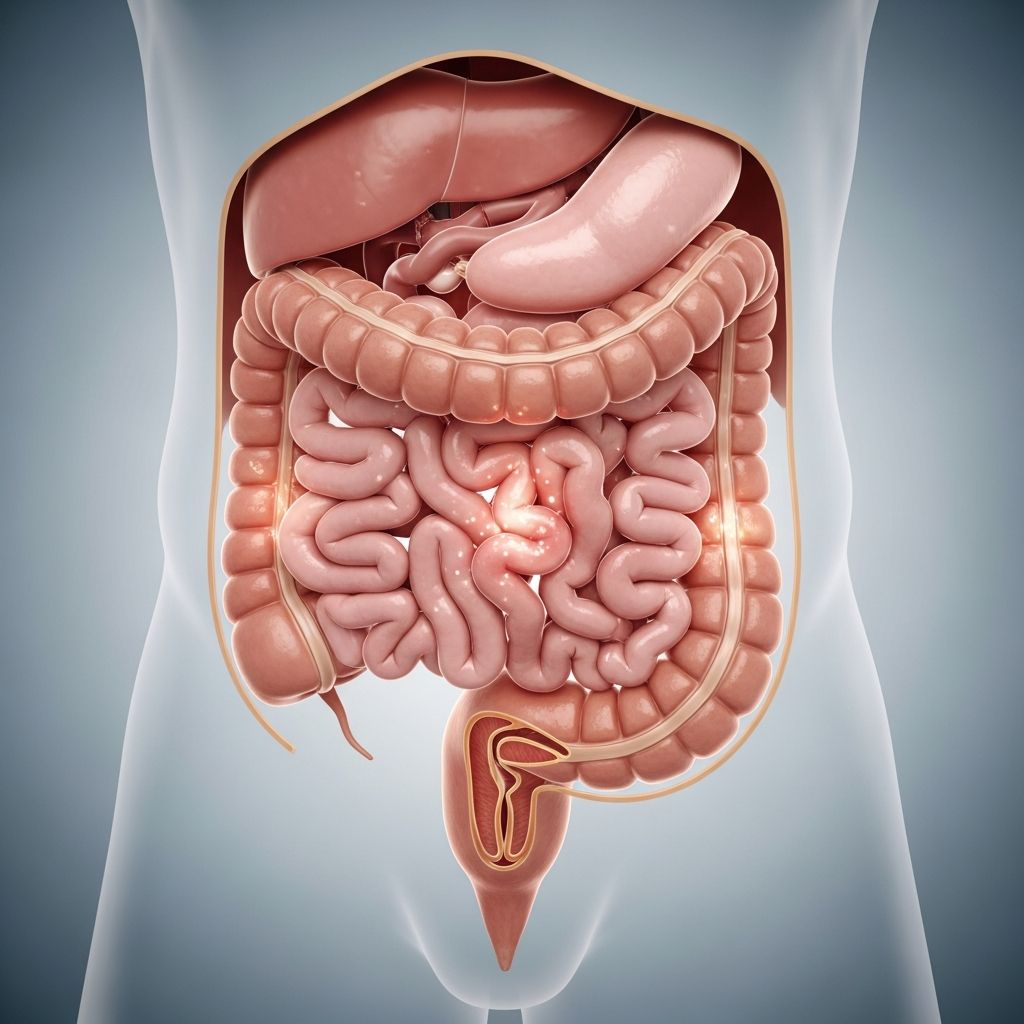
Irritable bowel syndrome (IBS) is a common gastrointestinal disorder characterized by a group of symptoms that typically occur together, including repeated pain in the abdomen and changes in bowel movements or habits. It affects up to 10-15% of the global population, with women being diagnosed more frequently than men. IBS does not cause permanent damage to the intestines or increase the risk of colorectal cancer, but it can significantly impact quality of life.
What Is Irritable Bowel Syndrome?
Irritable bowel syndrome, often abbreviated as IBS, is a functional gastrointestinal disorder. This means there are no visible signs of disease in diagnostic tests, yet symptoms are very real and disruptive. The condition involves abnormal gut motility, heightened visceral sensitivity, and alterations in the gut-brain axis. According to the Rome IV criteria, IBS is defined by recurrent abdominal pain at least one day per week in the last three months, associated with two or more of the following: defecation, change in stool frequency, or change in stool form.
IBS is classified into subtypes based on predominant stool patterns: IBS with constipation (IBS-C), IBS with diarrhea (IBS-D), IBS with mixed bowel habits (IBS-M), and unsubtyped IBS (IBS-U). These subtypes guide treatment approaches and help clinicians tailor management plans.
IBS Symptoms
The hallmark symptom of IBS is abdominal pain or discomfort, often relieved by defecation. Other common symptoms include:
- Abdominal cramping or pain: Typically in the lower abdomen, worsens after eating, and improves after a bowel movement.
- Bloating: A feeling of fullness or swelling in the abdomen.
- Gas (flatulence): Excessive burping or passing gas.
- Changes in bowel habits: Diarrhea, constipation, or alternating between the two.
- Mucus in stool: White or clear mucus may appear in bowel movements.
Symptoms often fluctuate in severity and may be triggered by stress, certain foods, or hormonal changes. Pain is usually episodic and not constant.
IBS Abdominal Pain
Abdominal pain in IBS is visceral in nature, arising from the gut organs rather than the abdominal wall. It is often described as cramping, aching, or gnawing, predominantly in the lower abdomen but can occur anywhere. Key features include:
- Pain linked to bowel movements: Improves or worsens with defecation.
- Associated with bloating or distension.
- Worsens with eating, especially trigger foods like dairy or spicy items.
- May radiate to the back or be accompanied by nausea.
Unlike inflammatory conditions such as Crohn’s disease, IBS pain does not typically awaken patients from sleep and lacks systemic symptoms like fever or weight loss.
IBS Bloating and Gas
Bloating, the sensation of abdominal fullness, and visible distension are reported by up to 90% of IBS patients. Gas production arises from fermentation of undigested carbohydrates by gut bacteria. Contributing factors include:
- Dietary triggers: Foods high in FODMAPs (fermentable oligosaccharides, disaccharides, monosaccharides, and polyols) like onions, garlic, wheat, and beans.
- Swallowed air (aerophagia): From eating too quickly or chewing gum.
- Altered gut motility: Slow transit leads to bacterial overgrowth.
- Visceral hypersensitivity: Heightened perception of normal gas volumes as painful.
Related Stories



Management often involves dietary modifications, such as a low-FODMAP diet, which has shown symptom relief in 50-75% of patients in clinical trials.
IBS Diarrhea
In IBS-D, loose or watery stools occur more than 25% of the time. Episodes may be urgent, leading to incontinence fears. Stools are Bristol Stool Scale types 6-7 (mushy or liquid). Triggers include:
- Caffeine, alcohol, or artificial sweeteners.
- Stress-induced gut hypermotility.
- Post-infectious changes after gastroenteritis.
Diarrhea alternates with normal stools but lacks blood, which would suggest other pathologies.
IBS Constipation
IBS-C features hard, lumpy stools (Bristol types 1-2) more than 25% of the time, with straining and incomplete evacuation. Contributing factors:
- Slow colonic transit.
- Diet low in fiber or dehydration.
- Opiate medications or anticholinergics.
Patients may strain excessively, leading to hemorrhoids or anal fissures.
Other IBS Symptoms
Beyond core GI symptoms, IBS often includes extraintestinal manifestations:
- Fatigue: Chronic tiredness not relieved by rest.
- Backache: Lower back pain from bloating or posture.
- Urinary symptoms: Frequency or urgency due to pelvic floor dysfunction.
- Sexual dysfunction: Painful intercourse or reduced libido.
- Mental health issues: Anxiety and depression, linked via the gut-brain axis.
- Headaches and fibromyalgia-like pain: Central sensitization.
These symptoms underscore IBS as a disorder of gut-brain interaction.
IBS Flare-Up Symptoms
Flare-ups are acute worsening of symptoms, often triggered by:
| Trigger | Symptoms During Flare |
|---|---|
| Stress | Severe cramping, urgency |
| Diet (high-fat meals) | Bloating, diarrhea |
| Infection | Worsened pain, fever if post-infectious |
| Hormonal (menstruation) | Increased bloating, constipation |
Flare-ups last days to weeks and resolve with trigger avoidance or medications.
Symptoms That Indicate It’s Not IBS
Red flag symptoms warrant urgent evaluation to rule out organic disease:
- Rectal bleeding or black, tarry stools.
- Unintentional weight loss >10%.
- Nighttime symptoms awakening from sleep.
- Family history of colon cancer or celiac disease.
- Anemia, fever, or vomiting.
- Onset after age 50.
- Neurological deficits or severe constipation (>1 week).
These suggest inflammatory bowel disease, cancer, or infection.
IBS Triggers
Common triggers include food (FODMAPs, gluten), stress, medications, and infections. Keeping a symptom diary aids identification.
IBS Diagnosis
Diagnosis is clinical, based on Rome IV criteria after excluding other conditions via:
- Blood tests: CBC, CRP, celiac serology.
- Stool tests: Calprotectin, parasites.
- Colonoscopy: If red flags present.
- Breath tests: For SIBO or lactose intolerance.
No single test confirms IBS.
IBS Treatment
Treatment is multifaceted:
- Diet: Low-FODMAP (under dietitian guidance).
- Medications: Antispasmodics (dicyclomine), laxatives (polyethylene glycol), antidiarrheals (loperamide), low-dose tricyclics for pain.
- Probiotics: Strains like Bifidobacterium infantis.
- Psychotherapy: CBT or gut-directed hypnotherapy.
- Lifestyle: Exercise, sleep hygiene, stress reduction.
For comprehensive management strategies, including pharmacological and non-pharmacological options, refer to recent reviews.
Frequently Asked Questions (FAQs)
What does IBS poop look like?
IBS stool varies: IBS-D is loose/watery (Bristol 6-7), IBS-C is hard/lumpy (1-2), IBS-M alternates. Mucus may be present.
Does IBS cause weight loss or gain?
IBS rarely causes significant weight loss (red flag). Some gain from bloating or dietary restrictions; others lose from diarrhea.
Can IBS cause back pain?
Yes, bloating or referred pain from gut distension can cause lower backache.
Does IBS cause nausea?
Mild nausea occurs in 40-50% during flares, but persistent vomiting suggests other issues.
IBS vs. Crohn’s: Key differences?
IBS lacks inflammation, weight loss, or blood in stool; Crohn’s shows ulcers on endoscopy and elevated inflammatory markers.
References
- Management of irritable bowel syndrome: a narrative review — National Center for Biotechnology Information (PMC). 2024. https://pmc.ncbi.nlm.nih.gov/articles/PMC11074491/
- Rome IV Diagnostic Criteria for Functional Gastrointestinal Disorders — Rome Foundation. 2016 (authoritative standard, remains current). https://theromefoundation.org/rome-iv/rome-iv-criteria/
- Irritable Bowel Syndrome — National Institute of Diabetes and Digestive and Kidney Diseases (NIDDK). 2023-05-12. https://www.niddk.nih.gov/health-information/digestive-diseases/irritable-bowel-syndrome
- AGA Clinical Practice Guideline on the Pharmacological Management of Irritable Bowel Syndrome — American Gastroenterological Association (Gastroenterology Journal). 2022. https://www.gastrojournal.org/article/S0016-5085(21)00644-7/fulltext
Similar Articles








Read full bio of medha deb