Irritant Or Traumatic Conjunctivitis: 24-Hour Care
Understanding causes, symptoms, and effective management of irritant or traumatic conjunctivitis for quick relief and recovery.
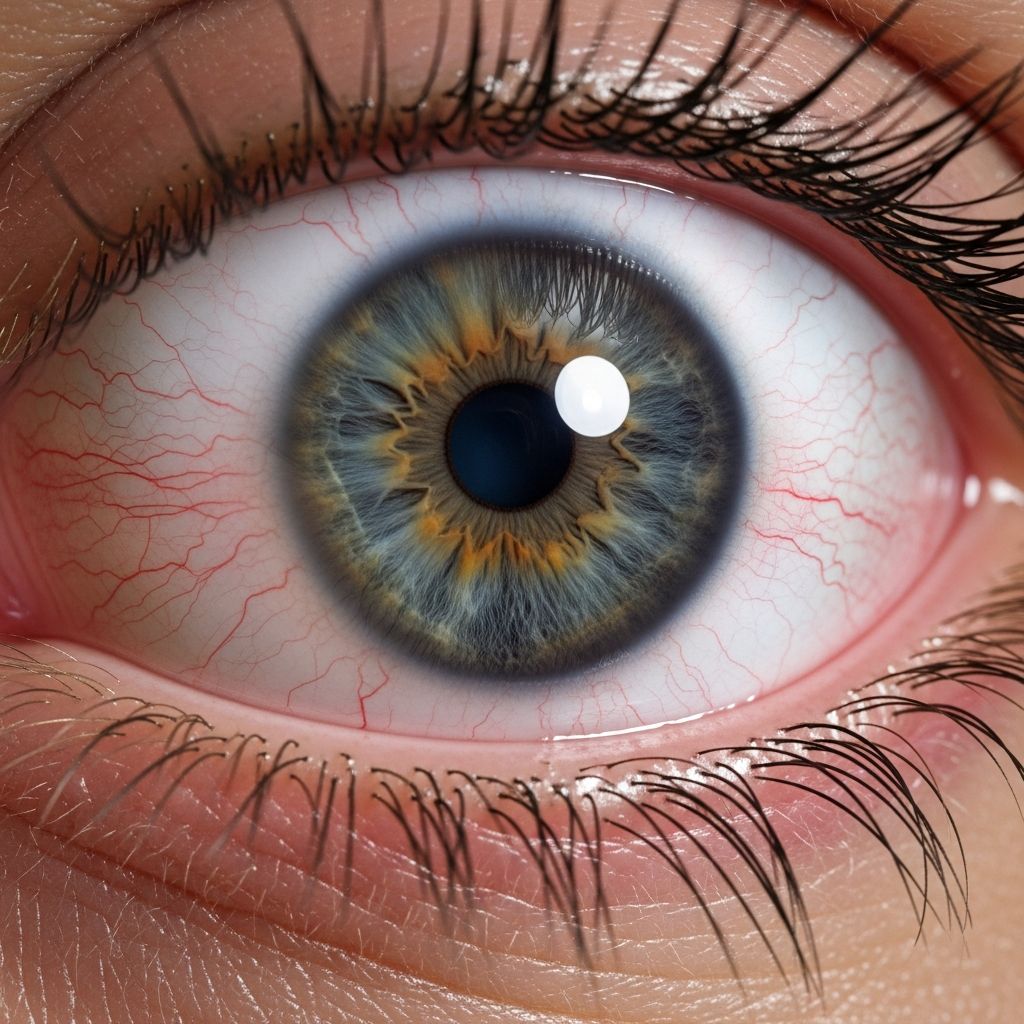
Irritant or traumatic conjunctivitis refers to inflammation of the conjunctiva—the thin, transparent membrane covering the white part of the eye and inner eyelids—caused by exposure to irritants or physical trauma rather than infection or allergy. This condition often resolves spontaneously within 24 hours with simple symptomatic relief, such as topical lubricants. Unlike infectious forms, it does not typically spread to others and requires no antibiotics.
What is the conjunctiva?
The conjunctiva is a delicate mucous membrane that protects the eye by producing mucus to keep it moist and lubricated. It lines the inner surface of the eyelids (palpebral conjunctiva) and covers the sclera (bulbar conjunctiva), forming a continuous layer interrupted only at the cornea’s edge. This tissue contains blood vessels, goblet cells for tear production, and immune cells, making it vulnerable to rapid inflammation from external insults.
In irritant or traumatic cases, the conjunctiva reacts with redness, tearing, and discomfort to defend against harm, but severe exposures can lead to longer-term issues if not addressed promptly.
Who gets irritant or traumatic conjunctivitis?
This condition affects individuals of all ages exposed to triggering factors. Occupational groups like cleaners, factory workers, swimmers, and healthcare professionals using disinfectants are at higher risk. Children splashing chemicals or playing with toys, and contact lens wearers facing poor hygiene or overwear, also commonly experience it. Anyone in dusty, polluted environments or handling irritants without protection—such as gardeners with pesticides or mechanics with solvents—is susceptible.
- Chemical industry workers handling acids, alkalis, or solvents.
- Swimmers exposed to chlorinated pools.
- Contact lens users with solutions or overwear.
- Individuals in high-pollution areas or using eye makeup irritants.
What causes irritant or traumatic conjunctivitis?
Causes divide into chemical irritants, physical trauma, and mechanical factors. Chemical irritants range from mild (shampoo, chlorine) to severe (acids, alkalis). Physical trauma includes foreign bodies like eyelashes or metal shavings, UV radiation from welding (‘welder’s flash’), or thermal burns. Mechanical causes involve overwearing contact lenses or rubbing eyes vigorously.
Chemical causes
Mild agents include smoke, smog, hair sprays, perfumes, and pool chlorine, causing transient discomfort. Moderate irritants like soaps, detergents, and industrial solvents provoke more inflammation. Severe alkalis (ammonia, lime) and acids (sulfuric, hydrochloric) penetrate deeply, risking permanent damage.
Physical trauma
Foreign bodies such as sand, insects, or fingernails scratch the surface. UV exposure from sunlamps or welding arcs leads to photokeratitis. Dry air, wind, or radiant heat exacerbates vulnerability.
Other causes
Mechanical irritation from tight goggles, prolonged computer use inducing dry eyes, or medications like glaucoma drops. Contact lens solutions with preservatives can mimic infection.
What are the symptoms of irritant or traumatic conjunctivitis?
Symptoms onset rapidly post-exposure: sudden
grittiness
,burning
, orstinging
;redness
(diffuse injection);watery discharge
; mildblurred vision
; andphotophobia
(light sensitivity). Foreign body sensation prompts rubbing, worsening damage. Severe cases addsevere pain
,eyelid swelling
, orcopious discharge
. Symptoms typically improve within 24 hours.| Symptom | Mild Cases | Severe Cases |
|---|---|---|
| Grittiness/Burning | Mild, transient | Intense, persistent |
| Redness | Localized | Diffuse, sectoral |
| Discharge | Watery | Mucopurulent |
| Vision | Slight blur | Moderate loss |
Related Stories



How is irritant or traumatic conjunctivitis diagnosed?
Diagnosis relies on history of exposure and slit-lamp exam revealing conjunctival injection, chemosis (swelling), or foreign bodies. Fluorescein staining detects epithelial defects. pH testing differentiates acids/alkalis. Evert eyelids to check for hidden objects. Rule out infection via swabs if discharge persists.
Suspect when symptoms follow clear triggers and improve quickly, distinguishing from bacterial (purulent discharge) or viral (preauricular nodes) types.
Symptoms improving within 24 hours
Most cases self-resolve rapidly: mild irritants cause fleeting symptoms, while moderate ones fade with irrigation. Monitor for persistence beyond 24 hours signaling complications or misdiagnosis.
Management of irritant or traumatic conjunctivitis
Primary: immediate
irrigation
with saline or water (20 minutes for chemicals). Remove contacts/foreign bodies. Applycold compresses
andartificial tears
frequently. Avoid rubbing. Severe cases need urgent ophthalmology referral.Supportive care with lubricants speeds recovery without antibiotics, as this is non-infectious.
Do I need antibiotics?
No, unless secondary infection suspected (e.g., persistent purulent discharge). Antibiotics risk toxicity and delay diagnosis.
Prevention of irritant or traumatic conjunctivitis
Wear protective eyewear in hazardous settings. Use preservative-free lens solutions. Take screen breaks. Irrigate promptly post-exposure. Store chemicals safely.
- Goggles for labs/swimming.
- Daily lens hygiene.
- 20-20-20 rule for computers.
Possible complications
Rare but include persistent epithelial defects, corneal ulcers, scarring, or vision loss from severe chemicals. Secondary infection or allergic reactions to treatments possible. Pain, vision loss, or photophobia demands immediate specialist care.
Glucocorticoids only under expert guidance to avoid complications.
Irritant or traumatic conjunctivitis treatment
Focus on removal of cause and symptom relief. Artificial tears, cold compresses, and lubricants suffice. Severe burns require hospital irrigation, pH neutralization avoidance, and patching. Follow-up ensures healing.
For chemical injuries, copious irrigation prevents penetration; alkalis worse than acids due to saponification.
Glossary
- Chemosis: Conjunctival edema.
- Conjunctival injection: Redness from dilated vessels.
- Epiphora: Excessive tearing.
- Fluorescein staining: Dye highlighting defects.
- Photokeratitis: UV-induced corneal inflammation.
- Sectoral injection: Limbus-area redness.
Frequently Asked Questions
Is irritant conjunctivitis contagious?
No, unlike bacterial/viral forms; it’s mechanical or chemical.
How long does it take to heal?
Usually 24 hours with care; seek help if longer.
Can I wear contacts during recovery?
No, discard if exposed; resume post-resolution.
What if symptoms worsen?
Urgent ophthalmologist for pain/vision changes.
Are steroids safe?
Only specialist-prescribed; risks outweigh benefits otherwise.
References
- Irritant or Traumatic Conjunctivitis — DermNet NZ. 2023. https://dermnetnz.org/topics/irritant-or-traumatic-conjunctivitis
- Conjunctivitis: A Systematic Review of Diagnosis and Treatment — National Center for Biotechnology Information (NCBI/PMC). 2014-10-15. https://pmc.ncbi.nlm.nih.gov/articles/PMC4049531/
- Acute Conjunctivitis – Symptoms, Diagnosis and Treatment — BMJ Best Practice. 2025. https://bestpractice.bmj.com/topics/en-us/68
- Conjunctivitis — EyeWiki (American Academy of Ophthalmology). 2025. https://eyewiki.org/Conjunctivitis
- Diagnosis and Management of Red Eye in Primary Care — American Academy of Family Physicians (AAFP). 2010-01-15. https://www.aafp.org/pubs/afp/issues/2010/0115/p137.html
- Pink Eye (Conjunctivitis) – Diagnosis & Treatment — Mayo Clinic. 2025. https://www.mayoclinic.org/diseases-conditions/pink-eye/diagnosis-treatment/drc-20376360
Similar Articles








Read full bio of Sneha Tete