6 Hours Of Sleep: 6 Tips To Avoid Health Risks And Rest Better
Discover if six hours of sleep meets health needs, expert recommendations, risks of shortfall, and tips for better rest.
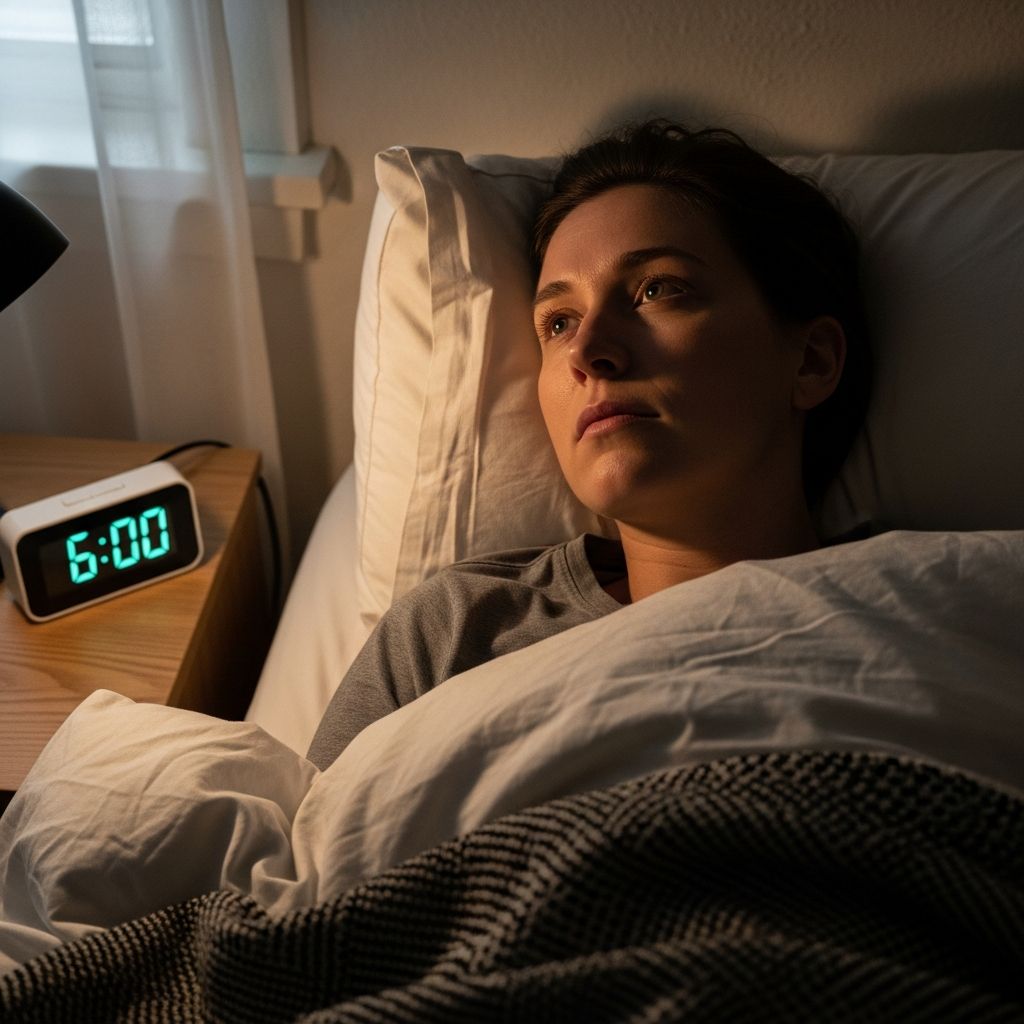
Is 6 Hours of Sleep Enough?
Six hours of sleep per night falls short of the recommended amount for most adults, as major health organizations advise 7 or more hours for optimal health. Sleeping less than 7 hours regularly links to serious risks including weight gain, diabetes, hypertension, heart disease, stroke, depression, impaired immunity, and higher mortality.
The American Academy of Sleep Medicine (AASM) and Sleep Research Society (SRS) issued a joint consensus in 2015, stating adults aged 18-60 should aim for at least 7 hours nightly to promote well-being. This guideline stems from rigorous review of over 5,000 studies on sleep’s ties to nine health areas: cardiovascular, metabolic, mental health, immunity, performance, cancer, pain, mortality, and general health. While individual needs vary due to genetics, age, and lifestyle, 6 hours consistently shows adverse effects in population-level data.
How Much Sleep Do Adults Need?
Adults require 7 to 9 hours of sleep per night for peak physical and mental function. The AASM/SRS consensus explicitly recommends “7 or more hours per night on a regular basis” for healthy adults up to age 60. Sleeping under 7 hours correlates with health detriments, while over 9 hours may suit young adults, those recovering from deprivation, or the ill—but for most, it’s not ideal and could signal underlying issues.
Sleep needs evolve across life stages:
- Young adults (18-25): Often 7-9 hours; higher end may be normal.
- Adults (26-64): Firmly 7-9 hours for metabolic and cognitive health.
- Seniors (65+): 7-8 hours, though fragmented sleep is common.
Quality matters alongside duration: uninterrupted, restorative sleep cycles through REM and non-REM stages, supporting memory, hormone regulation, and repair.
Is 6 Hours of Sleep Enough? The Short Answer
No, 6 hours is generally insufficient. The expert panel using the modified RAND Appropriateness Method analyzed evidence graded by Oxford levels, concluding short sleep harms multiple systems. Even if you feel functional, cumulative deficits accrue, raising accident risk, errors, and chronic disease odds.
| Sleep Duration | Health Association | Evidence Examples |
|---|---|---|
| <7 hours | Adverse: obesity, diabetes, hypertension, heart disease, stroke, depression, death risk | Population studies show dose-response; less sleep = higher risk |
| 7-9 hours | Optimal health promotion | Consensus from 5,314 articles reviewed |
| >9 hours | Uncertain; okay for some groups | May indicate illness or recovery needs |
Health Risks of Sleeping Only 6 Hours
Chronic 6-hour sleep triggers a cascade of issues. Metabolic havoc: Short sleep disrupts insulin sensitivity, promoting obesity and type 2 diabetes. Studies link it to 30-50% higher obesity risk.
Cardiovascular strain: Hypertension and heart disease rise with sleep restriction; stroke risk climbs too. Immune function weakens, increasing infections and inflammation.
Mental toll: Depression odds double, anxiety surges, cognitive performance dips—think slower reactions, memory lapses, errors at work or driving.
Mortality link: Regular under-7-hour sleep elevates all-cause death risk, per longitudinal data. Pain sensitivity heightens, cancer associations emerge in some reviews.
Why You Might Think 6 Hours Is Enough
Some thrive short-term on 6 hours due to:
- Genetic short-sleepers: Rare mutations (e.g., DEC2 gene) allow full function on 4-6 hours—less than 1% of people.
- Adaptation illusion: Sleep debt builds invisibly; caffeine masks fatigue.
- Age factors: Older adults may need less but still face fragmentation risks.
Track your sleep with journals or wearables: persistent grogginess, naps, or irritability signal insufficiency.
Can You Function on 6 Hours of Sleep?
Short-term, yes—many do amid deadlines. But long-term, no. Performance mirrors blood alcohol levels: 6 hours ≈ 0.05% BAC for impairment. Microsleeps occur unnoticed, risking accidents (e.g., 20% higher crash odds).
Productivity paradox: Sleep-curtailers report more hours “worked” but yield less due to errors. Hormones like cortisol spike, ghrelin rises (hunger), leptin falls (satiety)—hello, midnight snacks.
Signs You’re Not Getting Enough Sleep
Spot deficits via:
- Daytime drowsiness or yawning.
- Needing alarms every morning.
- Irritability, mood swings.
- Microsleeps or nodding off.
- Cravings for junk food.
- Frequent illnesses.
Epworth Sleepiness Scale helps quantify: score over 10 suggests excess sleepiness.
How to Get More Sleep
Aim for 7+ hours with evidence-based tweaks:
- Consistent schedule: Same bedtime/wake time daily, even weekends.
- Sleep hygiene: Dark, cool room (60-67°F); no screens 1 hour pre-bed.
- Wind-down routine: Reading, herbal tea; avoid caffeine post-noon.
- Exercise daily: 30 minutes moderate activity, not evenings.
- Diet aids: Light dinners; limit alcohol (disrupts REM).
- Naps wisely: 20-30 minutes early afternoon if needed.
Cognitive behavioral therapy for insomnia (CBT-I) outperforms pills long-term.
FAQs
Is 6 hours of sleep enough for adults?
No. AASM/SRS recommend 7+ hours; less raises health risks like heart disease and diabetes.
Can I survive on 6 hours of sleep?
You can function short-term, but chronic 6 hours impairs cognition, immunity, and increases mortality risk.
Is 6 hours better than 5?
Marginally, but still below optimal. Dose-response shows risks escalate under 7 hours.
How much sleep for weight loss?
7-9 hours; short sleep boosts hunger hormones, sabotaging diets.
What if I feel fine on 6 hours?
Subjective energy hides deficits. Monitor performance and health markers.
References
- Recommended Amount of Sleep for a Healthy Adult: A Joint Consensus Statement of the American Academy of Sleep Medicine and Sleep Research Society — Consensus Conference Panel, Nathaniel F. Watson et al. 2015-06-01. https://pmc.ncbi.nlm.nih.gov/articles/PMC4434546/
Similar Articles







Read full bio of medha deb