Is a Grain-Free Diet Healthy? Here’s What Dietitians Say
Dietitians weigh in on the pros, cons, and science behind grain-free diets for better digestion, weight loss, and long-term health.
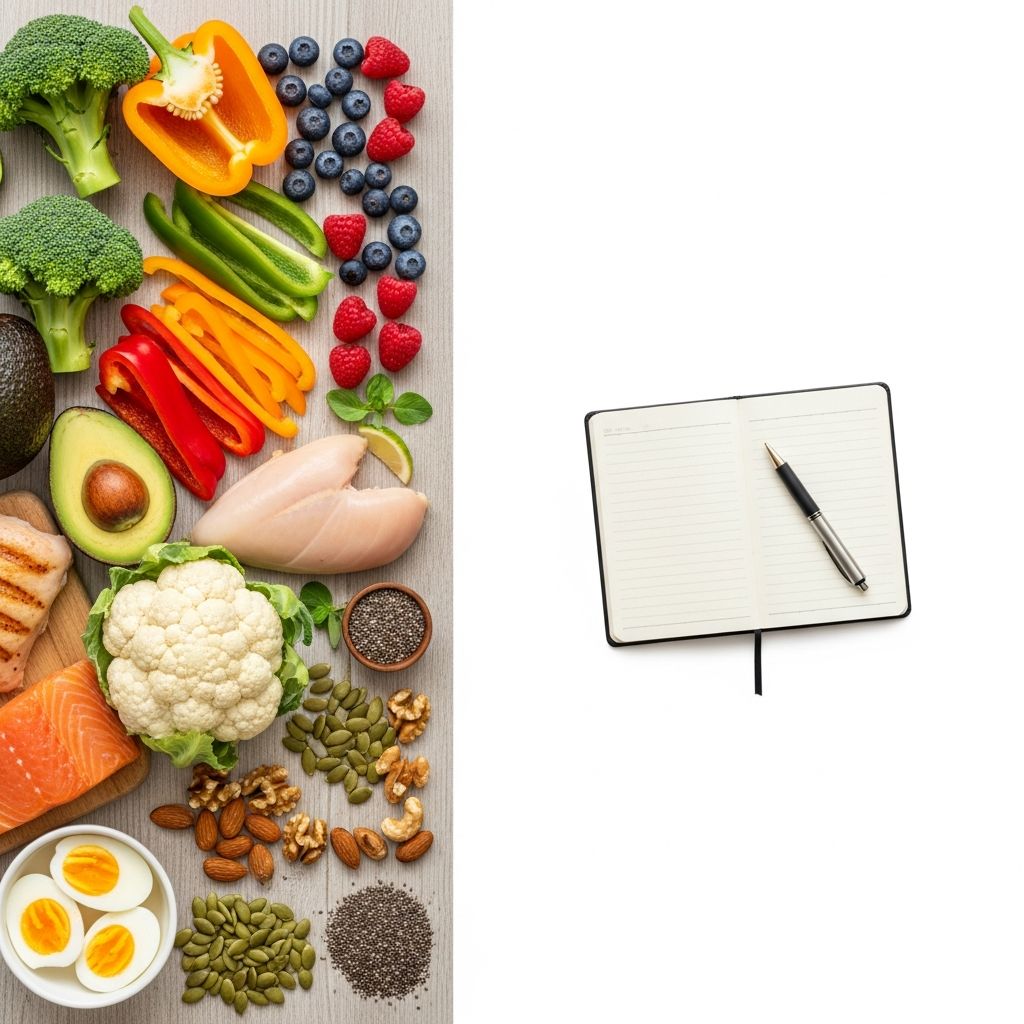
A grain-free diet eliminates all grains, including wheat, rice, oats, barley, and corn, often appealing to those seeking relief from digestive issues or weight loss. Dietitians note it may help specific conditions but carries risks like nutrient gaps for most people.
What Is a Grain-Free Diet?
A grain-free diet removes grains entirely, differing from gluten-free which allows gluten-free options like rice. It targets those with celiac disease, non-celiac gluten sensitivity, or grain allergies, potentially easing gut inflammation and symptoms like bloating or fatigue. Unlike paleo diets overlapping with grain exclusion, grain-free focuses solely on grains, permitting dairy, legumes, and processed foods unless specified otherwise.
Grains provide carbohydrates, fiber, B vitamins, and minerals, so elimination requires replacements from fruits, vegetables, nuts, and seeds to avoid deficiencies.
Benefits of a Grain-Free Diet
While not ideal universally, grain-free eating offers targeted advantages supported by studies and expert insights.
Better Digestion
For individuals with irritable bowel syndrome (IBS), celiac disease, or gluten sensitivity, grains—especially gluten-containing ones—can trigger diarrhea, constipation, bloating, or nausea. A 6-week study on inflammatory bowel disease (IBD) patients showed 73% symptom improvement on grain-free diets. Removing hard-to-digest grains like wheat provides relief by reducing gut irritation.
Reduced Inflammation
Chronic inflammation links to autoimmune issues and diseases; wheat may elevate markers in sensitive people, per animal studies. Grain-free approaches can lower inflammation, benefiting rheumatoid arthritis or similar conditions. Unique compounds in grains like avenanthramides in oats fight inflammation, but for intolerant individuals, avoidance helps.
Weight Loss
Grains, particularly refined ones, are calorie-dense with low nutrition, promoting weight gain and insulin resistance. Cutting them reduces carb intake, aiding short-term loss, as seen in patient cases with PCOS and obesity. However, sustainability is key to prevent rebound weight gain.
Improved Blood Sugar and Mental Health
Lower carbs stabilize blood sugar, potentially easing fatigue or fibromyalgia pain. Some report mental clarity, though evidence is anecdotal and needs more research.
Downsides and Risks of Going Grain-Free
Eliminating grains risks health trade-offs, as whole grains offer proven benefits.
Constipation and Low Fiber
Whole grains supply insoluble fiber bulking stools and promoting regularity; removal heightens constipation risk unless offset by veggies, fruits, legumes, nuts, and seeds. Aim for 25-30g daily fiber from alternatives.
Low Energy Levels
Carbs from grains fuel energy; sudden cuts cause fatigue and sluggishness. Balance with veggies, fruits, proteins, and fats mitigates this.
Nutrient Deficiencies
Grains deliver B vitamins, iron, magnesium, and antioxidants like gamma-oryzanol in rice or plant sterols reducing cholesterol. Long-term avoidance may elevate heart disease, cancer, and all-cause mortality risks, per meta-analyses of nearly 800,000 people showing whole grains cut death risks. Gluten-free products often lack protein, fiber, and micronutrients.
Sustainability Issues
Many cycle on/off, gaining more weight long-term with no sustained health evidence. Whole grains lower inflammatory markers like CRP and support gut health via short-chain fatty acids.
What Can You Eat on a Grain-Free Diet?
Focus on whole foods for nutrition.
- Proteins: Meat, poultry, fish, eggs, tofu
- Veggies: Leafy greens, broccoli, cauliflower, zucchini
- Fruits: Berries, apples, avocados (moderate for blood sugar)
- Nuts/Seeds: Almonds, chia, flaxseeds
- Healthy Fats: Olive oil, coconut oil, butter
- Dairy (if tolerated): Cheese, yogurt, milk
- Legumes: Beans, lentils (if not strictly paleo)
Related Stories



Avoid: Wheat, rice, oats, barley, corn, quinoa, amaranth, bread, pasta, cereal, and hidden grains in processed foods.
Sample 7-Day Grain-Free Meal Plan
| Day | Breakfast | Lunch | Dinner | Snack |
|---|---|---|---|---|
| Monday | Eggs with spinach & avocado | Grilled chicken salad w/ olive oil | Baked salmon w/ broccoli | Almonds & berries |
| Tuesday | Greek yogurt w/ nuts | Tuna salad lettuce wraps | Beef stir-fry w/ veggies | Apple w/ nut butter |
| Wednesday | Smoothie: berries, spinach, protein | Turkey & veggie skewers | Zucchini noodles w/ pesto & shrimp | Cottage cheese & cucumber |
| Thursday | Omelet w/ mushrooms & cheese | Lentil soup (grain-free) | Chicken thighs w/ cauliflower rice | Chia pudding |
| Friday | Chia seed pudding w/ coconut milk | Egg salad on greens | Steak w/ asparagus | Handful of walnuts |
| Saturday | Bacon & eggs w/ tomatoes | Shrimp ceviche salad | Pork chops w/ Brussels sprouts | Yogurt w/ seeds |
| Sunday | Protein smoothie bowl | Chickpea salad (if legumes ok) | Roast lamb w/ root veggies | Celery & almond butter |
Adjust portions for needs; prioritize variety for nutrients.
Who Might Benefit from a Grain-Free Diet?
- Celiac Disease or Gluten Sensitivity: Mandatory grain exclusion for some.
- IBD/IBS: Symptom relief in many.
- Wheat Allergy: Avoids triggers.
- Autoimmune Conditions: Potential inflammation reduction.
- Short-Term Weight Loss: Under supervision.
Most healthy people benefit from whole grains reducing chronic disease risks.
What Dietitians Say About Grain-Free Diets
Experts caution against blanket adoption. Whole grains lower mortality from heart disease, cancer, and all causes via fiber, SCFAs, and antioxidants. Nutritionists like Julie Miller Jones warn gluten-free trends risk fiber loss, gut health, and food security. Dietitians recommend grains for most, grain-free only medically.
“Eating whole grains reduces the risk of death from ALL causes” – Meta-analyses in Circulation and BMJ.
Frequently Asked Questions (FAQs)
Is a grain-free diet the same as gluten-free?
No. Gluten-free allows rice and corn; grain-free excludes all grains.
Can a grain-free diet cause weight gain?
Initially aids loss, but unsustainability leads to cycling and gain.
Are there long-term risks to grain-free eating?
Yes: deficiencies, constipation, higher disease risk without whole grains.
Do whole grains cause inflammation?
No, they lower markers like CRP; inflammation ties to sensitivity, not all grains.
Who should avoid grains entirely?
Those with celiac, allergies, or specific intolerances; others need them.
Bottom Line: Should You Go Grain-Free?
Grain-free suits medical needs but risks outweigh benefits for most due to whole grains’ protections against disease. Consult dietitians; replace nutrients adequately if trying. Balanced diets with grains promote longevity.
References
- Grain-Free Diet: Benefits and Risks — Vitacost. Accessed 2026. https://www.vitacost.com/blog/grain-free-diet-benefits-and-risks/
- Grain-free diets may be harmful to your health — DrStagg. Accessed 2026. https://www.drstagg.com/grain-free-diets-may-harmful-health/
- Grain-Free Diet: Benefits, Food Lists, and Meal Plan — Healthline. 2023-10-23. https://www.healthline.com/nutrition/grain-free-diet
- Health Benefits and Adverse Effects of a Gluten-Free Diet — PMC (NIH). 2018-03-29. https://pmc.ncbi.nlm.nih.gov/articles/PMC5866307/
- Gluten-free diets put food security, human health at risk — CIMMYT. Accessed 2026. https://www.cimmyt.org/news/gluten-freediets-put-food-security-human-health-at-risk-nutritionist/
- Should You be Following a Grain-Free Diet? — Blue Sky MD. Accessed 2026. https://blueskymd.com/should-you-be-following-a-grain-free-diet/
Similar Articles








Read full bio of medha deb