Is Alkaline Water Better? Understanding the Science
Separating fact from fiction: What science really says about alkaline water.
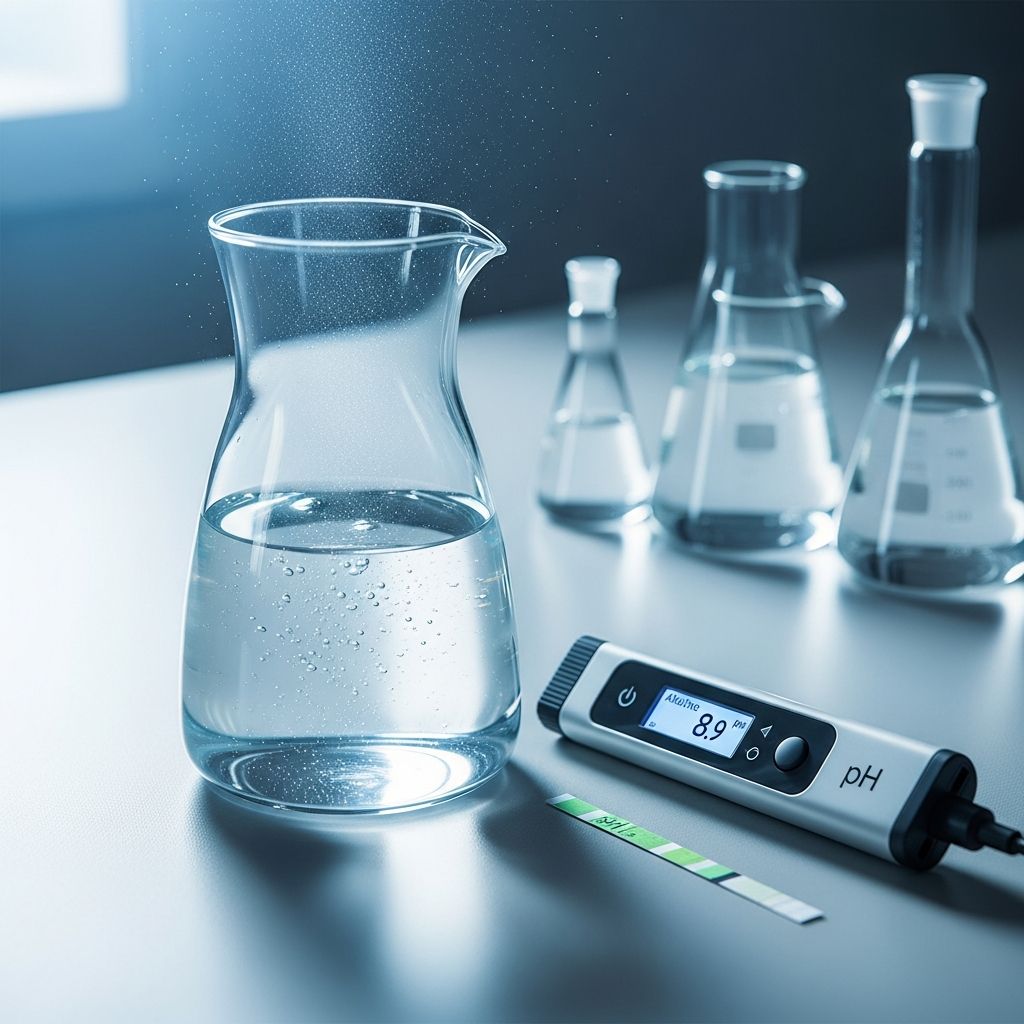
Is Alkaline Water Better? Understanding the Science Behind Popular Claims
Alkaline water has become increasingly popular in recent years, marketed as a superior alternative to regular tap water with promises of enhanced hydration, anti-aging properties, and various health benefits. Health-conscious consumers spend considerable money on alkaline water products and devices, hoping to improve their wellbeing. However, the question remains: does scientific evidence actually support these claims, or is alkaline water simply expensive marketing hype?
Understanding alkaline water requires first knowing what it is. Alkaline water is created by adding alkaline minerals to purified water and then electrolyzing the mineralized water to produce streams of acidic and alkaline water. The resulting alkaline water typically has a pH between 9 and 10, compared to regular water which has a pH of around 7. Proponents suggest that this higher pH offers numerous health advantages, but the scientific evidence tells a more nuanced story.
What Does the Research Actually Show?
While numerous claims surround alkaline water, the scientific evidence supporting these claims remains limited and often preliminary. Many studies investigating alkaline water’s alleged benefits suffer from small sample sizes, short duration, or lack of rigorous control groups. Additionally, the strength of existing evidence is generally insufficient to justify recommending alkaline water as a treatment for any specific health condition.
One critical factor that skeptics and researchers alike emphasize is how the human body naturally regulates pH levels. The stomach maintains a highly acidic environment with a pH between 1 and 3.5, which is essential for digestion and killing harmful bacteria. When you consume alkaline water, your stomach acid quickly neutralizes it, restoring your stomach’s pH to its regular acidic levels. This natural buffering system means that alkaline water cannot fundamentally change your body’s pH balance, despite claims suggesting otherwise.
Hydration Claims: Is Alkaline Water More Hydrating?
One of the most frequently cited benefits of alkaline water is that it provides superior hydration compared to regular water. This claim gained traction following a 2017 study involving 36 male soccer players divided into three groups: one drank highly mineralized water, another low mineral high alkaline water, and the third drank table water. Participants consumed approximately 4 liters daily for seven days while performing intensive exercise routines.
The study concluded that those consuming low mineral, high alkaline water showed better hydration status after exercise compared to the other groups. However, researchers themselves described the findings as “preliminary” data, and with only 36 participants, the study is considered very small by scientific standards. Far more extensive clinical trials and evidence would be required before medical professionals could recommend alkaline water specifically for improving hydration in active individuals.
The consensus among most health experts remains clear: if your goal is proper hydration, plain regular water works perfectly well. The type of water matters far less than actually drinking sufficient quantities throughout the day. Your body’s hydration needs are met equally by regular tap water, bottled water, or alkaline water. The most important factor is consistency and adequate intake, not the pH level of the water you consume.
Anti-Aging and Cellular Health: Separating Hope from Evidence
Another popular claim is that alkaline water can slow the aging process and improve various markers of cellular health. This assertion gained some scientific attention when a 2020 study found that mice supplemented with alkaline water for 10 months showed improvements in various markers of cellular aging, including increased telomere length—the protective structures at the end of chromosomes that typically shorten with age.
Related Stories



While this sounds promising, it’s crucial to note that this research was conducted on mice, not humans. Animal studies can provide valuable insights and generate hypotheses, but they rarely translate directly to human health outcomes. The biological complexity of humans means that what works in laboratory mice frequently fails to produce similar results in human trials. Without comparable human studies demonstrating significant anti-aging effects, claims about alkaline water’s ability to slow aging remain unproven.
Additionally, extensive research on general water consumption shows that people who drink adequate amounts of water daily appear to live longer and have fewer chronic diseases. However, this benefit comes from staying properly hydrated with any type of water—regular H2O provides the same longevity and disease prevention benefits as alkaline water, without the premium price tag.
Bone Health and Metabolic Syndrome
Some research has explored alkaline water’s potential effects on bone health. A 2021 study published in the Journal of Menopausal Medicine followed 100 women being treated for osteoporosis, dividing them into two groups: one drank 1.5 liters of alkaline water daily while the other did not. After three months, both groups showed improved bone density, but women drinking alkaline water experienced slightly more improvement. However, researchers emphasized that more extensive long-term studies are necessary to understand alkaline water’s sustained effects on bone loss prevention.
Regarding metabolic health, a study of 304 postmenopausal women published in PLoS One found that those who drank alkaline water were less likely to have metabolic syndrome, a cluster of conditions including high blood sugar, elevated blood fats, high blood pressure, and excess belly fat. However, the study found little difference in weight between women who drank alkaline water and those who didn’t, suggesting limited practical benefits. Researchers concluded that more rigorous investigation would be needed to prove that alkaline water genuinely improves metabolism.
Specific Health Conditions: What the Evidence Shows
Kidney Stones
Researchers from the University of California, Irvine investigated whether bottled alkaline water could provide benefits similar to alkaline treatment tablets for kidney stone prevention. They measured the alkaline content of five different alkaline water brands and compared it to traditional alkaline tablets and other beverages. The research found no added benefit to drinking alkaline water over tap water for treating or preventing kidney stones. According to the senior researcher, while alkaline water products have a higher pH than regular water, they contain negligible alkali content, insufficient to raise urine pH enough to affect kidney stone development.
Gout
A 2024 study published in Medicine examined the effects of alkaline water on gout patients. Those who added alkaline water to their treatment regimen experienced less joint pain and swelling compared to patients who didn’t. Their laboratory tests also showed reduced inflammation markers and lower uric acid levels, which promote gout development. While these results appear promising, researchers cautioned that more research is necessary to determine whether alkaline water is safe and beneficial for long-term gout management.
Heartburn and Acid Reflux
Some people consume alkaline water believing it will neutralize stomach acid and prevent or treat heartburn. However, gastroenterologists treating reflux disease explain that alkaline water has minimal effect on stomach pH levels and does nothing to address the primary heartburn problem: acidic stomach contents backing up into the esophagus. The scientifically proven benefit of alkaline water is temporary relief from acidity and heartburn due to its higher pH temporarily raising stomach pH, but this effect is short-lived and not a legitimate treatment strategy.
Cancer Prevention
The claim that alkaline water fights cancer stems from the observation that cancer cells thrive in acidic environments. Proponents suggest that consuming high-alkaline foods and water might prevent tumor formation. However, cancer experts firmly state this is unlikely because drinking alkaline water has no impact on blood pH levels, meaning it would have no effect on tumor growth. There is no scientific evidence that alkaline water fights or prevents cancer.
Potential Risks and Concerns
While advocates promote alkaline water as uniformly beneficial, potential disadvantages exist, particularly for certain populations. Alkaline water with pH levels of 9 and above may taste bitter to some consumers. More significantly, individuals already taking medication to lower stomach acidity should exercise caution, as alkaline water could raise stomach pH to levels that alter normal blood chemical levels, particularly potassium.
This condition, called hypokalemia, can develop in patients with kidney disease and may escalate into serious health disorders including cardiac disease and renal failure. Individuals with kidney disease should consult their physicians before consuming alkaline water regularly, as their compromised kidney function may struggle to maintain proper electrolyte balance.
The Bottom Line on Alkaline Water
After examining the scientific literature, the evidence supporting alkaline water’s purported health benefits remains weak and unconvincing. While some studies suggest potential advantages in specific areas like bone density or gout management, these studies are typically small, short-term, or preliminary in nature. The scientific consensus is clear: there is no substantial evidence that alkaline water provides significant health benefits beyond what regular water offers.
Your kidneys maintain blood pH within a narrow, tightly regulated range regardless of what you drink. The body’s natural buffering systems are extraordinarily effective at preventing pH changes from dietary sources. Alkaline water cannot meaningfully alter your blood pH or provide the health transformations promised by marketing campaigns.
If the idea of alkaline water motivates you to drink more fluids overall, that increased hydration itself may provide modest benefits—but these same benefits come from drinking plain regular water. The crucial factor for health is staying adequately hydrated, not the pH of your water source.
Frequently Asked Questions About Alkaline Water
Q: Is alkaline water worth the premium price?
A: Based on current scientific evidence, alkaline water does not offer health benefits significant enough to justify its typically higher cost compared to regular water. If proper hydration is your goal, regular tap water is equally effective and substantially more economical.
Q: Can alkaline water improve my energy levels?
A: No, alkaline water will not directly increase energy levels. While staying hydrated is important for maintaining energy and combating fatigue from dehydration, alkaline water provides no advantage over regular water in this regard.
Q: Is alkaline water safe for everyone?
A: For most people, alkaline water is safe. However, individuals taking medications for acid reduction, those with kidney disease, or people managing certain health conditions should consult their healthcare provider before regularly consuming alkaline water.
Q: How much alkaline water should I drink daily?
A: Standard hydration recommendations apply equally to alkaline and regular water. Most adults should aim for about 15.5 cups (3.7 liters) for men and 11.5 cups (2.7 liters) for women daily, though individual needs vary based on activity level, climate, and health status.
Q: Can alkaline water cure any diseases?
A: No. While some preliminary studies suggest potential benefits for specific conditions like gout, there is currently no disease that alkaline water can cure. Claims suggesting alkaline water treats cancer, osteoporosis, or other serious conditions lack substantial scientific support.
References
- Is There Evidence That an Alkaline pH Diet Benefits Health? — National Institutes of Health (NIH), National Center for Biotechnology Information. 2012. https://www.ncbi.nlm.nih.gov/pmc/articles/PMC3195546/
- How Much Water Do You Need? — Harvard T.H. Chan School of Public Health, The Nutrition Source. 2024. https://nutritionsource.hsph.harvard.edu/water/
- What Does Alkaline Water Do? Understanding Its Benefits — WebMD. 2024. https://www.webmd.com/diet/what-is-alkaline-water
- Fact Check: Is Alkaline Water Good For Health? — NDTV. 2024. https://www.ndtv.com/india-news/fact-check-is-alkaline-water-good-for-health-7269132
- Alkaline Water: Heal-All Hydration Or Expensive Nonsense? — IFLScience. 2024. https://www.iflscience.com/alkaline-water-heal-all-hydration-or-expensive-nonsense-75843
- Associations of alkaline water with metabolic risks, sleep quality and depression in postmenopausal women: a cross-sectional study — PLOS One. 2022. https://doi.org/10.1371/journal.pone.0275640
Similar Articles








Read full bio of Sneha Tete