Almond Butter: Is It Healthy? Benefits, Risks, Serving Tips
Uncover the nutritional benefits, risks, and smart ways to enjoy almond butter in your diet for optimal health.
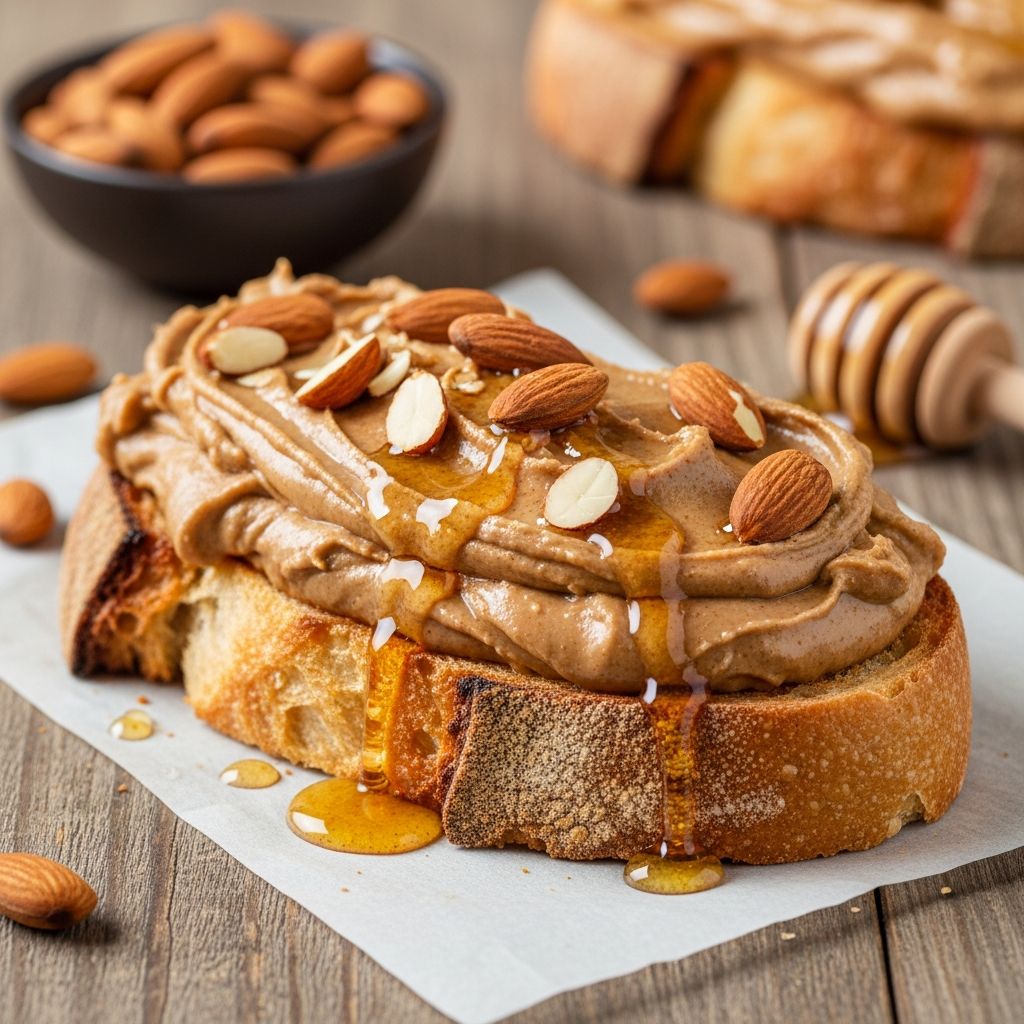
Almond butter is a nutrient-dense spread made from ground almonds, offering healthy fats, protein, fiber, and essential vitamins and minerals in a single tablespoon. While it’s calorie-rich at around 98-101 calories per serving, its benefits for heart health, blood sugar control, and bone strength make it a valuable addition to a balanced diet when consumed mindfully.
What Is Almond Butter?
Almond butter is produced by grinding whole almonds into a smooth or crunchy paste, similar to peanut butter but derived from almonds. Unlike processed peanut butter, high-quality almond butter contains minimal ingredients—often just almonds—and retains the nut’s natural oils, vitamins, and minerals. It’s versatile for spreading on toast, blending into smoothies, or using in baking, providing sustained energy without blood sugar spikes.
The process preserves monounsaturated fats, which constitute the majority of its fat content, along with antioxidants like vitamin E. Available in smooth, crunchy, raw, roasted, salted, or sweetened varieties, choosing unsweetened and unsalted options maximizes health benefits.
Almond Butter Nutrition Facts
A standard 1-tablespoon (about 16g) serving of plain, unsalted almond butter packs impressive nutrition. Here’s a breakdown:
| Nutrient | Amount per 1 Tbsp | % Daily Value* |
|---|---|---|
| Calories | 98-101 | 5% |
| Total Fat | 9-9.5g | 12-14% |
| Saturated Fat | 0.7-1g | 4% |
| Protein | 2.4-3.4g | 5-7% |
| Carbohydrates | 3-3.4g | 1% |
| Fiber | 1.6-1.7g | 6% |
| Sugars | 0-0.7g | 0-1% |
| Vitamin E | 3.87mg | 26% |
| Magnesium | 44.6mg | 12% |
| Calcium | 55.5-60mg | 5% |
| Iron | 0.6mg | 3% |
| *Based on a 2,000-calorie diet. Values vary slightly by source and brand. | ||
This profile highlights almond butter’s density in heart-healthy monounsaturated fats (about 5g per serving), moderate protein for muscle support, and fiber for digestion. It’s low in carbs and sugars, making it suitable for low-carb diets.
Health Benefits of Almond Butter
Almond butter inherits the powerhouse nutrients of whole almonds, delivering multiple evidence-based benefits.
Supports Heart Health
Rich in monounsaturated fats, almond butter lowers LDL (bad) cholesterol while raising HDL (good) cholesterol, reducing heart disease risk. Omega-3s prevent irregular heart rhythms, vitamin E inhibits arterial plaque, and L-arginine strengthens artery walls. Studies link regular nut butter intake to improved cardiovascular outcomes.
Promotes Bone Health
Providing 5-6% of daily calcium (55-60mg) and magnesium (44.6mg) per tablespoon, almond butter aids calcium absorption and bone density maintenance. These minerals are crucial for skeletal strength, especially in plant-based diets.
Helps Control Blood Sugar
The combination of fiber, protein, and fats slows digestion, stabilizing blood sugar and insulin levels post-meal. Magnesium enhances insulin sensitivity, potentially lowering type 2 diabetes risk. Research supports almonds for glycemic control.
Boosts Antioxidant Protection
With 26% of daily vitamin E, almond butter combats oxidative stress from free radicals, supporting immune function, skin health, and reducing risks of diabetes, obesity, and cancers. Flavonoids and polyphenols add further protection.
Related Stories



Aids Weight Management
Despite calories, its satiating fiber-protein-fat mix promotes fullness, curbing overeating. Studies associate moderate almond consumption with better weight control in balanced diets.
- Prebiotic fiber supports gut health.
- Protein aids muscle repair post-workout.
- Low glycemic index prevents energy crashes.
Potential Downsides of Almond Butter
Almond butter isn’t perfect. High calories (98+ per tbsp) can lead to weight gain if overconsumed. Those with nut allergies must avoid it. Oxalates may contribute to kidney stones in susceptible individuals. Added sugars, salts, or oils in some brands reduce quality—opt for 100% almonds.
Portion control is key: limit to 1-2 tablespoons daily. Raw varieties might harbor bacteria risks if not pasteurized.
Almond Butter vs. Peanut Butter
Both are nutritious, but almond butter edges out in several areas. See the comparison:
| Nutrient (per 1 Tbsp) | Almond Butter | Peanut Butter |
|---|---|---|
| Calories | 98-101 | 94-100 |
| Protein | 2.4-3.4g | 3.5-4g |
| Fiber | 1.6-1.7g | 1g |
| Sugar | 0-0.7g | 1.7g |
| Vitamin E | 3.87mg (26% DV) | 1.5mg |
| Magnesium | 44.6mg (12% DV) | 26.9mg |
| Calcium | 55.5mg (5% DV) | 7.9mg |
| Almond butter wins in vitamin E, magnesium, calcium, and fiber; peanut butter has slightly more protein. | ||
Almond butter is pricier and less widely available but offers superior micronutrients for bone and antioxidant needs.
Is Almond Butter Good for You?
Yes, in moderation as part of a varied diet. Its nutrient density supports heart, bone, and metabolic health without excessive carbs or sugars. Pair with fruits, veggies, or whole grains for balanced meals.
How to Choose a Healthy Almond Butter
- Select jars with one ingredient: almonds.
- Avoid added sugars, hydrogenated oils, or excess salt.
- Prefer organic or raw for purity, but ensure pasteurization.
- Check for ‘no stir’ if convenience matters (natural oils separate).
- Crunchy adds texture without extra calories.
Delicious Ways to Use Almond Butter
- Spread on apple slices or celery for snacks.
- Blend into smoothies or oatmeal.
- Use in stir-fries, dressings, or energy balls.
- Swap for peanut butter in recipes like satay sauce.
- Top toast with banana and a drizzle.
Incorporate 1-2 tbsp daily for benefits without excess calories.
Frequently Asked Questions
What are the main health benefits of almond butter?
Key benefits include heart health from monounsaturated fats, blood sugar control via fiber and magnesium, bone support from calcium, and antioxidant protection from vitamin E.
Is almond butter better than peanut butter?
Almond butter excels in vitamin E, calcium, magnesium, and fiber, though peanut butter has more protein. Both are healthy; choose based on needs.
Can almond butter help with weight loss?
Yes, its satiating nutrients promote fullness, but portion control is essential due to calorie density.
Is almond butter keto-friendly?
Highly so—low carbs (3g), high healthy fats make it ideal for keto diets.
How much almond butter should I eat per day?
1-2 tablespoons to reap benefits without exceeding calories.
References
- Health Benefits of Almond Butter — WebMD. 2023-10-15. https://www.webmd.com/diet/health-benefits-almond-butter
- Almond Butter Nutrition and Calories: The Truth About 1 Tablespoon — Asmita Organic Farm. 2024-05-20. https://asmitaorganicfarm.com/blogs/aof/nutrition-and-calories-of-almond-butter
- Almond Butter Nutrition Facts: Benefits, Uses, and Risks — Hers. 2024-02-10. https://www.forhers.com/blog/almond-butter-nutrition
- Almond Butter Nutrition Facts | Benefits & Info — MaraNatha Foods. 2023-11-01. https://www.maranathafoods.com/health-facts/almonds/
- Almond Butter vs. Peanut Butter: What’s Healthiest? — Healthline. 2024-08-12. https://www.healthline.com/health/food-nutrition/almond-butter-peanut-butter
Similar Articles








Read full bio of Sneha Tete