ASMR: Science, Benefits, And How To Find Your Triggers
Discover how ASMR triggers tingling relaxation, boosts mood, eases pain, and enhances wellbeing through soothing sounds and visuals.
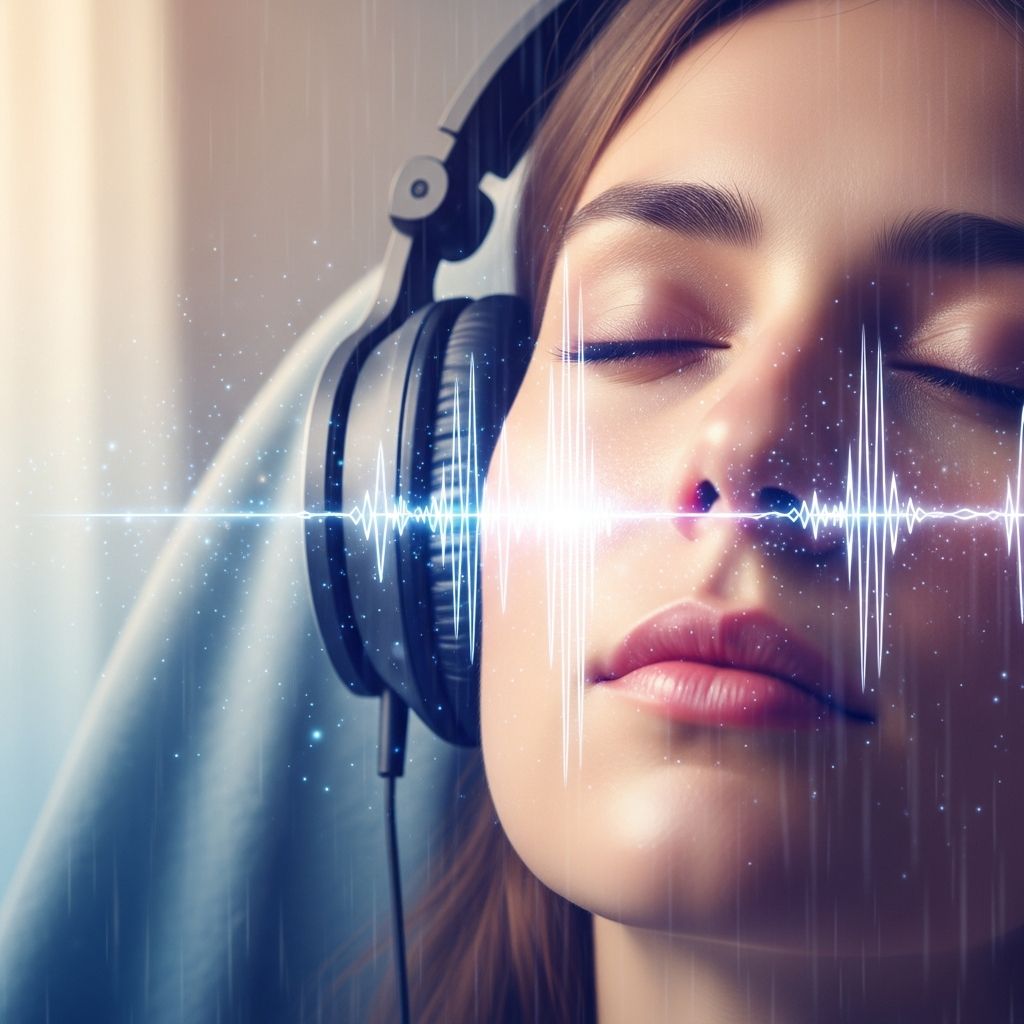
Autonomous Sensory Meridian Response (ASMR) has captivated millions since emerging as a global phenomenon around 2007. This unique sensory experience, often described as a pleasurable tingling that starts at the scalp and spreads downward, offers profound relaxation and emotional upliftment through specific auditory, visual, and tactile triggers.
What is ASMR?
ASMR stands for
Autonomous Sensory Meridian Response
, a spontaneous and enjoyable sensation elicited by particular sensory stimuli. It manifests as a tingling feeling that promotes states of deep relaxation, contentment, tranquillity, and sometimes exhilaration. Popularized through online videos by creators known as ASMRtists, it involves intimate, close-up actions designed to evoke these responses.Dr. Sham Singh, a psychiatrist at WINIT Clinic in Santa Monica, USA, notes that ASMR is typically activated by sounds or videos like whispering, tapping, or slow movements, making it a go-to for stress reduction and relaxation.
What does ASMR mean?
At its core, ASMR is a response to gentle, repetitive stimuli that mimic caring personal attention. It encompasses a range of experiences tailored to individual sensitivities, available across videos, social media, and podcasts.
Common ASMR content includes:
- Sounds: Whispering, soft breathing, crinkling paper, tapping, eating sounds, nature noises, and storytelling.
- Visuals: Close-up shots, self-care routines, texture explorations, slow hand movements, personal attention simulations, painting, role-playing, and object manipulation.
These elements often blend, creating immersive experiences that many seek for unwinding after a long day.
What does ASMR do to your brain?
For those who experience it, ASMR influences brain regions linked to emotions, physical sensations, feelings, movement, and social bonding. Research indicates it activates pleasure and relaxation pathways, akin to meditation or mindfulness.
Sandra Kushnir, founder of Meridian Counseling in California, USA, explains: “ASMR activates brain areas associated with pleasure response and relaxation, leading to calm similar to being comforted.” Studies further reveal reduced heart rates, lowered blood pressure, and increased alpha wave activity, mirroring real social interactions.
Peer-reviewed work shows ASMR responders exhibit heightened sensory sensitivity, particularly tactile, olfactory, and gustatory, with physiological changes like pupil dilation and skin conductance.
What does ASMR feel like?
The hallmark of ASMR is a
tingling sensation
originating at the scalp, neck, or crown, cascading down the spine and into limbs. Dr. Singh describes it as gently arousing and relaxing, comparable to a light head massage or musical chills.Not everyone feels it identically; intensity varies, but responders often report euphoria, deep calm, or a ‘brain tingle’ that eases into whole-body serenity.
What are the wellness benefits of ASMR?
Emerging research highlights ASMR’s potential to enhance wellbeing by reducing stress, improving sleep, lifting mood, and aiding focus. It lowers cortisol while boosting endorphins, fostering a present, focused state useful against daily pressures.
While not a medical treatment, it complements self-care. Polyvagal theory suggests ASMR stimulates the vagus nerve, promoting parasympathetic ‘rest-and-digest’ activation for anxiety relief.
Can ASMR boost your mood?
Yes, studies confirm ASMR positively impacts mood. In a survey of 475 participants, 80% reported mood improvement post-ASMR, even without tingles for half.
Related Stories



Kushnir adds that viewers feel happier, more relaxed, and content. Additional research links it to decreased arousal in those with depression or insomnia.
| Study Finding | Effect Size | Source |
|---|---|---|
| 80% mood improvement | Significant in 475 participants | |
| Reduced heart rate & arousal | Statistically significant |
Can it reduce pain?
Preliminary evidence suggests ASMR distracts from pain and induces relaxation, potentially easing headaches via tension reduction.
Though more studies are required, its endorphin release and stress-lowering mimic pain management techniques. Kushnir notes it doesn’t address causes but mitigates symptoms through diversion and calm.
Other Benefits
- Sleep Aid: Many use ASMR for insomnia, as it promotes drowsiness.
- Anxiety & Autism: Predictable stimuli help sensory regulation, reducing overload.
- Focus Enhancement: Induces a flow state for better concentration.
ASMR supports depression, anxiety, insomnia, and stress management but isn’t a substitute for professional care—consult a doctor for persistent issues.
ASMR Triggers: Finding Your Bliss
Triggers vary; experimentation is key. Popular ones include:
- Whispered role-plays (e.g., haircuts, medical exams).
- Tactile sounds: Brushing, scratching, slime play.
- Visuals: Slow pouring, folding, lighting candles.
- Personal attention: Simulated care like makeup application.
Start with 10-20 minute sessions in a quiet space, using headphones for binaural audio.
Who Experiences ASMR?
About 20-30% of people are ‘responders,’ often those with high sensory sensitivity. Genetics, neurodiversity, and past experiences influence susceptibility.
Science and Future Research
ASMR aligns with polyvagal theory, engaging the vagus nerve for ventral vagal activation—fostering safety and connection. fMRI studies show reward center activation similar to grooming in primates.
Future trials may validate therapeutic uses, comparing ASMR to EMDR via binaural beats.
Frequently Asked Questions (FAQs)
What if I don’t feel ASMR tingles?
Not everyone experiences physical tingles, but many still benefit from mood and relaxation effects.
Is ASMR safe for everyone?
Generally yes, but those with epilepsy should avoid flashing lights. It’s not a treatment replacement.
How often should I use ASMR?
Daily 15-30 minute sessions work well for most, integrated into bedtime routines.
Can ASMR help with ADHD?
Anecdotes suggest improved focus, but evidence is emerging.
Does ASMR cause addiction?
No evidence of harm; moderate use enhances wellbeing.
ASMR offers accessible sensory bliss, blending ancient relaxation instincts with modern media. Incorporate it mindfully for optimal benefits.
References
- Is ASMR the secret to sensory bliss? — Patient.info. 2023. https://patient.info/features/treatment-medication/is-asmr-the-secret-to-sensory-bliss
- The effects of Autonomous Sensory Meridian Response (ASMR) videos on arousal and mood in adults with and without depression and insomnia. — Smejka, T., & Wiggs, L. Journal of Affective Disorders. 2021-12-15. https://doi.org/10.1016/j.jad.2021.12.015
- The awesome as well as the awful: Heightened sensory sensitivity predicts the presence and intensity of Autonomous Sensory Meridian Response (ASMR). — Poerio, G. L., Mank, S., & Hostler, T. J. Journal of Research in Personality. 2021. https://doi.org/10.1016/j.jrp.2021.104183
- Polyvagal Theory. — Porges, S. W., & Dana, D. W. W. Norton & Company. 2018. https://www.norton.com/books/9780393713573
Similar Articles








Read full bio of medha deb