Bacterial Vaginosis: Guide To Symptoms, Diagnosis & Treatment
Unraveling whether bacterial vaginosis qualifies as a sexually transmitted infection: causes, risks, diagnosis, and treatment insights.
Bacterial vaginosis (BV) is not classified as a sexually transmitted infection (STI), but it shares notable connections to sexual activity and heightens STI acquisition risks.
What Is Bacterial Vaginosis?
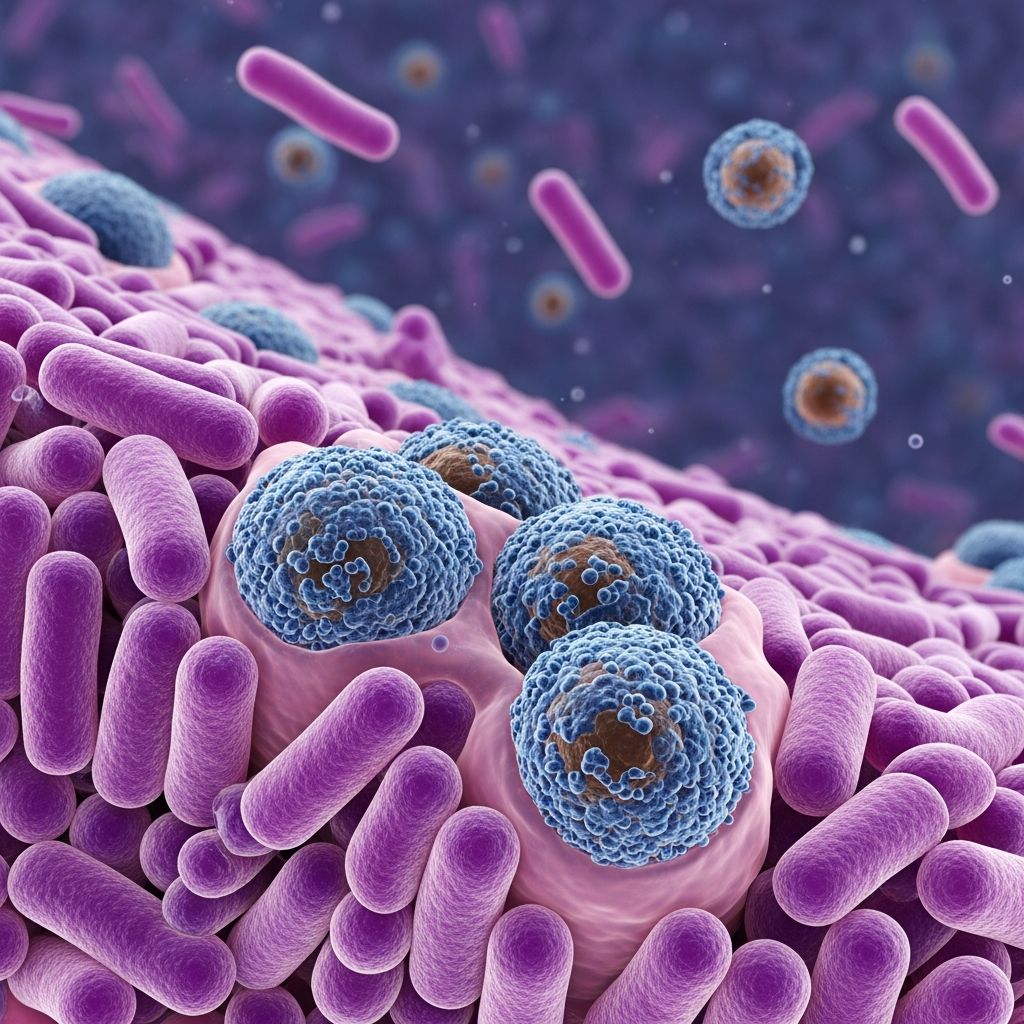
Bacterial vaginosis arises from a disruption in the vaginal microbiome, where dominant Lactobacillus species—producers of hydrogen peroxide and lactic acid—are overtaken by anaerobic bacteria like Gardnerella vaginalis, Prevotella, Mobiluncus, Atopobium vaginae, and BV-associated bacteria (BVAB). This shift forms a polymicrobial biofilm on vaginal epithelial cells, leading to symptoms such as thin, grayish-white discharge with a fishy odor.
A healthy vagina maintains a low pH (around 4.0–4.5) thanks to Lactobacillus, but BV elevates pH above 4.5, fostering pathogen growth. Though common in reproductive-age women, BV occurs via endogenous flora overgrowth, distinguishing it from true STIs caused by external pathogens.
Symptoms of Bacterial Vaginosis
Many with BV remain asymptomatic, but when present, symptoms include:
- Thin, homogeneous discharge: Milklike, gray or white, coating vaginal walls.
- Fishy odor: Especially post-intercourse or during menstruation, intensified by 10% KOH (whiff test).
- Vaginal irritation: Mild itching or burning, though less intense than yeast infections.
Symptoms mimic other conditions, necessitating professional diagnosis to rule out STIs or candidiasis.
Causes and Risk Factors for Bacterial Vaginosis
BV stems from vaginal dysbiosis, not a single pathogen. Key triggers include:
- Sexual activity: New/multiple partners, unprotected sex disrupt microbiome; penile-vaginal sex transfers bacteria.
- Douching: Washes away protective Lactobacillus, raising BV risk.
- Hormonal changes: Menstruation, pregnancy alter pH.
- Intrauterine devices (IUDs): May promote anaerobic growth.
- Smoking: Linked to recurrent BV.
Though not an STI, BV prevalence surges with sexual partners; studies detect BV bacteria in male partners, hinting at sexual transmission potential.
Is Bacterial Vaginosis an STI?
No, BV does not meet STI criteria, defined by transmission of exogenous pathogens (e.g., chlamydia, gonorrhea). BV involves overgrowth of native vaginal bacteria, occurring even in virgins or postmenopausal women.
However, BV associates strongly with sex:
- Increases STI susceptibility: HIV, gonorrhea, chlamydia, trichomoniasis, mycoplasma genitalium, HPV, HSV-2 by 2–4 fold via epithelial damage and immune modulation.
- Higher STI co-infection rates in BV-positive women (28% vs. 20.4%).
- Partner treatment trials reduce recurrence, suggesting sexual BV bacteria exchange.
Emerging research views BV as a “sexually enhanced” dysbiosis, not purely endogenous.
Diagnosis of Bacterial Vaginosis
Clinicians use standardized criteria:
Amsel Criteria
Requires ≥3 of 4:
- Thin, white/gray homogeneous discharge.
- Vaginal pH >4.5.
- Positive whiff test (fishy odor with 10% KOH).
- Clue cells (epithelial cells stippled with bacteria) on wet mount (≥20%).
Sensitivity 37–70%, specificity 94–99% vs. Nugent score.
Nugent Score
Gold standard via Gram stain, scoring lactobacilli, G. vaginalis/Bacteroides, Mobiluncus (0–10): 0–3 normal, 4–6 intermediate, 7–10 BV.
Point-of-Care Tests
- Osom BV Blue: Detects sialidase (90.5% sensitivity).
- Nugent-like scores or NAATs targeting G. vaginalis, A. vaginae, BVAB, Megasphaera, lactobacilli (e.g., Aptima BV: 95–97% sensitivity).
Related Stories



| Method | Sensitivity | Specificity | Notes |
|---|---|---|---|
| Amsel | 37–70% | 94–99% | Clinical, quick |
| Nugent Gram Stain | Reference | Reference | Lab-based |
| Aptima BV | 95–97.3% | 85.8–89.6% | NAAT, detects key bacteria |
Treatment for Bacterial Vaginosis
CDC-recommended regimens target anaerobes:
- Metronidazole: 500 mg orally BID x 7 days (preferred) or 0.75% gel intravaginally QD x 5 days.
- Clindamycin: 2% cream intravaginally HS x 7 days.
Pregnancy: Oral metronidazole preferred; screen/treat to avert preterm birth. Recurrence (up to 50% at 12 months) prompts extended regimens or suppressive therapy.
Partner treatment not routinely advised, but evidence supports male partner tinidazole to curb recurrence.
Complications and Risks of Untreated BV
Untreated BV elevates:
- STI acquisition: HIV, chlamydia, gonorrhea, HSV-2, HPV.
- Pregnancy risks: Preterm delivery, PROM, endometritis, PID.
- Post-surgical: Increased pelvic infections post-hysterectomy.
- Infertility: Possible tubal damage, though causal link unclear.
Prevention of Bacterial Vaginosis
Strategies include:
- Avoid douching, scented products.
- Use condoms consistently.
- Limit partners; discuss BV with them.
- Probiotic lactobacilli supplements (mixed evidence).
- Treat promptly; monitor recurrence.
When to See a Doctor for Bacterial Vaginosis
Seek care for persistent discharge, odor, itching, especially with fever, pain, or post-intercourse worsening. Pregnant individuals or STI risks warrant immediate evaluation.
Frequently Asked Questions (FAQs)
Can you get bacterial vaginosis from toilet seats?
No, BV results from internal dysbiosis, not fomites like toilet seats.
Does bacterial vaginosis go away on its own?
Possibly in 30% cases, but treatment prevents complications.
Can men get bacterial vaginosis?
Men don’t get BV but may harbor bacteria, transmitting to partners.
Is bacterial vaginosis curable?
Yes, antibiotics cure most cases, though recurrence is common.
Can I have sex with bacterial vaginosis?
Avoid until treated to prevent spread and irritation.
References
- Bacterial Vaginosis – STI Treatment Guidelines — Centers for Disease Control and Prevention (CDC). 2021. https://www.cdc.gov/std/treatment-guidelines/bv.htm
- Bacterial Vaginosis – StatPearls — National Center for Biotechnology Information (NCBI), NIH. 2023-10-01. https://www.ncbi.nlm.nih.gov/books/NBK459216/
- Is Bacterial Vaginosis Actually an STI? — UW Medicine Right as Rain. 2023. https://rightasrain.uwmedicine.org/life/sex/bacterial-vaginosis-is-an-sti
- Relationship between Bacterial Vaginosis and Sexually Transmitted Infections — PubMed Central (PMC), NIH. 2023-10-16. https://pmc.ncbi.nlm.nih.gov/articles/PMC10609101/
- Bacterial Vaginosis Treatment Guidelines — Melbourne Sexual Health Centre (MSHC). 2024. https://www.mshc.org.au/health-professionals/treatment-guidelines/bacterial-vaginosis-treatment-guidelines
Similar Articles








Read full bio of Sneha Tete