Is Beef Tallow Healthy? Benefits, Nutrition & Uses
Discover the science behind beef tallow: its nutritional profile, health benefits, and potential drawbacks.
Is Beef Tallow Healthy? A Complete Guide to This Ancient Fat
Beef tallow has emerged from culinary obscurity to become a trending wellness product, with proponents touting it as “liquid gold” and a superior alternative to modern vegetable oils. But does the science support the hype? Beef tallow, a rendered form of beef fat, contains fat-soluble vitamins A, D, E, and K, along with various fatty acids that supporters claim offer significant health benefits. However, nutrition experts from leading medical institutions offer a more nuanced perspective on whether this ancient fat deserves its modern wellness status.
What Is Beef Tallow?
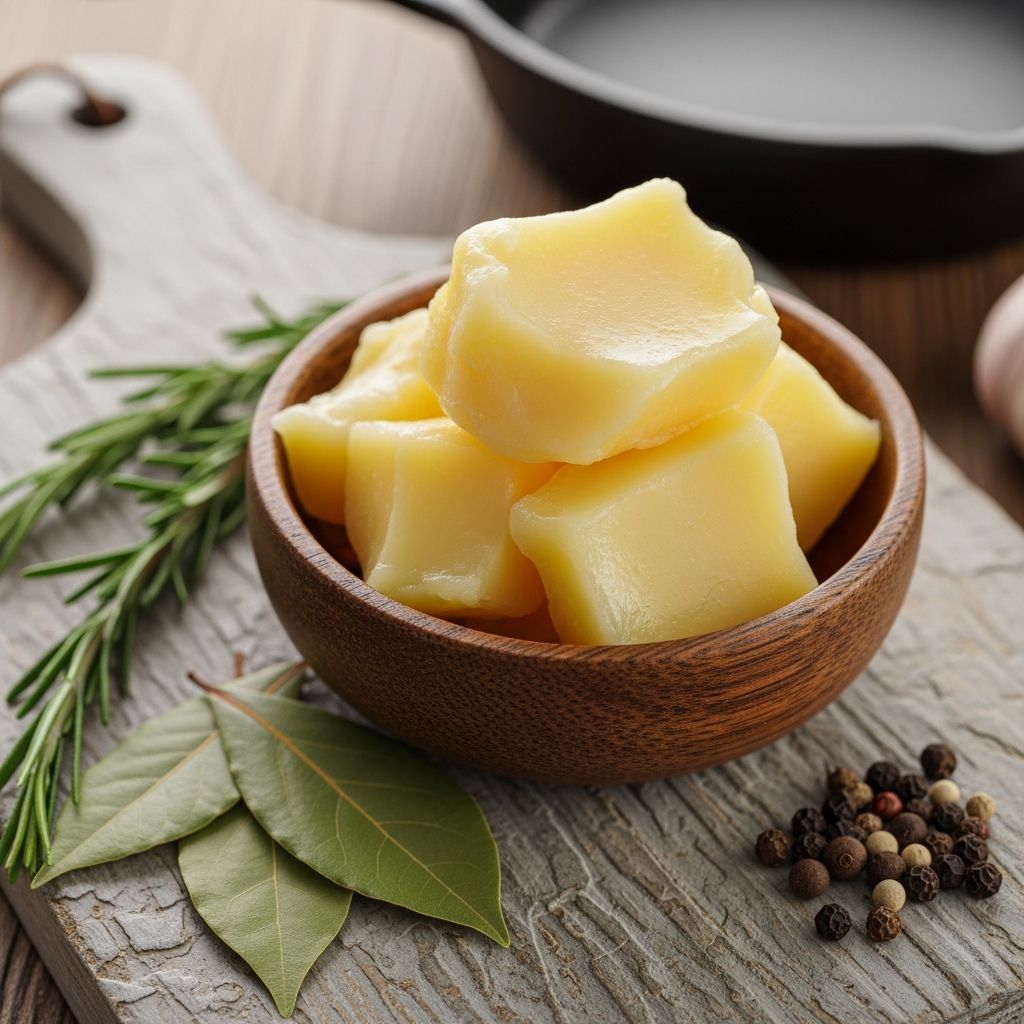
Beef tallow is rendered fat derived from cattle, traditionally used for cooking, candle-making, and topical applications for centuries. The quality and nutritional profile of beef tallow varies significantly based on the cattle’s diet and farming practices. Tallow from grass-fed, pasture-raised cattle contains notably higher levels of beneficial compounds compared to tallow from grain-fed animals raised on feedlots.
The rendering process involves slowly heating beef fat to separate the pure fat from other tissues, creating a shelf-stable cooking ingredient with a high smoke point. This characteristic has made it increasingly popular among those seeking alternatives to polyunsaturated vegetable oils.
Nutritional Profile of Beef Tallow
A tablespoon of beef tallow contains approximately 115 calories and 12.8 grams of total fat. Beyond these basic macronutrients, tallow provides a complex array of compounds:
- Fat-soluble vitamins: Vitamins A, D, E, K, and K2, which require dietary fat for absorption
- Stearic acid: A saturated fat that may improve cholesterol levels and decrease insulin resistance
- Conjugated linoleic acid (CLA): A polyunsaturated fat with anti-inflammatory and immune-boosting properties, particularly abundant in grass-fed cattle tallow
- Monounsaturated fats: Making up 40-50% of tallow’s composition, considered among the most heart-healthy fats available
- Other compounds: Choline, oleic acid, palmitoleic acid, linoleic acid, and omega-3 and omega-6 fatty acids
Claimed Health Benefits of Beef Tallow
1. Superior Cooking Properties
One of beef tallow’s most practical advantages is its high smoke point of 400 degrees Fahrenheit. This makes it ideal for high-heat cooking methods including frying, sautéing, roasting, and searing. Unlike many polyunsaturated vegetable oils, tallow remains stable when heated, reducing the formation of harmful compounds such as oxidized lipids and trans fats that can increase inflammation and oxidative stress in the body. For those following a ketogenic diet, tallow is particularly valued for its ability to promote satiety and support metabolic stability.
2. Anti-inflammatory Properties
Chronic inflammation is a root cause of numerous modern health conditions, including heart disease, type 2 diabetes, arthritis, and neurodegenerative disorders. Beef tallow contains fatty acids, including omega-9 and CLA, that demonstrate anti-inflammatory effects in the body. These compounds may help prevent, delay, or support treatment of inflammatory conditions, making tallow a functional food choice for those managing inflammation-related health challenges.
3. Weight Management Support
Healthy fats are renowned for their satiating properties, potentially reducing cravings and between-meal snacking. Research suggests that the CLA and stearic acid in beef tallow may support fat loss by enhancing metabolism and specifically targeting visceral fat—the metabolically harmful fat that accumulates around abdominal organs. For individuals pursuing weight management goals, incorporating tallow could support dietary adherence through improved satiety.
4. Immune System Enhancement
The fat-soluble vitamins in beef tallow play crucial roles in immune function. Approximately 80% of immune function originates in the gut, making dietary fat quality particularly important for immune health. Vitamins A, D, and E, along with CLA, support immune cell function and help regulate immune responses, potentially strengthening the body’s defense against infections, viruses, and colds.
Related Stories



5. Brain and Cognitive Health
The brain relies heavily on saturated fats for structural integrity and optimal function. Beef tallow’s saturated fats and omega-3 fatty acids support the myelin sheath surrounding neurons, which is essential for cognitive performance and nerve communication. The anti-inflammatory fatty acids in tallow may reduce oxidative stress and support myelin regeneration, potentially preventing neurodegenerative conditions and supporting mental clarity.
6. Joint and Musculoskeletal Health
The high saturated fat content in beef tallow provides lubrication and cushioning for joints. Its anti-inflammatory properties and ability to reduce stiffness make it a potentially beneficial addition to joint support regimens, particularly for athletes, aging adults, and individuals managing chronic inflammation or joint pain.
7. Hormone Regulation
Saturated fats, abundant in beef tallow, serve as precursors to steroid hormones including cortisol and testosterone. These hormones are vital for stress response, reproductive health, and overall homeostasis. The fatty acids in tallow support the body’s natural hormone production pathways, making it a nutritionally relevant food for hormonal balance.
8. Bone and Skin Health
The fat-soluble vitamins in beef tallow—particularly vitamins A, D, E, and K—benefit bone mineralization and skin health. These vitamins support calcium metabolism, enhance skin integrity, and provide antioxidant protection against free radical damage. The inclusion of tallow in one’s diet may improve absorption of these critical vitamins from other food sources.
The Controversy: Expert Perspectives on Beef Tallow
Despite the numerous claimed benefits, nutrition experts from leading medical institutions express caution. Harvard School of Public Health has stated that beef tallow is not a healthier option than seed oils. The primary concern centers on beef tallow’s saturated fat content and cholesterol levels. Research indicates that beef tallow is hypercholesterolemic, meaning it raises cholesterol levels more significantly than fats containing lower amounts of cholesterol-raising saturated fatty acids.
Nutrition experts caution that beef tallow’s high saturated fat content may not be suitable for individuals with certain heart conditions. While earlier dietary guidelines advocated for low-fat diets, contemporary nutrition science recognizes that saturated fat’s effects on health are more nuanced than previously understood. However, moderation remains important, particularly for those with cardiovascular risk factors.
Beef Tallow vs. Other Cooking Fats
| Fat Source | Smoke Point | Primary Fatty Acids | Key Nutrients | Best Use |
|---|---|---|---|---|
| Beef Tallow | 400°F | Saturated & Monounsaturated | Vitamins A, D, E, K; CLA; Stearic Acid | High-heat cooking, frying, roasting |
| Lard (Pork Fat) | 360-370°F | Saturated & Monounsaturated | Oleic acid, B vitamins | Baking, frying |
| Olive Oil | 350-410°F (varies by type) | Monounsaturated | Polyphenols, Vitamin E | Medium-heat cooking, finishing |
| Coconut Oil | 350-450°F | Saturated | MCTs, Lauric acid | Baking, medium-heat cooking |
How to Choose and Use Beef Tallow
If you decide to incorporate beef tallow into your diet, sourcing quality matters significantly. Grass-fed, pasture-raised cattle tallow contains substantially more beneficial compounds, including higher levels of CLA and omega-3 fatty acids, compared to tallow from grain-fed animals. Look for tallow that is rendered from organic cattle without antibiotics or hormones.
Beef tallow can be used for:
- High-heat cooking methods including pan-frying and deep-frying
- Roasting vegetables and meats
- Sautéing at moderate to high temperatures
- Making homemade cooking fats with improved stability
- Topical balms and skincare products in its unrefined form
Sustainability and Nose-to-Tail Utilization
Beyond individual health benefits, beef tallow represents a sustainable use of animal products through nose-to-tail utilization. Rather than discarding rendered fat, using tallow maximizes the nutritional value extracted from each animal, reducing waste in food production. This sustainability aspect appeals to environmentally conscious consumers and those practicing regenerative agriculture principles.
Frequently Asked Questions
Q: Is beef tallow really healthy?
A: Beef tallow contains beneficial nutrients including fat-soluble vitamins and fatty acids with anti-inflammatory properties. However, it is high in saturated fat, which may not be suitable for everyone, particularly those with heart conditions. Moderation and quality sourcing from grass-fed cattle are important considerations.
Q: Is beef tallow better than seed oils for cooking?
A: Beef tallow has a higher smoke point and remains more stable when heated compared to many seed oils, reducing the formation of harmful oxidized compounds. However, Harvard experts note it is not necessarily “healthier” than all seed oils. The best choice depends on individual health status and dietary goals.
Q: How much beef tallow should I consume?
A: As with all fats, moderation is key. A tablespoon (approximately 14 grams) provides 115 calories and concentrated nutrients. Individual tolerance and health conditions should guide consumption amounts.
Q: What is the difference between beef tallow and lard?
A: Lard is rendered fat from pigs rather than cattle. While both are high in saturated and monounsaturated fats, tallow is often considered more nutrient-dense and may be less contaminated since cattle have different diet and farming practices than pigs.
Q: Can beef tallow help with weight loss?
A: Beef tallow’s satiating properties may support weight management by reducing cravings and promoting fullness. Some research suggests CLA in tallow may help burn body fat, though weight loss depends on overall dietary and lifestyle factors.
Q: Is grass-fed beef tallow significantly different from grain-fed?
A: Yes, grass-fed cattle tallow contains notably higher levels of beneficial compounds including CLA, omega-3 fatty acids, and other nutrients compared to grain-fed cattle tallow. Quality sourcing significantly impacts the nutritional profile.
References
- Beef Tallow: 5 Health Benefits of This Ancient Fat — National Nutrition. https://www.nationalnutrition.ca/articles/supplements/beef-tallow-an-ancient-fat-making-a-modern-comeback
- What is Beef Tallow? Benefits & Uses — Bare Bones Broth. https://www.barebonesbroth.com/blogs/blog/what-is-beef-tallow-benefits-uses
- What Is Tallow? Benefits, Nutrition Facts, Uses and Side Effects — Dr. Axe. https://draxe.com/nutrition/tallow/
- Beef Tallow: Miracle Oil or Wellness Fad? — University Hospitals. https://www.uhhospitals.org/blog/articles/2025/05/beef-tallow-miracle-oil-or-wellness-fad
- Chewing the Fat: Is Beef Tallow Healthy? — Cleveland Clinic. https://health.clevelandclinic.org/beef-tallow-for-cooking
- Beef tallow not a healthier option than seed oils — Harvard School of Public Health. https://hsph.harvard.edu/news/beef-tallow-not-a-healthier-option-than-seed-oils/
- Role of beef and beef tallow, an enriched source of stearic acid, in a hypercholesterolemic diet — PubMed/National Center for Biotechnology Information. https://pubmed.ncbi.nlm.nih.gov/7977148/
Similar Articles








Read full bio of Sneha Tete