Nail Biting: Expert Tips To Stop And Avoid Health Risks
Discover the surprising health risks of nail biting and proven strategies to break this common habit.
Is Biting My Nails Really That Bad?
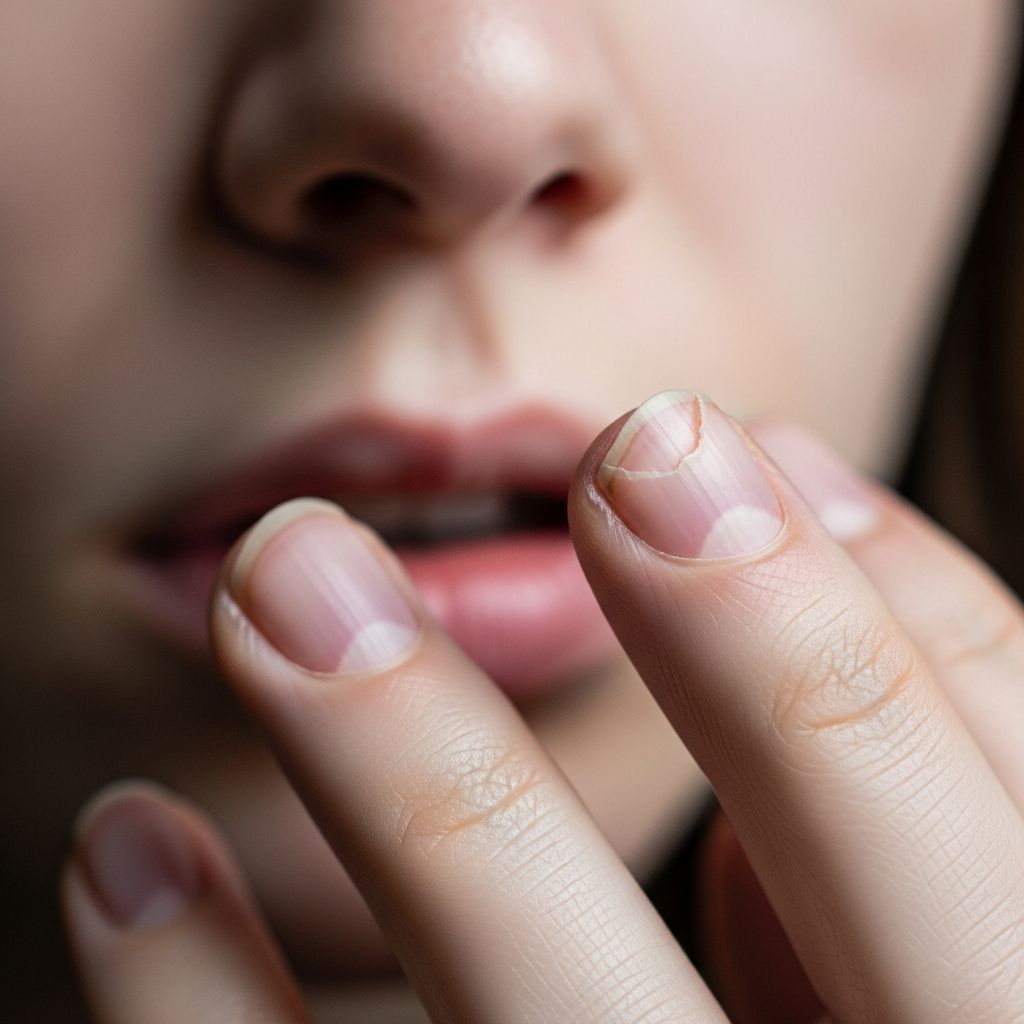
It’s one of the most common nervous habits—you’re stressed, bored, or anxious, and before you know it, your fingernails are being nibbled away. Nail biting, known medically as onychophagia, affects millions of people worldwide and is often dismissed as a harmless quirk. But what if this seemingly innocent behavior is actually putting your health at risk? While occasional nail biting might not cause serious problems, chronic nail biting can lead to infections, bacterial contamination, and even permanent damage to your nails and fingers.
Understanding Nail Biting: More Than Just a Bad Habit
Nail biting is classified as a body-focused repetitive behavior (BFRB) and is sometimes linked to conditions like obsessive-compulsive disorder, anxiety, or stress-related disorders. What makes this habit particularly concerning is that it often serves as a coping mechanism—when stress levels rise or boredom sets in, many people unconsciously turn to nail biting as a way to self-soothe. The problem is that this behavior creates a cycle: the more anxious or stressed you feel, the more likely you are to bite your nails, which can then lead to visible damage, embarrassment, and increased anxiety.
Experts explain that telling someone to simply “stop” rarely works because it reinforces feelings of failure and shame. Instead, breaking this habit requires understanding its psychological roots and implementing comprehensive strategies that address both the physical and emotional components of the behavior.
The Bacterial Risk: Your Nails Are Germ Collectors
One of the most significant health risks associated with nail biting is bacterial contamination. Our fingernails are constantly exposed to bacteria from everyday objects like doorknobs, money, smartphones, and countless other surfaces we touch throughout the day. Even when you don’t bite your nails, your fingertips are essentially germ collectors. However, when you bite your nails, you dramatically increase the risk of introducing these harmful bacteria directly into your mouth and digestive system.
Research has revealed alarming statistics about this risk. A study by Atatürk University found that more than 75% of nail biters had dangerous bacteria in their saliva, compared to just 26% of non-biters. This means that every time you bite your nails, you’re exposing yourself to a potential wave of infection. The bacteria hiding beneath your nails can range from common cold-causing pathogens to more serious organisms like salmonella, which can cause severe digestive infections.
The mechanism of infection is straightforward: when you bite your nails, you create tiny tears and fissures in the delicate skin around your cuticles, providing direct entry points for bacteria and fungi. These damaged cuticles leave your body more vulnerable to infection, turning what seems like a minor habit into a genuine health hazard.
Specific Health Consequences of Chronic Nail Biting
Paronychia: Painful Nail-Bed Infections
One of the most common infections resulting from nail biting is paronychia, a painful condition affecting the tissue surrounding the nail bed. When you constantly bite your nails, you create open wounds near your cuticles that bacteria and fungi can easily colonize. Paronychia develops when these microorganisms infect the nail fold area, causing symptoms including redness, swelling, pus-filled lumps, and throbbing pain around the nail bed.
According to the American Family Physician journal, untreated paronychia can persist for weeks and may require antibiotics or even minor surgical intervention to drain the infected area. In severe cases, the infection can spread deeper into the finger tissue or even into the bloodstream, creating a serious systemic infection that demands immediate medical attention.
Related Stories



Wart Development and Viral Infections
Another lesser-known but significant consequence of nail biting is the development of warts on your hands and face. These warts are caused by the human papillomavirus (HPV), which can enter your body through the small cuts created by biting your nails. Once infected, touching your face with contaminated fingers can transfer the virus to your lips, cheeks, chin, and other areas of your body.
Dermatologists note that children and adults who bite their nails regularly are significantly more prone to these viral skin infections. Over time, these warts can become stubborn and difficult to treat, sometimes multiplying or recurring even after initial treatment. Maintaining proper hand hygiene and boosting immunity are essential preventive measures.
Ingrown Nails and Structural Damage
Biting the sides or edges of your nails can cause them to grow unevenly, significantly increasing your risk of developing ingrown nails on your fingers (not just your toes). The trauma from constant biting changes the natural growth pattern of your nails, causing the skin around the nail to swell, turn red, and become painful to touch. In some cases, this condition worsens into an infection requiring surgical intervention.
Perhaps most concerning is the potential for permanent nail damage. Chronic nail biting can permanently damage the nail matrix—the part of your finger responsible for nail growth. When this happens, your nails may begin to grow abnormally, becoming ridged, uneven, or shorter over time. In severe cases, the nail can separate from the nail bed (a condition called onycholysis), leading to visible disfigurement. The nail bed can even shrink irreversibly, making your fingers appear deformed even after you’ve successfully stopped the habit.
Dental and Oral Complications
Beyond infections, nail biting can damage your teeth and gums. The constant pressure and friction from biting can wear down tooth enamel, cause gum recession, and lead to misalignment over time. Additionally, the open wounds in your mouth from nail biting provide entry points for bacteria that can cause gum disease and other oral infections.
The Psychological Dimension of Nail Biting
Understanding why you bite your nails is crucial to breaking the habit. Experts recognize that nail biting often emerges as a coping mechanism during stress or periods of boredom. For some people, it’s tied to anxiety or perfectionism. For others, it becomes an unconscious habit performed while concentrating or watching television.
The psychological cycle of nail biting can be particularly damaging because it reinforces negative feelings. You bite your nails out of stress, which damages your nails, which then causes embarrassment or anxiety, which leads to more nail biting. Breaking this cycle requires addressing both the underlying emotional triggers and the physical habit itself.
Strategies to Break the Nail Biting Habit
Behavioral and Therapeutic Approaches
Behavioral therapy is particularly effective for breaking nail biting habits because it helps identify triggers and reshape unhealthy responses. Habit-reversal training, a specific type of behavioral therapy, teaches you to recognize the situations that prompt nail biting and develop alternative responses. Cognitive-behavioral therapy (CBT) can also help address underlying anxiety or stress that may be driving the behavior.
Support groups and group therapy can play a vital role in helping individuals regain control of their behavior. Knowing you’re not alone in this struggle can provide motivation and accountability.
Practical Substitution Strategies
One effective approach is to replace nail biting with healthier habits that satisfy the same need for oral or hand stimulation. Experts recommend:
- Chewing sugar-free gum
- Drinking water or sipping herbal tea
- Engaging in drawing or needlework
- Fidget toys or stress balls
- Hand exercises or meditation
These alternatives provide the same sensory input and stress relief without the health risks associated with nail biting.
Taste-Based Deterrents
Bitter nail polish designed specifically to taste unpleasant has helped many people break the habit. The unpleasant taste serves as a negative reinforcement, making you less likely to put your fingers in your mouth. Over time, this can help reprogram your automatic response.
Lifestyle and Self-Care Improvements
Breaking the nail biting habit is easier when your overall stress levels are lower. Combining therapy with proper self-care—including adequate sleep, regular exercise, and balanced nutrition—improves your resilience against stress and reduces the likelihood of turning to nail biting. Physical activity, in particular, is an excellent outlet for nervous energy and anxiety.
When Should You Seek Professional Help?
Healthcare professionals recommend seeking medical advice if nail biting leads to visible physical damage, redness, or signs of infection. Additionally, if you notice psychological impacts such as increased anxiety, depression, or low self-esteem related to your nail biting, it’s important to talk to a healthcare provider.
You should also seek help if nail biting is affecting your social or professional life—for example, if you’re avoiding social situations because of the appearance of your nails or damaged fingers, or if colleagues or family members are expressing concern about your habit.
Frequently Asked Questions
Q: Is occasional nail biting harmful?
A: While occasional nail biting is unlikely to cause serious health problems, it still introduces bacteria into your mouth and can damage your cuticles. The more frequently you bite your nails, the greater your risk of developing infections or permanent damage.
Q: Can nail biting be a sign of a serious mental health condition?
A: Nail biting can be associated with conditions like anxiety, obsessive-compulsive disorder, and other body-focused repetitive behaviors. If your nail biting is severe or accompanied by other concerning symptoms, consult a mental health professional.
Q: How long does it take to break the nail biting habit?
A: The timeline varies depending on how long you’ve been biting your nails and the underlying causes. Most people see improvement within 2-4 weeks with consistent behavioral strategies, though completely breaking the habit may take several months.
Q: Are there any prescription treatments for nail biting?
A: While there’s no specific prescription for onychophagia itself, doctors may prescribe medications to treat underlying anxiety or OCD if those conditions are contributing to the habit. Behavioral therapy remains the most effective treatment.
Q: How can I prevent infections if I have been biting my nails?
A: Keep your hands clean, avoid touching your face unnecessarily, and maintain good oral hygiene. If you notice signs of infection like redness, swelling, or pus around your nails, see a healthcare provider promptly.
The Bottom Line
While nail biting might seem like a harmless nervous habit, the evidence clearly shows it poses real health risks. From bacterial contamination and painful infections to permanent nail damage and viral warts, the consequences of chronic nail biting extend far beyond cosmetic concerns. However, the good news is that breaking this habit is absolutely possible with the right approach. By understanding your triggers, implementing behavioral strategies, substituting healthier alternatives, and addressing underlying stress or anxiety, you can successfully stop biting your nails and protect your health. If you’re struggling to break the habit on your own, don’t hesitate to reach out to a healthcare provider or mental health professional who can provide targeted support and guidance.
References
- Biting Your Fingernails Could Spark Extremely Serious Health Risks — Harvard Health Publishing / Economic Times. 2024. https://economictimes.indiatimes.com/magazines/panache/biting-your-fingernails-could-spark-extremely-serious-health-risks-harvard-doctor-warns-heres-how-to-break-the-habit/articleshow/123906976.cms
- Why You Should Stop Biting Your Nails: 8 Disturbing Ways It Damages Your Body and Appearance — Times of India. 2024. https://timesofindia.indiatimes.com/life-style/health-fitness/health-news/why-you-should-stop-biting-your-nails-8-disturbing-ways-it-damages-your-body-and-appearance/articleshow/124968444.cms
Similar Articles








Read full bio of medha deb