Is Your Breakfast Cereal Really Healthy? What You Should Know
Learn what makes breakfast cereal healthy or unhealthy and how to choose better options.
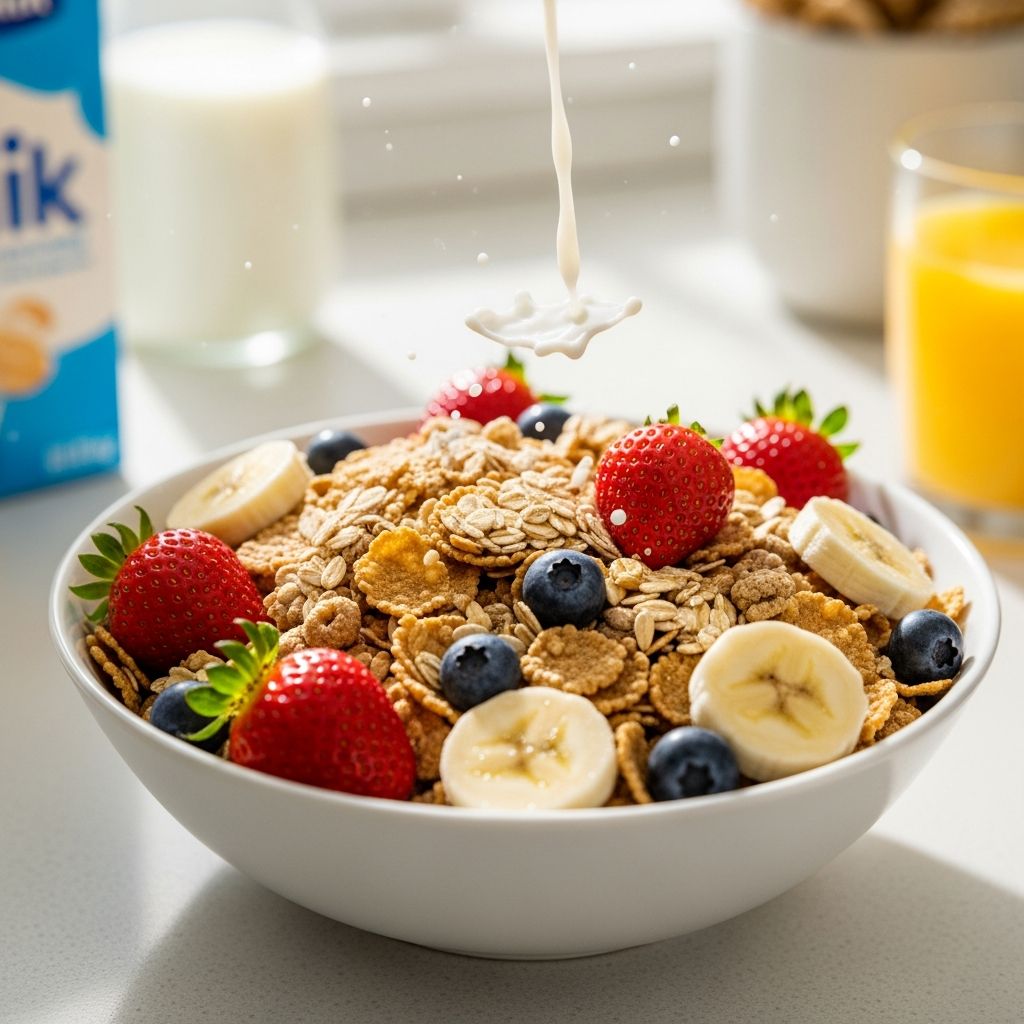
Is Your Breakfast Cereal Healthy? What You Should Know
Understanding Breakfast Cereal Nutrition
Breakfast cereals have been a staple in American households for generations, often portrayed as a convenient and nutritious way to start the day. However, the reality of what many commercial breakfast cereals contain is far more complex. While some cereals do provide valuable nutrients, others are essentially disguised desserts laden with added sugars, artificial ingredients, and minimal nutritional value. Understanding how to evaluate breakfast cereal labels and nutritional content is essential for making informed choices about your family’s diet.
The breakfast cereal industry has evolved significantly since its inception, with manufacturers continuously reformulating products to appeal to changing consumer preferences. Yet despite marketing claims and colorful packaging, many cereals remain nutritional landmines that can contribute to excessive sugar intake, weight gain, and metabolic issues. Learning to navigate the cereal aisle requires knowledge of what constitutes genuine nutrition versus clever marketing tactics.
The Sugar Problem in Commercial Cereals
One of the most significant concerns with many breakfast cereals is their alarmingly high sugar content. A single bowl of some popular cereals can contain as much sugar as a candy bar, yet parents often view them as a healthy breakfast choice. This disconnect between perception and reality represents a major public health issue, particularly when considering that breakfast is supposed to provide sustainable energy and nutrition for the day ahead.
Added sugars in breakfast cereals can quickly contribute to daily sugar intake limits. The American Heart Association recommends that children consume no more than 25 grams of added sugar per day, and men and women should limit intake to 36 and 25 grams respectively. Many popular cereals contain 10-15 grams of sugar per serving, meaning a single bowl represents 40-60% of a child’s daily recommended sugar intake before lunch has even arrived.
- Hidden sugars: Many cereals disguise sugar under alternative names like high fructose corn syrup, cane juice, honey, and molasses
- Portion distortion: Serving sizes on cereal boxes are often smaller than what people actually consume, making the actual sugar content significantly higher
- Glycemic impact: High-sugar cereals cause rapid blood sugar spikes followed by energy crashes, leading to mid-morning hunger and overeating
- Long-term effects: Regular consumption of high-sugar cereals is linked to obesity, type 2 diabetes, and dental problems
What Makes a Cereal Actually Healthy?
A truly healthy breakfast cereal should provide several key nutritional components that set it apart from sugary imposters. Rather than relying on marketing claims and health halos, look for cereals that offer genuine nutritional density with whole grains, adequate fiber, and minimal added sugars.
Essential Nutritional Criteria:
- Whole grains as first ingredient: Look for cereals where whole wheat, oats, or brown rice appear first on the ingredient list, not refined flour
- High fiber content: Cereals should contain at least 3 grams of fiber per serving to support digestive health and satiety
- Low added sugar: Limit to cereals with 6 grams or less of added sugar per serving
- Adequate protein: At least 3 grams of protein per serving helps maintain fullness and stable blood sugar
- Minimal additives: Avoid artificial colors, flavors, and preservatives whenever possible
- Essential nutrients: Look for cereals fortified with important vitamins and minerals like B vitamins, iron, and vitamin D
Reading Cereal Labels Like a Pro
The nutrition label and ingredient list are your best tools for determining whether a cereal is truly healthy. However, many consumers struggle with interpreting this information, often falling for marketing claims that override the actual nutritional facts.
Key Label Elements to Evaluate:
Serving Size: Always start here, as all nutritional information is based on this amount. Many people consume 1.5 to 2 times the listed serving size, so mental math is essential.
Added Sugar vs. Total Sugar: The distinction between added sugars and total sugars is crucial. Total sugars include both natural sugars (like those in fruit) and added sugars. Prioritize cereals with minimal added sugars.
Ingredient Order: Ingredients are listed by weight, so whole grains should appear first. If sugar appears in the first three ingredients, the cereal is likely too high in sugar.
Fiber Content: Higher fiber cereals (3+ grams per serving) provide better digestion, sustained energy, and increased satiety, making them superior breakfast choices.
Fortification: While fortified cereals add vitamins and minerals, this doesn’t compensate for high sugar content or lack of whole grains. Use fortification as a bonus feature, not the primary selection criterion.
Misleading Marketing Claims and Health Halos
The cereal industry excels at using marketing language that creates false impressions of healthfulness. Understanding these tactics helps you see through the deception and make better choices for your family.
Common Misleading Claims:
- “Natural”: This term is largely unregulated and provides no guarantee of nutritional value or safety
- “Made with whole grains”: While technically true, this claim doesn’t specify how much whole grain is present; the cereal could be primarily refined flour
- “Multi-grain”: Multiple grains doesn’t mean whole grains; refined grains of various types are still nutritionally inferior
- “Good source of fiber”: Some cereals artificially add fiber without providing the nutritional complexity of naturally high-fiber foods
- “Fortified with vitamins”: Fortification is a marketing highlight that distracts from poor base ingredients and high sugar content
- “Part of a balanced breakfast”: This disclaimer doesn’t make the cereal itself healthy; it just means eating it with other nutritious foods improves the meal
Comparing Popular Cereals: The Good, Bad, and Ugly
To help you navigate the cereal aisle more effectively, here’s a breakdown of how various types of cereals stack up nutritionally:
| Cereal Type | Typical Sugar Content | Typical Fiber | Overall Rating |
|---|---|---|---|
| Frosted/Sugary Kids Cereals | 10-15g per serving | 0-2g per serving | Poor – Avoid |
| Traditional Granola | 7-12g per serving | 2-4g per serving | Fair – Consume Sparingly |
| Bran Cereals | 3-6g per serving | 5-8g per serving | Good – Healthy Choice |
| Plain Oats/Old-Fashioned Oatmeal | 1-2g per serving | 4-5g per serving | Excellent – Best Choice |
| Whole Grain High-Protein Cereals | 2-5g per serving | 4-6g per serving | Excellent – Best Choice |
Practical Tips for Choosing Healthier Cereals
Making better cereal choices doesn’t require completely overhauling your breakfast routine. With some simple strategies and awareness, you can significantly improve the nutritional quality of your morning meal.
- Start with the ingredient list: Choose cereals where whole grains appear first and sugar isn’t one of the top three ingredients
- Compare similar products: Many manufacturers offer both high-sugar and lower-sugar versions; compare labels side by side
- Mix and match: Combine a small amount of a preferred higher-sugar cereal with a nutritious low-sugar cereal to satisfy cravings while maintaining nutrition
- Add protein and healthy fats: Top cereals with nuts, seeds, Greek yogurt, or nut butter to increase protein and satiety
- Use fresh fruit wisely: Add fresh berries or sliced banana instead of relying on dried fruit or chocolate chips, which are often added to cereals
- Consider alternatives: Explore oatmeal, Greek yogurt parfaits, eggs, or chia seed pudding as breakfast options
- Read multiple labels: Compare options within your preferred cereal brands to find the healthiest formulations
- Limit portion sizes: Even healthy cereals should be consumed in appropriate portions; measuring your serving can prevent overconsumption
Breakfast Alternatives Worth Considering
If you’re looking to move beyond breakfast cereal entirely, numerous alternatives provide superior nutrition with minimal preparation time. These options offer greater control over ingredients and typically provide better satisfaction and sustained energy throughout the morning.
Oatmeal: Steel-cut or old-fashioned oats provide excellent fiber, antioxidants, and can be topped with fruit, nuts, and seeds. Instant oatmeal packets should be selected carefully, as many contain significant added sugars.
Greek Yogurt Parfaits: Layer Greek yogurt with berries, granola, and honey for a protein-rich breakfast that promotes satiety and muscle maintenance.
Egg-Based Breakfasts: Eggs provide complete protein and can be prepared quickly as scrambled, boiled, or in omelets with vegetables.
Protein Smoothies: Blend protein powder, fruit, leafy greens, and healthy fats for a nutritious, convenient breakfast option.
Frequently Asked Questions (FAQs)
Q: Are all high-fiber cereals healthy choices?
A: Not necessarily. While high fiber is beneficial, some cereals achieve this through added fiber rather than whole grains. Additionally, high sugar content can negate the benefits of added fiber. Always check the complete nutritional profile, particularly sugar content and ingredient quality.
Q: How much sugar is considered acceptable in breakfast cereal?
A: Aim for cereals with 6 grams or less of added sugar per serving. This allows for a reasonable breakfast while leaving room for other foods throughout the day. However, even better choices contain 3 grams or less of added sugar.
Q: Is granola a healthy breakfast option?
A: Traditional granola often contains as much sugar as dessert, despite its healthy image. Homemade granola with controlled sugar content or portions of commercial granola used as a topping rather than the main component can be part of a healthy breakfast.
Q: Should I choose organic cereals for better nutrition?
A: Organic certification ensures certain farming practices but doesn’t guarantee nutritional superiority or lower sugar content. Many organic cereals still contain excessive sugar. Focus on the nutritional profile rather than organic status alone.
Q: Can children thrive on a breakfast cereal diet?
A: While occasional cereal consumption is fine, relying on cereal as a primary breakfast for children isn’t ideal due to potential nutritional imbalances and excessive sugar intake. Varied breakfast options including whole grains, protein, and fruit support better health and development.
Q: How do I transition my family to healthier cereals?
A: Make gradual changes by mixing preferred cereals with healthier options, slowly increasing the proportion of nutritious choices. Involve family members in selecting new options and focus on tasty whole grain cereals rather than depicting the change as a restriction.
References
- Added Sugars — American Heart Association. Accessed 2024. https://www.heart.org/en/healthy-living/healthy-eating/eat-smart/sugar/added-sugars
- Nutrition Facts Label: A Guide for Consumers — U.S. Food and Drug Administration. 2024. https://www.fda.gov/food/new-nutrition-facts-label/nutrition-facts-label-guide-consumers
- Dietary Fiber: Essential for a Healthy Diet — Harvard T.H. Chan School of Public Health. 2024. https://www.hsph.harvard.edu/nutritionsource/carbohydrates/fiber/
- Association Between Added Sugars Consumption and Obesity in Children — National Institutes of Health. 2023. https://www.ncbi.nlm.nih.gov/pmc/articles/PMC6523011/
- Whole Grains and Health — Harvard T.H. Chan School of Public Health. 2024. https://www.hsph.harvard.edu/nutritionsource/whole-grains/
Similar Articles







Read full bio of medha deb