Is Brown Rice Healthy? A Dietitian’s Complete Guide
Discover the complete nutritional profile and health benefits of brown rice according to nutrition experts.
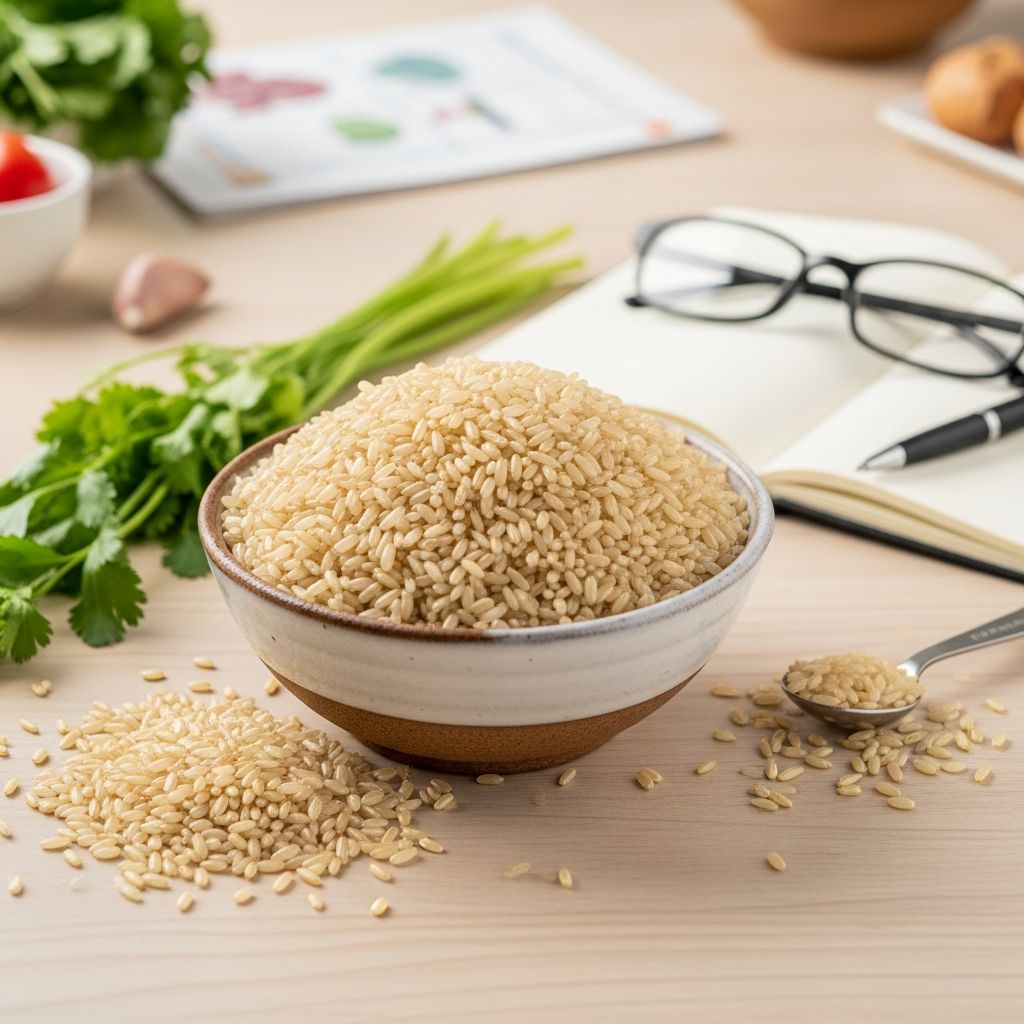
Brown rice has become increasingly popular as health-conscious consumers seek nutritious whole grain alternatives to refined carbohydrates. But is brown rice truly healthy, or is it simply another overhyped health food trend? A closer examination of its nutritional profile and scientific evidence reveals that brown rice does offer legitimate health benefits when consumed as part of a balanced diet.
What Makes Brown Rice Different From White Rice?
The fundamental difference between brown rice and white rice lies in processing. Brown rice retains its bran and germ layers, the two outer layers that contain the majority of vitamins, minerals, and fiber. White rice, by contrast, has these nutrient-dense layers removed during milling, leaving primarily the starchy endosperm.
While manufacturers often add back B vitamins and iron to white rice after processing, brown rice naturally contains these nutrients in their original form. This fundamental difference in structure explains why brown rice consistently outperforms white rice in nutritional density and health outcomes.
Brown Rice Nutrition Facts
Understanding the specific nutritional composition of brown rice helps explain why dietitians recommend it as part of a healthy eating pattern. Here’s what one half-cup serving of cooked long-grain brown rice provides:
- Calories: 108
- Protein: 3 grams
- Fat: 1 gram
- Carbohydrates: 22 grams
- Fiber: 2 grams
- Sugar: 0 grams
When looking at one cup of cooked brown rice, the nutritional profile expands to include:
- Calories: 248
- Carbs: 52 grams
- Fiber: 3.2 grams
- Fat: 2 grams
- Protein: 5.5 grams
Mineral and Vitamin Content of brown rice is particularly impressive. Brown rice provides substantial amounts of manganese (86% of daily value), copper (24% DV), selenium (21% DV), zinc (13% DV), and various B vitamins including thiamin, niacin, and riboflavin. It also contains folate, potassium, and calcium.
Key Health Benefits of Brown Rice
1. Supports Heart Health
One of the most significant health benefits of brown rice involves cardiovascular protection. Brown rice contains plant lignans, compounds that help form plant cell walls and are believed to protect against various diseases, including heart disease. Research has confirmed that brown rice can decrease cardiovascular risk factors and has cardio-protective effects.
Additionally, brown rice is rich in magnesium, a mineral absolutely vital to heart health. Magnesium helps maintain normal heart rhythm, and studies show that heart health in both men and women is significantly improved with increased dietary intake of magnesium. One review of 40 studies found that increasing dietary magnesium was associated with a 7–22% lower risk of stroke, heart failure, and all-cause mortality.
Diets high in lignan-rich whole grains, including brown rice, have been associated with reduced cholesterol, lower blood pressure, and decreased artery stiffness. Studies demonstrate that eating more whole grains like brown rice could reduce your risk of heart disease by up to 22% and stroke risk by as much as 12%.
Related Stories



2. Helps Regulate Blood Sugar and Reduces Diabetes Risk
Brown rice has a low glycemic index (GI), meaning it doesn’t cause your blood sugar to spike after you eat. This characteristic is crucial for diabetes prevention and management. Research shows that by eating three servings per day of whole grains like brown rice, you can reduce your risk of developing type 2 diabetes by up to 32%.
The high manganese content in brown rice also plays a role in regulating blood sugar, offering additional protective benefits for metabolic health. In one study, a brown rice-based diet beat out the conventional Diabetes Association diet in managing blood glucose levels.
3. Supports Weight Management
For individuals looking to manage their weight, brown rice offers distinct advantages over refined alternatives. Brown rice contains significantly more dietary fiber than white rice, and higher-fiber foods cause you to feel fuller longer while taking in fewer calories.
In a study of 40 overweight women who consumed 2/3 cup (150 grams) of brown rice daily for six weeks, participants experienced significant reductions in body weight and waist circumference compared to women who ate the same amount of white rice. The women who ate brown rice also experienced a significant decrease in blood pressure and CRP, a marker of inflammation.
If you replace white rice with brown rice in your regular diet, you will be able to eat less without feeling hungrier, naturally supporting weight loss efforts.
4. Lowers Cholesterol Levels
Whole grain foods like brown rice contain both fiber and bran, which is why brown rice offers far more health benefits than white rice. The fiber in brown rice naturally aids in lowering cholesterol levels by binding to cholesterol in the digestive system, which causes it to be excreted from the body. Studies show that the rice bran and fiber contained in brown rice may be able to lower unhealthy cholesterol levels, particularly LDL cholesterol.
5. Rich in Manganese for Bone and Overall Health
One of the most impressive attributes of brown rice nutrition is its remarkably high manganese content per serving. Manganese is an important trace mineral needed for many vital functions, including nutrient absorption, production of digestive enzymes, bone development, formation of blood-clotting factors, and immune system defenses.
If you don’t get enough manganese in your diet, it can put you at risk for unwanted health problems, including weakness, infertility, bone malformation, and seizures. A deficiency in manganese has also been linked to a higher risk of developing metabolic syndrome, bone demineralization, impaired growth, and low fertility.
6. Provides Antioxidant Protection
Brown rice is packed with antioxidants, including phenols and flavonoids, two types of antioxidants that help reduce damage to cells and reduce the risk of premature aging. These compounds, along with lignans and anti-inflammatory compounds, may help reduce the risk of chronic diseases such as heart disease, type 2 diabetes, and certain cancers.
Phytonutrients such as gamma oryzanol found in brown rice may help explain these clinical benefits. Naturally pigmented rice varieties like brown, black, purple, and red rice may even offer additional phytonutrient advantages compared to white rice.
7. Protects Against Anemia
Brown rice contains iron and folate, two nutrients important for preventing anemia. Iron is necessary for the production of hemoglobin, which helps transport oxygen in the blood, while folate supports red blood cell formation and DNA synthesis. While brown rice isn’t as rich in iron as meat sources, it still contributes to iron intake, especially when consumed as part of a varied, nutrient-dense diet.
8. Supports Energy Production
As a source of complex carbohydrates, brown rice offers a steady release of energy without the spikes and crashes associated with refined carbs. It fuels the body and brain with glucose, the body’s preferred energy source, making it an excellent option for sustained energy throughout the day. Its B vitamin content, including niacin, thiamin, and riboflavin, also plays a critical role in energy metabolism.
Brown Rice and Specific Health Conditions
Diabetes Management
For individuals with diabetes or at risk of developing type 2 diabetes, brown rice presents a superior choice to white rice. Its low glycemic index and high fiber content help prevent rapid blood sugar spikes, while its manganese content supports blood sugar regulation mechanisms in the body.
Heart Disease Prevention
The combination of magnesium, lignans, fiber, and antioxidants in brown rice creates a powerful protective effect against heart disease. Multiple studies confirm that regular consumption of brown rice and other whole grains is associated with reduced cardiovascular mortality and decreased stroke risk.
Weight Management
For those working toward weight loss goals, brown rice’s high fiber content and ability to promote satiety make it an excellent dietary choice that can be sustained long-term without feelings of deprivation.
How to Incorporate Brown Rice Into Your Diet
To maximize the health benefits of brown rice, keep portion sizes in mind. One serving of cooked brown rice is a half-cup. A half-cup of dry brown rice will yield approximately one cup of cooked rice. When ordering rice at restaurants, be aware that serving sizes may exceed recommended portions, potentially adding more calories and carbohydrates than intended.
Brown rice can be incorporated into your diet in numerous ways:
- As a base for grain bowls with vegetables and lean protein
- Mixed into soups and stews for added nutrition and texture
- Combined with beans for a complete protein source
- As a side dish paired with roasted vegetables and fish
- In stuffed peppers or other vegetable-based dishes
- As part of fried rice with plenty of vegetables
Is Brown Rice Suitable for Everyone?
Brown rice is a safe choice for anyone following a gluten-free diet, making it an excellent option for individuals with celiac disease or gluten sensitivity. For most people following a balanced diet, brown rice can be consumed regularly without concerns.
However, some individuals with certain digestive conditions may find that brown rice’s fiber content initially causes bloating or gas. Starting with smaller portions and gradually increasing consumption can help your digestive system adjust.
Brown Rice vs. White Rice: A Quick Comparison
When comparing brown rice to white rice, the nutritional advantages of brown rice are clear:
- Nutrient density: Brown rice is significantly more nutrient-dense, retaining its bran and germ layers
- Fiber content: Brown rice contains considerably more fiber, supporting digestive health and satiety
- Whole grain benefits: Brown rice provides whole grain benefits without the processing of white rice
- Blood sugar impact: Brown rice has a lower glycemic index than white rice
- Weight management: Brown rice’s fiber content supports better weight control outcomes
Frequently Asked Questions
Q: Is brown rice better than white rice?
A: Yes, brown rice is nutritionally superior to white rice. It retains its bran and germ layers, which contain most of the vitamins, minerals, and fiber. Brown rice offers more whole grain benefits and has a lower glycemic index, making it a better choice for blood sugar management, weight control, and overall health.
Q: How much brown rice should I eat per day?
A: A standard serving is one half-cup of cooked brown rice. Most dietary guidelines recommend consuming 3-6 servings of whole grains daily depending on your caloric needs and dietary goals. Brown rice can be part of these whole grain servings.
Q: Does brown rice help with weight loss?
A: Brown rice can support weight loss efforts due to its high fiber content, which promotes satiety and helps you feel fuller longer while consuming fewer calories. Studies show that replacing white rice with brown rice can lead to significant reductions in body weight and waist circumference.
Q: Is brown rice good for people with diabetes?
A: Yes, brown rice is an excellent choice for people with diabetes. Its low glycemic index prevents rapid blood sugar spikes, and its manganese content helps regulate blood sugar. Studies show that consuming three servings of whole grains like brown rice daily can reduce type 2 diabetes risk by up to 32%.
Q: Can brown rice help lower cholesterol?
A: Yes, the fiber and bran in brown rice help lower cholesterol levels, particularly LDL (bad) cholesterol. The fiber binds to cholesterol in the digestive system, allowing it to be excreted from the body rather than absorbed.
Q: Is brown rice gluten-free?
A: Yes, brown rice is naturally gluten-free, making it a safe and nutritious option for people with celiac disease or gluten sensitivity.
The Bottom Line
Brown rice is a nutritious whole grain that offers substantial health benefits when consumed as part of a balanced diet. Its impressive nutrient profile, including high manganese content, B vitamins, fiber, and antioxidants, supports heart health, blood sugar regulation, weight management, and protection against chronic diseases. While it contains calories and carbohydrates that should be monitored within the context of your overall diet, brown rice is decidedly healthy and deserves a regular place on your plate. By incorporating brown rice into your meals in appropriate portions, you can harness its nutritional power to support your long-term health and wellness goals.
References
- Brown Rice Nutrition Benefits the Heart, Gut, Bones & More — Dr. Axe. 2024. https://draxe.com/nutrition/brown-rice-nutrition/
- Brown Rice: Health Benefits, Nutrition Facts, and How to Prepare — WebMD. 2024. https://www.webmd.com/diet/health-benefits-brown-rice
- Is Brown Rice Good for You? Benefits, Weight Loss and Nutrition — Healthline. 2024. https://www.healthline.com/nutrition/is-brown-rice-good-for-you
- Brown Rice vs. White Rice: Which One Is Healthier? — GoodRx. 2024. https://www.goodrx.com/well-being/diet-nutrition/white-rice-or-brown-rice
- Do the Pros of Brown Rice Outweigh the Cons of Arsenic? — NutritionFacts.org. 2024. https://nutritionfacts.org/blog/do-the-pros-of-brown-rice-outweigh-the-cons-of-arsenic/
- Brown, Black, Purple, and Red Unlike White on Rice — NutritionFacts.org. 2024. https://nutritionfacts.org/video/brown-black-purple-red-unlike-white-rice/
Similar Articles








Read full bio of medha deb