Is Brown Rice Healthy? 5 Benefits & 3 Risks Explained
Uncover the nutritional benefits of brown rice, its health advantages over white rice, potential downsides, and tips for daily incorporation.
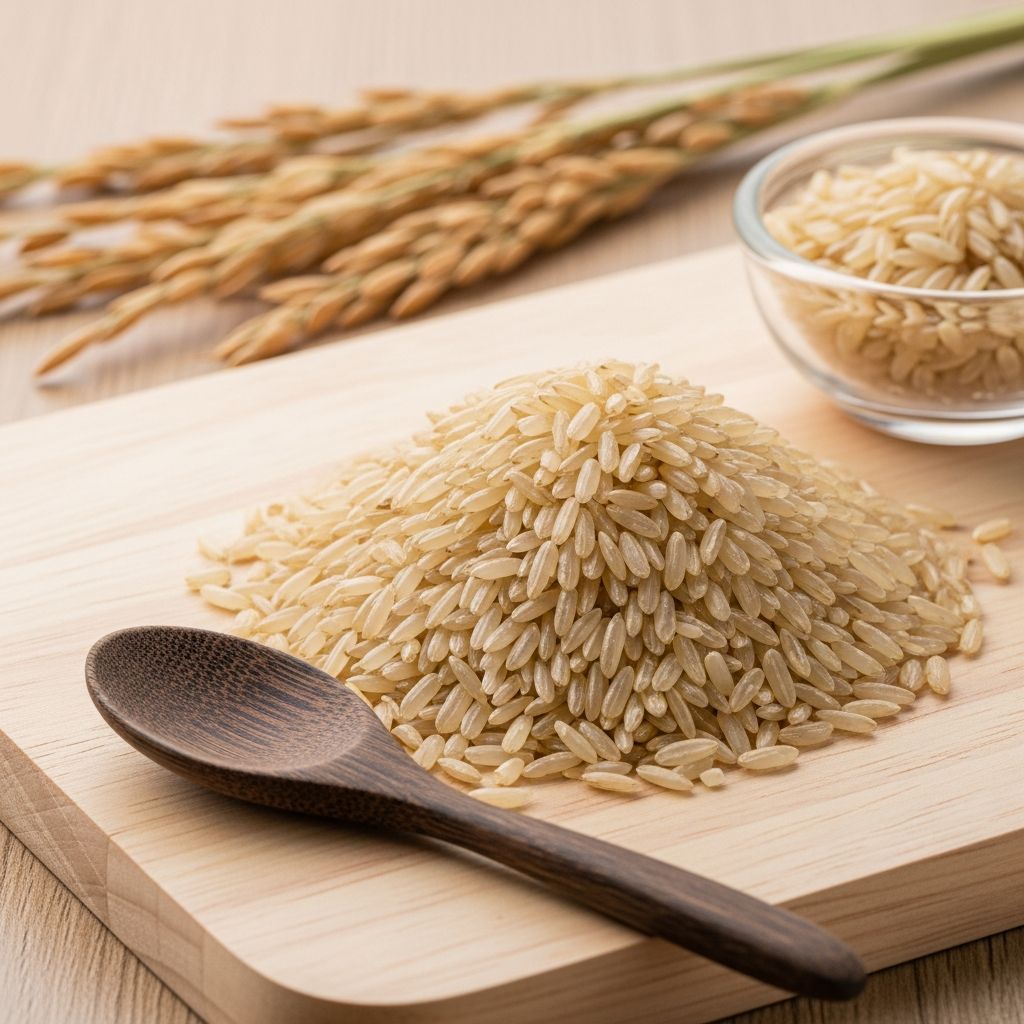
Brown rice is a whole grain that retains its nutrient-dense bran and germ layers, unlike refined white rice, providing higher amounts of dietary fiber, proteins, unsaturated lipids, micronutrients, and bioactive compounds that support overall health.
Unlike white rice, which undergoes milling that strips away these valuable components, brown rice preserves the bran layer rich in antioxidants and fiber, making it a superior choice for nutrition sustainability and addressing dietary gaps in rice-based diets worldwide.
What Is Brown Rice?
Brown rice is the unrefined whole grain form of rice where only the outermost husk is removed, leaving the nutrient-packed bran, germ, and endosperm intact. This minimal processing distinguishes it from white rice, which loses up to 80% of its fiber, vitamins, and minerals during milling.
The bran layer, a thin outer coating, contains the majority of the rice’s fiber, B vitamins, magnesium, and antioxidants like γ-oryzanol. The germ provides healthy fats, vitamin E, and additional micronutrients. Together, these components make brown rice a powerhouse for health-conscious eaters.
- Key structural components: Bran (fiber-rich outer layer), germ (nutrient-dense core), endosperm (starchy interior).
- Brown rice takes longer to cook (about 40-50 minutes) due to its intact bran, resulting in a chewier texture and nutty flavor.
- Varieties include long-grain (fluffier), short-grain (stickier), and specialty types like black or red rice with even higher antioxidant levels.
Brown Rice Nutrition Facts
A one-cup cooked serving of brown rice (about 195g) delivers approximately 218 calories, 45g carbohydrates, 5g protein, 1.8g fat, and 3.5g fiber, alongside key micronutrients like manganese (88% DV), magnesium (19% DV), phosphorus (16% DV), and B vitamins.
Compared to white rice, brown rice has nearly five times more fiber and significantly more magnesium and zinc, essential for metabolic health. Its moderate protein content and unsaturated lipids further enhance its profile.
| Nutrient (per 1 cup cooked) | Brown Rice | White Rice |
|---|---|---|
| Calories | 218 | 205 |
| Fiber (g) | 3.5 | 0.6 |
| Magnesium (% DV) | 19 | 5 |
| Manganese (% DV) | 88 | 20 |
| Protein (g) | 5 | 4.3 |
Brown rice also contains bioactive compounds such as flavonoids and phenolic acids, absent or minimal in white rice.
Health Benefits of Brown Rice
Rich in Fiber for Digestive Health
The high dietary fiber content in brown rice promotes regular bowel movements, prevents constipation, and supports gut microbiome diversity. Fiber also slows digestion, fostering satiety and aiding weight management.
Studies link whole grain fiber intake to reduced risk of diverticulitis and colorectal cancer, with brown rice’s insoluble fiber particularly effective for bulking stool.
Supports Heart Health
Brown rice’s magnesium, fiber, and plant compounds lower LDL cholesterol and blood pressure. Regular consumption is associated with a 16-21% reduced risk of cardiovascular disease, outperforming refined grains.
Unsaturated lipids and γ-oryzanol in the bran contribute to improved lipid profiles and arterial health.
Helps Manage Blood Sugar and Diabetes Risk
With a lower glycemic index (GI around 50-55 vs. white rice’s 70+), brown rice causes slower blood sugar rises, beneficial for diabetes prevention and management. Some landraces exhibit even lower GI properties.
Related Stories



Fiber and magnesium enhance insulin sensitivity; meta-analyses show whole grains like brown rice reduce type 2 diabetes risk by up to 30%.
Antioxidant Protection and Anti-Inflammatory Effects
Bioactive compounds like cyanidin-3-glucoside in colored brown rice varieties combat oxidative stress and inflammation. These may lower chronic disease risks, including certain cancers.
Germinated brown rice boosts γ-aminobutyric acid (GABA) levels up to 10-fold, offering neuroprotective benefits.
Weight Management and Metabolic Benefits
Higher fiber and protein promote fullness, potentially reducing overall calorie intake. Observational data ties brown rice consumption to lower BMI and waist circumference.
Potential Downsides of Brown Rice
Despite its benefits, brown rice has drawbacks. Its phytic acid content (an antinutrient) can bind minerals like iron and zinc, slightly reducing absorption, though soaking or sprouting mitigates this.
- Arsenic accumulation: Brown rice absorbs more inorganic arsenic from soil than white rice; rinsing and varied grains minimize exposure.
- Texture and cooking time: Chewier and longer-cooking, which may deter some.
- GI not ideal for all: Still higher than quinoa or barley for strict low-GI needs.
Individuals with IBS may find its fiber irritating; start small.
Brown Rice vs. White Rice
| Aspect | Brown Rice | White Rice |
|---|---|---|
| Fiber | High (3.5g/cup) | Low (0.6g/cup) |
| GI | 50-55 | 70+ |
| Nutrients | Retains bran/germ | Enriched post-milling |
| Cooking Time | 40-50 min | 15-20 min |
| Health Impact | Better for chronic disease prevention | Quick energy, less satiating |
White rice is often enriched with iron and B vitamins but lacks fiber’s benefits. For optimal health, choose brown.
How to Cook Brown Rice Perfectly
- Rinse thoroughly to remove excess starch and arsenic.
- Use 2:1 water-to-rice ratio; bring to boil, then simmer covered 40-45 min.
- Let stand 10 min; fluff with fork.
- Enhance with broth, spices, or acids like lemon for better flavor and nutrient absorption.
Instant or parboiled versions cook faster with retained nutrition.
Tips for Incorporating Brown Rice into Your Diet
- Breakfast: In porridge with fruits and nuts.
- Lunch: Base for salads or bowls with veggies, proteins.
- Dinner: Side for stir-fries, curries.
- Swap 50% white rice gradually; mix with quinoa for variety.
- Aim for 3-5 servings weekly as part of diverse whole grains.
Store in cool, dry place; refrigerate cooked rice within 2 hours to prevent bacterial growth.
Frequently Asked Questions (FAQs)
Is brown rice healthier than white rice?
Yes, brown rice is healthier due to higher fiber, vitamins, minerals, and antioxidants retained in its bran and germ layers, supporting better digestion, heart health, and blood sugar control compared to refined white rice.
Does brown rice cause weight gain?
No, its fiber promotes satiety and weight control; portion awareness is key as it’s calorie-dense like all grains.
Is brown rice gluten-free?
Yes, naturally gluten-free, safe for celiac, but check for cross-contamination in processing.
Can I eat brown rice every day?
Yes, in moderation (3-6 servings/week), rotating with other grains to limit arsenic and ensure nutrient variety.
How much arsenic is in brown rice?
Levels vary by origin; U.S./California rice is lower. Rinse, cook with excess water (6:1 ratio, drain), and diversify grains to reduce intake.
Is brown rice good for diabetics?
Yes, its low GI and fiber help stabilize blood sugar better than white rice.
References
- Brown Rice, a Diet Rich in Health Promoting Properties — Jae-Sung Lee et al., International Rice Research Institute. 2019-10-01. https://pubmed.ncbi.nlm.nih.gov/31619639/
- Whole Grains and Risk of Type 2 Diabetes — Aune D. et al., BMJ. 2016-08-10. https://doi.org/10.1136/bmj.i2716
- Arsenic in Rice and Rice Products — U.S. Food and Drug Administration (FDA). 2023-05-15. https://www.fda.gov/food/metals-and-your-food/arsenic-rice-and-rice-products
- Dietary Guidelines for Americans, 2020-2025 — U.S. Department of Agriculture (USDA) / HHS. 2020-12-01. https://www.dietaryguidelines.gov/
- Whole Grain Intake and Cardiovascular Disease — Reynolds A. et al., The Lancet. 2019-01-03. https://pubmed.ncbi.nlm.nih.gov/30616772/
Similar Articles








Read full bio of Sneha Tete