Is Butter Good For You? Benefits, Risks, And 7 Ways To Use It
Uncover the truth about butter's health impacts, from nutrients and benefits to risks and smarter choices.
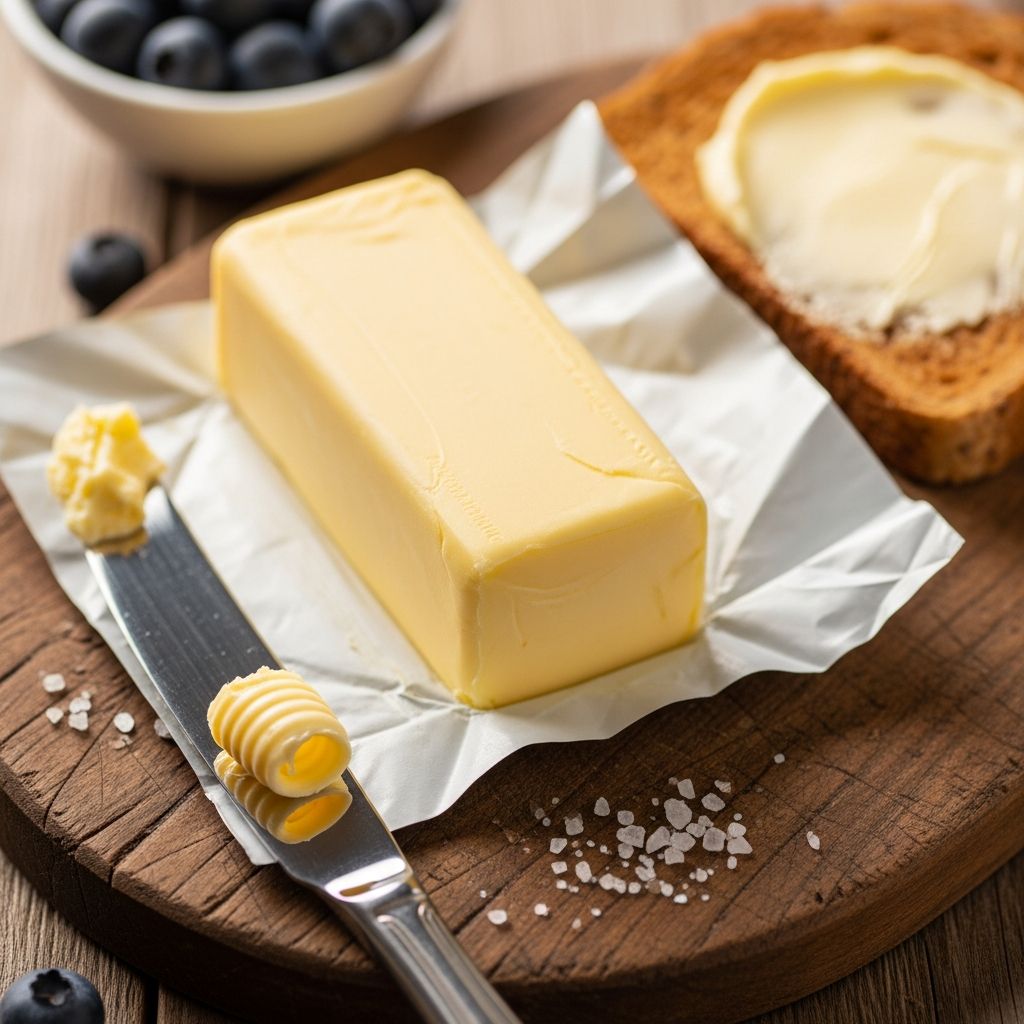
Butter has long been a kitchen staple, but its reputation swings between villain and hero in nutrition debates. Made from milk fat, it packs calories and saturated fats yet offers vitamins and unique compounds. In moderation, butter can fit into a healthy diet, providing nutrients like vitamins A, D, E, and calcium while potentially supporting eye health, bones, and more. However, excessive intake links to higher cholesterol and heart risks due to saturated fats. This article breaks down butter’s nutrition, types, benefits, downsides, and practical advice.
What Is Butter Made Of?
Butter derives from churning heavy cream from cow’s milk, separating fat solids from liquid buttermilk. By U.S. standards, it must contain at least 80% milk fat, with the rest water, salt (in salted varieties), and sometimes flavorings. This process yields its creamy texture and rich flavor. Unsalted butter suits baking for precise control, while salted adds preservation and taste. Nutritionally, one tablespoon (14g) of unsalted butter delivers about 102 calories, 11.5g total fat (7g saturated), and zero carbs, protein, or fiber. It shines in fat-soluble vitamins: vitamin A for vision and immunity, vitamin D for bones, vitamin E as an antioxidant, and traces of calcium.
Butter Nutrition Facts
A single tablespoon of butter is calorie-dense but nutrient-rich in specific areas. Key stats include:
- Calories: 102
- Total Fat: 11.5g (saturated: 7g, about 35% of daily value)
- Cholesterol: 31mg (10% DV)
- Vitamin A: 11% DV, supporting immunity and eye health
- Vitamin D: Small amounts for bone health
- Vitamin E: Antioxidant for skin protection
- Calcium: Minor bone-building contribution
Grass-fed versions boost this profile with higher omega-3s, CLA (conjugated linoleic acid), and vitamin K2. Saturated fats dominate, prompting debates on heart health, but recent views emphasize overall diet context over isolated fats.
Potential Health Benefits of Butter
Moderate butter consumption—about 1-2 tablespoons daily—may offer benefits, especially from quality sources.
- Fat-Soluble Vitamins: Rich in vitamins A, D, E, and K2. Vitamin K2 directs calcium to bones, potentially reducing artery calcification. Antioxidants A and E protect eyes, skin, and against oxidative stress.
- Butyrate for Gut Health: Contains 3-4% butyrate, a short-chain fatty acid with anti-inflammatory effects. It supports gut lining, reduces inflammation, and may aid weight management by boosting metabolism and satiety.
- Conjugated Linoleic Acid (CLA): Especially in grass-fed butter, CLA shows anti-cancer properties, fat loss potential, and metabolic benefits in studies.
- Eye and Bone Support: Beta-carotene converts to vitamin A, linked to lower cataract and macular degeneration risk. Vitamins D and calcium strengthen bones, combating osteoporosis.
- Skin Health: Vitamin E mitigates UV damage, eases inflammation, and promotes healing.
- Weight Management: Short- and medium-chain fats enhance fullness and fat burning, suiting low-carb diets. Studies associate high-fat dairy with lower obesity risk.
These perks hinge on moderation and pairing with whole foods like vegetables.
Health Risks of Butter
Butter’s high saturated fat content raises concerns. Each tablespoon has 7g saturated fat, 35% of the 20g daily limit per dietary guidelines. Excess saturated fats can elevate LDL (“bad”) cholesterol, increasing heart disease and stroke risk. A study of U.S. cohorts linked higher butter intake to increased total and cancer mortality, though lifestyle factors like smoking and inactivity confounded results. Butter also contains natural trans fats for texture, which in excess harm heart health by lowering HDL (“good”) cholesterol. Calorie density (102 per tablespoon) risks weight gain if overconsumed. Those with high cholesterol or heart conditions should limit it further.
Related Stories



Butter vs. Margarine: Which Is Healthier?
| Aspect | Butter | Margarine |
|---|---|---|
| Fat Type | Mostly saturated (7g/tbsp); some trans | Unsaturated (poly/mono); may have trans if partially hydrogenated |
| Health Impact | May raise LDL; nutrients like vitamins | Lowers LDL when trans-free; plant-based but processed |
| Best For | Baking, flavor; moderation | Spreading; heart-friendly options |
| Drawbacks | Heart risks in excess; animal-derived | Processing additives; taste inferior |
Butter edges out old margarines high in trans fats, which spiked heart disease. Modern trans-fat-free margarines from unsaturated plant oils better support cholesterol levels. However, grass-fed butter’s nutrients may outweigh standard butter’s risks for some. Choose based on diet needs.
Grass-Fed Butter: A Better Choice?
Grass-fed butter, from cows grazing pastures, differs nutritionally. It has more unsaturated fats, omega-3s, CLA, butyrate, and vitamin K2 than grain-fed. Per tablespoon: similar calories (102) but enhanced antioxidants and anti-inflammatory compounds. Studies suggest it lowers obesity risk and supports heart health better than conventional. It’s pricier but ideal for maximizing benefits.
How Much Butter Should You Eat Per Day?
Aim for 1-2 tablespoons daily within 20-35% total fat calories. U.S. Dietary Guidelines cap saturated fat at 10% calories (about 22g for 2,000-calorie diet). Pair with unsaturated fats from avocados, nuts, olive oil. In low-carb or keto diets, it fits well but monitor overall intake. Track via apps for balance.
7 Delicious Ways to Use Butter
- Spread on Whole-Grain Toast: Top with avocado for healthy fats.
- Sauté Vegetables: Adds flavor without excess oil.
- Bake Goods: Enhances cookies, muffins texture.
- Popcorn Topper: Melt over air-popped kernels.
- Herb Compound Butter: Mix with garlic, herbs for steak.
- Coffee Add-In: Bulletproof style for creaminess.
- Sweet Potato Drizzle: Boosts nutrient absorption.
These keep portions controlled while elevating meals.
Frequently Asked Questions (FAQs)
Is butter inflammatory?
Butter’s butyrate is anti-inflammatory for the gut, but excess saturated fats may promote systemic inflammation in some. Opt for grass-fed.
Does butter clog arteries?
In moderation, no strong evidence; it may raise LDL but overall diet matters more.
Is grass-fed butter worth it?
Yes, for higher omega-3s, CLA, and K2, potentially better for heart and metabolism.
Can butter be part of a heart-healthy diet?
Yes, limited to 1 tbsp/day with plant foods; studies show no mortality increase.
Butter vs. olive oil?
Olive oil has more heart-protective monounsaturates; use interchangeably for variety.
References
- Butter: Are There Health Benefits? — WebMD. 2023. https://www.webmd.com/diet/grass-fed-butter-is-it-good-for-you
- 7 Reasons Why Butter is Good for You — San Diego Miramar College (PDF). 2023-05-01. https://sdmiramar.edu/sites/default/files/2023-05/7%20Reasons%20Why%20Butter%20is%20Good%20For%20You_0.pdf
- Study on butter and mortality: A critical analysis — Dairy Nutrition (Dairy Farmers of Canada). 2023. https://dairynutrition.ca/en/nutrition-and-health/life-expectancy/study-butter-and-mortality-critical-analysis
Similar Articles








Read full bio of Sneha Tete