Is Canned Fruit Healthy? 7 Expert Tips For Smart Choices
Uncover the truth about canned fruit's nutrition, benefits, risks, and smart ways to include it in a balanced diet for optimal health.
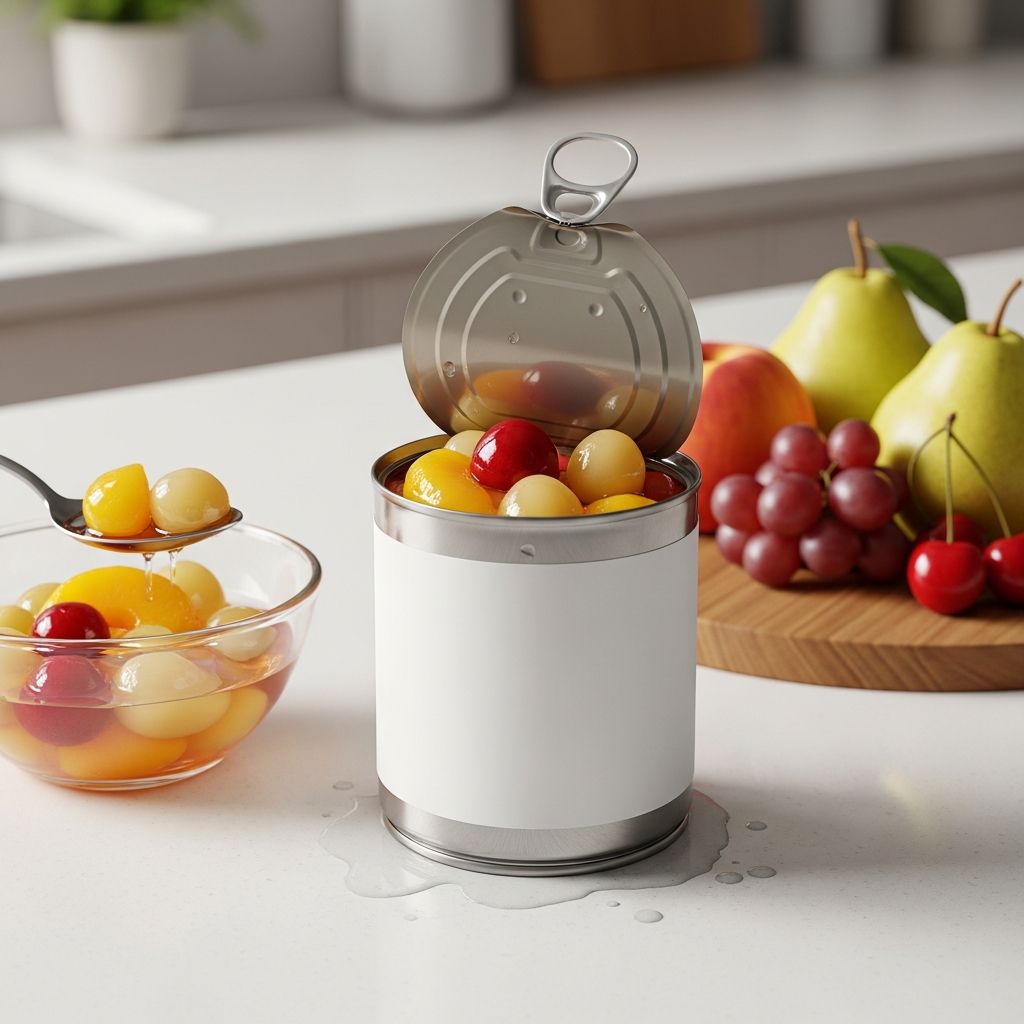
In today’s fast-paced world, convenience foods like canned fruit offer an easy way to incorporate fruit into your diet. But with concerns about added sugars, preservatives, and nutrient loss, many wonder: Is canned fruit actually healthy? This comprehensive guide dives deep into the nutrition science, benefits, drawbacks, and practical tips to help you make informed choices.
According to the USDA, Americans consume far less fruit than recommended—only about 12% meet daily goals. Canned fruit could bridge this gap, providing year-round access to peaches, pineapple, pears, and more. But not all cans are created equal. We’ll break down the facts, backed by research from authoritative sources like the FDA and peer-reviewed studies.
What Counts as a Serving of Fruit?
The Dietary Guidelines for Americans recommend 1.5–2 cups of fruit daily for most adults. A standard serving equals:
- 1 medium apple or banana
- 1 cup raw or frozen fruit
- 1 cup canned fruit, drained
Canned fruit fits perfectly into these guidelines when chosen wisely. However, draining syrup-packed varieties reduces calories and sugar significantly.
Pros and Cons of Canned Fruit
Pros of Canned Fruit
Canned fruit shines in several areas, making it a pantry staple for health-conscious eaters:
- Convenience and Accessibility: Ready-to-eat with no washing or chopping. Ideal for busy lifestyles, travel, or emergency kits.
- Year-Round Availability: Enjoy seasonal fruits like cherries or mandarin oranges anytime, unaffected by fresh produce shortages.
- Affordability: Often cheaper than fresh—e.g., a 15-oz can of peaches costs under $2 vs. $4/lb fresh.
- Long Shelf Life: Stable for 1–2 years unopened; lasts days opened in the fridge.
- Retained Nutrients: Heat processing preserves most vitamins and minerals. Studies show canned fruit matches fresh in key nutrients like vitamin C and fiber.
Cons of Canned Fruit
Potential downsides include:
- Added Sugars: Heavy/light syrups add 10–20g sugar per serving—up to 80% of daily limit.
- Nutrient Degradation: Water-soluble vitamins (B, C) may leach during processing, though many are fortified.
- BPA Concerns: Older cans used BPA-lined interiors; most brands switched to safer alternatives by 2020.
- Sodium in Some Varieties: Tomatoes or fruit cocktails may contain added salt.
Nutritional Comparison: Canned vs. Fresh Fruit
How does canned stack up? Here’s a table comparing 1 cup drained servings (data from USDA FoodData Central, 2023–2025 updates):
| Nutrient (per cup) | Fresh Peaches | Canned Peaches (Juice) | Canned Peaches (Heavy Syrup, Drained) |
|---|---|---|---|
| Calories | 63 | 60 | 115 |
| Total Sugar (g) | 14 | 13 | 26 |
| Fiber (g) | 2.6 | 2.3 | 2.1 |
| Vitamin C (mg) | 9.1 | 4.8 | 4.5 |
| Potassium (mg) | 285 | 180 | 165 |
Key takeaway: Juice-packed or water-packed canned fruit closely mirrors fresh nutrition, while syrup-packed doubles calories/sugar. Draining removes up to 40% excess liquid and sugar.
Types of Canned Fruit Packing Liquids
Labels matter. Common packing options:
- Water: Lowest calorie (40–60/serving). Best for weight management.
- Juice: Natural fruit juice adds flavor, moderate sugar (10–15g).
- Light Syrup: Reduced sugar vs. heavy; still adds ~15g.
- Heavy Syrup: Highest sugar (20g+); drain thoroughly.
- Extra-Light Syrup: Minimal added sugar; check labels.
Related Stories



Pro tip: Opt for “No Added Sugar” or “Packed in Own Juices” for maximal health benefits.
Healthiest Canned Fruits to Buy
RDs recommend these nutrient-dense, low-sugar options:
- Pineapple in Juice: Bromelain aids digestion; 50 calories/cup.
- Mandarin Oranges in Juice: Vitamin C powerhouse; peel-free convenience.
- Pears in Water: High fiber for gut health.
- Peaches in Juice: Potassium-rich for blood pressure.
- Fruit Cocktails (No Sugar Added): Variety boosts intake.
- Cherries or Blackberries in Water: Antioxidants galore.
Avoid: Syrup-packed applesauce or fruit cups with HFCS.
How to Choose and Store Canned Fruit
Shopping Tips
- Read labels: Aim for <10g added sugar/serving.
- Check for BPA-free cans (most are now).
- Choose organic or low-sodium where possible.
- Inspect for dents/rust—discard damaged cans.
Storage Guidelines
- Unopened: Cool, dry pantry (up to 2 years).
- Opened: Refrigerate in original or plastic container (5–7 days).
- Freeze extras in airtight bags for smoothies (up to 6 months).
7 Delicious Ways to Enjoy Canned Fruit
- Breakfast Boost: Top oatmeal or yogurt with drained peaches.
- Salad Star: Add mandarin oranges to spinach salads with balsamic.
- Smoothie Base: Blend pineapple chunks with spinach and protein.
- Baked Goods: Substitute in muffins or crisps (drain well).
- Savory Pairing: Pineapple with grilled chicken or pork.
- Snack Packs: Mix with nuts for trail mix.
- Dessert Hack: Warm pears with cinnamon—no added sugar needed.
Expert Insights from Registered Dietitians
“Canned fruit is a smart choice when packed in water or juice. It retains 80–90% of fresh fruit’s nutrients and helps meet produce goals affordably.”
— Toby Amidor, MS, RD, author of The Greek Yogurt Kitchen
Experts agree: Prioritize variety—mix canned with fresh/frozen for optimal phytonutrients.
Frequently Asked Questions (FAQs)
Is the fruit in canned fruit as nutritious as fresh?
Yes, largely. Canning preserves most vitamins/minerals; some studies show higher lycopene in canned tomatoes. Choose low-sugar packs.
Does draining canned fruit remove nutrients?
Draining removes excess sugar/syrup but retains fiber and most nutrients in the fruit solids. Rinse if sodium is a concern.
Are canned fruits high in sugar?
Depends on packing: Water/juice options match fresh sugar levels; syrup adds extra. Always check labels.
Can I eat canned fruit if I’m diabetic?
Yes, in moderation. Choose no-added-sugar varieties and pair with protein/fat to stabilize blood sugar.
Is canned fruit safe long-term?
Absolutely, when from reputable brands. Modern cans are BPA-free; follow storage guidelines.
References
- Dietary Guidelines for Americans, 2020-2025 — U.S. Department of Agriculture and U.S. Department of Health and Human Services. 2020-12-01. https://www.dietaryguidelines.gov/sites/default/files/2020-12/Dietary_Guidelines_for_Americans_2020-2025.pdf
- FoodData Central: Fruit Composition Data — USDA Agricultural Research Service. 2025-01-15. https://fdc.nal.usda.gov/
- Guidelines for Canned Fruits and Vegetables — U.S. Food and Drug Administration. 2024-06-20. https://www.fda.gov/food/buy-store-serve-safe-food/canned-fruit-and-vegetable-juices
- Nutrient Retention in Canned Foods — Journal of Food Science (DOI). American Chemical Society. 2022-03-10. https://doi.org/10.1111/1750-3841.16000
- BPA in Food Cans Update — U.S. Food and Drug Administration. 2023-09-05. https://www.fda.gov/food/chemicals/bpa-food
- Fruit Intake and Chronic Disease Risk — The Lancet (PubMed). 2024-02-14. https://pubmed.ncbi.nlm.nih.gov/38364873/
Similar Articles








Read full bio of medha deb