Is Canola Oil Healthy? Dietitians Weigh In
Dietitians break down the science behind canola oil's health claims, from heart benefits to controversies and smart usage tips.
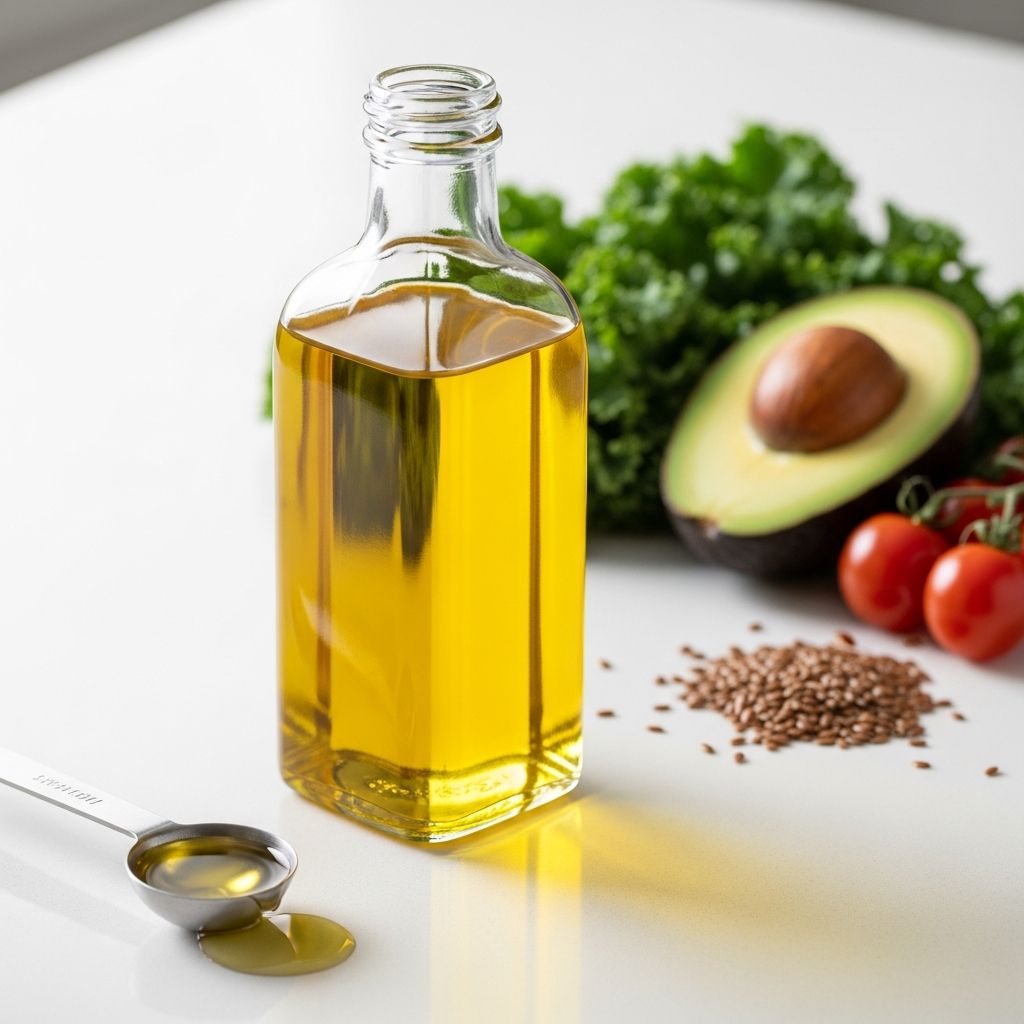
Canola oil has sparked debate in kitchens and nutrition circles alike. Marketed as a heart-healthy alternative to butter and other oils, it’s praised for its low saturated fat content but criticized for its processing methods and origins. Dietitians generally view it as a solid option when used thoughtfully, thanks to its favorable fatty acid profile that supports cardiovascular health.
This article dives into the nutritional makeup of canola oil, its proven benefits, lingering concerns, and practical tips from registered dietitians on how to use it effectively in your meals.
What Is Canola Oil?
Canola oil comes from the seeds of the canola plant, a variety of rapeseed bred in Canada during the 1970s to have low erucic acid levels, making it safe for consumption. The name ‘canola’ is a blend of ‘Canada’ and ‘ola,’ referring to oil.
Unlike extra-virgin olive oil, which is cold-pressed, most canola oil undergoes refining processes including degumming, neutralization, bleaching, and deodorizing to remove impurities and extend shelf life. This makes it neutral in flavor and high in smoke point (around 400°F/204°C), ideal for frying, baking, and sautéing.
Canola Oil Nutrition Facts
One tablespoon (14g) of canola oil provides about 124 calories, all from fat, with no carbohydrates, protein, or cholesterol. Its standout feature is the fatty acid composition:
- 7% saturated fat: Lowest among common cooking oils, lower than olive oil (14%), sunflower (9%), or corn oil (13%).
- 63% monounsaturated fats (MUFAs): Primarily oleic acid, similar to olive oil, linked to heart protection.
- 28% polyunsaturated fats (PUFAs): Includes 21% omega-6 linoleic acid and 9-11% omega-3 alpha-linolenic acid (ALA), higher ALA than most oils except flaxseed.
- Rich in vitamin E (16% DV) and vitamin K (8% DV) per tablespoon.
- Contains phytosterols (0.53–0.97%) that block cholesterol absorption.
| Oil Type | Saturated Fat (%) | MUFAs (%) | PUFAs (%) |
|---|---|---|---|
| Canola | 7 | 63 | 28 |
| Olive | 14 | 73 | 11 |
| Sunflower | 9 | 20 | 66 |
| Corn | 13 | 28 | 55 |
This profile positions canola oil as a versatile, nutrient-dense fat source.
Health Benefits of Canola Oil
Supports Heart Health
Replacing saturated fats with canola oil consistently lowers total cholesterol (TC) by 8-15% and LDL (‘bad’) cholesterol by 10-29%, per multiple studies. For instance, diets high in canola reduced LDL-C by an average 16.2% compared to high-SFA diets.
The FDA allows a qualified health claim: ‘Limited evidence suggests but does not prove that eating about 1 ½ tablespoons (19 grams) of canola oil daily may reduce the risk of coronary heart disease due to its unsaturated fat content.’ This stems from its ability to improve lipid profiles, including modest TAG reductions (15.8% average).
Phytosterols and tocopherols further enhance cardioprotection by boosting HDL in some cases and reducing inflammation.
Improves Insulin Sensitivity and Reduces Inflammation
Canola oil diets show better insulin sensitivity versus other fats, potentially aiding diabetes management. Its balanced omega-3 to omega-6 ratio (about 1:2) may curb inflammation, unlike high omega-6 oils.
Related Stories



Other Potential Benefits
- May support weight management with modest reductions when subbing for saturated fats.
- High smoke point preserves nutrients during high-heat cooking.
- ALA contributes to omega-3 intake, though conversion to EPA/DHA is limited.
Potential Downsides and Controversies
Processing and Hexane Concerns
Most canola is extracted using chemical solvents like hexane, raising questions about residues. However, refining removes virtually all traces, deemed safe by regulatory bodies like the FDA.
Opt for expeller-pressed or organic canola to minimize processing if concerned.
GMO and Erucic Acid Myths
About 90% of canola is genetically modified for herbicide resistance, but extensive testing shows GM canola oil nutritionally equivalent and safe. Erucic acid is capped at 2% by definition, far below toxic levels.
Omega-6 Imbalance?
With more omega-6 than omega-3, excessive use could promote inflammation in imbalanced diets, but its ratio is healthier than many seed oils.
Oxidation Risk
High PUFA content makes it prone to oxidation when overheated repeatedly, potentially forming harmful compounds. Use fresh oil and avoid reusing.
What Do Dietitians Say About Canola Oil?
Registered dietitians largely endorse canola oil as part of a varied fat intake. ‘It’s one of the best oils for heart health due to its low sat fat and high unsaturated fats,’ says one expert, echoing research.
They recommend moderation (1-2 tbsp daily) and pairing with whole foods. Alternatives like olive or avocado oil suit dressings, while canola excels in cooking.
Best Ways to Use Canola Oil
- Sautéing/stir-frying: Neutral taste highlights veggies and proteins.
- Baking: Sub for butter in muffins or cakes for moist texture.
- Frying: High smoke point perfect for tempura or fries.
- Salad dressings: Blend with vinegar and herbs.
- Mayonnaise: Homemade or store-bought base.
Store in a cool, dark place; use within months for freshness.
Canola Oil vs. Other Oils
| Oil | Best For | Smoke Point | Health Notes |
|---|---|---|---|
| Canola | Cooking, baking | 400°F | Lowest sat fat, good omega-3 |
| Olive (EVOO) | Dressings, low-heat | 375°F | High MUFAs, antioxidants |
| Avocado | High-heat | 520°F | High MUFAs, vitamin E |
| Coconut | Baking, flavoring | 350°F | High sat fat |
Variety is key: Rotate oils for balanced nutrients.
Frequently Asked Questions (FAQs)
Is canola oil inflammatory?
No, its balanced fats and antioxidants like vitamin E make it anti-inflammatory when used moderately, unlike highly refined omega-6 heavy oils.
Is canola oil better than olive oil?
It depends: Canola wins for high-heat cooking and lower cost; olive oil for flavor and polyphenols in cold uses. Both are healthy.
Can I use canola oil for weight loss?
Its healthy fats promote satiety and may aid modest weight reduction when replacing saturated fats, but calories count.
Is all canola oil GMO?
Most U.S. canola is GMO, but the oil’s profile is unchanged and safe per FDA.
How much canola oil per day?
1-2 tablespoons fits most diets, supporting heart health without excess calories.
In conclusion, canola oil earns its spot as a healthy pantry staple when chosen wisely and used in balance. Dietitians affirm its science-backed benefits outweigh concerns for most people.
References
- Evidence of health benefits of canola oil — Lin L, et al. Nutrition Reviews. 2013-08-01. https://pmc.ncbi.nlm.nih.gov/articles/PMC3746113/
- Canola Oil: Cooking Benefits, Nutrients, and More — WebMD. Accessed 2026. https://www.webmd.com/food-recipes/canola-oil
- Canola oil: heart-healthy oil for all kinds of cooking — Canola Council of Canada. Accessed 2026. https://www.canolacouncil.org/about-canola/oil/
- Is Canola Oil Good for You, or Bad? — Healthline. 2023-11-15. https://www.healthline.com/nutrition/is-canola-oil-healthy
- Ask the Expert: Concerns about canola oil — Harvard T.H. Chan School of Public Health. 2015-04-13. https://nutritionsource.hsph.harvard.edu/2015/04/13/ask-the-expert-concerns-about-canola-oil/
Similar Articles








Read full bio of medha deb