Cereal or Peanut Butter Toast: Healthier Breakfast?
Discover which breakfast wins: sugary cereal with milk or nutrient-packed whole-wheat toast with peanut butter for better satiety and health.
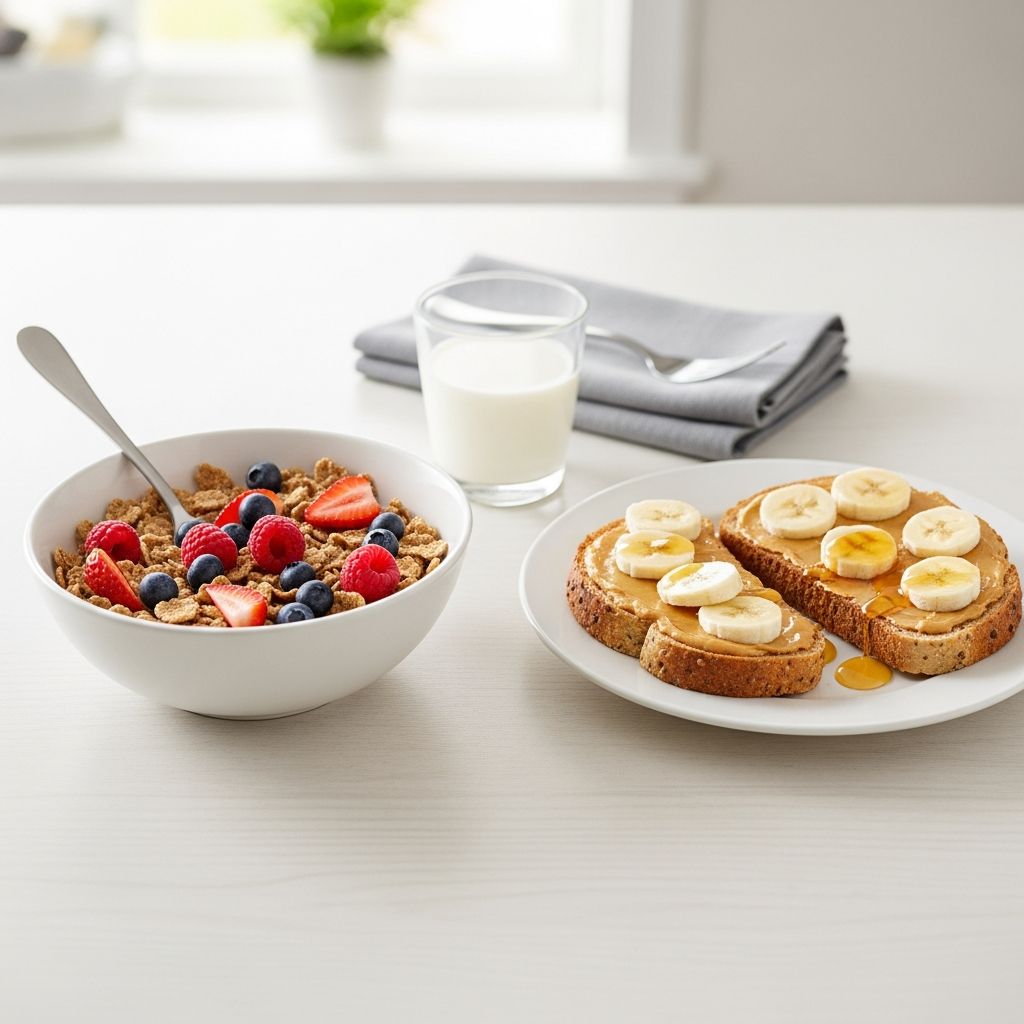
Choosing the right breakfast can set the tone for your entire day, influencing energy levels, hunger, and overall nutrition. Two popular options—toasted oat cereal with milk or whole-wheat toast topped with natural peanut butter—often spark debate among nutrition experts. While cereal offers convenience and calcium from milk, peanut butter toast provides superior protein, fiber, and healthy fats that promote longer-lasting fullness. This article breaks down the nutritional showdown, expert opinions, key macronutrients, and tips to optimize either choice for better health.
Why Breakfast Matters for Your Health
Breakfast fuels your metabolism, stabilizes blood sugar, and supports cognitive function throughout the morning. Research from the U.S. Department of Agriculture emphasizes that nutrient-dense morning meals rich in protein and fiber reduce mid-morning snacking and improve focus. Poor choices high in refined sugars, however, lead to energy crashes. In this comparison, we evaluate typical servings: 1 cup of toasted oat cereal with 1 cup low-fat milk versus 1 slice whole-wheat toast with 2 tablespoons natural peanut butter.
Nutritional Breakdown: Cereal with Milk
A standard bowl of toasted oat cereal (like Cheerios or similar) with low-fat milk delivers quick carbs, some fiber, and essential nutrients from dairy. Per serving:
- Calories: Approximately 200-250.
- Protein: 8-10g (mostly from milk).
- Fiber: 3-4g from the oats.
- Fats: 2-4g, primarily saturated from milk.
- Sugar: 6-12g, depending on the cereal variety (lower in plain oats, higher in flavored).
Strengths include calcium and vitamin D from milk, addressing common deficiencies in American diets. Nutritionists note that whole-grain cereals like Cheerios rank high for low sugar (around 1g per serving) and decent fiber (3g), making them better than sugary options like Cinnamon Toast Crunch (9g sugar, 2g fiber). However, protein remains modest without additions, often leading to hunger by mid-morning.
Nutritional Breakdown: Whole-Wheat Toast with Peanut Butter
Whole-wheat toast with natural peanut butter (no added sugar or oils) stands out for its balanced macronutrients. Per serving:
- Calories: 250-300.
- Protein: 12-15g (from peanut butter and whole grains).
- Fiber: 5-7g (whole wheat provides insoluble fiber for digestion).
- Fats: 16-20g, mostly heart-healthy monounsaturated and polyunsaturated from peanuts.
- Sugar: Less than 2g naturally occurring.
Peanut butter’s protein and fats create a satiating effect, while whole-wheat bread adds complex carbs for steady energy. Experts like those from EatingWell highlight this combo’s edge in keeping you full longer compared to cereal.
Head-to-Head Comparison Table
Here’s a side-by-side nutritional profile for a typical serving (values approximated from USDA data and nutritionist rankings):
| Nutrient | Cereal + Milk (1 cup + 1 cup) | PB Toast (1 slice + 2 tbsp) | Winner |
|---|---|---|---|
| Calories | 220 | 280 | Tie (similar energy) |
| Protein (g) | 9 | 14 | PB Toast |
| Fiber (g) | 3.5 | 6 | PB Toast |
| Healthy Fats (g) | 3 | 18 | PB Toast |
| Sugar (g) | 8 | 1.5 | PB Toast |
| Satiety Score | Medium | High | PB Toast |
This table underscores peanut butter toast’s advantages in protein, fiber, and fats, key for sustained fullness. Cereal edges out on calcium but falls short on blood sugar stability.
Protein, Fiber, and Healthy Fats: The Satiety Trifecta
Protein repairs tissues and signals fullness via hormones like PYY. Fiber slows digestion, preventing spikes. Healthy fats from peanuts reduce inflammation and support heart health per Harvard T.H. Chan School of Public Health guidelines. Peanut butter toast delivers all three, outperforming cereal, which relies on milk for protein (often incomplete without pairing). Studies show high-protein breakfasts (15g+) curb appetite better than carb-heavy ones. Nutrition expert Lisa D’Agrosa confirms: toast with peanut butter has more of these nutrients, keeping you satisfied all morning.
Related Stories



Sugar Content and Energy Stability
Many cereals hide added sugars (up to 12g per serving in brands like Frosted Flakes), causing crashes. Nutritionists recommend under 6g sugar, favoring low-sugar options like plain Cheerios (1g). Peanut butter toast avoids this, offering low-GI carbs for steady energy. High-protein cereals (15-20g protein) improve on traditional ones but still lag behind PB toast’s natural profile without processing.
Calcium and Vitamin D: Cereal’s Dairy Advantage
Milk in cereal provides 300mg calcium and vitamin D, crucial for bone health amid widespread deficiencies. Peanut butter toast lacks this unless fortified bread or milk is added. While toast wins overall, cereal’s micronutrients make it viable if choosing wisely.
Convenience, Cost, and Preparation
Cereal pours in seconds, ideal for rushed mornings. PB toast takes 2-3 minutes to toast and spread. Cost-wise, both are budget-friendly: cereal ~$0.50/serving, PB toast ~$0.60. High-protein cereals cost more (~$1.10) but offer convenience like traditional cereal with better nutrition.
Expert Verdict: Peanut Butter Toast Wins
Overall, whole-wheat toast with peanut butter is slightly healthier due to superior protein (14g vs 9g), fiber (6g vs 3.5g), and fats for fullness. Cereal provides calcium but risks sugar spikes. As D’Agrosa states, “The whole-wheat toast and peanut butter has more fiber, protein and healthy fats… a really satisfying and healthy breakfast.” For cereal lovers, opt for high-fiber, low-sugar varieties and add nuts or yogurt.
5 Ways to Make Peanut Butter Toast Even Better
- Add sliced banana or berries for natural sweetness and potassium.
- Sprinkle chia seeds for extra omega-3s and fiber (boosts to 8g+).
- Choose almond butter for variety and similar benefits.
- Pair with a glass of milk to match cereal’s calcium.
- Use Ezekiel bread for more protein (4g per slice).
6 Tips for Healthier Cereal Choices
- Select whole-grain, low-sugar options (<6g sugar, >3g fiber).
- Add protein: Greek yogurt or nuts (aim for 25g total).
- Portion control: Stick to 3/4-1 cup dry.
- Top with fresh fruit instead of raisins for lower sugar.
- Choose fortified cereals for vitamins like B12.
- Mix in high-protein cereal like Special K (10g protein).
Frequently Asked Questions (FAQs)
What makes peanut butter toast healthier than cereal?
It offers higher protein, fiber, and healthy fats for better satiety and stable energy, with minimal sugar.
Is all cereal unhealthy?
No—plain whole-grain like Cheerios (1g sugar, 3g fiber) is nutritious, especially with milk and additions.
Can I eat cereal and stay full longer?
Yes, by choosing high-protein versions (15-20g) or adding eggs/fruit for 25-30g total protein.
How much peanut butter is too much?
2 tablespoons provide ideal nutrition without excess calories; natural varieties without added sugar are best.
What’s the best breakfast for weight loss?
High-protein, high-fiber options like PB toast; aim for 25-30g protein to reduce cravings.
Boosting Any Breakfast: Pro Tips from Nutritionists
Regardless of choice, target 25-30g protein: add eggs to cereal or milk to toast. Include veggies like spinach for antioxidants. Consistency matters—pair with a balanced diet, not just one meal.
References
- Peanut Butter Toast or Cereal: Which Breakfast Is Healthier? — EatingWell (YouTube). 2014-12-17. https://www.youtube.com/watch?v=oD7INI1Ap9I
- High Protein Cereals vs Traditional Breakfasts: Which Is Better? — ELEAT Cereal. 2023 (approx., recent update). https://eleatcereal.com/blogs/news/high-protein-cereals-vs-traditional-breakfasts-which-is-better
- The Healthiest Breakfast Cereals, Ranked By Nutritionists — Abigail Abesamis. 2018-08-27. https://www.abigailabesamis.com/blog/2018/8/27/the-healthiest-breakfast-cereals-ranked-by-nutritionists
- Dietary Guidelines for Americans, 2020-2025 — U.S. Department of Agriculture (USDA). 2020-12-31. https://www.dietaryguidelines.gov/sites/default/files/2020-12/Dietary_Guidelines_for_Americans_2020-2025.pdf
- Peanut Butter & Heart Health — Harvard T.H. Chan School of Public Health. 2024-01-15. https://www.hsph.harvard.edu/nutritionsource/food-features/peanuts/
Similar Articles








Read full bio of medha deb