Is Charcoal Toothpaste Safe for My Teeth?
Discover the truth about charcoal toothpaste: benefits, risks, and safer whitening alternatives.
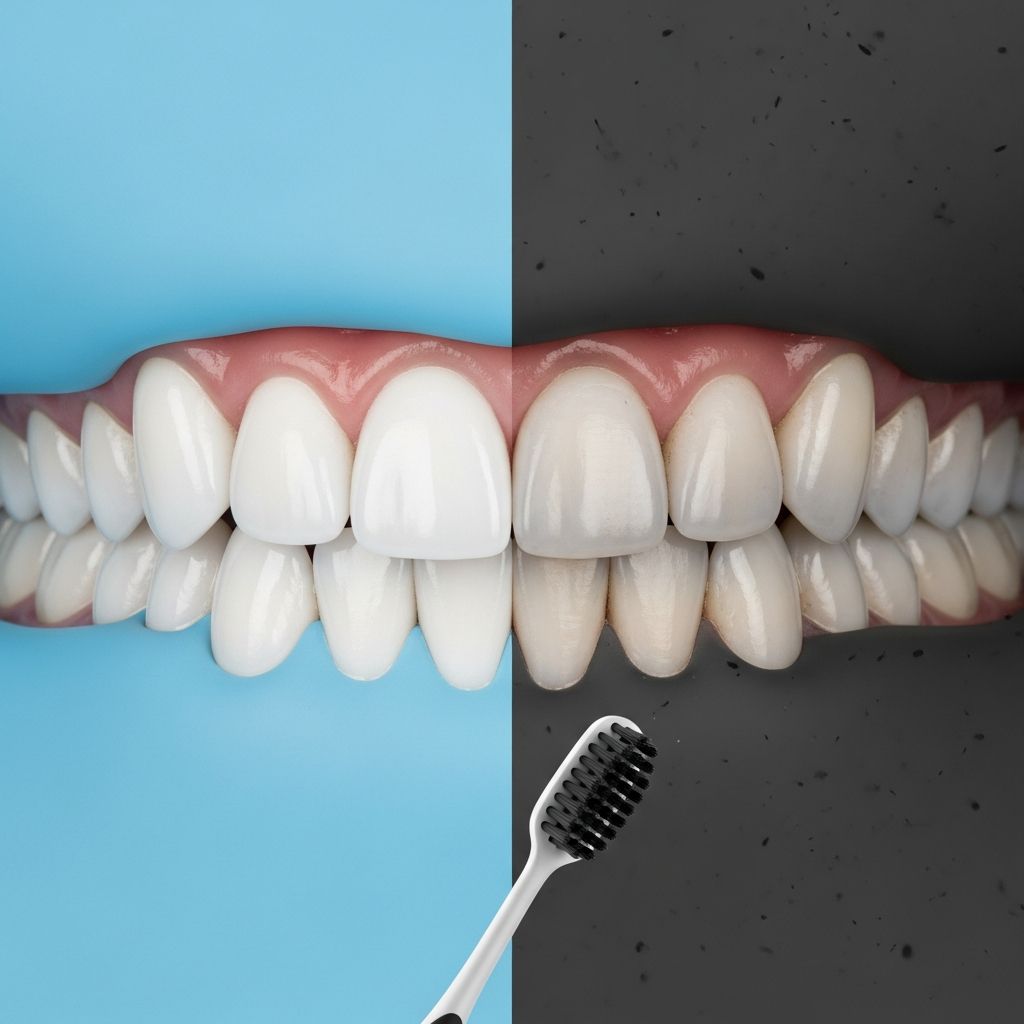
Charcoal toothpaste has become increasingly popular in recent years, marketed as a natural solution for teeth whitening and stain removal. The trend has been fueled by social media endorsements and influencer recommendations, leading many people to wonder whether this trendy product is actually safe for their teeth. While charcoal toothpaste can offer some cosmetic benefits, dental professionals express significant concerns about its long-term safety and effectiveness compared to traditional fluoride-based alternatives.
Understanding Activated Charcoal
Activated charcoal is a specially processed form of carbon that becomes highly porous through a heating process. This porous structure creates tiny spaces that can trap and absorb various substances, which is why it has become popular in water filters and, more recently, in oral care products. Manufacturers have capitalized on charcoal’s ability to bind particles, incorporating it into toothpaste with the theory that it would effectively remove stains and whiten teeth. However, the science behind charcoal’s effectiveness in dental applications tells a different story.
Does Charcoal Toothpaste Actually Whiten Teeth?
One of the primary reasons people choose charcoal toothpaste is for its purported whitening abilities. To understand whether it delivers on this promise, it’s important to distinguish between two types of tooth stains. Extrinsic stains occur on the outer surface of the tooth and are typically caused by foods, beverages, and tobacco. Intrinsic stains, by contrast, are deeper stains within the tooth structure that cannot be addressed by surface abrasion.
Charcoal toothpaste can modestly improve the appearance of extrinsic stains through its abrasive properties. When you brush with charcoal toothpaste, the rough particles mechanically scrub away surface stains from coffee, tea, and red wine. This can create a short-term brightening effect. However, this mechanical abrasion comes at a cost to your tooth enamel. Unlike professional whitening treatments that use peroxide-based systems, charcoal cannot bleach teeth or address intrinsic stains that lie beneath the enamel surface. Dental studies indicate that charcoal toothpastes consistently underperform compared to hydrogen peroxide whitening systems and may cause unnecessary damage to enamel in the process.
The Hidden Dangers: Enamel Abrasion and Sensitivity
Dental professionals voice serious concerns about the abrasive nature of charcoal toothpaste. Tooth enamel is the hardest substance in the human body, but once it is worn away, it cannot regenerate or repair itself. Charcoal toothpaste poses a genuine risk to enamel integrity through several mechanisms.
Surface Roughness and Stain Accumulation: Laboratory studies have demonstrated that charcoal brushing increases surface roughness of tooth enamel. When enamel becomes rougher, it actually becomes more susceptible to staining in the long term. Additionally, the microscopic damage can trap debris and bacteria, leading to faster stain reaccumulation. This creates a paradoxical situation where the short-term cosmetic benefit of stain removal is negated by the increased stain susceptibility that follows.
Related Stories



Progressive Enamel Thinning: Over-abrasive toothpastes can gradually wear down enamel thickness over time. As enamel thins, the yellowish dentin layer beneath becomes more visible, actually making teeth appear more yellow rather than whiter. Additionally, thinned enamel increases the risk of cavities and tooth decay, as enamel serves as the primary protective barrier for the softer dentin and pulp structures underneath.
Increased Tooth Sensitivity: When enamel wears away, the sensitive dentin underneath becomes exposed, leading to tooth sensitivity and pain. People with existing sensitivity issues are particularly vulnerable to worsening symptoms when using charcoal toothpaste regularly. This sensitivity can make eating, drinking, and even breathing uncomfortable.
The Fluoride Problem
Many charcoal toothpaste products on the market are fluoride-free, which eliminates a crucial component of modern oral care. Fluoride remains the gold standard for cavity prevention and enamel strengthening. This mineral works by helping to remineralize early stages of tooth decay and strengthening the enamel structure. When you use a fluoride-free charcoal toothpaste as your primary oral care product, you lose these protective benefits.
The combination of abrasive charcoal, daily use, and lack of fluoride creates a high-risk scenario for long-term dental health. Your teeth may look temporarily brighter while simultaneously becoming weaker, more sensitive, and more prone to decay. This trade-off is particularly concerning for individuals with a history of cavities or those who are already struggling with enamel erosion.
Residue and Cosmetic Issues
Beyond enamel damage, charcoal toothpaste can create unexpected cosmetic problems. The fine black particles from charcoal can lodge in microscopic cracks and defects in your teeth. These particles can also accumulate along the margins of dental work such as crowns, veneers, and fillings, creating dark gray or black edges that are far from cosmetically appealing. For individuals with existing dental restorations, charcoal toothpaste poses a particular aesthetic risk.
What Dental Experts Recommend
Leading dental organizations and researchers have expressed skepticism about charcoal toothpaste claims. Harvard Health Publishing advises that while charcoal toothpaste may be safe in small doses, it should not be used daily due to its abrasiveness. The research indicates that social media buzz about charcoal toothpaste does not translate to clinical evidence of superiority. Penn Dental Medicine has documented limited evidence for charcoal’s whitening effectiveness and raised concerns about abrasion, residue problems, and fluoride omission.
The Reality of Short-Term vs. Long-Term Effects
Many users report seeing results from charcoal toothpaste within just two days, which reinforces the belief that it works. However, this quick improvement is entirely due to mechanical abrasion removing surface stains. The long-term consequences become apparent only after weeks or months of consistent use, when users begin experiencing increased sensitivity, staining that returns faster than before, and visible yellowing as enamel thins and dentin shows through. By this point, damage to enamel has already occurred.
Safer and More Effective Whitening Alternatives
Daily Fluoride Toothpaste
The most fundamental step in maintaining white teeth is using a fluoride toothpaste twice daily. While this may seem boring or basic, fluoride toothpaste remains undefeated for long-term teeth health. It prevents decay, strengthens enamel, and maintains the smooth surface of your teeth that naturally resists staining.
Peroxide-Based Whitening Systems
If you desire noticeably whiter teeth, peroxide-based whitening systems represent a far superior option to charcoal toothpaste. These systems include:
- Over-the-counter whitening strips: These contain safe concentrations of peroxide and can effectively address both surface and some intrinsic stains
- Custom tray systems: Dentists can create custom-fitted trays for whitening gel, ensuring proper contact with all tooth surfaces
- In-office professional whitening: Dentists can apply higher concentrations of whitening agents under controlled conditions for dramatic, fast results
These peroxide-based systems are clinically proven to be effective and, when used as directed, do not damage tooth enamel the way charcoal toothpaste does.
Professional Dental Cleanings
Regular professional cleanings by a dental hygienist can safely remove stubborn stains and restore the smooth feel of your teeth without damaging enamel. These cleanings use specialized equipment and techniques that are far more effective than any at-home abrasive product.
Special Considerations for Specific Situations
If You Have Dental Restorations
If you have veneers, crowns, or extensive fillings, you should avoid charcoal toothpaste entirely. The abrasive particles can damage these restorations and create dark discoloration along the margins, compromising both the function and appearance of your dental work.
If You Have Sensitive Teeth
Individuals with existing tooth sensitivity should never use charcoal toothpaste. The abrasive nature of the product will only exacerbate sensitivity and cause greater pain and discomfort. Instead, use a toothpaste specifically formulated for sensitive teeth that contains protective ingredients like potassium nitrate or strontium chloride.
If You Have a History of Decay
Anyone with a history of cavities or decay should prioritize fluoride toothpaste and avoid products that lack this protective ingredient. The risk of increased decay from using fluoride-free charcoal toothpaste far outweighs any cosmetic benefit.
Questions to Ask Your Dentist
Q: Is charcoal toothpaste safe to use occasionally?
A: While occasional use is less risky than daily use, charcoal toothpaste still poses risks due to its abrasive nature. If you choose to use it occasionally, limit it to no more than a few times per month and always follow up with fluoride toothpaste as your primary oral care product.
Q: Why do charcoal toothpastes not contain fluoride?
A: Many manufacturers market charcoal toothpaste as a natural alternative, and fluoride is often perceived negatively despite being safe at the levels in toothpaste. Some consumers seek fluoride-free products, so manufacturers cater to this demand, unfortunately sacrificing cavity protection.
Q: Can charcoal toothpaste remove deep stains?
A: No, charcoal toothpaste cannot remove intrinsic stains that are beneath the enamel surface. These deep stains require professional whitening treatments that use peroxide-based bleaching systems.
Q: What is the best way to whiten my teeth safely?
A: The best approach combines daily use of fluoride toothpaste with professional-grade whitening treatments. Consult your dentist about custom tray systems, professional in-office whitening, or over-the-counter whitening strips that have been evaluated for safety and efficacy.
Q: Will charcoal toothpaste damage my dental crowns or veneers?
A: Yes, charcoal toothpaste can potentially damage crowns and veneers and leave dark residue along their margins. Avoid charcoal products entirely if you have dental restorations and ask your dentist about whitening methods that are safe for restorative work.
The Bottom Line
While charcoal toothpaste has captured consumer attention through effective marketing and social media promotion, the evidence does not support its use as a primary or frequent oral care product. The short-term cosmetic benefits do not justify the potential long-term damage to tooth enamel, increased sensitivity, and loss of cavity protection from lacking fluoride. Charcoal toothpaste represents more marketing hype than dental science.
If you are committed to achieving a whiter smile, the proven winning combination remains the same as it has been for decades: use fluoride toothpaste every day as your foundation for oral health, and when you want enhanced whitening, use peroxide-based systems that have clinical evidence supporting their safety and efficacy. This evidence-based approach will give you whiter teeth without sacrificing the long-term health and strength of your tooth enamel. Before making any changes to your oral care routine, discuss your options with your dentist to ensure you select the approach that is best for your individual dental needs and circumstances.
References
- Is Charcoal Toothpaste Safe for My Teeth? — Harvard Health Publishing. November 1, 2024. https://www.health.harvard.edu/staying-healthy/is-charcoal-toothpaste-safe-for-my-teeth
- Fact or Fiction: Does Charcoal Toothpaste Work Safely? — Penn Dental Medicine. January 7, 2024. https://www.dental.upenn.edu/
- Effects of Different Charcoal-Containing Whitening Toothpastes on Color and Surface Roughness — BMC Oral Health. 2025. https://bmcoralhealth.biomedcentral.com/
- Optical, Mechanical, and Chemical Impact of Brushing with Activated Charcoal Toothpowder and Toothpaste on Dental Enamel: An In Vitro Evaluation — MDPI Materials. 2024. https://www.mdpi.com/materials
- Debunking Dental Trends — American Dental Association News. 2025. https://www.ada.org/
Similar Articles








Read full bio of medha deb