Is Chicken Noodle Soup Healthy: A Comprehensive Guide
Discover the nutritional benefits of chicken noodle soup and why it's more than comfort food.
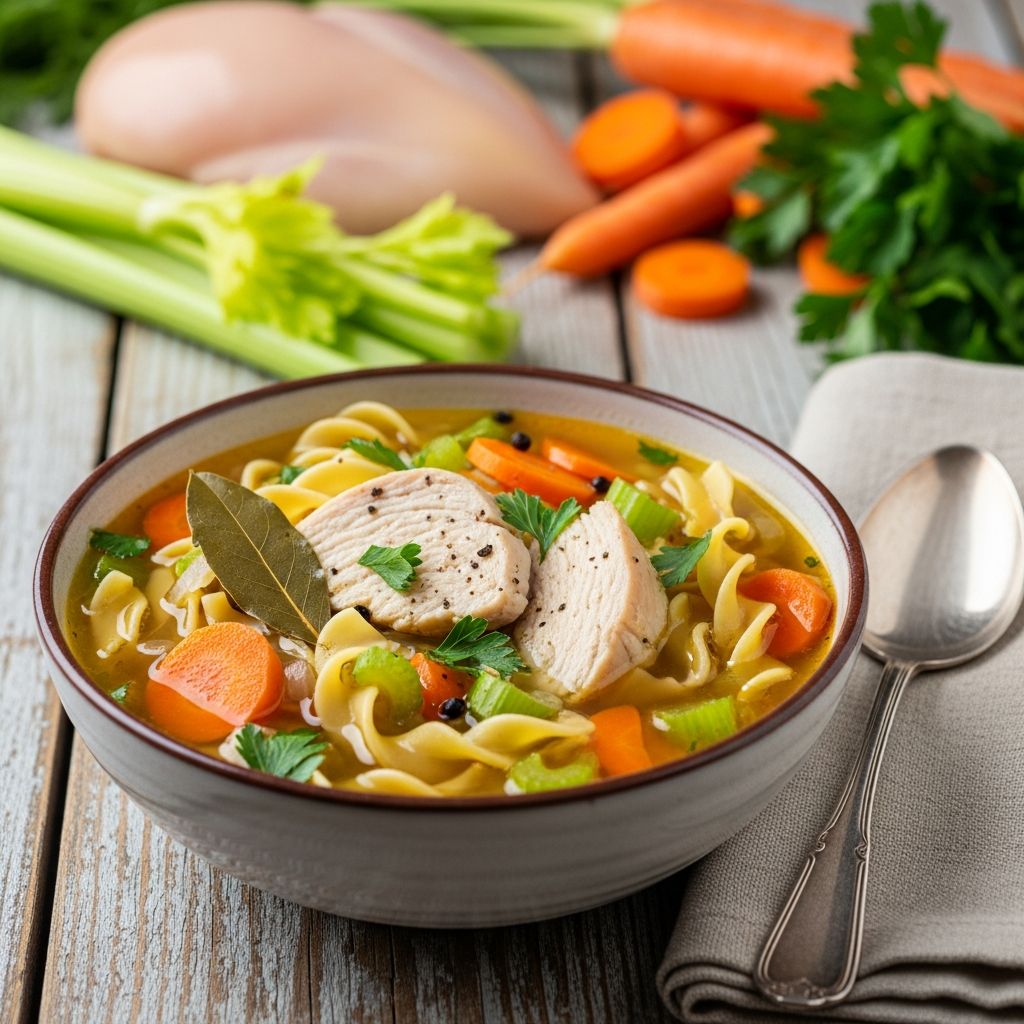
Chicken noodle soup has long been celebrated as a comfort food and a go-to remedy when illness strikes. From parents serving it to sick children to healthcare professionals recommending it to patients, this humble dish enjoys a reputation that extends far beyond its delicious taste. But is chicken noodle soup truly healthy, or is it simply a comfort-driven myth? The answer is more nuanced than a simple yes or no. When prepared thoughtfully with quality ingredients, chicken noodle soup offers genuine nutritional benefits that support immune function, provide energy, and aid in recovery from illness.
The Nutritional Powerhouse: What Makes Chicken Noodle Soup Beneficial
Chicken noodle soup’s health benefits stem from its carefully balanced combination of ingredients, each contributing unique nutritional value. Understanding what each component brings to the table helps explain why this dish has earned its reputation as both nourishing and therapeutic.
Chicken: Protein and Immunity Support
The chicken in this classic soup serves as the primary protein source, which is essential for supporting the immune system and maintaining overall bodily function. Chicken is rich in B vitamins, particularly B-3 (niacin) and B-6, which play crucial roles in maintaining nervous system health, supporting digestive function, and promoting skin integrity. These B vitamins also boost immunity and help regulate digestion, making them particularly valuable when your body is fighting off illness.
Beyond its vitamin content, chicken contains tryptophan, an essential amino acid that helps your body produce serotonin. This compound stabilizes mood, enhances feelings of well-being, and creates that characteristic sense of comfort that makes chicken noodle soup a true comfort food. Additionally, chicken meat is comparatively high in protein while remaining low in fat and cholesterol, making it an excellent choice for those watching their dietary intake.
Noodles: Energy and Carbohydrate Source
The noodles in chicken noodle soup aren’t merely filler—they serve an important nutritional purpose. These hearty strands are packed with carbohydrates, which are your body’s preferred source of energy. When you’re fighting a cold or flu, your body requires extra fuel to combat illness, and the carbohydrates in noodles help prevent the sluggish, run-down feeling that often accompanies infection. Carbohydrates provide glucose that converts to energy needed to support vital bodily functions and physical activity.
For maximum nutritional benefit, opt for whole grain noodles over refined white pasta when preparing homemade soup. Whole grain varieties offer superior nutritional value and contribute additional fiber, vitamins, and minerals to your bowl.
Vegetables: Vitamins, Minerals, and Antioxidants
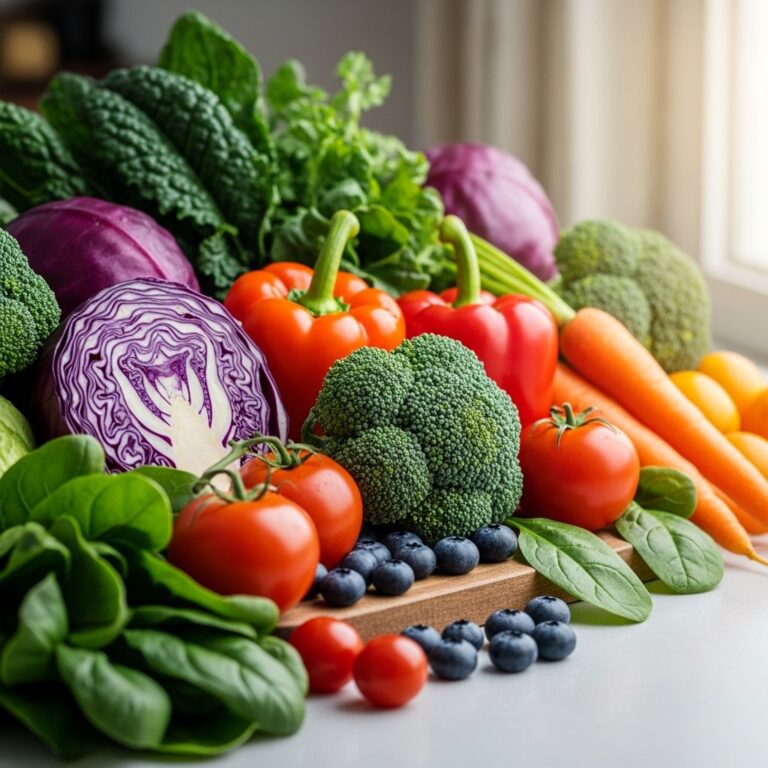
The vegetables commonly found in chicken noodle soup—carrots, celery, and onions—provide far more nutrition than many people realize. These vegetables are excellent sources of vitamins C and K, along with other antioxidants and minerals that support immune function. The presence of vitamin C is particularly significant, as it helps your body fight off viruses and recover from illness more quickly.
Carrots deserve special mention for their high beta-carotene content, which offers anti-inflammatory properties that can help relieve cold and flu symptoms. These vegetables work synergistically with other soup components to create a genuinely therapeutic dish.
Related Stories



Broth: Collagen, Peptides, and More
The broth base of chicken noodle soup—particularly when made with bone broth—represents a concentrated source of beneficial compounds. When bones or meat simmer for extended periods, they release collagen, peptides, carnosine, anserine, and taurine into the liquid. This makes chicken broth exceptionally protein-rich and delivers multiple bioactive compounds with health-promoting properties.
Bone broth is high in collagen, which helps line the digestive tract and soothe gut inflammation, supporting overall digestive health. Since good health often begins in the gut, consuming soup made with bone broth can contribute to improved general wellness. The broth also contains selenium, a trace mineral that reduces inflammation and enhances your body’s ability to fight infection and illness.
Health Benefits When You’re Sick
Chicken noodle soup’s reputation as a cold and flu remedy has substantial scientific backing. Several specific mechanisms explain why this soup is particularly valuable when illness strikes.
Steam and Congestion Relief
The steam rising from a hot bowl of chicken noodle soup offers immediate therapeutic benefits. Steam helps thin mucus and increases blood flow, both of which are excellent for reducing nasal congestion and helping you breathe more easily. This mild anti-inflammatory effect can help relax muscles and soothe the coughs and discomfort associated with cold and flu symptoms.
Soothing Sore Throats and Congestion
When you have a sore throat or sinus congestion, it can be challenging to consume adequate nutrition. Clear chicken broth is warm and soothing, making it easier to eat when your throat is irritated. The salt and seasoning in broth stimulate dull taste buds, providing nourishment while remaining easy to digest when your body is working hard to fight off illness. This accessibility to nutrition is crucial during recovery periods.
Immune-Boosting Properties
Research has demonstrated that chicken soup possesses genuine immunomodulatory effects. Chicken soup inhibits the migration of inflammatory cells, showing anti-inflammatory activity. Studies comparing chicken soup with hot water and cold water found that chicken soup relieved nasal congestion and runny nose more effectively than other treatments. This evidence supports the traditional use of chicken soup in various food cultures to prevent colds, relieve inflammation, and improve immunity.
Beyond Illness: Daily Health Benefits
While chicken noodle soup shines as a recovery food, its benefits extend to daily consumption for general wellness maintenance.
Digestive Health and Gut Support
Chicken broth stimulates the flow of digestive juices, supporting your digestive system’s function. The collagen content in bone broth helps maintain a healthy digestive tract lining, reducing inflammation and supporting nutrient absorption. Since your gut health is one of the best indicators of general health, regular consumption of chicken noodle soup can contribute to long-term wellness.
Sustained Energy and Satiety
The combination of protein from chicken and carbohydrates from noodles creates a balanced meal that provides sustained energy without the rapid blood sugar spikes associated with refined carbohydrates. This makes chicken noodle soup an excellent choice for anyone seeking stable energy levels throughout the day.
Anti-inflammatory Effects
The various components of chicken noodle soup work together to reduce inflammation throughout the body. The amino acids in chicken, the beta-carotene in vegetables, and the selenium in broth all possess anti-inflammatory properties. Regular consumption may help maintain lower baseline inflammation, supporting long-term health.
Nutritional Comparison Table
| Component | Primary Nutrients | Health Benefits |
|---|---|---|
| Chicken | Protein, B vitamins, tryptophan, selenium | Immune support, mood enhancement, nervous system health |
| Noodles | Carbohydrates, fiber (whole grain) | Energy provision, sustained satiety, brain function support |
| Vegetables | Vitamins C and K, beta-carotene, antioxidants | Immune boost, anti-inflammatory, faster recovery |
| Broth | Collagen, peptides, amino acids, minerals | Digestive health, anti-inflammatory, gut support |
Making Your Chicken Noodle Soup Healthier
To maximize the health benefits of chicken noodle soup, consider these recommendations:
- Make homemade broth: Prepare your own broth base by simmering bones or meat for extended periods, allowing beneficial compounds to fully extract into the liquid.
- Choose whole grain noodles: Select whole grain or whole wheat pasta over refined white noodles for superior nutritional value.
- Use quality chicken: Opt for organic or pasture-raised chicken when possible for higher nutrient density and lower antibiotic exposure.
- Add more vegetables: Include a variety of vegetables beyond the traditional trio to expand the spectrum of vitamins and minerals.
- Control sodium: While salt enhances flavor and stimulates taste buds when ill, be mindful of overall sodium content, particularly if you have hypertension or sodium sensitivity.
- Prepare weekly: Make a large batch of chicken noodle soup weekly and store it properly, ensuring you always have nourishing soup available when needed.
Who Benefits Most From Chicken Noodle Soup
Chicken noodle soup is a particularly valuable food choice for several populations. Beyond those fighting active infections, it’s an excellent option for individuals with dysphagia (difficulty swallowing) and neuromuscular diseases, as the soft, easily digestible nature of the soup makes consuming adequate nutrition simpler. Elderly individuals, recovering post-surgery patients, and anyone with compromised digestive function can benefit from its gentle, nutrient-dense profile.
Frequently Asked Questions
Q: Is canned chicken noodle soup as healthy as homemade?
A: Homemade chicken noodle soup generally offers superior nutritional value compared to canned versions. Canned soups often contain higher sodium levels, added preservatives, and fewer beneficial compounds from extended simmering. However, canned soup can still provide nutritional benefits and is preferable to no chicken soup at all when time is limited.
Q: Can chicken noodle soup help prevent colds?
A: While chicken noodle soup is excellent for treating active illness, there’s limited evidence that it prevents colds. However, its immune-boosting nutrients and anti-inflammatory properties may support overall immune function when consumed regularly as part of a balanced diet.
Q: Is chicken noodle soup appropriate for all ages?
A: Yes, chicken noodle soup is generally suitable for all ages. For infants beginning solid foods, ensure noodles are soft and cut appropriately. The soup is particularly beneficial for young children fighting illness and elderly individuals with swallowing difficulties.
Q: How often should I eat chicken noodle soup for health benefits?
A: You can consume chicken noodle soup regularly as part of a balanced diet. Some sources suggest eating it daily for optimal benefits, though even weekly consumption provides significant health advantages. Listen to your body’s needs and dietary preferences.
Q: What makes bone broth superior to regular broth?
A: Bone broth requires longer simmering periods, allowing more collagen, amino acids, and minerals to extract into the liquid. This extended process creates a more nutrient-dense broth with enhanced anti-inflammatory and digestive health benefits.
The Bottom Line
Chicken noodle soup deserves its reputation as both a comfort food and a genuinely healthful dish. When prepared with quality ingredients—particularly homemade broth, whole grain noodles, and fresh vegetables—this classic soup provides substantial nutritional benefits. Its protein, vitamins, minerals, and beneficial compounds support immune function, aid digestion, reduce inflammation, and provide easily accessible nutrition during illness recovery. Whether consumed during illness or as part of regular dietary habits, chicken noodle soup represents a simple, delicious way to nourish your body and support long-term health.
References
- Why You Should Eat Chicken Soup Every Day for Better Health — Pasture Bird. https://www.pasturebird.com/blogs/farmtalk/why-you-should-eat-chicken-soup-every-day-for-better-health
- Is Chicken Noodle Soup the Cure-All? — Boston Magazine. https://www.bostonmagazine.com/sponsor-content/is-chicken-noodle-soup-the-cure-all/
- The Nutrients Behind Chicken Soup: Unveiling Its Nutritional Value — Mom’s Meals. https://www.momsmeals.com/our-food-programs/medically-tailored-meals/the-nutrients-behind-chicken-soup/
- Immunomodulatory effects of chicken soups prepared with the native — National Center for Biotechnology Information (NCBI). 2022. https://pmc.ncbi.nlm.nih.gov/articles/PMC9411684/
Similar Articles








Read full bio of Sneha Tete