Coffee For Weight Loss: 5 Expert Tips To Boost Results
Discover how coffee and caffeine may support weight loss efforts through metabolism boosts and appetite control, with expert tips.
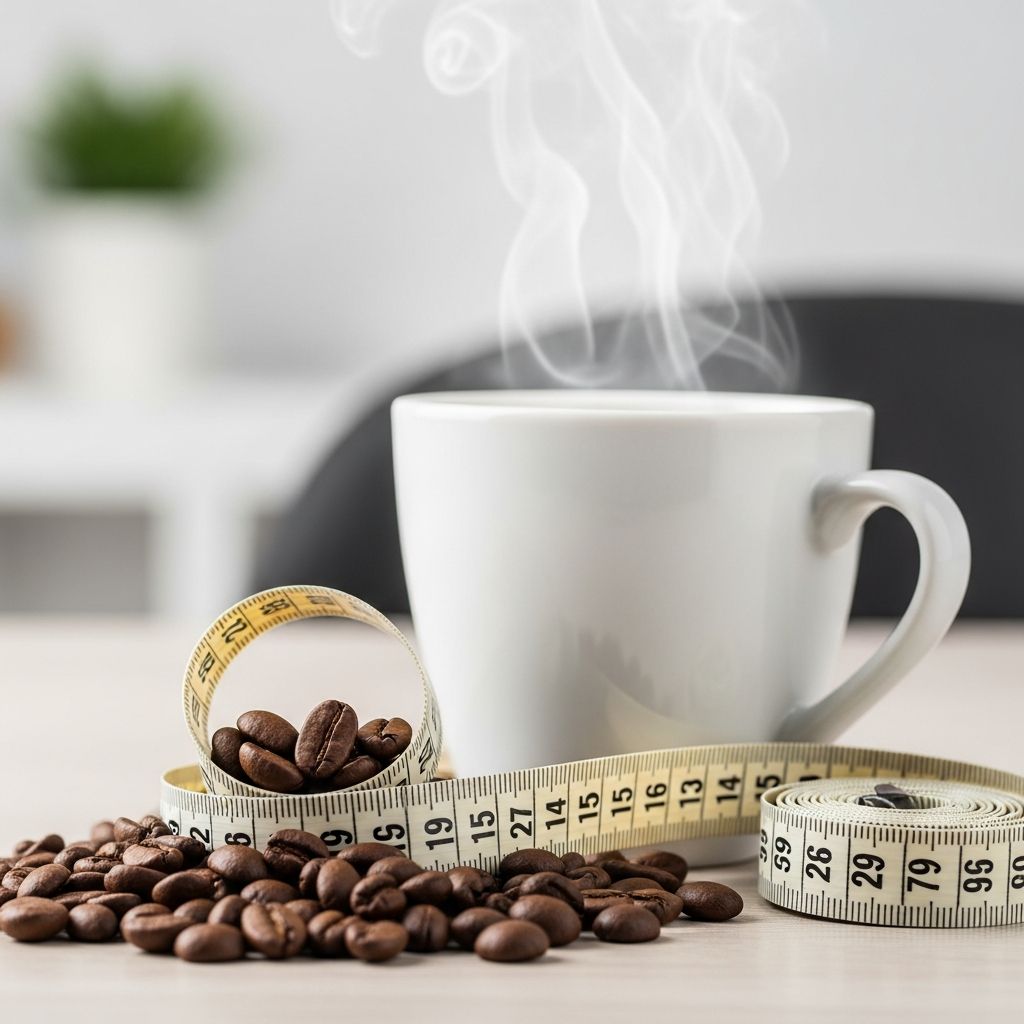
Coffee, one of the world’s most popular beverages, contains caffeine that may promote weight loss by enhancing metabolism, increasing fat oxidation, and suppressing appetite. A systematic review of randomized controlled trials found that caffeine intake significantly reduces body weight, BMI, and fat mass, with every doubling of intake linked to 22%, 17%, and 28% greater reductions respectively.
How Coffee Helps With Weight Loss
Coffee’s primary active compound,
caffeine
, acts as a central nervous system stimulant. It triggers the release of catecholamines like epinephrine, which signal fat cells to break down stored fat for energy. This process, known as lipolysis, increases fat oxidation, especially during exercise.Research shows caffeine can boost resting metabolic rate by 3-11%, meaning your body burns more calories even at rest. For a 150-pound person, this could equate to an extra 75-150 calories burned daily from moderate coffee intake.
- Boosts metabolism: Caffeine increases thermogenesis, the calorie-burning process to produce heat.
- Enhances exercise performance: Improves endurance and strength, allowing longer, more intense workouts.
- Suppresses appetite: May reduce hunger hormones like ghrelin, helping control calorie intake.
Caffeine Content in Coffee
The caffeine amount varies by brew type, bean origin, and serving size. Here’s a comparison:
| Brew Type | Caffeine (mg per 8 oz) |
|---|---|
| Drip Coffee | 95 |
| Espresso (1 oz) | 63 |
| Instant Coffee | 30-90 |
| Cold Brew | 100-200 |
Dark roasts often have slightly less caffeine than light roasts due to longer roasting times. Aim for 200-400 mg daily for weight loss benefits without side effects.
Other Beneficial Compounds in Coffee
Beyond caffeine, coffee is rich in antioxidants like chlorogenic acids, which may improve insulin sensitivity and reduce fat absorption in the gut. Polyphenols in coffee combat inflammation, a factor in obesity.
Studies link regular coffee consumption to lower risks of type 2 diabetes and metabolic syndrome, indirectly supporting weight management by stabilizing blood sugar.
Potential Downsides of Coffee for Weight Loss
While beneficial, coffee pitfalls can sabotage efforts. Additives like sugar, cream, and syrups pack calories:
- Sugar (1 tsp): 16 calories
- Heavy cream (2 tbsp): 101 calories
- Flavored syrup (1 pump): 10-20 calories
- Lattes or mochas: 200-500+ calories per serving
Plain black coffee has under 5 calories, but sugary drinks contribute to weight gain. One study linked daily added sugar in coffee to increased body weight.
Excess caffeine (>400 mg/day) may cause jitteriness, insomnia, or increased cortisol, potentially promoting abdominal fat storage. Tolerance builds over time, reducing benefits.
Best Coffee for Weight Loss
Opt for black coffee or minimal additives to maximize benefits:
- Black coffee: Pure caffeine and antioxidants, zero calories.
- Americano: Espresso with hot water, low calorie.
- Cold brew: Higher caffeine, smoother taste.
- Avoid: Frappuccinos, sweetened lattes, whipped cream drinks.
Use unsweetened plant milks sparingly (e.g., almond milk: 10-30 calories per oz). Check labels for hidden sugars.
How Much Coffee Should You Drink for Weight Loss?
Moderation is key: 2-4 cups (200-400 mg caffeine) daily supports weight loss without risks for most adults. Time intake pre-workout for enhanced fat burning. Pregnant individuals or those with anxiety should limit to 200 mg.
Related Stories



Coffee and Exercise: A Winning Combo
Caffeine pre-exercise boosts fat utilization by 20-30% and delays fatigue. Drink 1 cup 30-60 minutes before workouts. Combine with green tea for synergistic effects from catechins and caffeine.
Can Coffee Replace Meals for Weight Loss?
No—coffee isn’t a meal substitute. It curbs short-term hunger but lacks nutrients. Use as an appetite aid alongside balanced meals, not instead of them.
Who Should Avoid Coffee for Weight Loss?
Certain groups benefit less or risk harm:
- People with acid reflux or GERD (coffee relaxes the esophageal sphincter).
- Those with insomnia or anxiety (caffeine lingers 5-6 hours).
- Individuals with heart conditions (may raise blood pressure).
- Pregnant or breastfeeding women (limit to 200 mg).
Consult a doctor if unsure.
Expert Tips for Using Coffee in Your Weight Loss Plan
Incorporate coffee strategically:
- Drink black or with cinnamon for flavor and blood sugar control.
- Pair with protein (e.g., black coffee + eggs) to enhance satiety.
- Avoid after 2 PM to protect sleep, vital for weight control.
- Track total caffeine from all sources (tea, soda, chocolate).
- Hydrate extra—coffee is mildly diuretic.
Common Myths About Coffee and Weight Loss
Myth 1: All coffee aids weight loss. *Fact:* Only low-calorie versions do; sugary ones hinder it.
Myth 2: More coffee = faster loss. *Fact:* Excess leads to tolerance and side effects.
Myth 3: Decaf works the same. *Fact:* Minimal caffeine means fewer benefits.
Sample Daily Coffee Routine for Weight Loss
| Time | Coffee Type | Add-Ins | Calories |
|---|---|---|---|
| 7 AM | Black drip | None | 2 |
| 10 AM | Americano | Splash almond milk | 10 |
| 3 PM (pre-gym) | Espresso | None | 5 | Total: ~17 calories, 250 mg caffeine |
Frequently Asked Questions (FAQs)
Is black coffee good for weight loss?
Yes, black coffee is ideal—near-zero calories with full caffeine benefits for metabolism and appetite control.
Does coffee make you gain weight?
Plain coffee doesn’t, but high-calorie additives like syrups and cream do, potentially adding hundreds of calories daily.
How much weight can you lose drinking coffee?
Coffee alone won’t cause major loss, but with diet and exercise, caffeine may enhance fat loss by 1-2 pounds monthly via boosted calorie burn.
Is coffee better than tea for weight loss?
Coffee has more caffeine for quicker effects; tea offers catechins. Both help, but coffee edges for acute metabolism boosts.
Can I drink coffee while intermittent fasting?
Yes, black coffee is fine during fasting windows as it doesn’t spike insulin significantly.
Bottom Line
Coffee can be a valuable tool in weight loss when consumed black or minimally, leveraging caffeine’s proven effects on metabolism and fat burning. Focus on whole foods, exercise, and calorie control for sustainable results. Track additives to avoid hidden calories.
References
- The effects of caffeine intake on weight loss: a systematic review and dos-response meta-analysis of randomized controlled trials — Reza Tabrizi et al. Critical Reviews in Food Science and Nutrition. 2019-10-18. https://pubmed.ncbi.nlm.nih.gov/30335479/
- Coffee calories: Sabotaging your weight loss? — Mayo Clinic. 2024-06-07. https://www.mayoclinic.org/healthy-lifestyle/weight-loss/expert-answers/calories/faq-20058100
Similar Articles








Read full bio of medha deb