Is Corn a Vegetable? Is Corn a Fruit? Is Corn Gluten-Free?
Unravel the confusion: Discover if corn counts as a vegetable, fruit, or grain, plus nutrition facts, health benefits, and gluten-free truths.
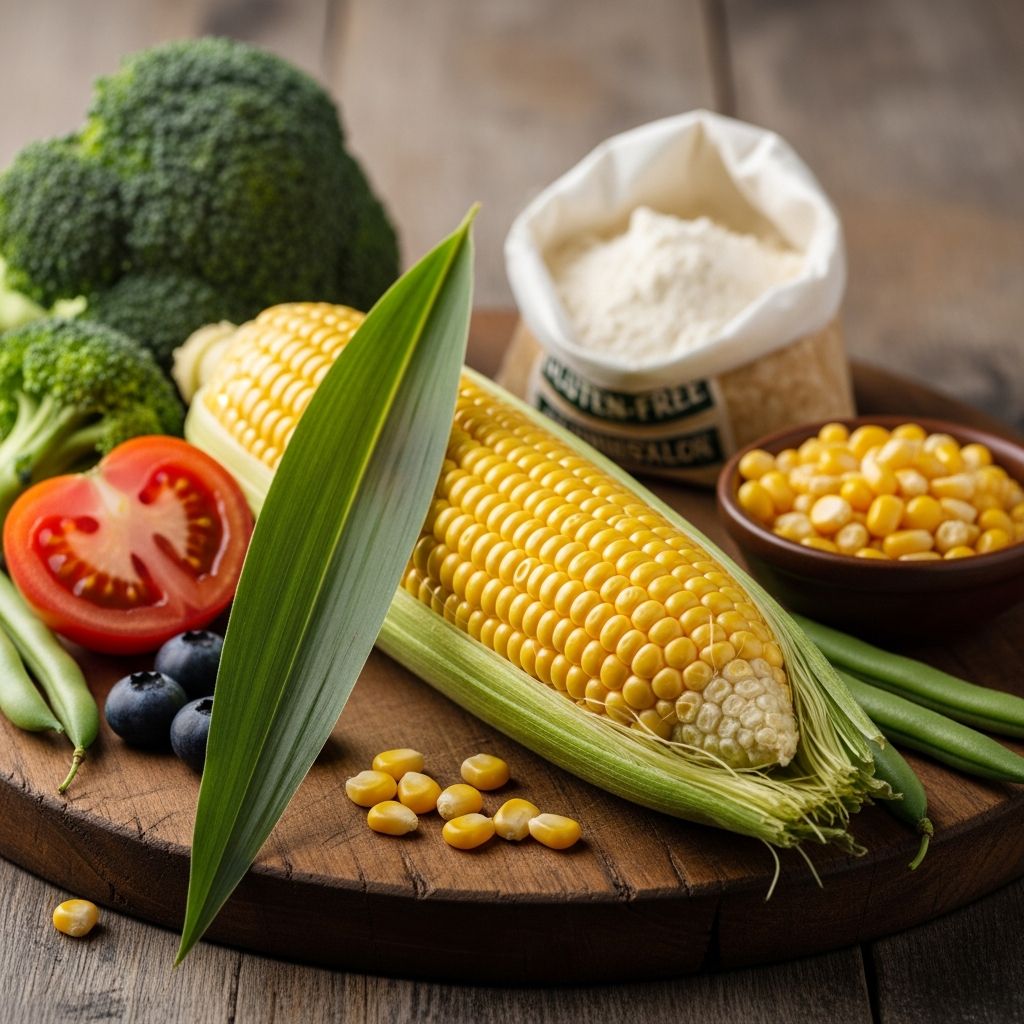
Corn, also known as maize, is one of America’s most beloved and versatile foods, appearing in everything from summer barbecues to everyday snacks like popcorn. But despite its popularity, corn sparks endless debates: Is it a vegetable? A fruit? A grain? And is it safe for those avoiding gluten? These questions arise because corn defies simple categorization, shifting identities based on botanical definitions, harvest stage, and culinary use. In this in-depth guide, we’ll break down the science behind corn’s classifications, dive into its impressive nutritional profile, explore proven health benefits and potential risks, and address its gluten-free status with clarity. Whether you’re a nutrition enthusiast, following a specific diet, or just curious about this staple crop, you’ll find all the answers here, backed by credible sources.
What Is Corn, Exactly?
Corn, scientifically termed Zea mays, originated from a wild grass in Mexico thousands of years ago and has evolved into a global dietary cornerstone. Today, it’s grown worldwide, with the U.S. producing over 15 billion bushels annually. Corn comes in varieties like sweet corn (eaten fresh), field corn (for animal feed and processing), and flint corn (for popcorn and decoration). Botanically, each kernel is a caryopsis—a dry fruit where the seed and fruit wall fuse inseparably. This unique structure blurs lines between fruit and grain, making corn a botanical chameleon. Nutritionally, one medium ear of corn (about 90g) delivers roughly 90 calories, 20g carbs, 3g protein, 1.5g fiber, and key micronutrients like vitamin C, B vitamins, magnesium, and potassium. Its vibrant yellow hue signals high lutein and zeaxanthin, antioxidants vital for eye health.
Is Corn a Vegetable?
In everyday language and many dietary guidelines, corn is treated as a vegetable, especially when harvested young and eaten fresh—like corn on the cob, kernels in salads, or frozen bags. The USDA’s MyPlate classifies sweet corn as a starchy vegetable, grouping it with potatoes and peas for its carbohydrate content and role in balanced plates. This practical view prioritizes how we consume it: tender, milky kernels from the cob mimic other veggies. However, strictly botanically, corn kernels aren’t vegetables because vegetables derive from roots, leaves, stems, or tubers—not reproductive parts. Livestock eating corn stalks or leaves technically consume vegetables, but for humans, it’s the fruit-like kernels. Nutritionists often slot corn into veggie categories for meal planning, emphasizing its fiber, vitamins, and low fat—making it a smart addition to veggie-heavy diets.
Is Corn a Fruit?
Yes, botanically, corn is a fruit. Each kernel develops from the plant’s ovary (female flower part), enclosing a seed, fitting the definition: the ripened ovary bearing seeds. Corn produces a specialized fruit called a caryopsis, common in grasses like wheat and rice, where pericarp (fruit wall) fuses with the seed coat. A single corn cob holds thousands of these tiny fruits fused together. This mirrors tomatoes or cucumbers—fruits masquerading as veggies due to savory taste. Sweet corn’s juicy kernels reinforce its fruity nature, though we rarely toss it in fruit salad. Culinary tradition overrides botany here, but science confirms: corn kernels = fruit.
Is Corn a Grain?
Absolutely, corn qualifies as a
grain
when mature and dried. Harvested after kernels harden, it’s processed into cornmeal, grits, tortillas, or popcorn—whole grain products retaining bran, germ, and endosperm. The USDA recognizes field corn as a cereal grain, alongside wheat, rice, and barley. Corn’s grassy heritage (a domesticated teosinte grass) cements this. Popcorn exemplifies whole-grain status: unrefined kernels explode into fiber-rich puffs. Grains provide sustained energy via complex carbs and B vitamins, explaining corn’s staple role in global cuisines like Mexican tortillas or Italian polenta. Whether fresh (veggie-like) or dry (grain), corn adapts seamlessly.Corn Nutrition Facts
Related Stories



Corn packs a nutrient-dense punch. A 1-cup serving (166g) of cooked yellow sweet corn offers:
| Nutrient | Amount | % Daily Value* |
|---|---|---|
| Calories | 143 | 7% |
| Carbohydrates | 31g | 11% |
| Protein | 5g | 10% |
| Fiber | 4g | 14% |
| Vitamin C | 8mg | 9% |
| Magnesium | 52mg | 12% |
| Potassium | 356mg | 8% |
| Folate | 51mcg | 13% |
Its low glycemic index (around 52-55) prevents blood sugar spikes, ideal for diabetes management. Antioxidants like ferulic acid and anthocyanins (in blue corn) combat oxidative stress.
Health Benefits of Corn
- Digestive Health: Soluble fiber (beta-glucan) feeds gut bacteria, easing constipation and lowering colon cancer risk.
- Eye Protection: Lutein and zeaxanthin filter blue light, reducing age-related macular degeneration per studies.
- Heart Support: Fiber binds cholesterol; potassium regulates blood pressure. Whole-grain corn cuts cardiovascular risk by 20%.
- Energy Boost: Complex carbs and B vitamins sustain vitality without crashes.
- Weight Management: High-volume, low-calorie profile promotes satiety.
Blue and red corn varieties amplify benefits with extra anthocyanins, outperforming yellow in antioxidants.
Potential Downsides and Risks
Corn isn’t perfect. Its high carb load (mostly starch) may concern low-carb dieters or diabetics—monitor portions. Pesticide residues on conventional corn warrant organic choices or thorough washing. Those with corn allergy (rare, affecting <1%) experience hives or anaphylaxis. Digestive sensitivities like IBS might flare from FODMAPs in corn. GMOs dominate U.S. corn (90%+), sparking debate, though FDA deems safe. Moderation is key: pair with proteins and fats for balance.
How to Enjoy Corn Healthily
Maximize benefits simply:
- Grill or steam fresh ears—avoid butter overload.
- Pop plain kernels for fiber-rich snacks.
- Add kernels to salads, salsas, or veggie stir-fries.
- Bake cornbread with whole-grain meal and veggies.
- Try heirloom varieties for diversity.
Aim for 1-2 servings daily within varied diets.
Is Corn Gluten-Free?
Yes, pure corn is naturally gluten-free. Corn lacks gluten proteins (gliadin, glutenin) found in wheat, barley, rye. Safe for celiacs and gluten-sensitive, but beware cross-contamination in processing plants or mixes (e.g., corn flour with wheat). Labels like ‘certified gluten-free’ ensure safety under 20ppm threshold. Cornstarch, tortillas, and grits from 100% corn shine in GF baking. Always verify ingredients.
Frequently Asked Questions (FAQs)
Is corn a starchy vegetable?
Yes, USDA MyPlate lists it as such for its carb content, despite fruity botany.
Can corn be part of a low-carb diet?
Limited amounts yes; opt for fresh over processed to control carbs.
Is popcorn a whole grain?
Yes, unpopped kernels qualify if retaining bran, germ, endosperm.
Does cooking reduce corn’s nutrients?
Minimal loss; steaming preserves most vitamins.
Is organic corn healthier?
Lower pesticides, but nutrition similar; choose for environmental reasons.
References
- Fruit? Vegetable? Grain? What’s The Deal With Corn? — Where The Food Comes From. 2023. https://wherethefoodcomesfrom.com/fruit-vegetable-grain-whats-the-deal-with-corn/
- Is Corn a Vegetable or Starch? 3 Top Corn Questions Answered — Nebraska Corn Board. 2024-07-01. https://nebraskacorn.gov/cornstalk/is-corn-a-vegetable-or-starch-three-top-corn-questions-answered/
- Is Corn a Fruit, Vegetable, or Grain? — Popular Science (YouTube). 2019-11-08. https://www.youtube.com/watch?v=W5EtXSrCsOM
- Is Corn a Vegetable? — Healthline. 2019-04-26. https://www.healthline.com/health/food-nutrition/is-corn-a-vegetable
- Maize — Wikipedia (primary botanical reference). 2026-01-27. https://en.wikipedia.org/wiki/Maize
Similar Articles








Read full bio of medha deb