Is Corn Bad For You? 6 Expert Tips For Healthy Eating
Uncover the truth about corn: Explore its nutritional benefits, potential risks, and how to enjoy it healthily in your diet.
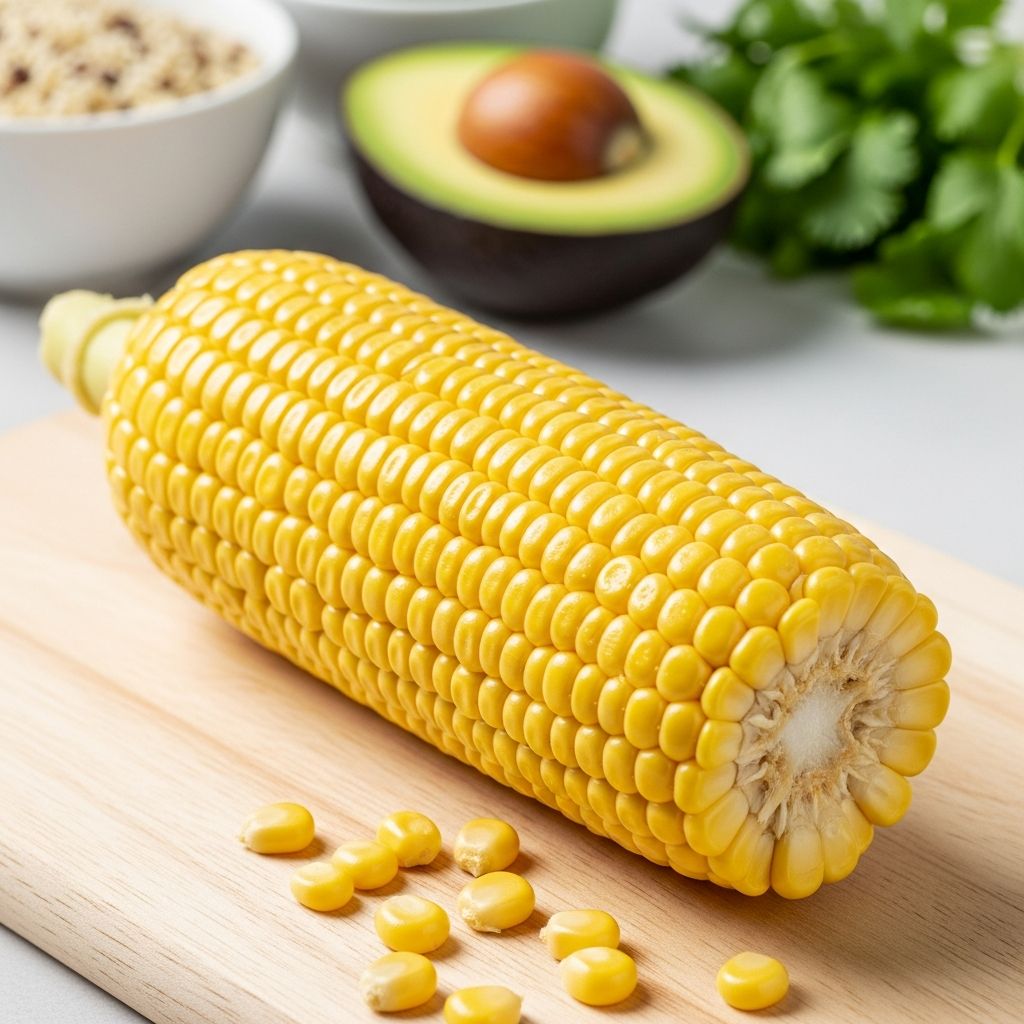
Corn, a staple food enjoyed worldwide, sparks debate over its health impact. While rich in fiber, vitamins, and antioxidants, its high starch content and prevalence as GMO crops raise concerns. In moderation, corn can be a nutritious addition to most diets, offering digestive and eye health benefits, but excessive intake may spike blood sugar or hinder weight loss.
What Is Corn?
Corn, or maize, is a starchy cereal grain domesticated over millennia through selective breeding, evolving in size, color, and flavor. Native to the Americas, it’s now a global crop used fresh, processed into products like popcorn, tortillas, and syrups. Nutritionally, one cup of raw sweet yellow corn provides about 125 calories, 2.9 grams of fiber, 392 mg potassium, vitamin C, B vitamins like folate (19% DV), magnesium (11% DV), and potassium (10% DV). Its yellow pigment comes from carotenoids like lutein and zeaxanthin, potent antioxidants.
Corn varieties differ: sweet corn for eating fresh, dent corn for animal feed and processing, and colorful types like purple corn boasting anthocyanins for extra heart health benefits. Fresh, frozen, or canned forms vary in nutrient retention—frozen often preserves more water-soluble vitamins due to peak harvesting.
Corn Nutrition Facts
Corn’s profile is carb-heavy but nutrient-dense when whole. Key nutrients per cup (one large ear) of boiled sweet corn:
| Nutrient | Amount | % Daily Value |
|---|---|---|
| Calories | 125 | 6% |
| Carbohydrates | 27g | 10% |
| Dietary Fiber | 2.9g | 10% |
| Protein | 4.5g | 9% |
| Folate (B9) | 76µg | 19% |
| Magnesium | 44mg | 11% |
| Potassium | 392mg | 10% |
| Vitamin C | 9mg | 10% |
Most carbs are starch, balanced by fiber that moderates digestion. Corn also contains phytosterols and CoQ10 for cholesterol management. Processed forms like corn syrup or chips lose fiber and gain added sugars, salts, or fats, reducing benefits.
Health Benefits of Corn
Corn offers several evidence-based perks when eaten whole.
Rich in Antioxidants
Carotenoids like lutein and zeaxanthin in yellow corn combat free radicals linked to aging and chronic diseases. A study of 365 adults showed high carotenoid intake cut age-related macular degeneration (AMD) risk by 43%. Purple corn’s anthocyanins lower blood pressure and cancer risk.
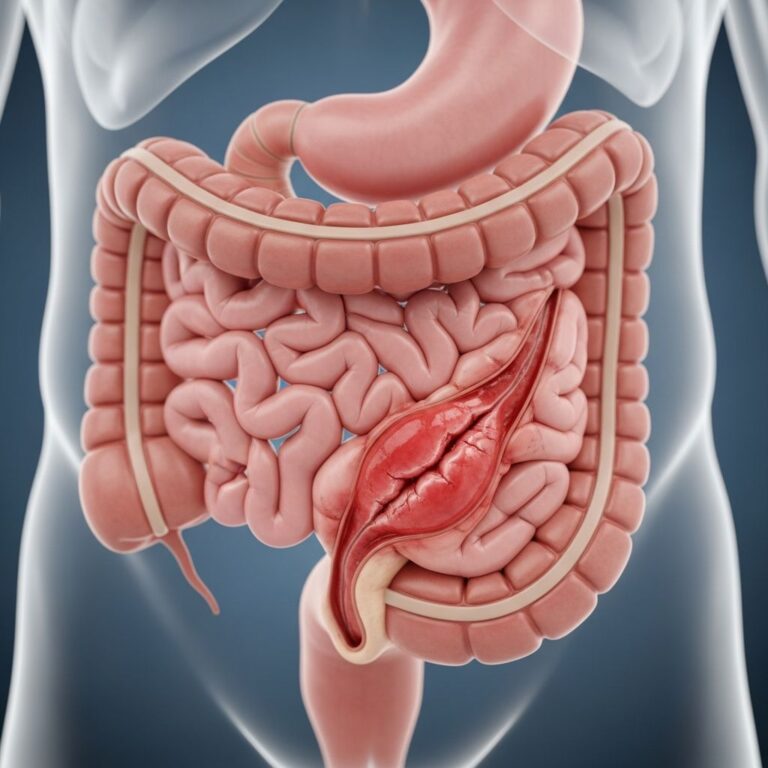
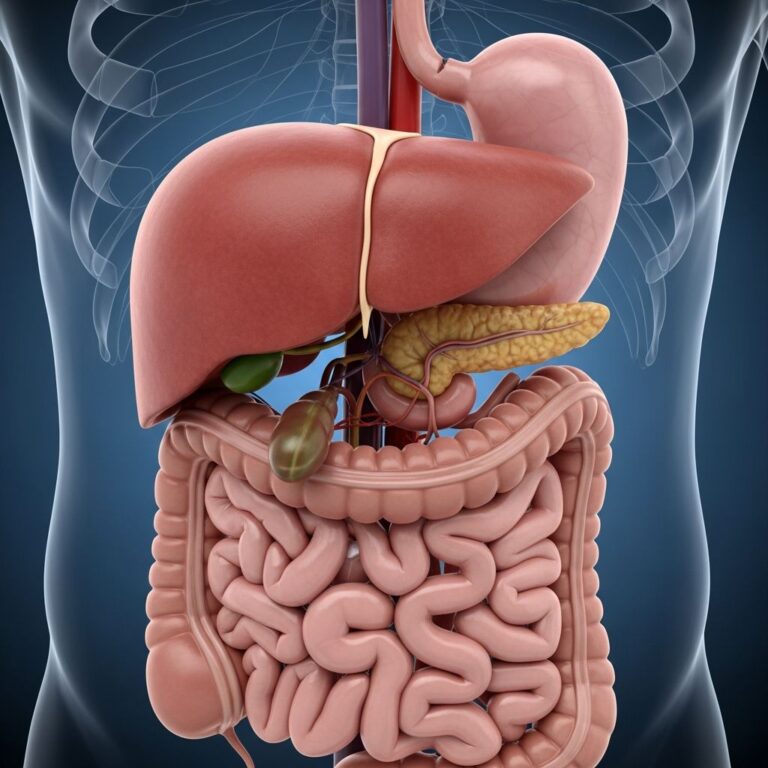
Supports Digestive Health
Insoluble fiber in corn aids digestion, prevents constipation, hemorrhoids, and colorectal cancer while feeding gut bacteria. It promotes fullness for weight management, lowers cholesterol, and reduces type 2 diabetes and heart disease risks. An 18-year study of 47,000 men linked popcorn (twice weekly) to lower diverticular disease risk.
Eye Health Protection
Lutein and zeaxanthin concentrate in the eyes, filtering harmful light. Regular corn consumption may safeguard against AMD and other vision issues.
Heart-Healthy Minerals
Potassium relaxes blood vessels, countering sodium for blood pressure control. Magnesium supports heart rhythm, and calcium strengthens bones. At barbecues, corn beats chips for fiber and micronutrients.
Potential Downsides of Eating Corn
Despite benefits, corn has drawbacks, especially in excess or processed forms.
High in Starch and Carbs
Corn’s starch rapidly raises blood sugar, problematic for diabetes management. Low-carb diets outperform for blood sugar control, and high-fructose corn syrup correlates with higher diabetes prevalence. A 24-year Harvard study of 133,468 adults found each daily corn serving added 2 pounds over 4 years.
Related Stories



GMO Concerns
Most U.S. corn is genetically modified. Animal studies link GMO corn to liver/kidney toxicity, though human data is limited and conflicting. More research is needed.
Lower Fiber Than Alternatives
Corn provides fiber but less than oats or beans. It can act as a filler, displacing nutrient-denser foods.
High-Fat Preparations
Plain corn is low-fat, but butter, oil, or frying boosts calories, turning it unhealthy.
Suitable for Certain Conditions?
Corn is naturally gluten-free, safe for celiac or gluten-intolerant people. Diabetics may include sweet corn moderately after doctor consultation due to sugars akin to other starches.
Is Corn Good for Weight Loss?
Corn’s fiber promotes satiety, but high starch may impede loss if overeaten. The Harvard study highlights weight gain risk from starchy veggies like corn over greener options. Opt for air-popped popcorn or corn salads to minimize impact.
How to Eat Corn the Healthy Way
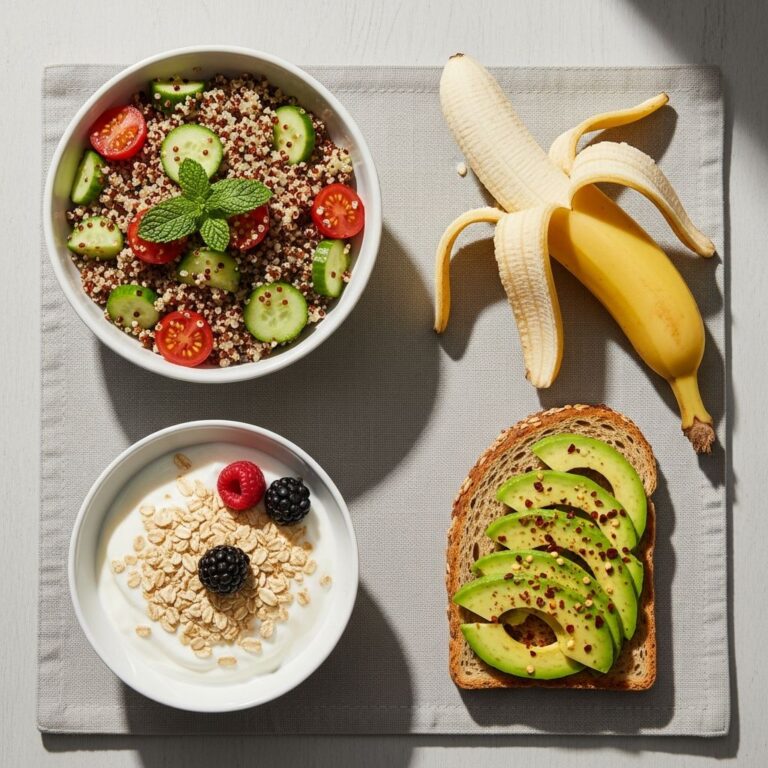
- Choose whole forms: fresh, frozen, or boiled over processed chips/syrups.
- Limit portions: Half-cup servings control carbs.
- Pair wisely: Add to salads with proteins/veggies for balance.
- Prep lightly: Grill, steam, or microwave sans butter; use herbs/spices.
- Prefer frozen: Retains nutrients better than long-transported fresh.
- Variety: Mix yellow, purple corn for diverse antioxidants.
Replace junk like chips with corn at meals for a nutrient win.
FAQs
Is corn inflammatory?
No evidence suggests corn causes inflammation; its antioxidants may reduce it. Those with corn allergies should avoid.
Is corn keto-friendly?
No, high carbs make it unsuitable for strict keto; low-carb alternatives like cauliflower are better.
Does corn cause bloating?
Fiber may cause gas initially; introduce gradually and chew well.
Is canned corn healthy?
Yes if low-sodium; rinse to cut salt. Frozen edges out for nutrients.
Can diabetics eat corn?
In moderation, yes—consult a doctor. Fiber tempers glycemic impact.
Bottom Line
Corn isn’t ‘bad’ but isn’t a superfood. Whole corn delivers fiber, antioxidants, and minerals for digestion, eyes, and heart health. Risks like blood sugar spikes, GMO uncertainties, and weight gain apply mainly to excess or processed versions. Include moderately in balanced diets, prioritizing whole preparations.
References
- Is corn healthy? Nutrition, benefits, risks — Medical News Today. 2019-02-28. https://www.medicalnewstoday.com/articles/324199
- Is Corn Good for You? Nutrition Facts and More — Healthline. 2023-07-12. https://www.healthline.com/nutrition/is-corn-good-for-you
- More Than a Kernel of Truth: Corn Can Add a Healthy Crunch to Your Cookout — American Heart Association. 2023-05-30. https://www.heart.org/en/news/2023/05/30/more-than-a-kernel-of-truth-corn-can-add-a-healthy-crunch-to-your-cookout
- Health Benefits of Maize/Corn — Advanced Health / OSU Extension. 2024-01. https://advancedhealth.com/wp-content/uploads/2024/01/76-Jan-Maize-handout.pdf
Similar Articles








Read full bio of Sneha Tete