Is Corn Healthy or Not? 5 Myths About Sweet Corn Busted
Debunking 5 common myths about sweet corn: Discover its nutritional benefits, from fiber and antioxidants to weight management support.
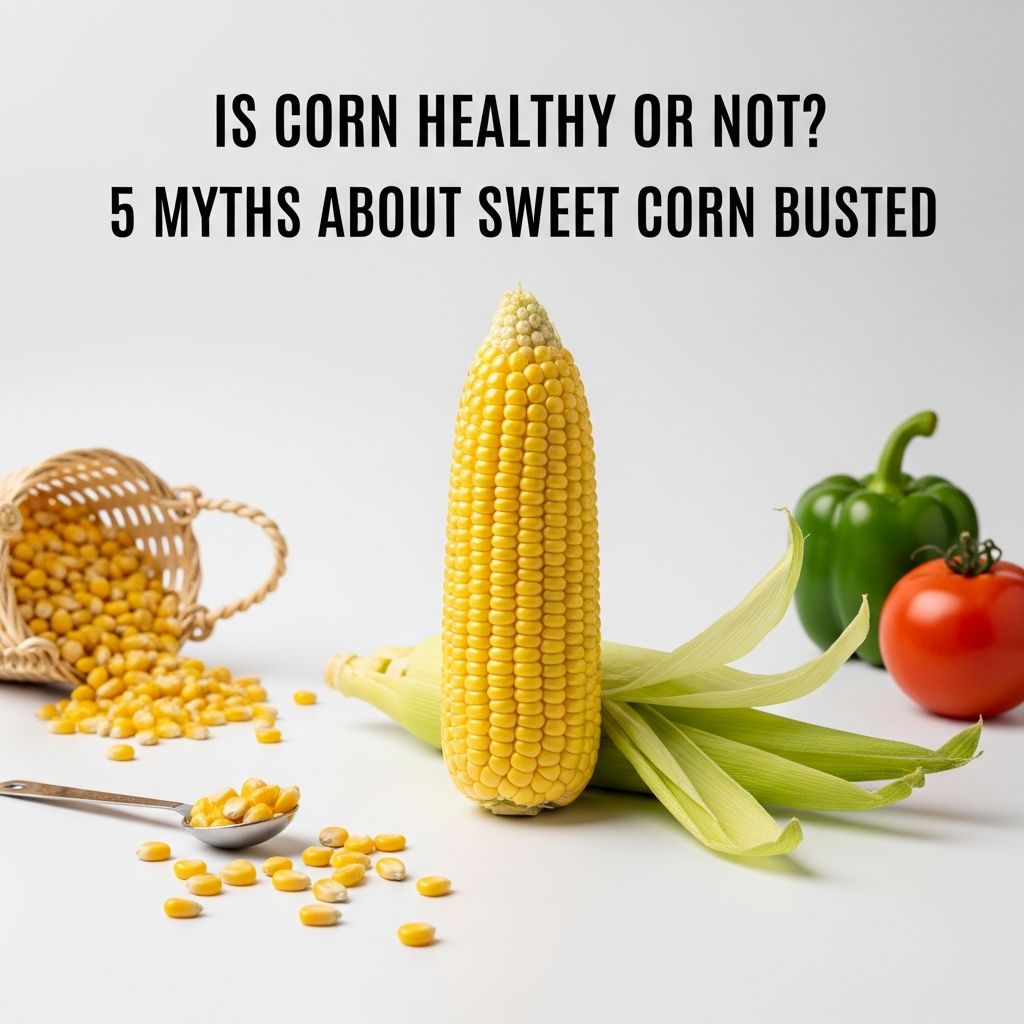
Sweet corn often faces misconceptions that question its place in a healthy diet. Packed with fiber, vitamins, and antioxidants, fresh sweet corn offers significant nutritional value when enjoyed mindfully. This article addresses the top five myths, drawing from scientific research to clarify facts and promote informed eating habits.
What Is Sweet Corn, Anyway?
Sweet corn, a variety of maize (Zea mays), is harvested immature for its high sugar content, giving it a tender, juicy texture ideal for fresh consumption. Unlike field corn used for animal feed or processing, sweet corn is a starchy vegetable rich in carbohydrates, primarily from starch and natural sugars. One medium ear (about 90-100 grams of kernels) provides roughly 100 calories, making it comparable to an apple in energy density while delivering 3 grams of fiber. Its nutrient profile includes B vitamins like folate (19% DV per cup), magnesium (11% DV), potassium (10% DV), vitamin C, iron, and plant proteins essential for bodily functions.
Phytochemicals such as lutein and zeaxanthin support eye health by protecting against age-related macular degeneration. Insoluble fiber aids digestion, promotes regularity, and contributes to satiety, supporting weight management. Whole corn forms, especially those retaining bran, show favorable effects on blood lipids and glycemic control, unlike refined products.
Myth 1: Sweet Corn Is Not Healthy
Truth: Sweet corn is highly nutritious and fits seamlessly into a balanced diet. Critics overlook its array of vitamins, minerals, and fiber. A cup of yellow sweet corn kernels delivers substantial folate for cell function, magnesium for muscle health, and potassium for heart rhythm. Its insoluble fiber supports gut motility and prevents issues like diverticular disease; one study linked popcorn consumption (a corn derivative) to lower risk in over 47,000 men.
Antioxidants like lutein combat oxidative stress, reducing inflammation and chronic disease risks such as heart disease and cancer. Resistant starch in corn digests slowly, stabilizing blood sugar and aiding metabolic health. While starchy, its fiber mitigates rapid glucose spikes, benefiting most people. Processed corn (e.g., flakes) lacks these perks, but fresh or whole-grain forms excel.
- Fiber boost: Promotes digestion and fullness.
- Eye protection: Lutein and zeaxanthin guard vision.
- Metabolic support: Whole corn improves lipids and glycemia.
Myth 2: Most Sweet Corn Is Genetically Modified
Truth: Only a small fraction of U.S. corn is GMO, and fresh sweet corn is rarely affected. Most GMO corn goes to processed foods, high-fructose corn syrup, livestock feed, or ethanol—not fresh ears at markets. USDA organic certification bans GMOs, and many farmers follow similar practices. Opt for organic or local produce for peace of mind.
Regulatory bodies like the FDA deem approved GMOs safe, with no evidence of health risks after decades of consumption. Focus on fresh sources minimizes exposure anyway.
Myth 3: Eating Corn Will Make You Gain Weight
Truth: No single food causes weight gain; excess calories do. One plain ear of corn has ~100 calories and 3 grams of fiber, akin to fruit, promoting satiety via resistant starch that slows digestion. Studies show whole corn aids weight control, unlike refined versions linked to obesity.
Harvard research associated extra starchy veggie servings with modest gain, but moderation and whole forms mitigate this. Pair with veggies, limit butter/oil, and enjoy as part of calorie-controlled meals.
Related Stories



| Food Item | Calories | Fiber (g) | Notes |
|---|---|---|---|
| Medium ear sweet corn | ~100 | 3 | Resistant starch for fullness |
| Apple (medium) | ~95 | 4 | Similar profile |
| Corn chips (1 oz) | ~150 | 1 | Processed, less beneficial |
Myth 4: Sweet Corn Is High in Sugar
Truth: Yes, sweeter than leafy veggies (~6g sugar per ear), but natural sugars pair with fiber blunting absorption. Glycemic impact is moderate; fiber and resistant starch prevent spikes suitable for most. Compared to fruits, it’s balanced. Those with diabetes should monitor portions, favoring low-GI diets.
Nutrient density outweighs sugar concerns—B vitamins, antioxidants provide value absent in refined sugars.
Myth 5: Cooking Destroys the Nutrients in Sweet Corn
Truth: Cooking enhances bioavailability. Boiling/steaming increases antioxidants like ferulic acid; one study noted higher activity post-cooking. Water-soluble vitamins (e.g., B, C) may dip slightly, but overall profile remains robust—fresh, canned, or frozen all healthy.
Canned/frozen options retain nutrients budget-friendly. Antioxidants protect cells, reducing chronic risks regardless of method.
Nutrition Facts for Sweet Corn
Per 1 cup (164g) boiled yellow sweet corn kernels:
- Calories: 143
- Carbs: 31g (starch dominant)
- Fiber: 4.6g
- Protein: 5g
- Fat: 2g
- Vitamin C: 10% DV
- Folate: 19% DV
- Magnesium: 11% DV
- Potassium: 10% DV
Gluten-free, versatile for salads, grilling, soups.
How to Enjoy Sweet Corn Healthily
- Grill or steam ears minimally.
- Add to salads with greens, proteins.
- Popcorn plain or lightly seasoned.
- Choose whole-grain corn products.
- Avoid excess HFCS in sodas.
Frequently Asked Questions (FAQs)
Is sweet corn good for digestion?
Yes, its insoluble fiber and resistant starch promote regularity and gut health, potentially lowering diverticular disease risk.
Can diabetics eat corn?
In moderation; fiber tempers blood sugar spikes. Consult a doctor for personalized advice.
Is canned corn as healthy as fresh?
Nearly; retains most nutrients, budget-friendly.
Does organic corn avoid GMOs?
Yes, USDA standards prohibit them.
How much corn per day?
1-2 ears/servings fit most diets; balance with variety.
Final Thoughts
Sweet corn deserves a spot in healthy eating—nutrient-rich, versatile, myth-busted. Prioritize whole forms, moderation for optimal benefits.
References
- Effects of Corn Flour Consumption on Human Health across the Lifespan: A Scoping Review — American Society for Nutrition. 2025. https://pubmed.ncbi.nlm.nih.gov/40139483/
- Is Corn Good for You? Nutrition Facts and More — Healthline (Reviewed by dietitians). 2023-04-21. https://www.healthline.com/nutrition/is-corn-good-for-you
- 5 Myths About Sweet Corn Busted | Dietitian Q&A | EatingWell (Video Transcript) — EatingWell. Recent (post-2023). https://www.youtube.com/watch?v=cO7I5n4N9jc
Similar Articles








Read full bio of Sneha Tete