Is Couscous Healthy? 5 Benefits That Boost Immunity & Energy
Uncover the nutritional truth about couscous: benefits, drawbacks, and smart ways to include it in your diet for optimal health.
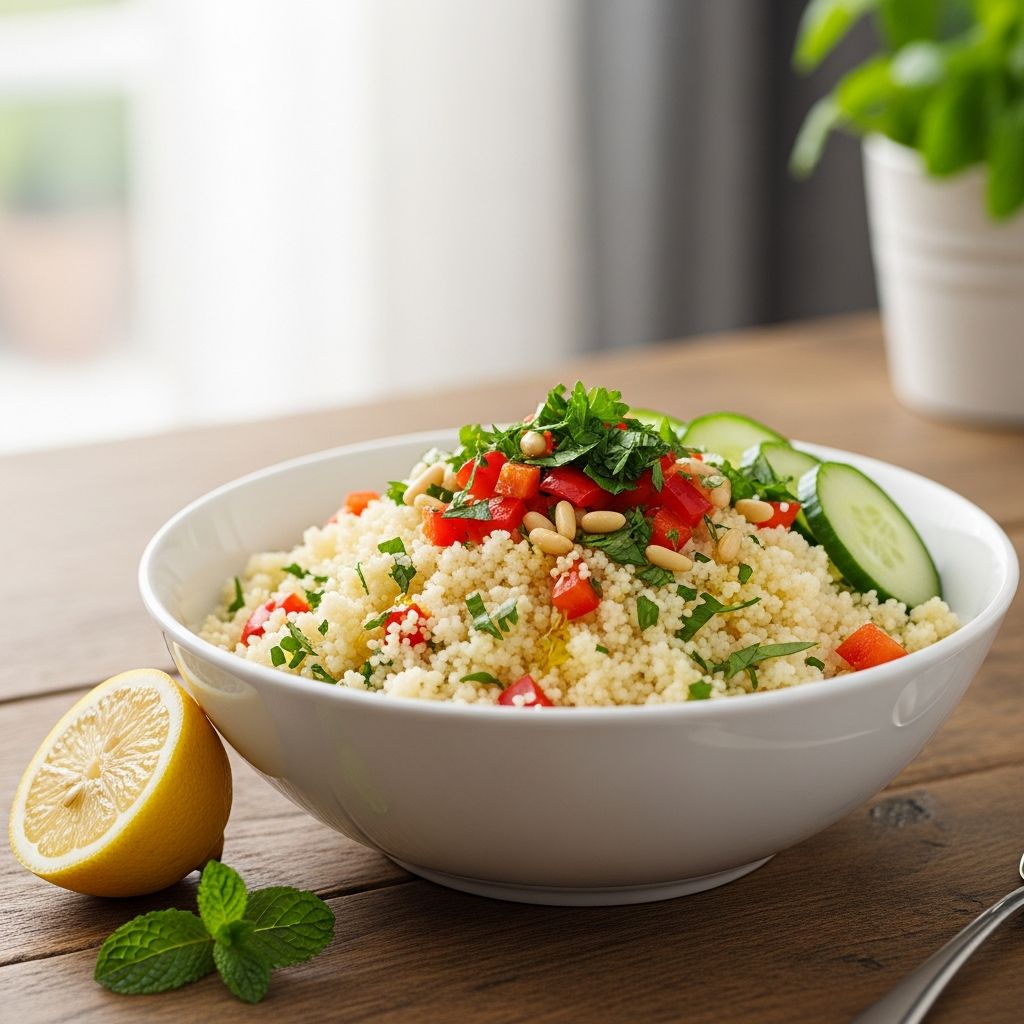
Couscous, a staple in North African and Mediterranean cuisines, is a versatile grain-like pasta made from semolina wheat. While quick to prepare and nutrient-dense in certain areas, its healthiness depends on the type—refined versus whole wheat—and how it’s incorporated into meals. This article breaks down its nutritional profile, key benefits, potential downsides, and practical tips.
What Is Couscous?
Couscous consists of tiny granules of steamed and dried durum wheat semolina. Unlike true grains like rice or quinoa, it’s technically a pasta product formed by coating semolina in flour and rolling it into pearls. Traditional Moroccan couscous is refined, but whole-wheat versions offer more fiber and nutrients. It’s gluten-containing, so not suitable for those with celiac disease or gluten sensitivity.
Preparation is simple: just add boiling water or broth, cover, and let it steam for 5 minutes, making it faster than quinoa or rice. This convenience boosts its appeal for busy cooks seeking plant-based meal bases.
Couscous Nutrition Facts
A standard serving of cooked couscous (about 1 cup or 157g) provides quick energy from carbs but varies by type. Refined couscous is lower in fiber, while whole-wheat is more nutrient-rich. Here’s a comparison based on reliable nutritional data:
| Nutrient | Refined Couscous (1 cup cooked, 157g) | Whole-Wheat Couscous (1/4 cup dry, cooked) | % Daily Value (approx.) |
|---|---|---|---|
| Calories | 176 | 150-180 | 8-9% |
| Protein | 6g | 5-6g | 10-12% |
| Carbohydrates | 36-37g | 30-34g | 12-13% |
| Fiber | 2-2.2g | 4-5g | 8-20% |
| Fat | 0.3g | 0-0.8g | <1% |
| Selenium | 43-95% DV | Similar or higher | High |
| Phosphorus | 103mg | 20-100mg | 8-15% |
| Potassium | 123mg | Low-moderate | 3-5% |
Data synthesized from multiple sources; values can vary by brand and preparation. Whole-wheat couscous edges out refined in fiber, aiding digestion and satiety.
Health Benefits of Couscous
Couscous offers several evidence-based benefits, particularly from its selenium content and role as a plant-based carb source.
1. Rich in Selenium for Antioxidant Protection
One cup of cooked couscous delivers over 60-95% of the daily selenium value, a powerful antioxidant that fights oxidative stress and inflammation. Selenium supports thyroid function, hormone production, and cellular repair, potentially lowering heart disease risk by reducing LDL cholesterol buildup.
2. Boosts Immune Function
Selenium enhances immune response by regenerating vitamins C and E, reducing inflammation. Studies link higher selenium levels to better immunity, while deficiency impairs immune cells. Couscous’s selenium makes it a simple way to support defenses.
3. Provides Plant-Based Protein
With 5-6g protein per serving (7g per 100g cooked), couscous contributes to plant-focused diets linked to lower risks of stroke, heart disease, and cancer. Though incomplete, pair it with legumes or nuts for full amino acids.
4. Supports Digestion with Fiber (Especially Whole-Wheat)
Whole-wheat couscous provides 4-5g fiber per serving, promoting bowel regularity, preventing constipation, and stabilizing blood sugar. Fiber also lowers cholesterol and may reduce cancer risks.
Related Stories



5. Quick Energy for Active Lifestyles
High carbs (30-37g per cup) offer rapid glycogen replenishment, ideal post-workout. Low fat keeps it light, and B vitamins like niacin aid energy metabolism.
Potential Downsides of Couscous
Despite benefits, couscous isn’t ideal for everyone.
- Gluten Content: Contains gluten, problematic for celiac or sensitive individuals.
- High Glycemic Index: Refined versions spike blood sugar; not best for diabetes. Pair with protein/fat.
- Lower Nutrients Than Whole Grains: Less fiber, vitamins than quinoa or oats.
- Calorie Dense if Overeaten: Easy prep can lead to large portions; moderation key for weight management.
Couscous vs. Other Grains
Couscous shines in convenience but lags behind whole grains nutritionally.
| Grain (1 cup cooked) | Calories | Protein | Fiber | Key Nutrients |
|---|---|---|---|---|
| Couscous (refined) | 176 | 6g | 2g | High selenium |
| Whole-Wheat Couscous | 180 | 6g | 4-5g | Selenium + fiber |
| Quinoa | 222 | 8g | 5g | Triple potassium, 4x iron/magnesium |
| Brown Rice | 215 | 5g | 3.5g | Manganese, magnesium |
Quinoa outperforms with complete protein and minerals, but couscous wins on selenium and speed.
Is Couscous Healthy for Weight Loss?
Fiber-rich whole-wheat couscous promotes fullness, aiding portion control. However, refined types’ quick carbs may trigger hunger. Use in salads with veggies/protein for low-cal meals (e.g., 1/2 cup base). Excess or creamy preparations can lead to gain.
How to Make Couscous Healthier
- Choose whole-wheat for more fiber.
- Add veggies, lean proteins, healthy fats (e.g., chickpeas, olive oil).
- Portion: 1/2-1 cup cooked.
- Flavor with herbs/spices, not butter.
- Swap broth for water to cut sodium.
Sample Healthy Couscous Recipe: Mediterranean Couscous Salad
Ingredients (serves 4): 1 cup whole-wheat couscous, 1.5 cups veggie broth, 1 cucumber (diced), 1 tomato (chopped), 15oz chickpeas, 1/4 cup feta, lemon juice, olive oil, herbs.
- Pour boiling broth over couscous; cover 5 min, fluff.
- Mix with veggies, chickpeas, 1 tbsp oil, lemon, salt/pepper.
- Chill and serve. ~300 cal/serving, high protein/fiber.
Frequently Asked Questions (FAQs)
Is couscous healthier than rice?
Whole-wheat couscous often beats white rice in protein and selenium but similar to brown rice. Choose based on needs.
Does couscous have gluten?
Yes, made from wheat; avoid if gluten-intolerant.
Is couscous good for diabetics?
Refined: no, due to high GI. Whole-wheat in moderation with pairings: better.
How many calories in couscous?
176 per cooked cup (refined); similar for whole-wheat.
Can couscous help build muscle?
Carbs aid energy, 6g protein/cup supports; pair with complete proteins.
References
- Top 5 health benefits of couscous — BBC Good Food. 2023. https://www.bbcgoodfood.com/health/nutrition/couscous-healthy
- Is Couscous Healthy? Top 5 Health and Nutrition Benefits — Healthline. 2023-10-12. https://www.healthline.com/nutrition/couscous-benefits
- Health Benefits of Couscous — WebMD. 2023. http://www.webmd.com/food-recipes/benefits-couscous
- Couscous: Health Benefits, Nutrition, How to Consume & Recipes — Tua Saude. 2024. https://www.tuasaude.com/en/couscous/
- Moroccan Couscous: Calories, Nutrition and Health Benefits — Nutriscan.app. 2024. https://nutriscan.app/calories-nutrition/moroccan-couscous
- Couscous Nutrition Facts: Complete Breakdown & Health Benefits — Alibaba Spice Basics. 2024. https://spice.alibaba.com/spice-basics/couscous-nutrition-facts
Similar Articles








Read full bio of Sneha Tete