Is Crying Good for You? Health Benefits Explained
Discover the surprising health benefits of crying and why emotional tears matter for your wellbeing.
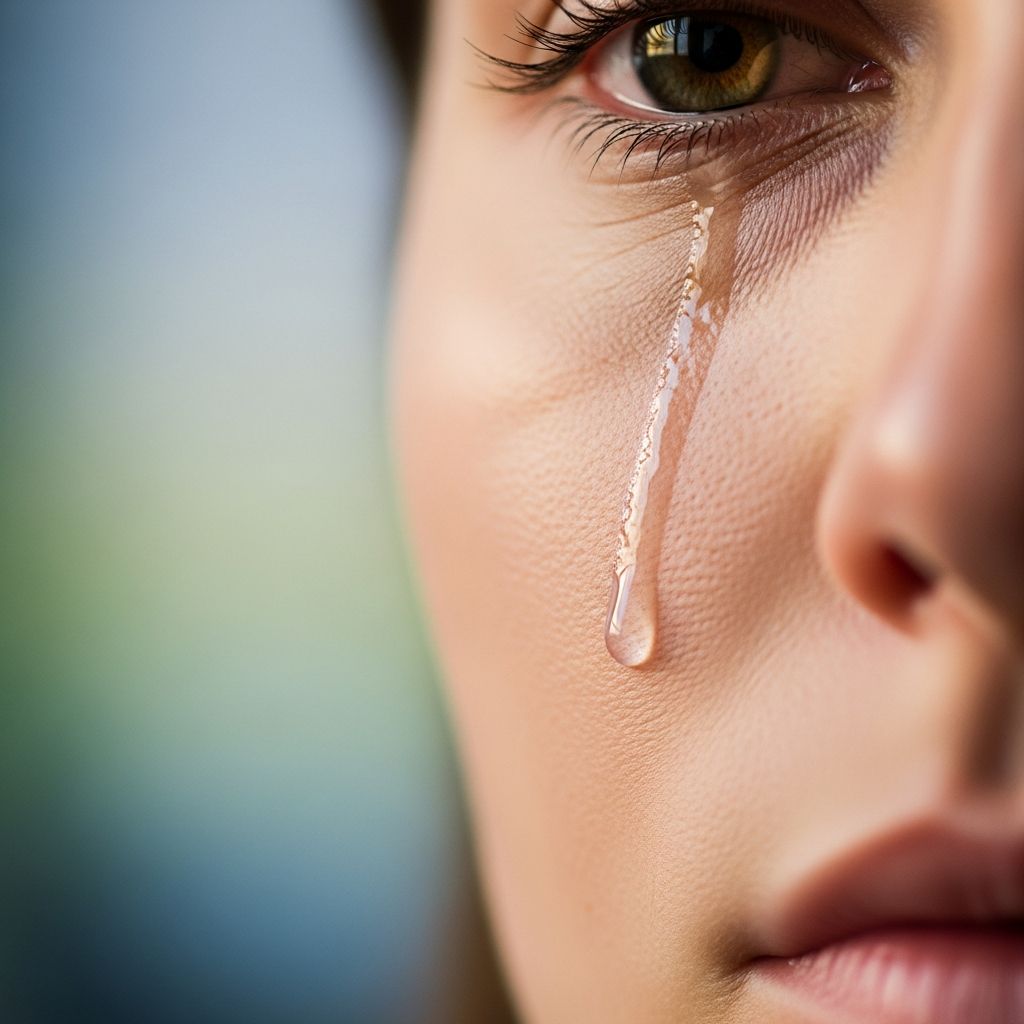
Is Crying Good for You? The Science Behind Emotional Tears
For centuries, crying has been viewed through conflicting lenses—sometimes seen as a sign of weakness, other times as a necessary emotional release. Yet modern science is revealing that tears, particularly emotional ones, offer genuine health benefits. Far from being a sign of vulnerability, crying serves important physiological and psychological functions that can improve your mood, reduce stress, and support overall wellbeing. Understanding why we cry and how it affects our bodies can help you embrace this natural response rather than suppress it.
Understanding the Types of Tears
Not all tears are created equal. Your eyes produce different types of tears, each serving distinct purposes. Reflex tears are your eyes’ automatic response to irritants like onions, dust, or chlorine—they’re primarily protective. Continuous tears, sometimes called basal tears, form a protective film over your eyes at all times, keeping them lubricated and healthy. Then there are emotional tears, the ones that flow in response to strong feelings like joy, sadness, anger, or even laughter.
Emotional tears are unique to humans. While other animals produce lubricating eye drops, humans are the only species known to shed tears in response to emotional stimuli. This distinctly human response suggests that emotional crying has evolved to serve important social and physiological functions. When we cry emotionally, we’re not just leaking moisture—we’re engaging in a complex biological process that affects our body, mind, and relationships.
The Hormonal Benefits of Crying
One of the most compelling reasons crying is good for you lies in the hormones it releases. When you experience emotional crying, your body flushes with oxytocin, a hormone produced by the brain, specifically in the hypothalamus. Oxytocin has earned nicknames like the “love hormone” or “love drug” because of its remarkable effects. Beyond promoting bonding with others and generating feelings of happiness, oxytocin has been shown to potentially aid in heart recovery after cardiac events.
Crying also triggers the release of endorphins, which are your body’s natural opioid-like compounds. These endogenous opioids connect to several important benefits:
- Relief from both emotional and physical pain
- Feelings of euphoria and wellbeing
- Enhanced stress resilience
- Cardiovascular protection
The mechanism behind these benefits is fascinating. When endorphins are released through crying, they increase your pain tolerance, essentially dulling the intensity of emotional and physical pain in much the same way that opioid medications do. This self-soothing effect explains why people often feel better after a good cry—the neurochemistry of their body has shifted toward relief and comfort.
Physiological Changes During and After Crying
Beyond hormonal effects, crying produces measurable physiological changes that support emotional recovery. A 2007 study that examined the physical responses of 60 female students watching neutral and sad films revealed something striking about the body’s response to crying. While heart rate initially increased during the lead-up to crying, it quickly slowed down once crying began. This pattern is significant because it shows that crying shifts the body from a state of distress into a calmer state.
The respiratory changes are equally important. Crying leads to slower, more controlled breathing that typically lasts about four minutes after emotional tears begin. This extended period of reduced breathing rate indicates that while crying acts as a distress signal to others, it simultaneously serves to restore the crier’s own emotional and physical equilibrium. The combination of decreased heart rate and slower breathing creates a physiological state conducive to emotional recovery.
Related Stories



Research has identified both arousing and calming effects of crying, with the calming effects lasting measurably longer than the arousing effects. This temporal pattern suggests that the body naturally guides itself toward recovery through the crying process. The slowed breathing and heart rate reduction can persist for several minutes after tears stop flowing, extending the benefits of emotional release.
Mood Improvement and Emotional Relief
Perhaps the most commonly reported benefit of crying is mood improvement. Retrospective studies asking people to recall their feelings after recent crying episodes reveal compelling patterns. In research spanning 35 countries, most men and women reported feeling better after crying. However, it’s worth noting that in everyday diary studies tracking actual crying episodes, approximately 30 percent of crying events were associated with reported mood benefits. This variation suggests that context matters—not every cry results in improved mood, but many do.
The mood-enhancing effects of crying appear to be influenced significantly by social context. Research has shown that people who received social support while crying were more likely to report mood improvements than those who cried alone. This finding highlights the interplay between crying’s internal physiological benefits and external social factors. When someone comforts you while you cry, they’re not just providing emotional support—they’re potentially enhancing the biological benefits of your tears.
The self-soothing mechanism of crying appears to operate through multiple pathways simultaneously. Biological processes work in parallel with cognitive reappraisal—the mental process of reframing your experience—and behavioral changes that accompany the crying episode. Together, these create what researchers call homeostatic regulation, the restoration of your body and mind to a balanced state.
The Myth About Toxin Removal
One enduring belief about crying is that it cleanses your body of toxins and pollution—a notion dating back to classical times. The biochemical version of this claim, introduced in the 1980s, suggested that crying eliminates stress hormones like cortisol through tears, thereby improving health and wellbeing. While this theory is intuitively appealing, the scientific evidence doesn’t fully support it.
Studies examining cortisol levels before and after crying have produced complex results. While some research suggests that crying might influence cortisol levels, decreases in this stress hormone don’t necessarily occur because the hormone is being removed through tears. Instead, researchers have found that the expression of distress itself—regardless of whether it manifests as crying or other forms of emotional expression—produces physiological changes reflecting reduced stress response.
This distinction is important. The benefits of crying don’t come primarily from tears literally flushing waste products from your body. Rather, they stem from the physiological cascade triggered by emotional expression itself. The act of crying, combined with the hormonal release and physical changes it produces, creates conditions for mood improvement and stress reduction—not through detoxification, but through direct effects on your nervous system and emotional processing.
Crying and Pain Tolerance
An intriguing model of crying’s benefits suggests that emotional tears work by heightening your pain tolerance limit, creating a state of emotional numbness or resilience. According to this theory, the self-soothing behavior of crying is functional because it allows your body and mind to redirect resources more efficiently, rather than wasting energy on excessive stress reactions. After you’ve cried, you may experience increased tolerance for both emotional and physical pain, a protective mechanism that helps you cope with difficult circumstances.
This pain-tolerance enhancement aligns with what many people report anecdotally. After a crying session, problems that seemed overwhelming may feel more manageable. Physical discomfort may seem less acute. This isn’t denial or avoidance—it’s a genuine neurobiological shift in how your body processes pain signals, mediated by the endorphins and other neurochemicals released during crying.
The Dangers of Suppressing Emotions
Understanding the benefits of crying becomes even more important when we consider what happens when people consistently suppress their tears and emotions—a behavior researchers call repressive coping or “bottling it up.” The consequences of chronic emotional suppression are significant and measurable.
A comprehensive 2012 meta-analysis examining 22 studies encompassing 6,775 participants revealed striking associations between repressive coping and serious health conditions. The research showed significant links between suppressing emotions, cancer risk, and cardiovascular diseases, particularly hypertension. These findings underscore that allowing yourself to cry and express emotions isn’t merely pleasant—it’s an important aspect of maintaining physical health.
When you habitually bottle up your emotions, you deny your body access to the natural stress-relief mechanisms that crying provides. Over time, this chronic stress accumulation can contribute to the development of serious health conditions. The research suggests that emotional expression, including crying, serves a protective function for your long-term health.
Crying as a Self-Soothing Behavior
Contemporary psychological research increasingly conceptualizes crying as a self-soothing behavior—an action your body engages in to restore emotional equilibrium. This framework helps explain why crying can feel relieving even though it initially seems to intensify distress. The process begins with heightened emotional arousal, but the physiological changes triggered by crying gradually shift your body toward calm.
This self-soothing function doesn’t occur in isolation. The mechanisms underlying self-soothing appear to share physiological systems with social-soothing—the comfort provided by other people. This connection explains why crying in the presence of a supportive person often produces better mood outcomes than crying alone. Your body’s self-soothing capacity interfaces with and is enhanced by social support.
The capacity to cry and gain emotional relief appears to be an evolved mechanism that served important survival functions. From an attachment theory perspective, crying acts as a signal for the presence and attention of caregivers. This signaling function, while originating in infancy and childhood caregiving, persists into adulthood and continues to facilitate empathy, prosocial behavior, and the caregiving and protective responses of others. When you cry, you’re not just processing your own emotions—you’re communicating your needs to others in a way that promotes connection and support.
Social and Interpersonal Benefits
Beyond the individual physiological benefits, crying serves important social functions. Visible tears, particularly emotional tears, promote empathy and prosocial behavior in observers. Crying facilitates social bonding—it creates moments of connection and vulnerability that strengthen relationships. Additionally, the visible expression of tears appears to reduce interpersonal aggression, perhaps because it signals distress and vulnerability that trigger protective instincts in others.
These social effects are not merely secondary to the physical benefits—they’re integral to why crying evolved as a human behavior. The ability to move others through visible tears, to prompt caregiving responses, and to strengthen bonds through shared emotional moments represents an evolutionary advantage. Your tears literally reshape how others relate to you, drawing out compassion and support.
When and How to Allow Yourself to Cry
Given these documented benefits, the research suggests that suppressing the urge to cry is counterproductive to your health. The scientific evidence supports the older folk wisdom that sometimes you just need “a good cry.” Rather than viewing tears as a sign of weakness or loss of control, you can understand them as your body and mind engaging in a natural healing process.
The benefits of crying appear to be maximized when the emotional expression occurs in a supportive context, so seeking out someone you trust can enhance the positive effects. However, even solitary crying provides measurable benefits. The key is allowing yourself to express emotions rather than chronically suppressing them.
For people struggling with difficult emotions, understanding that crying triggers genuine physiological and psychological benefits can help reframe the experience. The initial discomfort of crying is temporary, while the mood improvement, stress reduction, and other benefits can persist and contribute to long-term wellbeing.
Key Takeaways About Crying
- Emotional crying releases oxytocin and endorphins, promoting mood improvement and stress relief
- Crying produces measurable physiological changes including reduced heart rate and slower breathing
- Social support during crying enhances the mood-boosting benefits
- Chronic emotional suppression is associated with increased risks of cancer and cardiovascular disease
- Crying serves important social functions, promoting empathy and connection
- The benefits of crying stem from emotional expression itself, not from toxin removal through tears
Frequently Asked Questions About Crying
Q: Is it true that crying removes toxins from your body?
A: While this is a popular belief dating back centuries, scientific evidence doesn’t strongly support the idea that crying removes toxins through tears. Instead, the benefits of crying come from the physiological cascade of hormonal release and nervous system changes triggered by emotional expression itself.
Q: Does crying always improve mood?
A: Not always. While rhetorical studies show that most people report feeling better after crying, diary studies tracking actual crying episodes find that only about 30 percent of crying events are associated with reported mood benefits. Context matters—having social support while crying enhances the likelihood of mood improvement.
Q: Is it unhealthy to cry frequently?
A: No. Allowing yourself to cry in response to genuine emotions is a healthy expression of feelings. What’s unhealthy is chronically suppressing emotions. The research shows that repressive coping—bottling up emotions—is associated with increased risk of serious health conditions.
Q: How long do the benefits of crying last?
A: The physiological changes from crying, including slowed heart rate and breathing, can last several minutes. The mood-improvement effects vary but can extend beyond the immediate crying episode, particularly when social support is present.
Q: Can men benefit from crying as much as women?
A: Yes. Research across 35 countries found that both men and women reported feeling better after crying. However, social and cultural norms may influence how often men and women allow themselves to cry.
Q: What is repressive coping and why is it harmful?
A: Repressive coping, or “bottling it up,” refers to chronically suppressing emotions rather than expressing them. A meta-analysis of 22 studies found significant associations between repressive coping and increased risk of cancer and cardiovascular diseases, particularly hypertension.
References
- Is Crying a Self-Soothing Behavior? — National Center for Biotechnology Information (NCBI), PubMed Central. 2014. https://www.ncbi.nlm.nih.gov/pmc/articles/PMC4035568/
- Is Crying Good For You? — IFLScience. 2014. https://www.iflscience.com/is-crying-good-for-you-76869
- How Crying Could Actually Boost Your Mood — News Medical Life Sciences. https://www.news-medical.net/health/How-Crying-Could-Actually-Boost-Your-Mood.aspx
Similar Articles








Read full bio of medha deb