Is Diarrhea Contagious? Understanding Transmission and Prevention
Learn whether diarrhea spreads between people and how to prevent transmission.
Is Diarrhea Contagious?
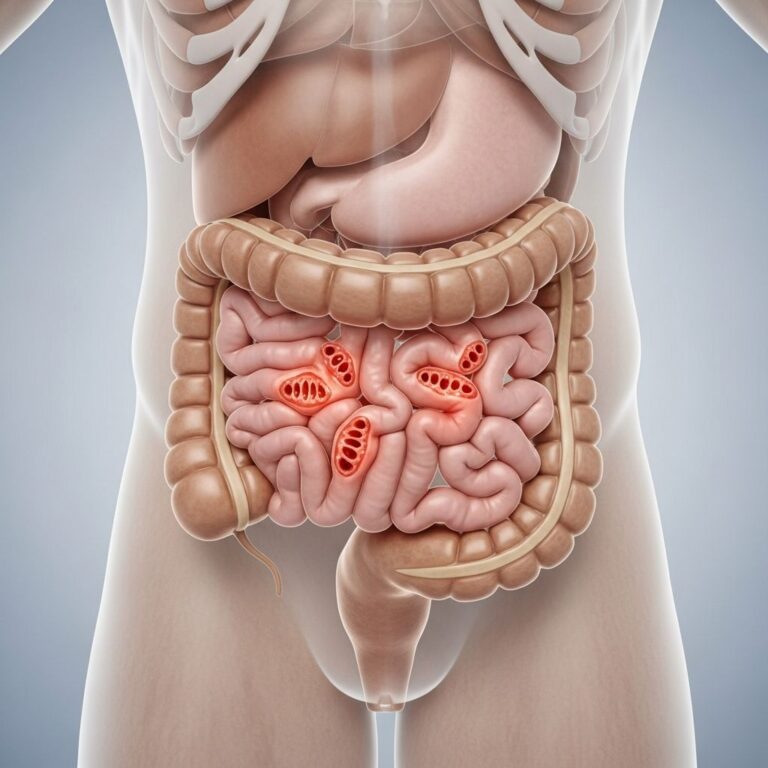
Diarrhea is a common gastrointestinal condition characterized by loose, watery stools that occur more frequently than normal. Whether diarrhea is contagious depends largely on its underlying cause. Some forms of diarrhea are highly contagious and spread easily from person to person, while others are not contagious at all. Understanding the difference is essential for preventing transmission and maintaining your health and the health of those around you.
When Is Diarrhea Contagious?
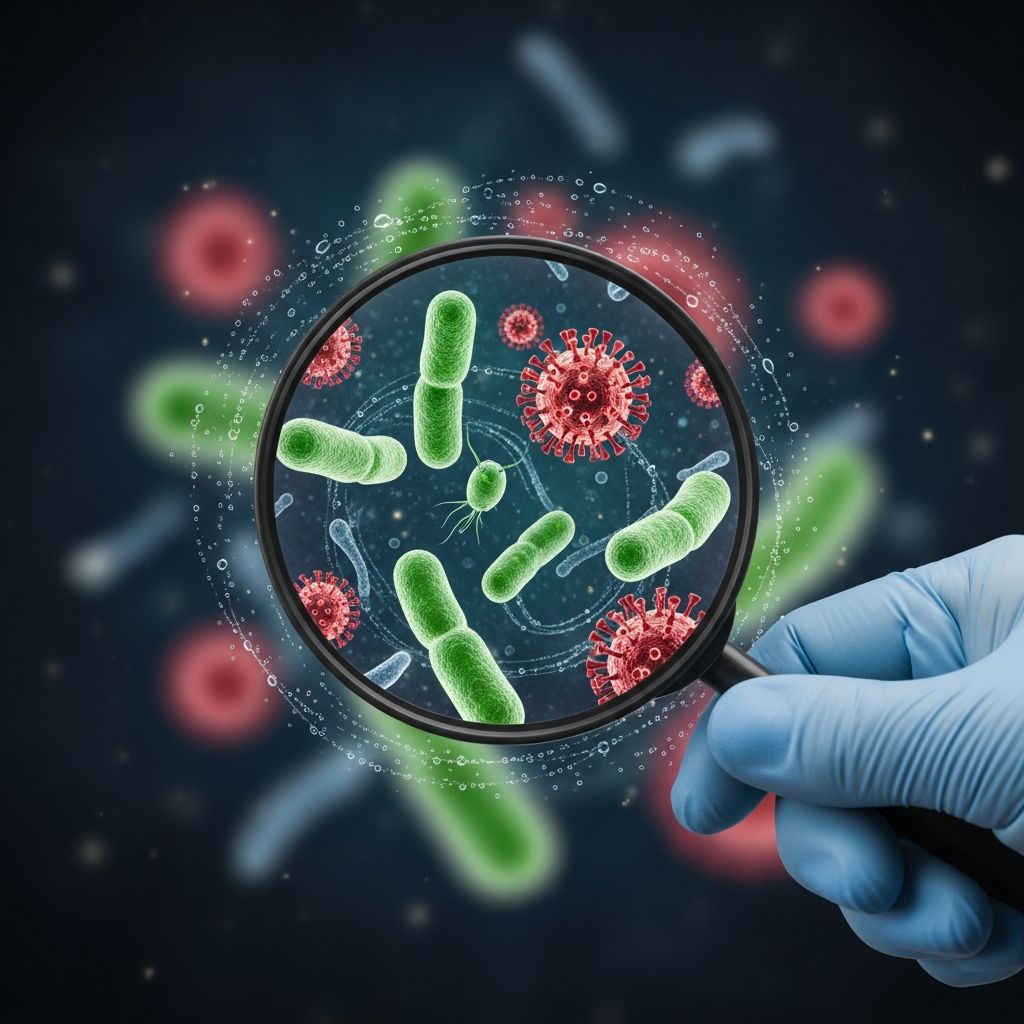
Diarrhea caused by infectious agents such as bacteria, viruses, and parasites is typically contagious. These pathogens can spread from person to person through various transmission routes, making it important to take precautions when you or someone around you has infectious diarrhea.
Viral Causes
Viral diarrhea is one of the most common contagious forms of the condition. Common viruses that cause diarrhea include:
- Rotavirus: Once the leading cause of severe diarrhea in infants and young children, rotavirus is highly contagious and spreads through the fecal-oral route
- Norovirus: Known for causing outbreaks in schools, cruise ships, and other crowded environments, norovirus is extremely contagious
- Enteroviruses: Including coxsackievirus and echovirus, these viruses commonly cause diarrhea in children and adults
- Adenovirus: Types 40 and 41 are known to cause gastroenteritis, particularly in young children
Bacterial Causes
Bacterial infections can also cause contagious diarrhea. Common bacteria responsible include:
- Salmonella: Often transmitted through contaminated food, particularly poultry and eggs, salmonella can spread person-to-person in certain situations
- Escherichia coli (E. coli): Certain strains of this bacterium cause diarrhea and can spread through contaminated water or food
- Campylobacter: Frequently found in raw or undercooked poultry, this bacterium causes diarrhea and can be transmitted between people
- Shigella: Highly contagious, shigella spreads rapidly in childcare settings and among young children
- Clostridioides difficile (C. difficile): Often acquired in healthcare settings, C. difficile produces spores that are difficult to eliminate and highly transmissible
Parasitic Causes
Parasites can also cause contagious diarrhea, though transmission typically occurs through contaminated water or food. Common parasites include Giardia lamblia and Cryptosporidium, both of which can spread from person to person in certain conditions.
When Is Diarrhea Not Contagious?
Many cases of diarrhea are not contagious because they result from non-infectious causes. These include:
- Food intolerances: Lactose intolerance, gluten sensitivity, and other food intolerances cause diarrhea but are not transmissible to others
- Inflammatory bowel diseases: Conditions such as Crohn’s disease and ulcerative colitis are not contagious, though they cause chronic diarrhea
- Irritable bowel syndrome (IBS): This functional disorder is not contagious and affects individuals differently
- Medications: Antibiotics, laxatives, and other medications can cause diarrhea as a side effect
- Dietary changes: Increased fiber intake, high-fat foods, or artificial sweeteners can trigger diarrhea
- Stress and anxiety: Emotional stress can cause diarrhea in susceptible individuals
- Malabsorption disorders: Conditions affecting nutrient absorption, such as celiac disease, cause non-contagious diarrhea
Related Stories



How Does Contagious Diarrhea Spread?
Understanding transmission routes is crucial for preventing the spread of infectious diarrhea. The primary mechanisms of transmission include:
Fecal-Oral Route
The most common transmission route for infectious diarrhea is the fecal-oral route. This occurs when pathogens in fecal matter contaminate hands, surfaces, food, or water, and subsequently reach the mouth of another person. This can happen through:
- Inadequate handwashing after using the toilet or handling soiled diapers
- Touching contaminated surfaces and then touching the face or mouth
- Consuming contaminated food or water
- Diaper changing without proper hygiene measures
Contaminated Food and Water
Infectious agents can contaminate food and water through improper preparation, storage, or handling. Consuming contaminated food or water is a common way infectious diarrhea spreads, particularly in areas with inadequate sanitation.
Person-to-Person Contact
Direct contact with an infected person, particularly during diaper changes or in healthcare settings, can transmit pathogens causing diarrhea. Caregivers and healthcare workers are at higher risk.
Who Is Most at Risk?
Certain populations are more susceptible to contracting infectious diarrhea:
- Young children: Children in daycare or preschool settings are at higher risk due to frequent contact and developing immune systems
- Older adults: Aging weakens immune function, making seniors more vulnerable to severe infections
- Immunocompromised individuals: People with HIV/AIDS, undergoing chemotherapy, or taking immunosuppressive medications are at greater risk
- Pregnant women: Pregnancy-related immune changes increase susceptibility to certain infections
- Travelers: Exposure to unfamiliar pathogens in different regions increases risk
- Healthcare workers: Occupational exposure to patients with infectious diarrhea increases risk
Prevention Strategies
Preventing the spread of infectious diarrhea requires implementing proper hygiene and sanitation practices:
Hand Hygiene
- Wash hands thoroughly with soap and warm water for at least 20 seconds after using the toilet, before eating, and after handling soiled materials
- Use hand sanitizer when soap and water are unavailable, though handwashing is more effective against certain pathogens like norovirus and C. difficile
- Avoid touching your face, eyes, or mouth without washing hands first
Food Safety
- Cook food to appropriate temperatures to eliminate pathogens
- Avoid consuming raw or undercooked meat, poultry, and eggs
- Practice proper food storage and refrigeration
- Avoid cross-contamination between raw and cooked foods
- Wash fruits and vegetables before consumption
Environmental Cleaning
- Clean and disinfect bathroom surfaces, especially toilets and door handles
- Use appropriate disinfectants effective against the specific pathogen
- Clean diaper changing areas thoroughly after each use
- Wash contaminated clothing, bedding, and towels in hot water
Isolation and Containment
- Stay home when experiencing diarrhea until symptoms resolve completely
- Keep infected individuals separate from others, particularly vulnerable populations
- Follow healthcare facility protocols regarding isolation precautions
- Inform close contacts about potential exposure
When to Seek Medical Attention
While most cases of diarrhea resolve without medical intervention, seek professional healthcare in the following situations:
- Diarrhea lasting more than a few days
- Severe abdominal pain or cramping
- Bloody or black stools
- High fever accompanying diarrhea
- Signs of dehydration, including extreme thirst, dry mouth, little or no urination, or severe weakness
- Diarrhea in young children, elderly individuals, or immunocompromised persons
- Diarrhea following antibiotic use or in healthcare settings
Treatment and Recovery
Treatment for infectious diarrhea focuses on managing symptoms and preventing complications:
Hydration
Maintaining proper hydration is the most critical aspect of treatment. Drink plenty of fluids, including water, broth, and oral rehydration solutions containing electrolytes. Avoid high-sugar drinks and excessive caffeine.
Dietary Considerations
As symptoms improve, gradually reintroduce bland, easily digestible foods such as crackers, toast, rice, and bananas. Avoid dairy, high-fat foods, and foods high in fiber until fully recovered.
Medications
Over-the-counter medications like loperamide (Imodium) may provide symptom relief but should be avoided in cases of bacterial infection or high fever, as they can worsen some infections. Consult a healthcare provider before using such medications.
Rest
Allow your body adequate rest to recover from the infection. Limit physical activity until symptoms fully resolve.
Duration of Contagiousness
The period during which a person with infectious diarrhea can transmit the illness varies by pathogen:
- Viral infections: Typically contagious from symptom onset through several days after symptoms resolve, depending on the virus
- Bacterial infections: Contagiousness varies; some bacteria remain transmissible for weeks without treatment
- Parasitic infections: May remain contagious for extended periods if untreated
Many individuals continue shedding pathogens even after symptoms have completely resolved, making ongoing hygiene practices important.
Frequently Asked Questions
Q: Is viral diarrhea contagious?
A: Yes, viral diarrhea is highly contagious and spreads easily through the fecal-oral route. Viruses like norovirus and rotavirus spread rapidly in schools, daycare centers, and crowded environments.
Q: Can I catch diarrhea from someone else?
A: It depends on the cause. Infectious diarrhea caused by bacteria, viruses, or parasites is contagious and can spread to others. Non-infectious diarrhea from food intolerances or IBS is not contagious.
Q: How long should I stay home if I have diarrhea?
A: You should stay home until diarrhea has completely resolved for at least 24 hours without using medications that suppress symptoms. Some infections may require longer isolation periods, particularly for vulnerable individuals.
Q: Can I get diarrhea from touching a contaminated surface?
A: Yes, if you touch a contaminated surface and then touch your mouth, nose, or face without washing your hands, you can contract infectious diarrhea.
Q: Is C. difficile diarrhea contagious?
A: Yes, C. difficile is highly contagious and spreads through spores found in fecal matter. It commonly spreads in healthcare settings and requires strict infection control measures.
Q: Can antibiotics prevent infectious diarrhea?
A: Not typically. Most viral diarrhea cases don’t require antibiotics. Antibiotics are used for certain bacterial infections but may increase C. difficile risk. A healthcare provider should determine if antibiotics are appropriate.
Q: Is traveler’s diarrhea contagious?
A: Traveler’s diarrhea, usually caused by bacteria from contaminated food or water, can be contagious depending on the pathogen involved. Proper hygiene reduces transmission risk.
Q: How can I prevent spreading diarrhea to family members?
A: Practice meticulous handwashing, use separate towels, disinfect bathroom surfaces, wash soiled items separately in hot water, and avoid preparing food for others when experiencing symptoms.
References
- Gastroenteritis in children and adults: Management and prevention — Centers for Disease Control and Prevention (CDC). Updated 2024. https://www.cdc.gov/foodsafety/
- Diarrhea: Causes, symptoms, and treatment — National Institute of Diabetes and Digestive and Kidney Diseases (NIDDK). Updated 2024. https://www.niddk.nih.gov/health-information/digestive-diseases
- Infectious diarrhea: Transmission and prevention strategies — World Health Organization (WHO). 2023. https://www.who.int/health-topics/diarrhoea
- Salmonella infection: Symptoms, treatment, and transmission — Mayo Clinic. Updated 2024. https://www.mayoclinic.org/diseases-conditions/salmonella/symptoms-causes/syc-20355329
- Clostridioides difficile infection: Prevention and control — Centers for Disease Control and Prevention (CDC). Updated 2024. https://www.cdc.gov/cdiff/
- Norovirus transmission and outbreak prevention — Centers for Disease Control and Prevention (CDC). Updated 2024. https://www.cdc.gov/norovirus/
Similar Articles








Read full bio of Sneha Tete